



Professional Moving Industry Growth: Demand Data for Bag Suppliers
The professional moving industry is not a flat market. It moves with housing, with relocations and with the way people and businesses move their things. For a bag supplier, that movement is demand, and understanding it is the difference between ordering into a rising market and ordering into a stall. Here is where the demand sits and what it means for a moving bag line.

What drives moving demand
Moving demand follows housing turnover and household relocation, plus commercial and multifamily moves. When housing turns over more, more people and more property managers need to move content, and that is where a durable moving bag earns its place. The demand is not just in the national numbers; it is in the local moves, the do-it-yourself moves and the property-to-property moves that a bag line serves directly.
Why the bag is a growing share of the move
Moving bags are displacing boxes because they fold flat, stack well and carry a heavy load without the assembly a box needs. A woven PP moving bag takes the packing step out of the move, which is a real labor saving for a mover and for a family. As the industry looks for faster, cheaper ways to move, the bag takes a larger share of the packing volume. TIIOCTI makes heavy duty woven PP moving bags with BSCI and GRS certification, and can ship DDP to the US and Europe. Mobility and relocation data from the US Census Bureau tracks the household moves that feed this demand.

The reusable angle
Part of the growth is the reuse cycle. A rental or a self-moving family may use a bag once and keep it, while a moving company runs the same bag across many jobs. The reusable bag cuts the cost per move, and it is the reason a property operator or a professional mover buys in volume. That repeat cycle is what makes the moving bag a steady line for a supplier, not a one-time sale.
What the data means for your order
If moving demand is rising, expect the price and the lead time to be under pressure as capacity fills. Order ahead for a peak season, and confirm the factory can hold the schedule. If demand is softer, that is the time to negotiate. Read the moving and relocation metrics as a lead indicator, and plan the bag quantity against it. See our freight rates and peak season guides for the timing.
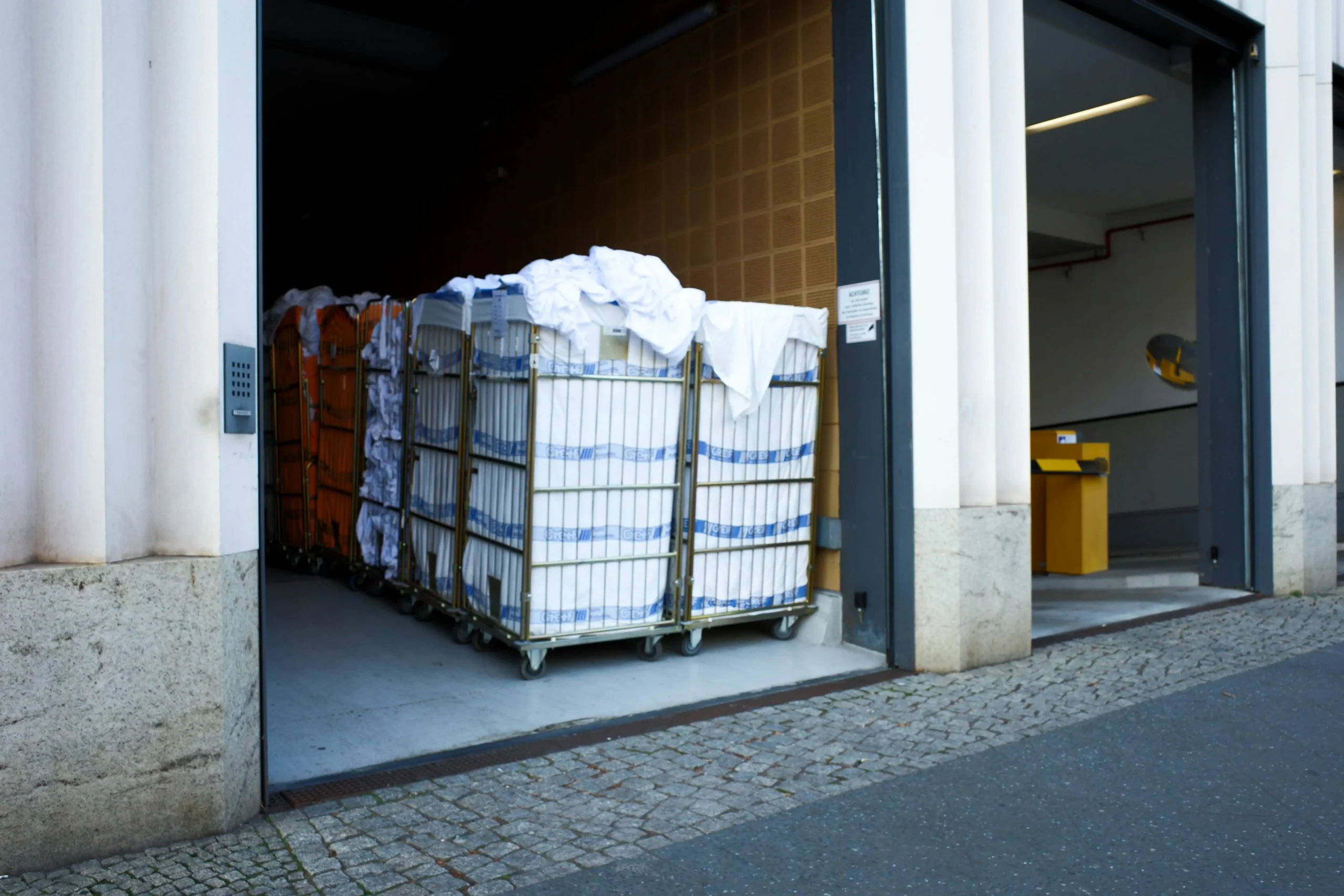
The moving industry grows with relocation, and the bag grows its share of the move because it is faster and cheaper than the box. For a supplier, the data is a planning tool: read it, place the order ahead, and pick a factory that can hold the schedule. For a factory built for the moving market, TIIOCTI supplies heavy duty moving bags that fold flat and carry the load.
Video: moving industry logistics
FAQ
Is the professional moving industry growing?
Moving demand follows housing turnover and relocations, so it grows and contracts with those. The bag takes a growing share of the move because it folds flat and carries a heavy load without the assembly a box needs.
Why do moving bags beat boxes for demand?
Bags fold flat, stack well and carry a heavy load without assembly. The reuse cycle means a moving company runs the same bag across many jobs, cutting the cost per move.
How should a supplier plan for moving demand?
Read the relocation metrics as a lead indicator, order ahead for peak season and confirm the factory can hold the schedule. If demand softens, that is the time to negotiate.
See also our holiday demand cycles guide.
Related reading: moving company logistics dispatching foldable bags


0 Comments