



Split Shipments for Retail Bag Orders: Partial Delivery Programs Explained
A retail bag order does not always arrive whole. When a brand runs a seasonal line or a warehouse that fills a little at a time, a factory can split the order into partial deliveries. A split shipment lets you pay for stock as it sells and hold the freight to a schedule, but it changes the cost picture and the paperwork. Here is how partial delivery programs work and what to lock down before you agree.
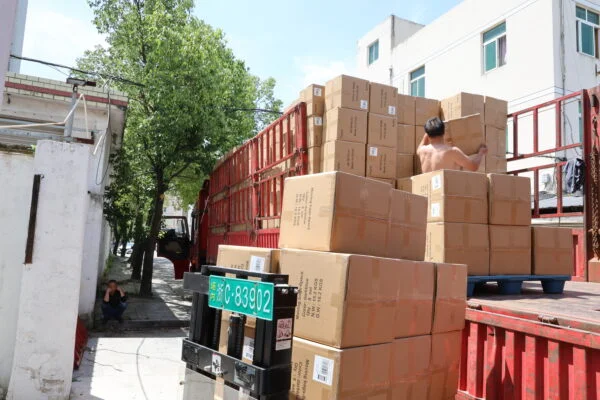
What a split shipment actually is
A split shipment is one purchase order released in more than one batch, each with its own freight and its own delivery date. It is different from a partial shipment on a bill of lading, which is a logistics term, and it is different from a backorder, which is a supply failure. In a planned split, the factory holds the balance of your order and releases it on an agreed schedule, so you are buying a program, not a single delivery.
The freight math changes
Freight is where the split bites. Two or more partial containers cost more than one full container for the same volume, because some cost is fixed per shipment. For small bags that flat-pack, a partly filled container may look like saving, but the per-unit freight cost goes up. Compare the landed cost of one whole delivery against the total of the split, and watch the minimum chargeable weight on each release. TIIOCTI can ship DDP with tax included to the US and Europe, which moves the freight math into one predictable price. The UN/CEFACT Incoterms guidance is a reference for how freight, insurance and customs split across the parties in a partial delivery.

Cash flow is the real benefit
The reason most retailers split is cash flow. A partial delivery lets a brand pay for the batch it can sell now instead of for the whole season up front. It also frees warehouse space: the balance sits in the factory until the next release. That is why a split works well for a slow-move line or a new product you want to test in the market before committing the full volume.
What to write into the order
Agree the release dates, the quantity per release, the freight term per release and who pays the customs. Confirm that the deposit covers the whole order but is released per batch, and that the unit price is fixed for the program or indexed for material moves. Set the defect allowance so a failed batch does not stall the next release. See our bill of lading and receiving labels guides for the paperwork that pairs with a split.
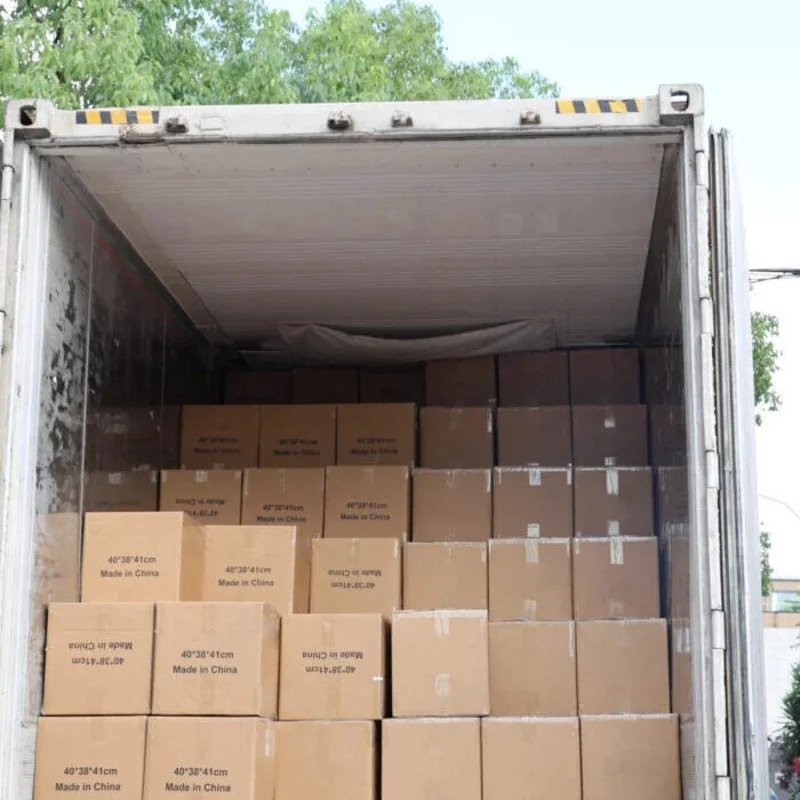
A split shipment is a program, not a one-off, and the terms decide whether it saves you money or costs it. Lock the schedule, the freight per release, cash flow and the quality allowance before you sign. For a factory that handles a partial release cleanly, TIIOCTI builds heavy duty moving bags and custom retail bags with a low MOQ and free samples.
Video: how a container is loaded for split orders
FAQ
What is a split shipment for a bag order?
A split shipment is one purchase order released in more than one batch, each with its own freight and delivery date. The factory holds the balance and releases it on an agreed schedule.
Does a split shipment cost more in freight?
Usually yes, because some freight cost is fixed per shipment. Compare the landed cost of one full delivery against the total of the split, and watch the minimum chargeable weight on each release.
What should I write into a split shipment order?
Agree the release dates, quantity per release, freight term per release, who pays customs, the deposit release and the unit price for the program. Set the defect allowance so a failed batch does not stall the next release.



0 Comments