



Why Port Detention and Demurrage Silently Inflate Your Bag Import Bill
You negotiated a solid FOB price. Your factory delivered on time. The vessel arrived within the transit window. Then the invoice landed — and 15% more expensive than you planned. Port detention and demurrage charges rarely appear in the initial quote, yet they routinely add thousands of dollars to a single container shipment of custom bags.
Importers who understand how these charges work — and how to prevent them — keep their landed cost predictable. Importers who don’t learn the lesson once, through a surprise invoice at the port.
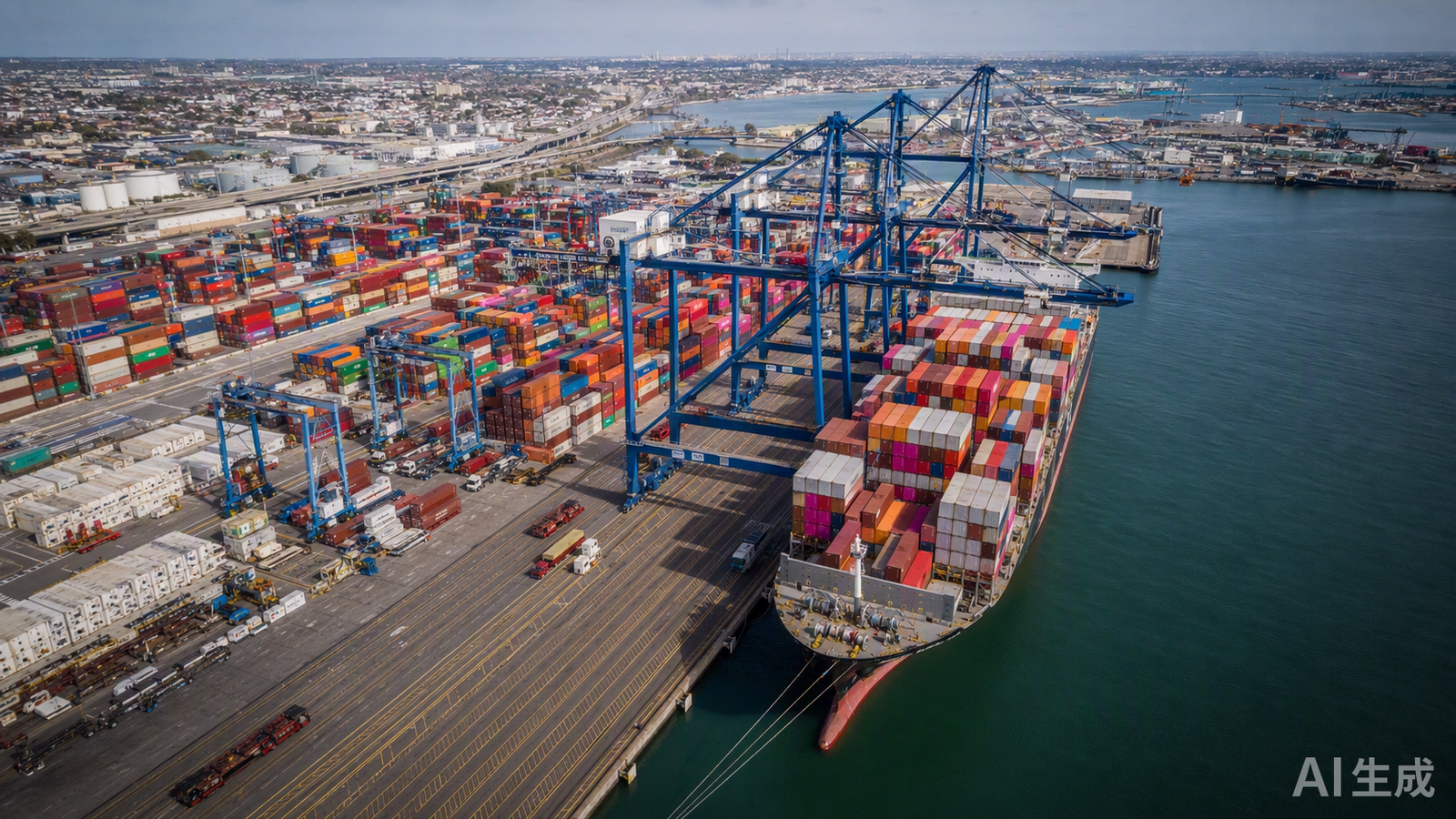
Demurrage vs Detention: Two Charges, Two Clocks
These terms sound similar but measure different things. According to Shipping & Freight Resource, demurrage applies when your full container sits inside the port terminal beyond the free days granted by the shipping line. Detention applies when you’ve pulled the container out of the port but haven’t returned the empty box within the allowed window.
Think of it this way:
- Demurrage = the port is charging you rent for their terminal space
- Detention = the shipping line is charging you for keeping their equipment too long
Both charge per container, per day. Both start ticking after a “free time” window — typically 4 to 7 calendar days for demurrage and 5 to 10 days for detention, depending on the carrier and the port.
The Math: How a 40ft Container of Moving Bags Accumulates $2,400 in Extra Fees
Let’s walk through a real scenario. You’ve ordered a 40ft high-cube container of custom printed moving bags from a Chinese factory, destined for the Port of Los Angeles.
| Charge Type | Free Days | Daily Rate | Days Over | Total |
|---|---|---|---|---|
| Demurrage (port storage) | 5 days | $150/day | 8 | $1,200 |
| Detention (container rental) | 7 days | $175/day | 5 | $875 |
| Per-diem surcharge | — | $65/day | 5 | $325 |
| Total hidden cost | $2,400 | |||
On a container of moving bags valued at roughly $16,000 FOB, that’s a 15% cost increase — entirely avoidable.
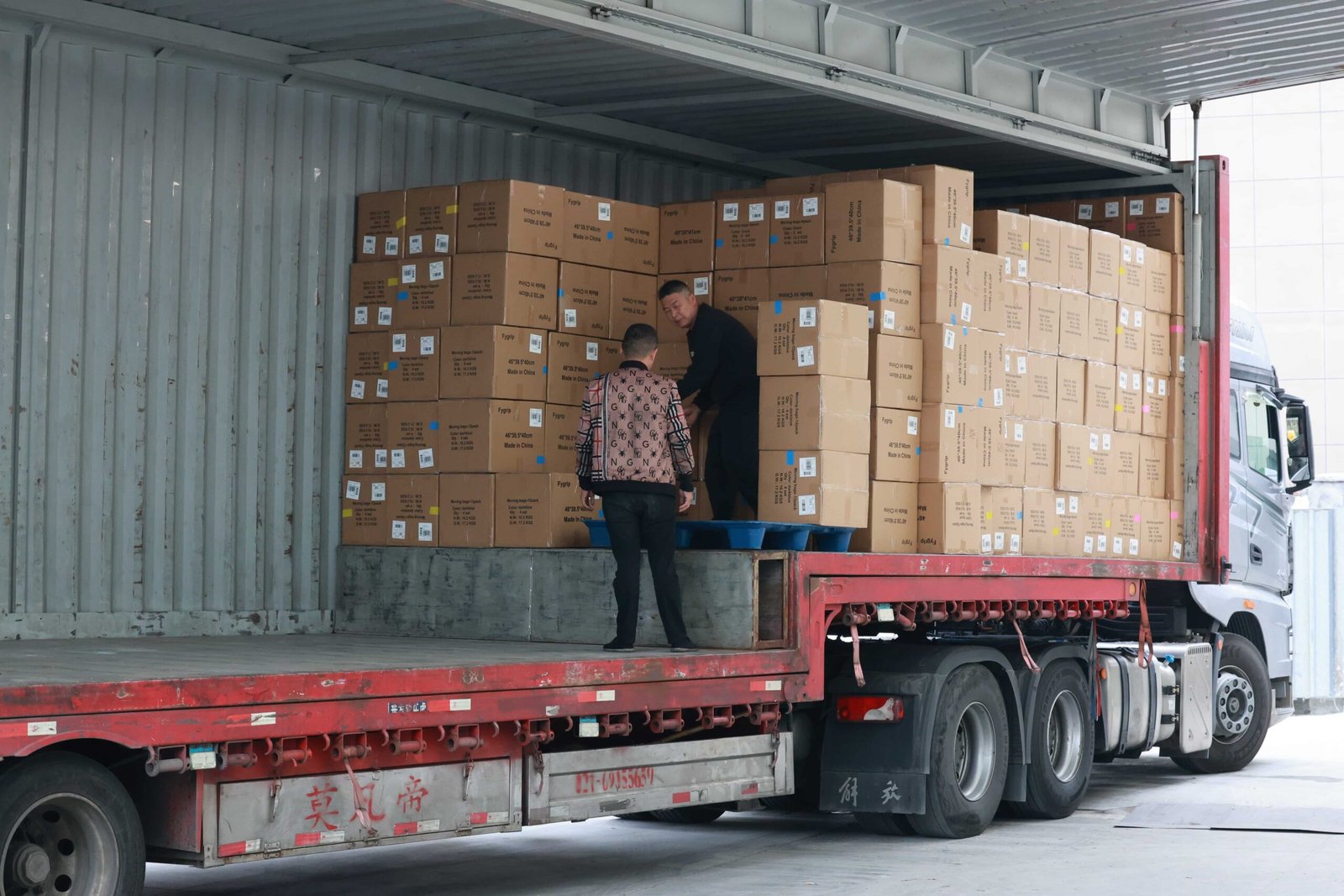
Five Root Causes That Trigger Detention and Demurrage on Bag Shipments
After processing hundreds of container shipments, we see the same five problems create these charges over and over:
1. Customs Documentation Errors
A missing commercial invoice, an incorrect HS code, or a mismatch between the packing list and the bill of lading will hold your container at customs. Bag importers sometimes classify printed totes under the wrong tariff heading — promotional items vs. retail goods carry different codes. Fix the paperwork before the vessel departs, not after it arrives.
2. Warehouse Not Ready to Receive
Your container clears customs on day 3, but your warehouse is full from a previous shipment. The driver can’t deliver. The container sits at the port. Demurrage starts. Always confirm warehouse capacity and dock availability before the vessel arrives — not after.
3. Trucking Delays
Port congestion means truckers wait 3-4 hours for gate access. Some drivers refuse the appointment. Others reschedule. During peak season (August through October for holiday inventory), chassis shortages compound the problem. Build a 2-day buffer into your trucking plan.
4. Empty Container Return Confusion
After unloading, you need to return the empty container to the shipping line’s designated depot. But depots change locations, have restricted hours, or refuse certain container types during peak periods. Every extra day with the empty box counts as detention.
5. Inspection Holds
Customs may select your container for an intensive examination — especially if you’re importing printed bags with logos that could trigger intellectual property checks. These inspections add 3-7 business days, during which demurrage accumulates.
How to Negotiate Free Time and Avoid These Charges
The Federal Maritime Commission has strengthened oversight of detention and demurrage practices, but the primary lever remains negotiation. Here’s what experienced importers do:
- Request extended free time upfront. When booking with the carrier, ask for 10-14 free days demurrage and 10 days detention. Many carriers grant this for regular shippers at no extra cost.
- Use a reliable customs broker. A broker who pre-files your documentation while the vessel is in transit can clear goods within 24 hours of arrival.
- Schedule trucking before the vessel arrives. Book your drayage appointment 5 days before the estimated arrival date. Confirm 48 hours before.
- Consider a bonded warehouse. If customs is delayed, moving the container to a bonded facility stops demurrage at the port terminal.
- Track detention clocks separately. Assign one team member to count detention days from the moment the container leaves the port. Return the empty box on day 1 if possible — don’t wait until the last free day.
If you’re planning a container of custom bags and want the port-side costs priced before you commit, send us your shipment details for a quote that puts detention and demurrage risk on the table upfront.

DDP Shipping: How It Eliminates Detention Risk Entirely
One structural solution to detention and demurrage is to shift the risk to the supplier. Under DDP (Delivered Duty Paid) shipping terms, the factory or their freight forwarder handles everything — customs clearance, trucking, and container return. If detention or demurrage occurs, it’s their cost, not yours.
For bag importers ordering bulk bag exports, DDP pricing typically includes a small risk premium — but that premium is fixed and known upfront. You trade the possibility of saving money (if everything goes smoothly) for the certainty of never paying surprise port charges.
This works especially well for first-time importers or companies ordering seasonal products like moving bags for peak relocation season, when port congestion is unpredictable.
Build Detention and Demurrage Into Your Landed Cost Calculator
Even with preventive measures, occasional charges are inevitable. Smart importers budget for them. Add a 3-5% contingency line for port charges in your landed cost calculator. If you never use it, that’s profit. If you do use it, it’s planning.
The difference between importers who bleed money at the port and those who don’t isn’t luck — it’s preparation. File documents early, confirm warehouse capacity, schedule trucking in advance, and track every clock from the moment the vessel docks.
Frequently Asked Questions
What is the difference between demurrage and detention?
Demurrage charges apply when your container sits inside the port terminal beyond the free days allowed by the shipping line. Detention charges apply when you’ve removed the container from the port but haven’t returned the empty container within the allowed period. Both are daily fees, and both accumulate quickly during port congestion.
How many free days do I typically get at US ports?
Most shipping lines grant 4-7 calendar days of free demurrage time at US ports and 5-10 days of free detention time. These vary by carrier, port, and equipment type. You can often negotiate extended free time (10-14 days) if you ship regularly with the same carrier.
Can I dispute demurrage or detention charges?
Yes, but success rates vary. The Federal Maritime Commission has issued rules requiring shipping lines to prove the charges are reasonable. If the delay was caused by the carrier (e.g., vessel scheduling errors), you have grounds for a waiver. Document everything — photos of port congestion, email timestamps, customs clearance records.
Does DDP shipping eliminate detention and demurrage risk?
Under DDP terms, the supplier’s freight forwarder assumes responsibility for customs clearance, inland transport, and container return. Any detention or demurrage charges become the supplier’s cost, not yours. The supplier typically builds a small risk premium into the DDP price, but it’s a fixed, known cost.




0 Comments