



A tote program that picks jute over cotton canvas, or the reverse, is really picking between two different plants with two different cost curves. Jute ships rough, cheap and low-impact; canvas ships soft, printable and price-volatile. The wrong pick shows up a year later, as mildew in a humid warehouse or as a 30 percent cotton price swing through the program budget.
This guide compares jute and canvas on material properties, cost behavior, printing fit and end-of-life, and maps which programs each material honestly serves.
Fiber prices and weave specs vary by harvest and mill; figures below are planning ranges from current bag production, not fixed quotations.
The two materials at a glance
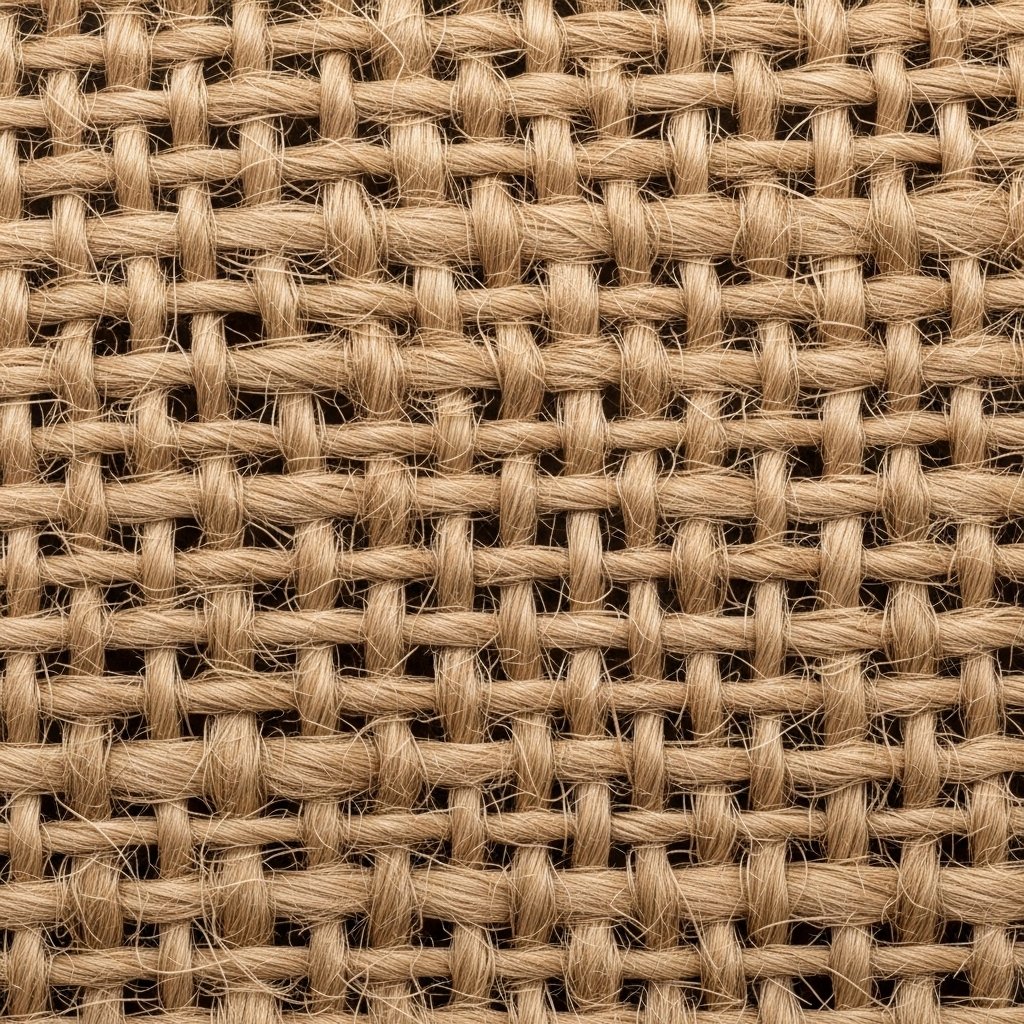
Jute is a bast fiber spun coarse; typical bag fabric runs 250 to 450 grams per square meter, holds 10 to 15 kilograms in a standard tote configuration, and carries the rough natural look that eco-positioned retail wants. Cotton canvas is woven finer, specified in ounces, and the common bag range runs 8 to 16 oz, roughly 270 to 540 gsm in the units our fabric GSM guide uses, holding 15 to 20 kilograms, and past 25 with reinforced handles. The weight-to-strength relationship is not linear: jute achieves its load on coarse stiffness, canvas on finer tensile weave, which is why canvas drapes and jute stands up in a box. Weave structure adds the second difference: jute runs plain or 2/1 twill at 8 to 14 ends per centimeter, canvas typically 2/2 twill at 18 to 28, so the same gsm figure can describe fabric that feels like sacking and fabric that feels like apparel. Background on the jute fiber itself is maintained on Wikipedia.
Cost behavior: stable versus swinging
Jute’s raw material trades well below cotton per kilo, typically 30 to 40 percent cheaper at the fabric stage for comparable area weight, and its supply moves with monsoon harvests rather than commodity funds. Cotton swings: the volatility that moves tote program pricing, and the hedging habits that blunt it, are laid out in our cotton price volatility guide. Timing moves the numbers a season at a time: jute quotes firm 5 to 10 percent after the June-to-October Bangladesh and India harvest window clears, while cotton follows the futures calendar, so annual tenders land different results by award month. The honest budget picture: a jute tote lands 20 to 35 percent below a comparable canvas tote at order time, but jute’s cheapness buys its two constraints, a rougher print surface and humidity sensitivity, which the next two sections price.
Printing and finishing fit
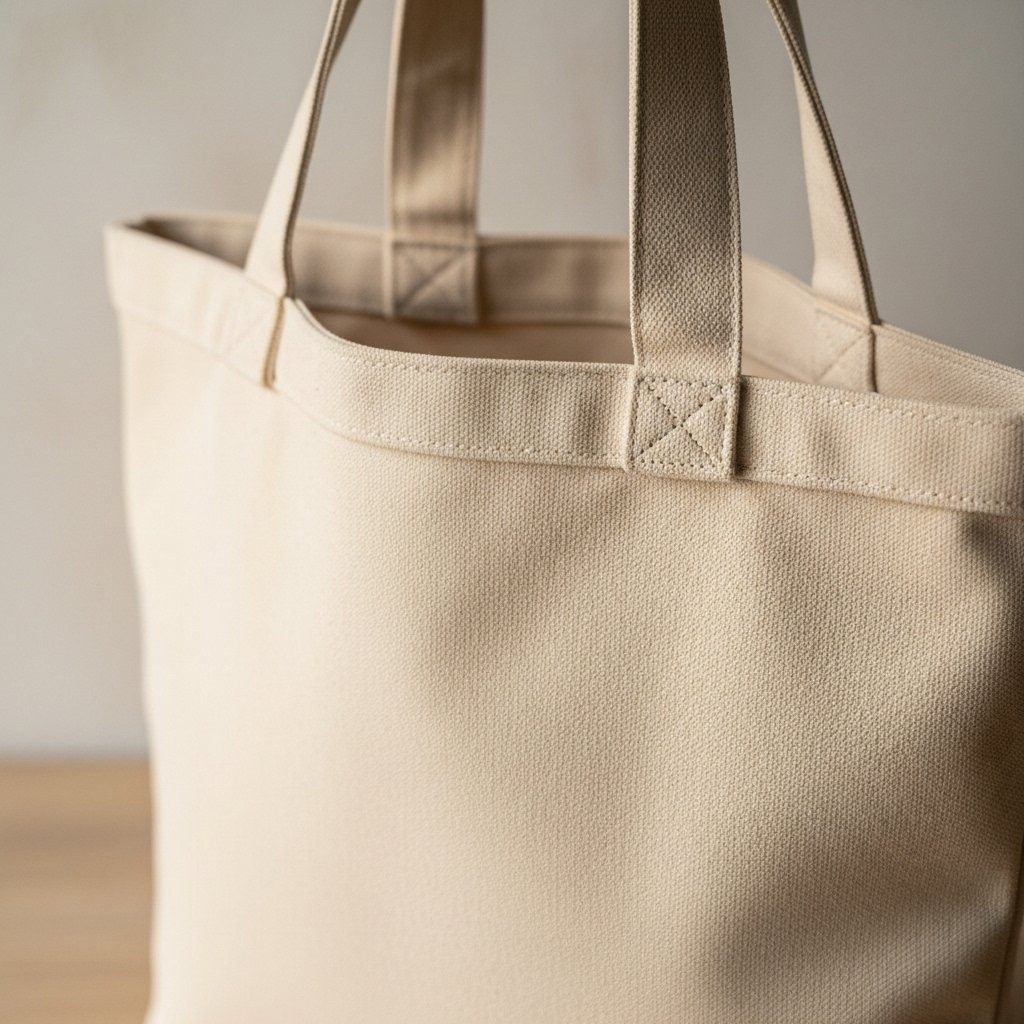
Jute’s coarse weave eats fine detail: line art below roughly 2 mm fills in, halftones posterize, and the honest artwork for jute is bold 1 to 3 color designs, exactly the kind our screen versus digital printing guide assigns to simple screens. Canvas prints fine at 0.5 mm line widths, accepts digital photographic work, and takes Pantone spot color predictably, the matching standards in our color specification guide. Finishing follows the same split: jute frays hard at cut edges and needs fully bound seams, while canvas can be turned and topstitched cleanly, the seam-side trade-offs being the territory of our sewing thread guide. Lamination, covered below, buys back some of that precision at 8 to 12 percent cost for programs that need jute economics and finer artwork together.
Humidity, storage and the mildew line
Jute absorbs 12 to 17 percent moisture at ambient warehouse humidity against cotton’s 8 to 10 percent, and past roughly 75 percent relative humidity untreated jute can mildew in storage. Container shipping from jute-producing regions therefore carries desiccant and ventilation discipline that canvas shipments treat as optional. Programs storing bags for a season, holiday retail, event series, should either spec a moisture-resistant jute finish or accept the storage plan as part of the material decision. Practical discipline is cheap: pallets stacked off the floor by 10 centimeters, container desiccant at 1 to 2 kilograms per 20-foot box, and a 3-dollar hygrometer holding the warehouse at 60 percent or below catch problems before the carton does.
Laminated jute: the middle path
Lamination closes part of jute’s print gap. A 15 to 25 gsm PP or LDPE coating fills the coarse weave enough to carry line art near 1 mm, lifts water resistance above canvas levels, and adds 8 to 12 percent to bag cost, roughly 0.10 to 0.25 dollars at tote scale. The coating costs the eco-story something: laminated jute is no longer cleanly biodegradable, so programs marketing on compostability should stay unlaminated and print bolder artwork instead. Laminated jute earns its keep in wet-market grocery and heavy-duty retail, where the bag must survive 30 to 50 reuse cycles in damp conditions, the niche our grocery range specs for.
Frequently asked questions
Is jute cheaper than canvas for tote bags?
Typically 20 to 35 percent cheaper per comparable tote at order time; the gap narrows once bound seams and moisture handling are priced in.
Which material holds more weight?
Cotton canvas at 270 to 540 gsm holds 15 to 20 kg standard, past 25 with reinforcement; jute holds 10 to 15 kg on coarse stiffness.
Can jute bags print fine logos?
Not well; line art under about 2 mm fills into the coarse weave, so jute artwork works best as bold 1 to 3 color designs.
Do jute bags mildew in storage?
Untreated jute can mildew past roughly 75 percent relative humidity, so seasonal storage needs desiccant, ventilation or a treated finish.
Match the material to the program, not the trend
Jute serves rustic eco-retail, event giveaways and price-sensitive bulk programs; canvas serves brand retail, fine print work and multi-year reuse programs. Both ranges run through our canvas tote page and grocery bag page, with material recommendations per artwork at quotation. Both fibers quote against current harvest prices on request, and swatch sets ship in 5 to 7 working days.
Color-coded fabric bags can rework a sorting line; our uniform rental color-coded bag case study shows how one rental service measured the gain.
For more detail, see our Handle Webbing 101.
Related: how fabric stiffness interacts with a gusseted or flat bottom build
Related reading: Canvas Tote Weight Explained: What 8oz, 12oz and 16oz Mean for Durability



0 Comments