Skip to content

Why Bedding Needs “Breathable” but Sealed Protection
Choosing the right storage for hotel bedding is critical for protecting valuable assets from moisture, pests, and damage. Low-quality bags with weak zippers frequently fail, leading to costly re-laundering, inventory loss, and disruptions for housekeeping teams.
This guide covers proper sizing for king comforters, the importance of zipper strength, and when to use vacuum vs. non-vacuum bags for down. We’ll help you select durable, cost-effective solutions to preserve your linen inventory.

Why Bedding Needs “Breathable” but Sealed Protection
Bedding needs ‘breathable’ yet sealed protection to solve two key problems at once: guest comfort and asset hygiene. Breathable materials prevent heat and moisture buildup for better sleep, while a sealed design creates an impermeable barrier against spills, allergens, and pests, extending mattress life.
The Role of Breathability in Guest Comfort
Guest satisfaction often comes down to the quality of their sleep. Traditional waterproof protectors can actively work against a restful night. They are typically made from plastic or PVC, which creates a few major problems:
- ❌ They trap body heat and moisture, leading to a hot and sweaty sleeping surface.
- ❌ The plastic material often makes a crinkling sound with every movement.
- ❌ Poor airflow can lead to a stuffy and uncomfortable environment.
Modern fabrics like TENCEL™, bamboo, and cotton terry solve this by allowing air to circulate freely. They wick moisture away from the body, helping regulate temperature for a cooler, drier sleep. This improved hygiene is vital, as research shows 1 in 5 travelers report allergies that can be triggered by dust mites and other contaminants trapped in bedding.
How Sealed Encasements Protect Your Assets
While breathability handles comfort, a fully sealed encasement handles protection. Unlike a simple mattress pad, a zippered encasement creates a complete six-sided barrier. This design is the most effective way to safeguard your mattress investment.
A sealed protector offers several layers of defense:
- ✅ Allergen & Pest Barrier: It completely locks out dust mites, bed bugs, bacteria, and other common allergens from infesting the mattress. This physical barrier is a reliable, pesticide-free approach to pest management.
- ✅ Waterproof Seal: The encasement provides 100% protection against spills and stains. This is critical, since liquid damage is one of the main reasons mattress warranties are voided.
- ✅ Durability: By preventing liquids and contaminants from penetrating the mattress core, you prevent the premature breakdown of foams and fabrics, keeping the mattress in service longer.
The Financial Case for Dual-Function Protectors
Investing in high-quality, dual-function protectors delivers a clear and significant return. The primary benefit is delaying major capital expenditures by extending the life of your mattresses from the typical 5–7 years to 8–10 years.
The numbers show a compelling financial argument:
- 🚀 Reduced Replacement Costs: Hotels using quality waterproof protectors have reported up to a 40% reduction in how often they need to replace mattresses.
- ⚠️ Pest Outbreak Prevention: A single bed bug incident can cost thousands in extermination fees, require you to discard soft goods, and result in lost revenue from out-of-service rooms—not to mention the severe damage to your hotel’s reputation.
- 💡 Warranty Protection: A simple spill can void a warranty that costs hundreds or thousands of dollars. An encasement is an inexpensive insurance policy against this common risk.
Sizing Guide: Which Bag Fits a King Comforter?
Quick Answer: A storage bag for a king-size comforter needs minimum dimensions of 26-34 inches in length, 14-24 inches in width, and 10-11 inches in depth. Breathable materials like cotton or canvas are essential to prevent moisture buildup and protect the bedding during storage.
Recommended Dimensions for King Comforter Bags
To properly store a king-size comforter without causing damage from over-compression, the bag must be large enough to accommodate its bulk. Based on professional-grade products, look for bags with dimensions in the following range:
- ✅ Length: 26–34 inches
- ✅ Width: 14–24 inches
- ✅ Depth: 10–11.5 inches
A more generously sized bag, like the 34″ x 14″ x 10″ DOWNLITE® model, provides ample room for fluffy down comforters. Other standard-fit options, such as the 26″ x 20″ x 11.5″ bag from Organic Cotton Mart, are also specifically designed for king or queen duvets.
Material Matters: Why Breathable Fabric Is Non-Negotiable
The material of your storage bag is just as important as its size, especially for protecting valuable bedding assets in a hotel. Plastic bags or bins trap moisture, creating a breeding ground for mold and mildew that can ruin expensive comforters.
Always choose breathable fabrics to ensure proper air circulation during seasonal storage.
- ✅ Recommended: 100% cotton or heavy-duty canvas. These materials allow air to pass through, keeping the comforter fresh and dry.
- ❌ Avoid: Plastic or vinyl. These non-porous materials trap humidity and can lead to musty odors or permanent fabric damage.
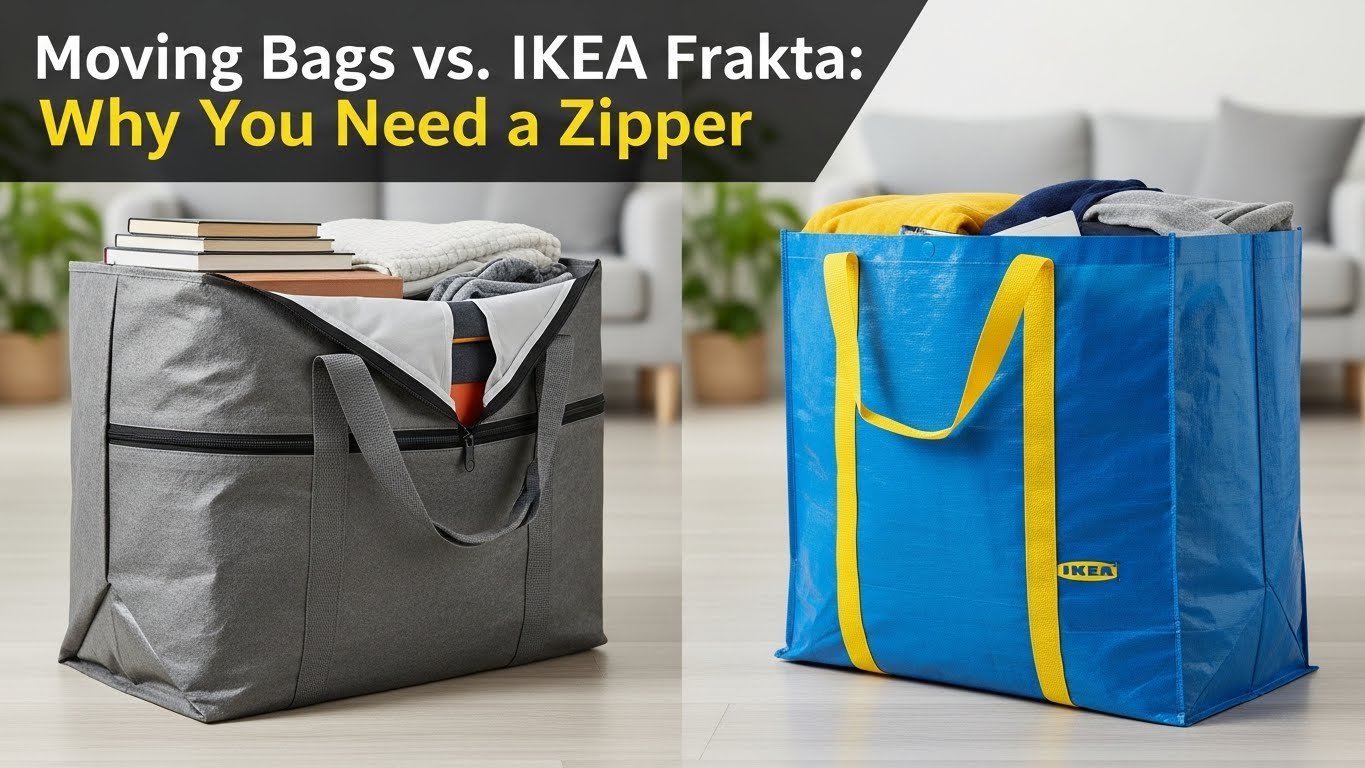
In a commercial environment, durability is key. Look for canvas construction with reinforced handles and heavy-duty zippers that can withstand frequent handling and stacking by housekeeping staff.
Key Storage Protocols for Housekeeping Teams
Implementing a few simple best practices ensures that comforters remain clean, fresh, and ready for guests. Follow these steps to protect your inventory.
- Confirm Complete Dryness: ⚠️ This is the most critical step. Never store a comforter that is even slightly damp. Ensure every item is 100% dry from the laundry process before it enters a storage bag to prevent mildew growth.
- Check for Protective Features: Some high-quality bags offer built-in resistance to dust mites and bed bugs. Using these aligns with hotel sanitation standards and adds an extra layer of protection for your assets.
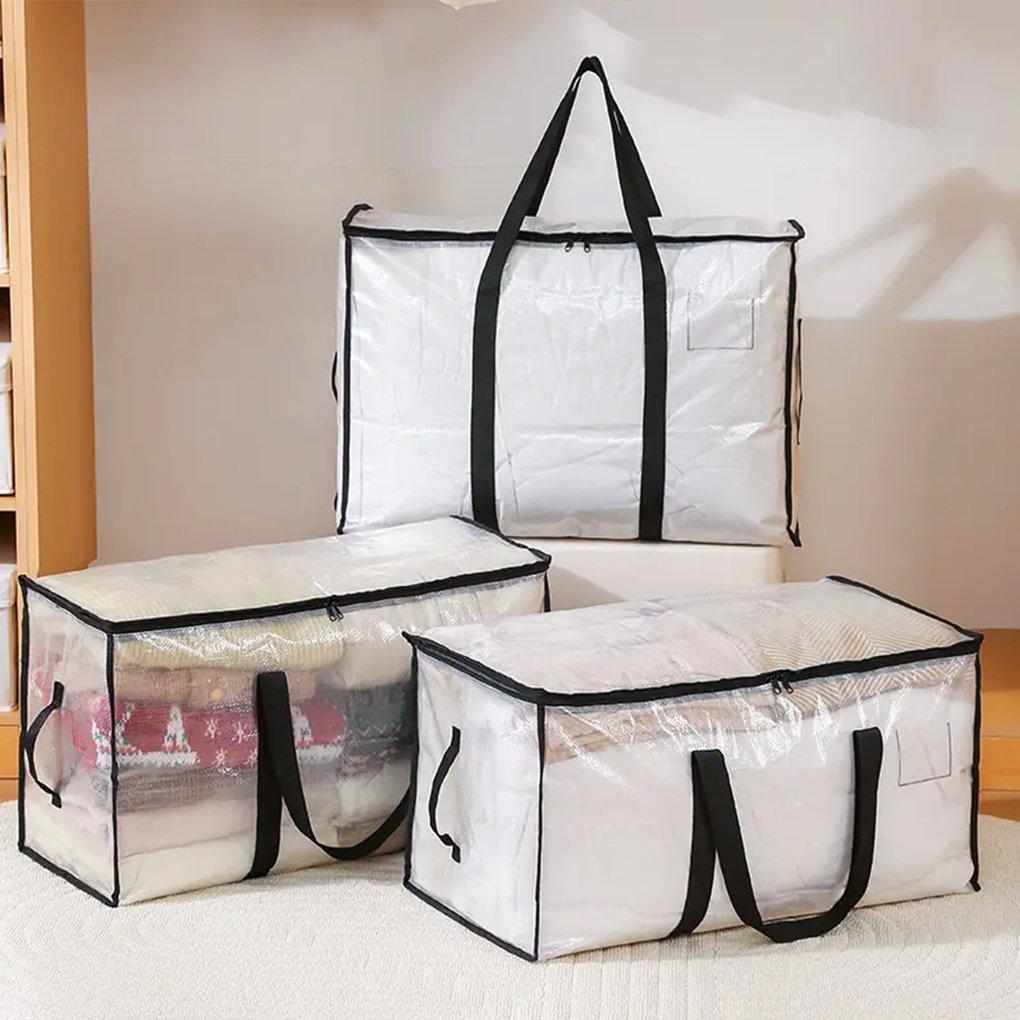
- Use Bags Designed for Transport: Select storage bags with strong, reinforced handles. Commercial bedding is heavy, and bags must be suitable for repeated transport and stacking in storage closets without tearing or handle failure.
Handle Design: Carrying Bulky Linens Safely
Effective handle design on linen trolleys is critical for safely moving bulky linens. Key features include ergonomic grips to reduce staff strain, strategic positioning for clear operator vision, and integration with a sturdy frame to support loads up to 150 kg, ensuring both safety and efficiency.
Ergonomic Design for Operator Safety
Moving heavy loads of sheets and towels day after day can lead to physical strain. That’s why linen trolley handles are engineered with ergonomics in mind, minimizing the physical effort needed to push, pull, and steer. The shape and grip are designed for comfortable, secure contact.
Beyond comfort, handle positioning is a crucial safety factor. The handles are placed to give operators a clear and unobstructed line of sight. This helps staff navigate busy hotel corridors, spot potential obstacles, and move with confidence, preventing accidents and improving overall workflow.
Integration with Frame and Load Capacity
A handle is only as strong as the frame it’s attached to. In professional housekeeping, trolleys must manage significant weight. The entire system—handles and frame—is designed to support typical linen load capacities of up to 150 kg without fail.
This strength comes from smart integration. The handles are securely connected to sturdy steel or aluminum frames that distribute the load’s weight evenly across the entire structure. This engineering prevents two common points of failure:
- ✅ Tipping: An even weight distribution maintains a low center of gravity, keeping the trolley stable.
- ✅ Structural Collapse: A robust frame prevents buckling or bending under a full, heavy load.
Mobility and Control: Wheels and Brakes
Smooth and controlled movement is just as important as structural strength. The handle provides the steering input, but the wheels and brakes do the work. High-quality linen trolleys use specific components to ensure quiet, predictable mobility.
- 💡 Quiet Operation: Most feature quiet ball-bearing wheels, like 6″ non-marking casters, that roll smoothly over different floor types without disturbing guests.
- 🚀 Effortless Steering: A combination of 2 fixed and 2 swivel castors offers the perfect balance. The fixed wheels provide stability for long, straight pushes down hallways, while the swivel wheels allow for sharp turns and easy maneuvering in tight spaces like elevators or supply closets.
- ⚠️ Secure Parking: Brake mechanisms on at least two wheels are essential. They lock the trolley in place, preventing it from rolling away on slopes or when being loaded and unloaded.
Complementary Load Containment Features
Even with perfect handles and wheels, a trolley is ineffective if linens can spill out. The handle design works together with several containment features to keep bulky items secure during transport.
These features help organize different types of linens and ensure everything stays within the cart’s perimeter, even when moving quickly or navigating corners. Common solutions include:
- Mesh Sides: These provide a barrier that contains linens while allowing for ventilation and visibility.
- Built-in Compartments: Separate sections help organize clean and soiled items or different types of bedding.
- Enclosure Tubes: Some models use strategically spaced tubes to create a full cage, fully containing even the most bulky comforters and pillows.
Source Custom-Branded Bags Built for Heavy-Duty Use
Our wholesale moving bags are engineered for commercial applications, featuring reinforced handles that reliably hold 20–25 kg loads. We offer full OEM/ODM support with custom logos, materials, and colors. Validate your design with a free, professional digital mockup delivered within 12 hours.


Vacuum vs. Non-Vacuum: Which is Better for Down?
💡 For down bedding, non-vacuum storage in breathable bags is the superior choice for preserving long-term quality and loft. While vacuum sealing saves 50-80% of space, it can permanently damage the down’s structure. If you must use vacuum bags, use them only for temporary storage and leave some air inside the bag.
Non-Vacuum Storage: The Standard for Preserving Quality
For premium down duvets and pillows, non-vacuum storage is the best practice. This method protects the natural loft and elasticity of the down clusters, preventing the compression damage that often occurs with vacuum sealing. It allows the natural materials to breathe, which is critical for preserving their delicate structure and thermal properties over time.
In our experience manufacturing storage solutions, using sturdy, breathable bags made from materials like non-woven fabric provides the ideal environment. It protects bedding from dust and moisture while ensuring proper air circulation, maintaining the investment for the long term.
Vacuum Sealing: A Trade-Off Between Space and Risk
Vacuum sealing is tempting for facilities with limited storage. It can reduce the volume of bulky bedding by 50-80%, a significant space-saving advantage. This method can be a practical solution for short-term or seasonal storage when space is the primary concern.
⚠️ The trade-off is the high risk of permanent damage. Excessive or prolonged compression can crush the delicate down clusters, causing them to lose their ability to trap air. This permanently reduces the item’s fluffiness and insulating power. If you have to use this method, never remove all the air; leaving a partial cushion protects the feathers from being completely flattened.
Decision Matrix: When to Use Each Method
| Factor | Non-Vacuum Storage | Vacuum Sealing |
|---|---|---|
| Best For | ✅ Long-term preservation of quality and loft. | ⚠️ Temporary, space-critical storage. |
| Space Savings | Minimal. Focus is on protection, not compression. | 🚀 High (50-80% volume reduction). |
| Risk to Down | ✅ Low. Preserves the natural structure of the down. | ❌ High, especially if fully compressed or stored long-term. |
| Key Requirement | Durable and breathable storage bags. | Partial air retention inside the bag to prevent crushing. |

Wholesale Options for Hotel & Airbnb Linen Storage
Wholesale linen storage for hotels and Airbnbs combines bulk purchasing of bed, bath, and table linens with specialized storage systems to manage inventory. This strategy significantly reduces costs, extends linen lifespan through proper rotation, and ensures operational efficiency for hospitality businesses of any size.
The Business Case for Bulk Linen Purchasing
Buying linens in bulk is a core strategy for managing operational costs in the hospitality industry. Sourcing directly from wholesale suppliers provides significant cost savings compared to retail prices, directly impacting the bottom line. This approach isn’t just for large hotel chains; small B&Bs and independent Airbnb hosts also benefit from the improved economics.
A well-stocked linen closet enables proper inventory rotation. Giving cotton linens a “rest” between uses and washes extends their lifespan, preventing premature wear and tear. Bulk purchasing also streamlines procurement, freeing up managers from the cycle of frequent, small-batch reordering and simplifying budget management.
Modern Storage Systems for Hospitality Linens
Effective linen management relies on the right storage infrastructure. While stationary chrome wire shelving and rolling carts are common, many housekeeping departments now use a combination of rigid and flexible systems to improve organization and protection.
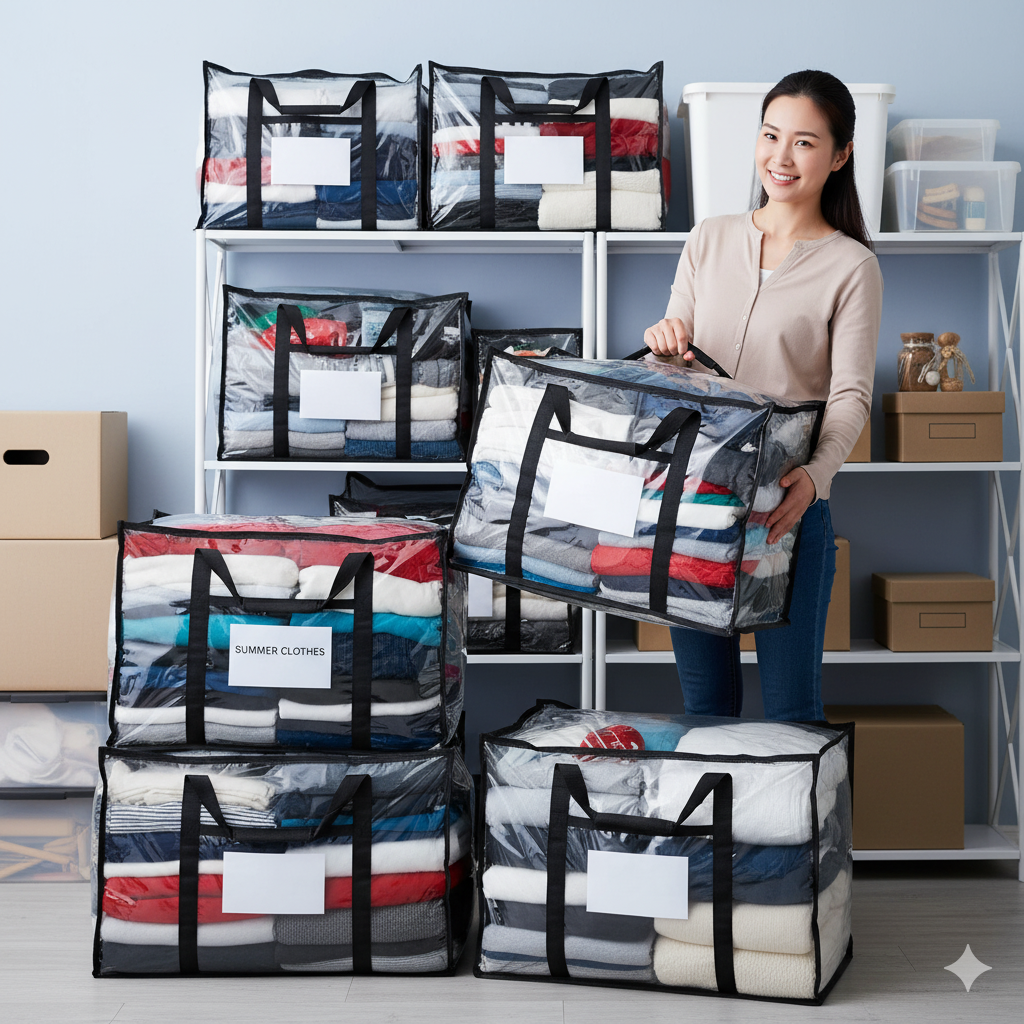
In our experience, heavy-duty fabric storage bags provide a highly efficient solution. Unlike open shelving, they protect expensive linens from dust, moisture, and pests during storage. Their design offers several practical advantages for busy housekeeping teams:
- ✅ Optimized Space: Sturdy, box-like bags stack perfectly on shelves or carts, eliminating wasted space and preventing linens from toppling over.
- ✅ Quick Identification: Bags with clear panels allow staff to see contents at a glance, speeding up the process of grabbing the right size sheets or towels.
- ✅ Ergonomic Handling: Reinforced side handles and shoulder straps make it easier and safer for staff to transport linens through narrow corridors or up flights of stairs.
- ✅ Custom Sizing: We can manufacture bags to exact dimensions, ensuring a perfect fit for unconventional items like bulky duvets, pillows, or non-standard table linens.
Key Selection Criteria for Durability and Efficiency
When selecting wholesale linens, durability and ease of care are just as important as guest comfort. Focusing on a few key criteria ensures you invest in products built for commercial demands.
First, consider the material standard. For bedding and towels, 100% cotton is the preferred choice because it can withstand the frequent, high-temperature washing required for sanitization without fraying or degrading quickly. Next is color. White remains the industry standard for a simple reason: it visually signals cleanliness to guests, matches any room decor, and allows for bleaching to remove tough stains without causing discoloration.
Finally, look at the thread count options. Reputable suppliers offer a range to help you balance budget constraints with guest expectations. A moderate thread count often provides the best blend of softness and long-term durability for a commercial environment.
Frequently Asked Questions
What are the best storage bags for comforters?
The best storage bag depends on the comforter’s material. Here’s a quick guide:
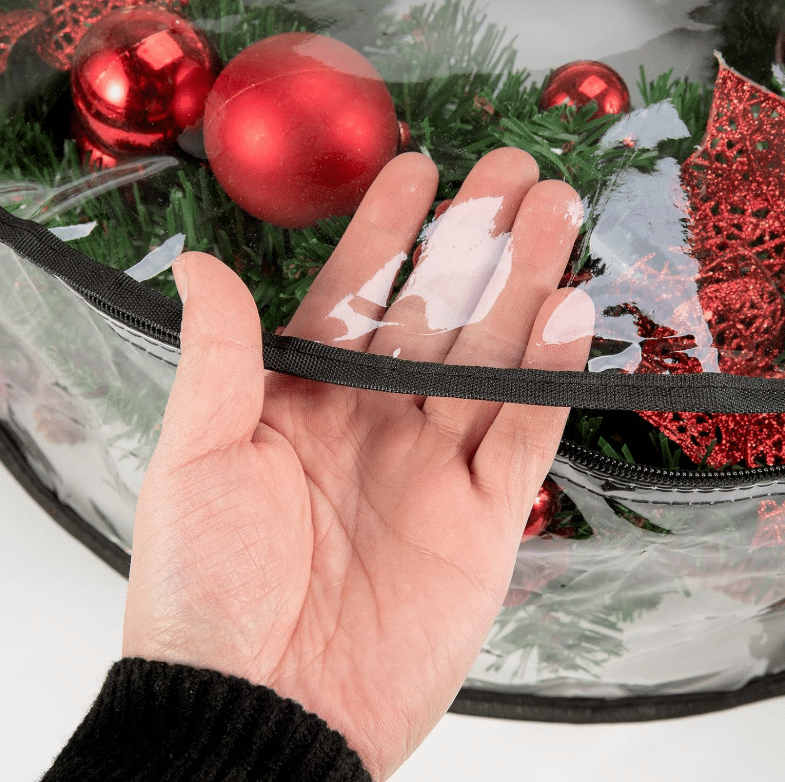
- ✅ For synthetic comforters: Clear vinyl bags with rust-proof zippers are a great choice. They are durable and let you see what’s inside without opening the bag.
- ✅ For natural fibers (down, wool): Always use breathable cotton or canvas bags. These allow air to circulate, preventing mold, mildew, and musty smells.
- ⚠️ For space-saving: Vacuum-sealed bags work well for synthetic items but can damage the loft and structure of natural fibers if used for long-term storage.
How should down comforters be stored?
Properly storing a down comforter protects its insulating properties. Follow these steps:
- Use Breathable Bags: Store the comforter in a cotton or linen bag. ❌ Never use plastic, as it traps moisture and can lead to mildew.
- Ensure It’s Dry: Make sure the comforter is completely clean and dry before you store it.
- Avoid Compression: Store it in a cool, dry place with enough room to remain fluffy. Long-term compression or vacuum sealing can permanently damage the down clusters and reduce their loft.
Are there large clear bags suitable for pillows?
Yes, large clear bags are widely used in the hotel industry for pillow storage. These bags are typically made from heavy-duty polyethylene or vinyl to protect pillows from dust and moisture.
The clear design helps housekeeping staff quickly identify the contents, which improves operational efficiency. A standard commercial-grade pillow bag measures around 53 x 71 cm (21 x 28 inches), fitting most standard pillows.
Can you store linens in plastic bags?
❌ No, you should not use plastic bags for long-term linen storage. Plastic is not breathable and traps moisture, creating an environment where mold and mildew can grow, leading to yellowing and musty odors.
Better alternatives include breathable containers made from cotton, muslin, or non-woven fabric bags, as they allow for proper airflow. For professional storage environments, maintaining a humidity level between 50%-65% is key to preventing moisture-related damage.
Where can hotels buy bedding storage bags?
Hotels can purchase commercial-grade bedding storage bags in bulk from specialized hospitality suppliers. These suppliers offer products designed for the demands of the hotel industry.
💡 Notable suppliers include:
- AGH Supply
- American Hotel Register
- Bargoose Bedding
These companies provide bags in various materials (vinyl, non-woven fabric), sizes, and features like reinforced handles and rust-proof zippers. Many also offer free shipping for bulk orders that meet a minimum value, like $199.
How do you keep linens fresh in storage?
Keeping linens fresh during storage requires a few key steps:
- Start Clean and Dry: Always wash and thoroughly dry all linens before storing them to prevent mildew and odors from setting in.
- Control the Environment: Store them in a cool, dark, and well-ventilated space. Ideal conditions are humidity below 50% and temperatures under 20°C (68°F).
- Allow Linens to Breathe: After washing and drying, let the linens rest on a shelf for at least 24 hours before packing them away. This process, known as “resting,” helps fibers relax and increases their lifespan.
Final Thoughts
Protecting your hotel’s bedding inventory goes beyond simple storage. The right solution depends on choosing bags with specific features—breathable fabric for delicate down, precise sizing to avoid compression, and commercial-grade zippers and handles that prevent costly failures. These details directly impact the lifespan and quality of your comforters, pillows, and linens, preventing damage from moisture and physical stress.
Investing in durable, purpose-built storage helps housekeeping teams streamline workflows and reduce the operational costs of re-laundering damaged goods. A well-organized system protects your assets from pests and wear, ensuring every guest room is consistently supplied with high-quality bedding. Selecting a supplier who understands these commercial demands is key to implementing an effective and long-lasting linen management strategy.