



Retail bag demand is a calendar, and the calendar has hard deadlines. Q4 holiday retail, back-to-school, spring promotions and the moving season each pull specific bag categories at specific times, and every one of those demand waves must be produced and shipped before it arrives. The factories that serve retail brands feel these waves first: production lines fill up months ahead of peak, and the buyers who order on time get capacity while the buyers who order late get queues. This guide maps the holiday demand cycle from the factory floor and shows when to commit orders for each retail season.
The retail bag calendar and its lead-time mirror
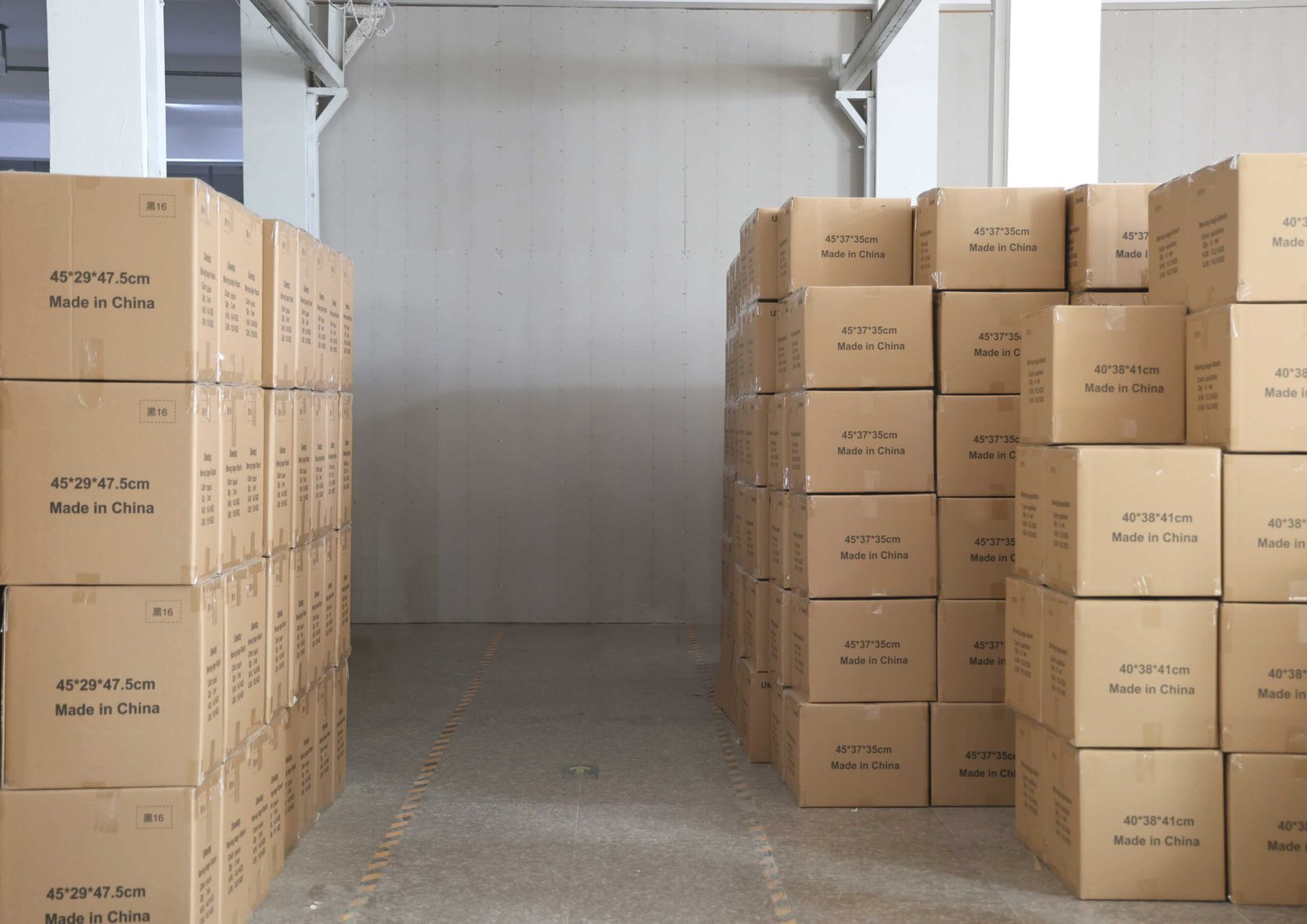
The demand side is familiar: holiday shopping in Q4 is the retail year’s peak, back-to-school runs mid-summer, spring promotions follow inventory resets, and the professional moving season concentrates in the warmer months — the demand data behind the moving category is compiled in our moving industry demand analysis for bag suppliers. The supply side is the mirror: each demand wave requires production and ocean transit before it, so factory calendars fill in a corresponding wave. Q4 retail programs are typically committed in late spring and early summer; the full picture with month-by-month deadlines is in our bag import peak season calendar. The design calendar runs even further ahead — seasonal artwork and colorways are locked before production slots are even booked, the sequencing we describe in the seasonal design calendar for retail bags.
What “filling up” looks like inside a factory
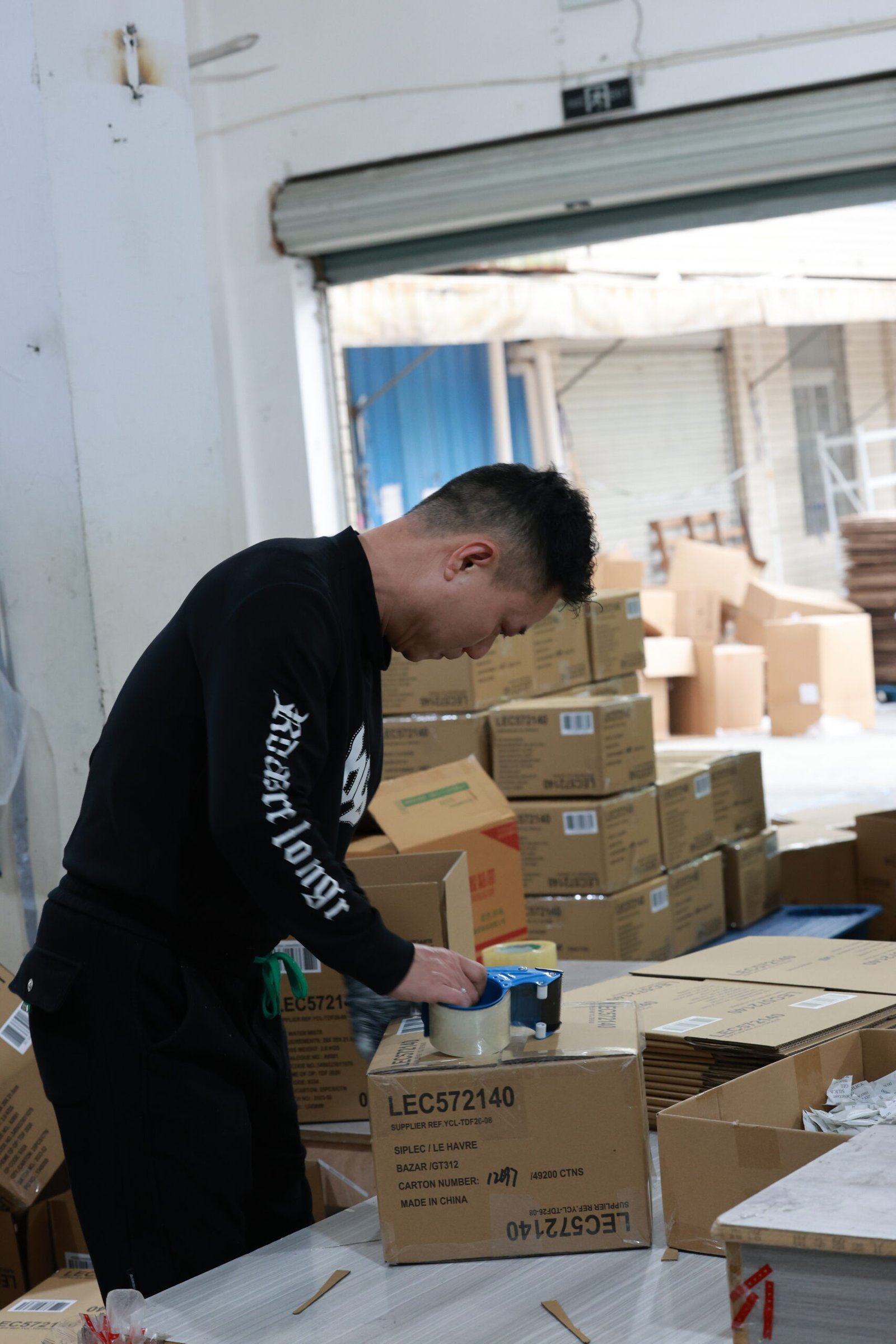
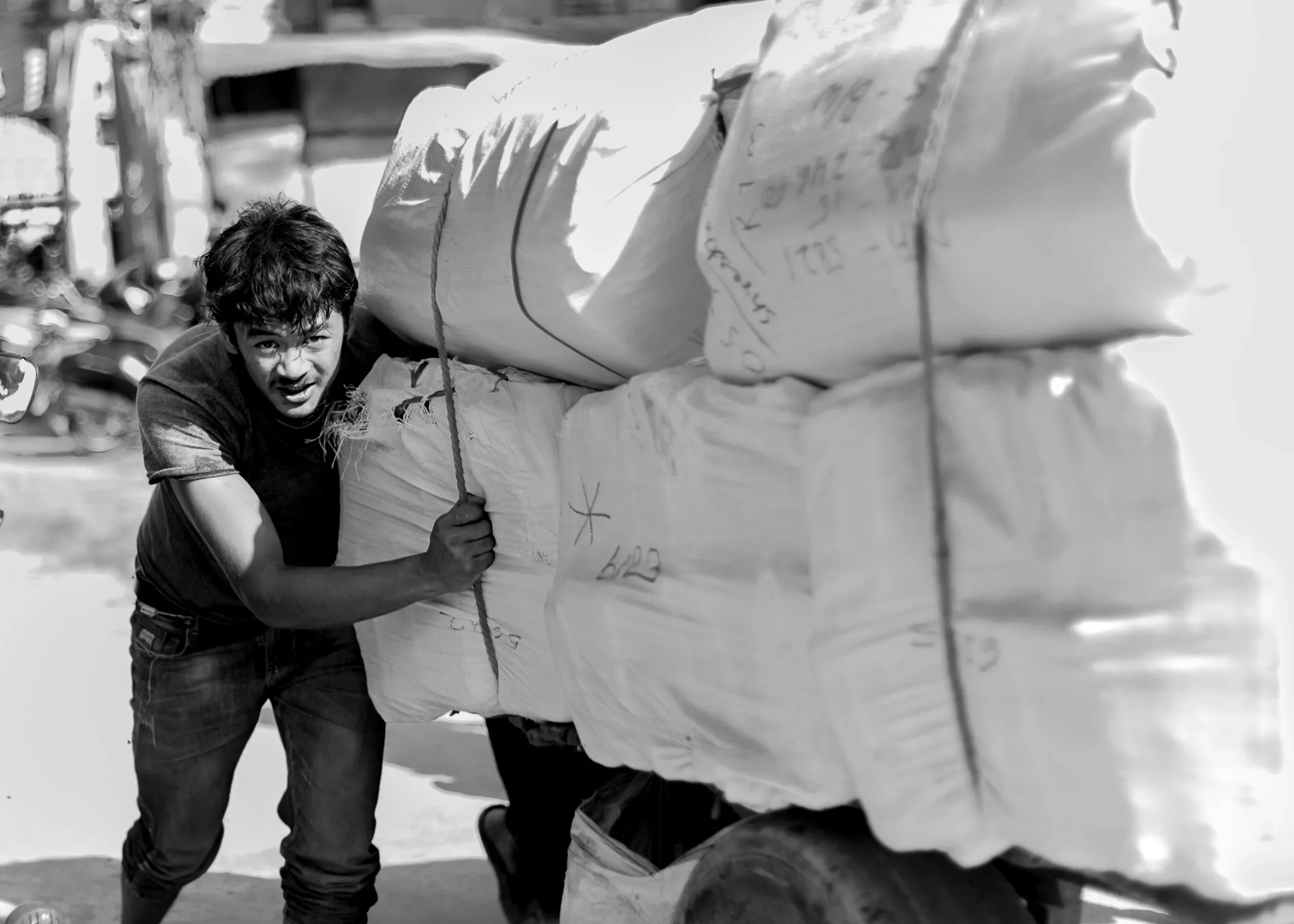
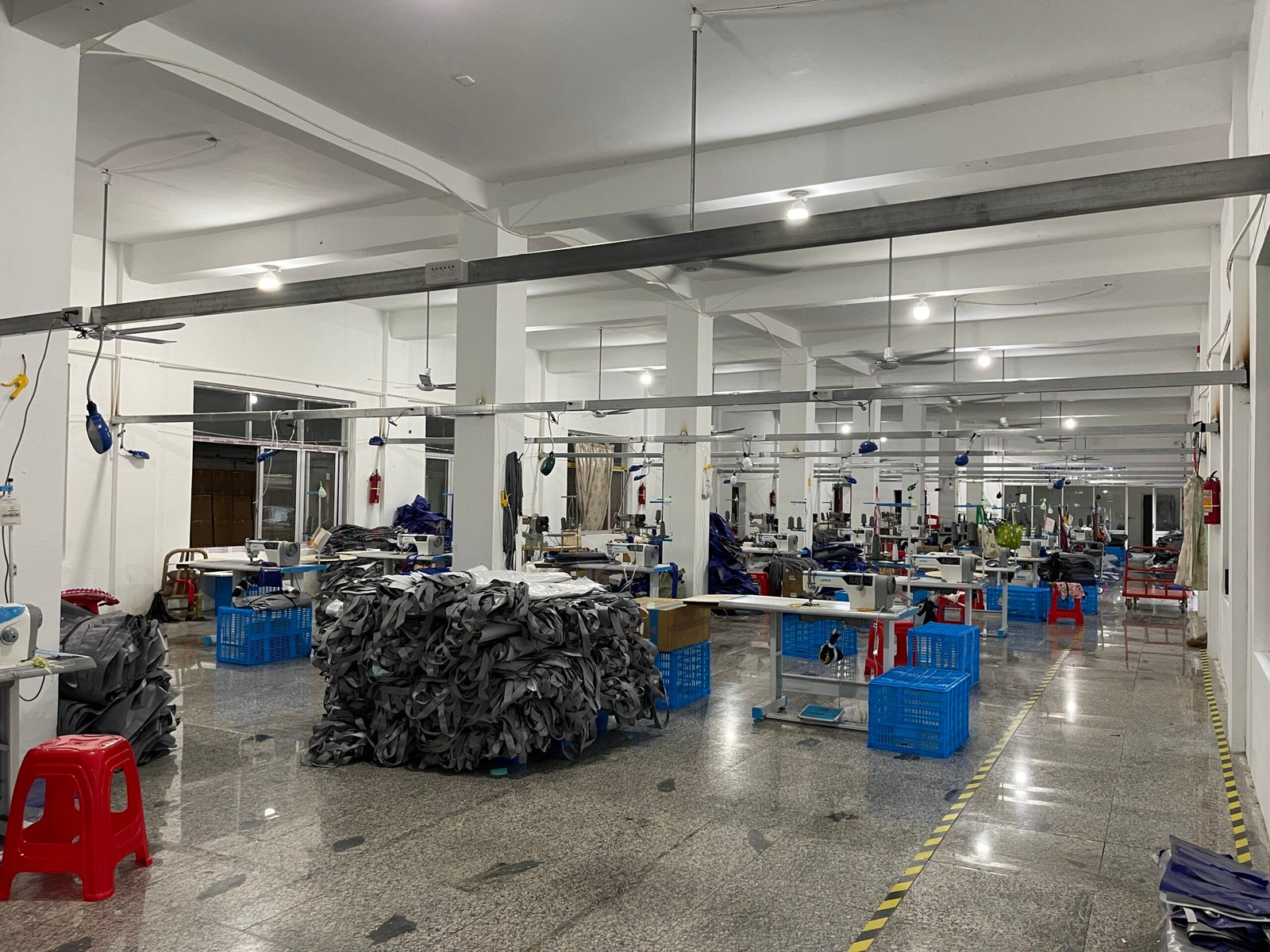
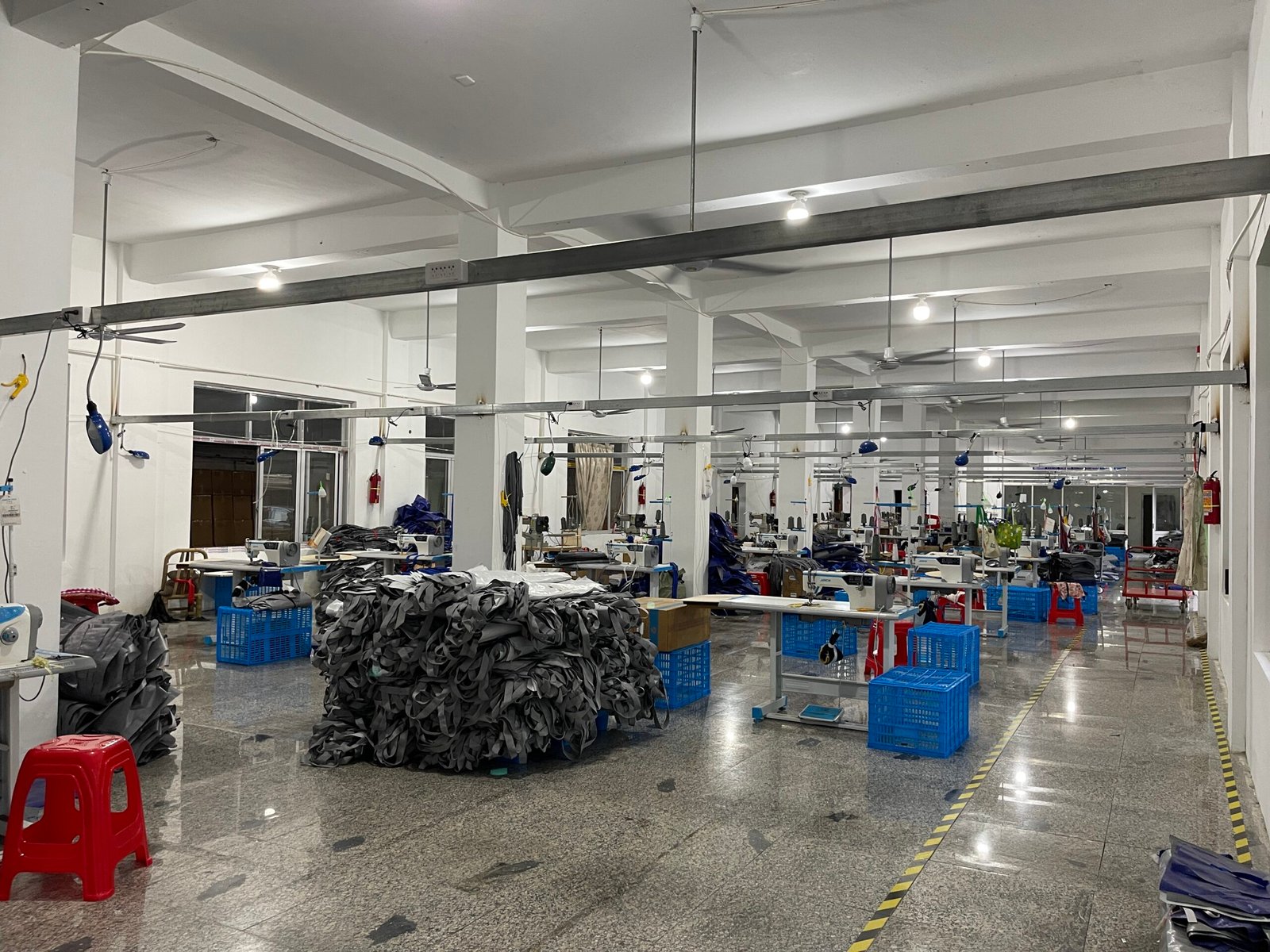
From the factory floor, peak season arrives as a scheduling compression. Standard bag lines run in larger, longer batches because everyone wants delivery in the same window; custom print programs queue behind them because artwork approval and sampling add their own lead time before production even starts. Slot scarcity is the mechanism: a production line has finite weeks between order confirmation and the shipping deadline, and every buyer who confirms early occupies one. Late orders face three outcomes, all expensive — queued production that misses the vessel, expedited freight that erases margin, or air freight that triples it. The buyers who fare best treat capacity like inventory: they book it early, they book the right amount — sized on sell-through percentages, not instinct — and they accept that the seasonal window is fixed. The order-timing logic for each retail season, with the seasonal SKU planning that goes with it, is laid out in the seasonal order calendar for retail bags and the moving-supply channel analysis in moving supplies channel data.
Committing orders for each season
The working rule: commit orders one full production-plus-transit cycle ahead of the demand wave — for ocean-freight programs from our production base, that generally means placing seasonal orders 3 to 5 months before the goods must land — a commitment window our logistics and moving solutions programs plan against with buyers every season. Three practices make the rule work. Lock designs at the start of the cycle, because artwork iteration is the most common self-inflicted delay. Build the seasonal order from last season’s sell-through data rather than optimism, the forecasting discipline that applies to bag programs of every category. And keep a reorder path open for the in-season surprise — factory-held materials and bookable slots for a second run, the reorder structures that separate suppliers built for retail programs from job shops. Seasonal retail demand itself follows documented consumer patterns tracked by the US Census Bureau’s retail statistics program, whose monthly data anchors most seasonal planning.
Video: seasonal bag production
Holiday demand cycles are supply-chain deadlines wearing a retail costume. The factory fills months before the shelf does, and the buyers who thrive are the ones who commit a full cycle ahead, lock designs early, size orders on sell-through data and keep a reorder path open. The seasonal calendar is not a constraint on retail bag programs — it is the program.

0 Comments