
Most heavy-duty moving bags on Amazon look the same, making it difficult to judge real-world quality. Many popular options are private label products with nearly identical designs, but their long-term durability depends on manufacturing details that are rarely advertised.
This guide compares top brands, highlights handle stitching as the most common failure point, and shows how to spot a private label reseller vs. a real factory. Use these insights to find a bag that’s actually built to last.
The Amazon Best Sellers List: 2026 Edition
The 2026 Amazon Best Sellers List shows consistent demand in Beauty & Personal Care, Home & Kitchen, and electronics. Top products are often smart home devices and accessories, with an optimal price point of $25-$75 for high-volume sales and average profit margins of 25-35%.
| Analysis Area | Key Findings & Data Points | Strategic Insight for Sellers |
|---|---|---|
| Dominant Product Categories |
|
Competition is intense in these categories. A smart approach is to sell accessories for proven best-sellers like the Echo Dot or Fire TV Stick, capitalizing on their massive install base. |
| Key Financial Benchmarks |
|
Use these metrics as a baseline. If your product falls outside this price range, ensure your marketing clearly justifies the value. Model your business costs against the 25-35% margin to ensure viability. |
| Emerging Trends & Opportunities |
|
To succeed in a saturated market like Home & Kitchen, deep niching is essential. Instead of selling generic storage bins, a seller can partner with a specialized manufacturer to offer custom, heavy-duty moving bags designed for professional movers or branded organizer bags for apparel companies. This creates a distinct, high-value product that stands out from the competition. |

TICONN vs. VENO vs. IKEA: Head-to-Head
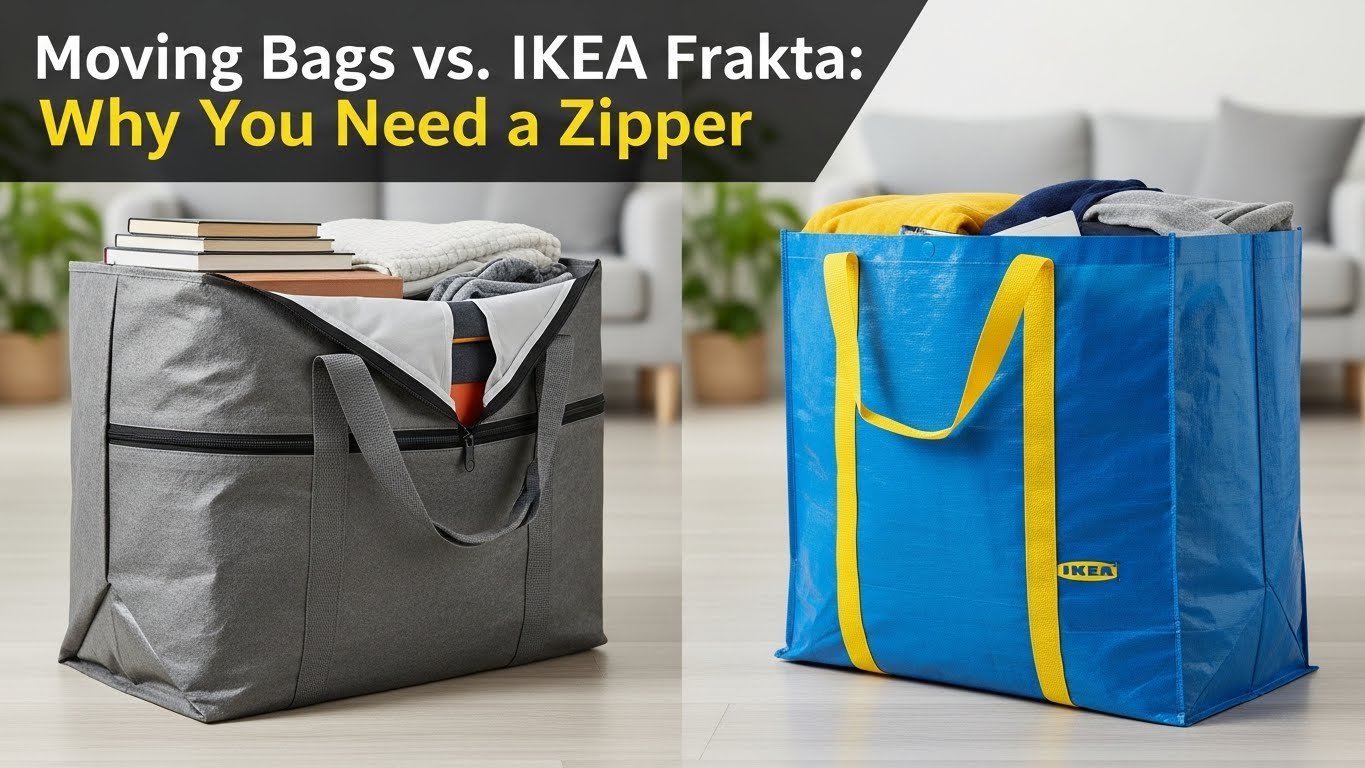
Quick Answer: Veno and TICONN offer heavy-duty, reusable moving bags as modern alternatives to cardboard boxes. Veno stands out for its large capacity and excellent consumer ratings, while TICONN focuses on durability with fully reinforced straps. Both are ideal for moving non-fragile items but are not suitable for breakables that require rigid protection.
Feature & Specification Breakdown
When choosing a moving bag, the specifications directly impact how much you can carry and how well the bag will hold up. Veno, TICONN, and the classic IKEA bag serve different consumer needs, from heavy-duty moving to basic transport.
| Feature | Veno Moving Bags | TICONN Moving Bags | IKEA Frakta Bag |
|---|---|---|---|
| Dimensions | 29″ W x 13″ H x 14″ D | 26¾” W x 15″ H x 12½” D | 21¾” W x 14½” H x 7″ D |
| Stated Capacity | 50 lbs | Heavy-Duty (Not specified) | 55 lbs |
| Material | Thick Woven Polypropylene | Thick, Tarp-like Woven Fabric | 100% Polypropylene |
| Key Design Feature | Zipper extends down the side | Reinforced straps run under the bag | Iconic, open-top design |
Design, Durability & Ideal Use Cases
The biggest design difference lies in handle reinforcement. TICONN’s straps run down the sides and across the bottom of the bag, providing superior load support and reducing the risk of tearing under heavy strain. This is a feature commonly found in professional-grade bags designed for repeated commercial use.
Veno’s design prioritizes ease of use, with a zipper that extends partly down the side, creating a wider opening for packing bulky items. Both brands offer secure zipper closures, a significant upgrade over the open-top IKEA bag. However, their flexibility is also their main limitation.
- ✅ Excellent For: Transporting clothes, bedding, linens, books, shoes, and non-fragile kitchenware. Their soft sides allow them to fit easily into car trunks and closets.
- ❌ Not Suitable For: Fragile items like glassware, dishes, or electronics. The lack of rigid walls offers no protection against impacts. For these items, traditional cardboard boxes are still the best choice.
Market Reputation & Customer Feedback
Consumer data shows a clear preference for these upgraded moving totes over basic options. Veno has established a strong market presence, backed by a 4.8-star average rating from over 18,000 Amazon reviews, with customers frequently praising its size and strength.
TICONN is positioned as a direct, heavy-duty competitor, and its focus on reinforced construction appeals to users looking for maximum long-term durability. While the IKEA bag remains a universally recognized icon for its low cost and simplicity, it serves as a baseline. Both Veno and TICONN offer features—like zippers and more robust handles—that address the common shortcomings of the original blue bag, making them a popular choice for serious moving and storage tasks.

The “Thickness Lie”: Why Specs Matter More Than Brand
Mattress thickness is often a misleading marketing metric. While most quality mattresses are 8-14 inches thick, actual performance depends on the material composition and layer structure, not total height. A well-designed mattress with a proper comfort layer and support core will outperform a thicker, poorly constructed one.
Why Total Thickness Can Be a Misleading Metric
In the B2B marketplace, it’s easy to assume a thicker product is a better one. Most quality mattresses fall within an 8-14 inch range, yet performance and durability can vary dramatically within that same bracket. The total height measurement often hides what’s really going on inside.
The core issue is the lack of industry-wide regulations. This allows some brands to inflate height with low-density “filler” foams that offer little support or longevity. In our experience manufacturing technical goods, we see a similar pattern: a large storage bag made of flimsy material will fail under load, while a smaller bag with reinforced stitching and heavy-duty fabric will perform reliably. The same principle applies here.
- ❌ Filler Materials: A 14-inch mattress built with low-quality foams will compress and sag faster than a well-engineered 10-inch mattress using high-density components.
- ⚠️ Marketing vs. Reality: With no standardized measurement rules, brands can market products with nearly identical builds under different height claims.
The Anatomy of a Quality Mattress: Key Layer Specs
To evaluate a mattress properly, you need to look past the total height and analyze its two most critical components: the comfort layer and the support core. These two layers determine over 90% of a mattress’s feel, durability, and value.
A mattress that fails to meet the minimum specifications for these layers is a poor investment, regardless of its overall thickness.
- ✅ Comfort Layer: This top section provides pressure relief and initial softness. It requires at least 2-3 inches of high-quality memory foam, latex, or a comparable material.
- ✅ Support Core: This is the foundation of the mattress, providing structural integrity and preventing sag. It must be a minimum of 5-6 inches of high-density polyfoam or a robust spring system.
A well-built 10-inch model that meets these minimums (e.g., 3 inches of comfort foam + 7 inches of core foam) will deliver far better long-term performance than a 12-inch mattress with only 1.5 inches of comfort material and a flimsy core.
How to Read a Spec Sheet for B2B Evaluation
When comparing products for your inventory, ignore the flashy marketing claims about total height. Instead, focus on the technical data sheet to make an informed decision that protects your customers and your reputation. Here’s what to look for:
- 💡 Prioritize Layer Specs: Look for the specific thickness and material grade of each individual layer. The sum of the layers should equal the total height. If it doesn’t, that’s a red flag.
- 💡 Compare Component to Component: When evaluating competitor offerings, don’t just compare the 12-inch models. Compare the actual construction—does Brand A’s 12-inch model have a better support core than Brand B’s 10-inch model?
- 💡 Verify the Foundation: Always confirm the mattress has a robust support core of at least 5-6 inches and a sufficient comfort layer of 2-3 inches. This simple check is the fastest way to identify a product built for value and durability.
Get Custom Heavy-Duty Bags Engineered for Your Brand
We build fully customized, tear-resistant bags that showcase your logo and handle 25kg loads with ease. Submit your requirements to receive a free, professional digital mockup in just 12 hours.

Handle Stitching: The Weakest Point of Amazon Bags
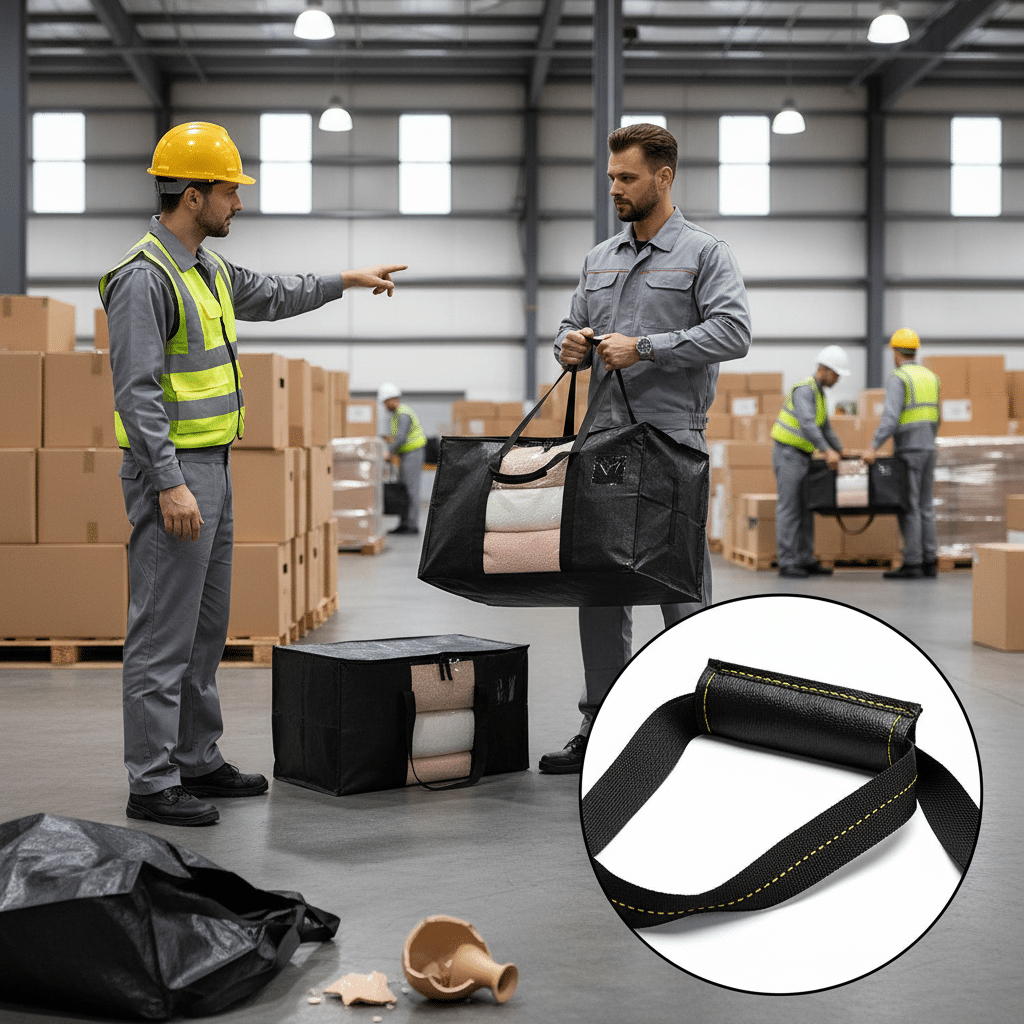
Handle stitching is often a bag’s weakest point because it concentrates the entire weight of the contents onto small, high-stress areas. Failures typically result from low stitch density, poor thread quality, or inadequate reinforcement, leading to tears and detachment under heavy loads.
Defining Weak Stitching in High-Volume Bag Production
In mass manufacturing, speed and cost control often compromise durability. These production shortcuts directly impact the strength of a bag’s handles and are common points of failure.
- ❌ Single Stitching: A single line of stitches creates one point of failure. When that seam breaks, the handle can detach completely.
- ❌ Low Stitch Density: Fewer stitches per inch (SPI) saves thread and time, but it fails to distribute weight effectively. This places high tension on the fabric between each stitch, leading to tearing.
- ❌ Inadequate Thread Quality: Using cheap, low-tensile strength thread means the seams can snap under the sudden force of lifting a heavy bag.
- ❌ Lack of Backtacking: Omitting reinforcement stitches at the beginning and end of a seam is a major shortcut. Without these locking stitches, seams can easily unravel under pressure.
Why Handle Attachments Are a Common Stress Point
The design of a bag inherently creates high-stress zones where the handles meet the body. Understanding these forces explains why even well-made bags can fail if not properly engineered.
- ⚠️ Stress Concentration: The entire weight of the bag’s contents is funneled through four small connection points. This concentration of force puts immense strain on a very small surface area of the fabric.
- ⚠️ Dynamic Loading: A bag is rarely carried with a static, even load. Lifting, swinging, and setting it down creates jolts and sudden shifts in force that are far more damaging than a constant weight.
- ⚠️ Material Fatigue: Over time, the constant pulling and flexing at the attachment points weakens the fabric fibers. This leads to microscopic tears that eventually grow, causing a complete failure.
Specifications for Heavy-Duty Handle Reinforcement
For B2B buyers sourcing durable bags, assessing the handle construction is critical. In our experience manufacturing bags for professional movers and logistics, specific reinforcements make all the difference. Look for these features to ensure reliability.
- ✅ Double-Stitched Webbing: Insist on double stitching or a box-and-cross stitch pattern (“X” stitch) where the handles are attached. This drastically increases tear resistance by distributing the load across more threads.
- ✅ Verified Load Capacity: A reliable bag should have a specified and tested load capacity. For heavy-duty use, a rating of 20–25 kg is a strong benchmark that proves the bag can handle real-world demands.
- ✅ High-Quality Materials: Handles should be made from durable webbing like Polypropylene (PP) or Nylon. These materials resist stretching, fraying, and degradation from moisture or UV light.
- ✅ Structural Reinforcements: Features like piping along the top edges and extra reinforcement panels at handle attachment points help spread the stress across a wider surface area, preventing localized tears.

Why Sourcing Direct Beats Buying on Amazon for Your Business
Sourcing directly from a manufacturer gives your business full control over costs, product quality, and logistics. You bypass the platform fees and rigid structures of marketplaces like Amazon, enabling customized terms, faster turnarounds with domestic partners, and protection against margin compression.
Gain Control Over Pricing and Negotiations
Marketplaces like Amazon function as intermediaries, and their fees directly cut into your profit margins. When you establish a direct relationship with a manufacturer, you remove that costly middle layer and open the door to meaningful negotiations that align with your business goals.
- ✅ Avoid Platform Fees: Dealing directly with the factory means you aren’t paying referral fees or other charges that can claim a significant percentage of your revenue.
- ✅ Negotiate for Better Costs: You can discuss pricing based on volume, materials, and design specifics. This allows for cost management that a standardized platform can’t offer.
- ✅ Secure Flexible Payment Terms: Unlike Amazon’s rigid payment system, direct partnerships often allow for customized payment schedules and financing options tailored to your cash flow needs for bulk orders.
Accelerate Speed-to-Market and Reduce Order Minimums
In a fast-moving market, agility is a key advantage. Relying on overseas suppliers through Amazon can introduce long delays and require massive capital investment. Working with a domestic manufacturing partner shrinks lead times and makes your supply chain more responsive.
- 🚀 Faster Lead Times: Reduce your wait time from a typical 8–12 weeks for overseas shipments to just 2–4 weeks with domestic manufacturing partners. In our experience, mass production can be completed in as little as 12–15 days.
- 💡 Lower Order Minimums: Test new products without committing huge amounts of capital. We offer promotional MOQs starting at 500 pieces, allowing you to validate a product before scaling up.
- ✅ Simplified Logistics: Avoid the complexities of international customs, tariffs, and port delays that create uncertainty in your supply chain.
Enhance Quality Management and Supply Chain Efficiency
Your brand’s reputation depends on the quality of your products. When you buy from anonymous sellers on a marketplace, you lose control over quality assurance. A direct relationship puts you back in charge of the entire process, from design to delivery.
- ✅ Implement Rigorous Quality Control: You can mandate your own QC standards, including factory audits and multi-stage inspections. We support this with our own SGS and amfori BSCI certified processes.
- ✅ Improve Communication and Customization: Work directly with the source to perfect your product’s design, materials, and branding. We provide free mockups in under 12 hours to ensure the final product matches your vision precisely.
- ✅ Optimize Your Logistics: Coordinate production runs and select strategic supplier locations to reduce transportation costs and improve overall supply chain efficiency.

How to Spot a Private Label Brand vs. A Real Factory
💡 A private label brand is a product made by one company but sold under a retailer’s own brand name, making it exclusive to that store. A real factory (or manufacturer) brand is produced and branded by the manufacturing company itself and is sold across many different retailers.
Defining the Core Difference: Branding and Manufacturing
The main difference between a private label brand and a manufacturer brand comes down to who owns and controls the brand identity. One is a branding strategy for a retailer, while the other is the identity of the company that actually makes the product.
- Private Label Brand: A product manufactured by a third party but sold under a retailer’s name. The original factory is invisible to the consumer.
- Manufacturer (Factory) Brand: A product that is both produced and branded by the same company. The factory owns the brand and distributes the product to various retailers.
Essentially, the retailer owns the private label brand, but the factory owns the manufacturer brand.
Key Indicators: How to Tell Them Apart
When you’re shopping, a few clear signs can help you distinguish between a store’s exclusive brand and a product from a dedicated factory. The differences often show up in availability, branding, and price.
| Characteristic | Private Label Brand | Real Factory Brand |
|---|---|---|
| Availability | ❌ Exclusive to a single retailer or its associated stores (e.g., Costco’s Kirkland Signature). | ✅ Available across multiple, unrelated retail chains, both online and in-person. |
| Branding | Features the retailer’s own brand name and logo, which you’ll only see in that specific store. | Displays its own widely recognized logo and brand name, independent of the store selling it. |
| Price Point | Typically priced lower to compete with established brands and drive store loyalty. | Often has a higher price to cover costs like national advertising, research, and development. |
| Comparison Shopping | ❌ Impossible to comparison-shop. The retailer has a monopoly on that specific product. | ✅ Easy to compare prices for the exact same item across different retailers. |
Production, Customization, and Control
Beyond what you see on the shelf, the two models operate very differently behind the scenes. This impacts everything from product design to quality control.
- Production Process: Private labeling usually involves selecting a pre-designed product from a factory’s catalog with minimal changes, like adding a logo. In contrast, a real factory controls the entire production line, from initial research and development to final material specifications and quality checks.
- Ownership and Control: With a private label, the retailer dictates pricing, promotions, and quality standards. For a factory brand, the manufacturer manages its own brand equity, distribution strategy, and long-term product roadmap.
- Market Exclusivity: Retailers create private labels to offer a unique product that competitors can’t carry. This prevents other stores from undercutting them on price for the same item, giving them a competitive edge.

Frequently Asked Questions
What are the best moving bags on Amazon?
The Veno Heavy Duty Extra Large Moving Bags are widely seen as the best option, with over 18,000 Amazon reviews and an average 4.8-star rating. They are known for a durable, reusable design that includes a dual zipper system and multiple carrying options, including backpack-style straps. While excellent for clothes and books, they are not recommended for fragile items like glassware.
Are Ticonn bags any good?
Yes, Ticonn bags are a well-regarded alternative to moving boxes. They are valued for their spacious 24-gallon capacity and durable construction, featuring reinforced handles designed to support loads up to 50 pounds. A minor point noted by some users is the long-term durability of the zippers.
What is the general review of Veno moving bags?
Veno moving bags are highly rated as a practical, sustainable alternative to cardboard boxes for non-fragile items. Their key strengths are a 50-pound weight capacity, flexible sides for oddly-shaped items, and versatile carrying options (backpack or duffle). Their main limitation is that the thin walls offer no protection for fragile goods like dishes or picture frames.
Where can I find heavy-duty moving bags near me?
Heavy-duty moving bags are available at major retailers like Amazon, Walmart, and Home Depot, both online and in-store. Popular brands include Veno, Mainstays, DURASACK, and VELVETSURE. For example, Walmart offers the Mainstays 20-gallon bag, which supports up to 60 pounds, for around $4.92.
Who manufactures Amazon Basics bags?
There is no publicly available, verifiable information that identifies the specific company manufacturing Amazon Basics bags. This type of supply chain information is not typically disclosed on product listing pages.
What is the cheapest place to buy moving bags?
Walmart often has the lowest entry-level prices, with some moving bags starting around $5.22. To get the best value, consider buying in bulk, as a pack of 5-10 bags can significantly reduce the per-unit cost compared to buying individually. Renting bags can also be a cost-effective option if you only need them for a single move.
Final Thoughts
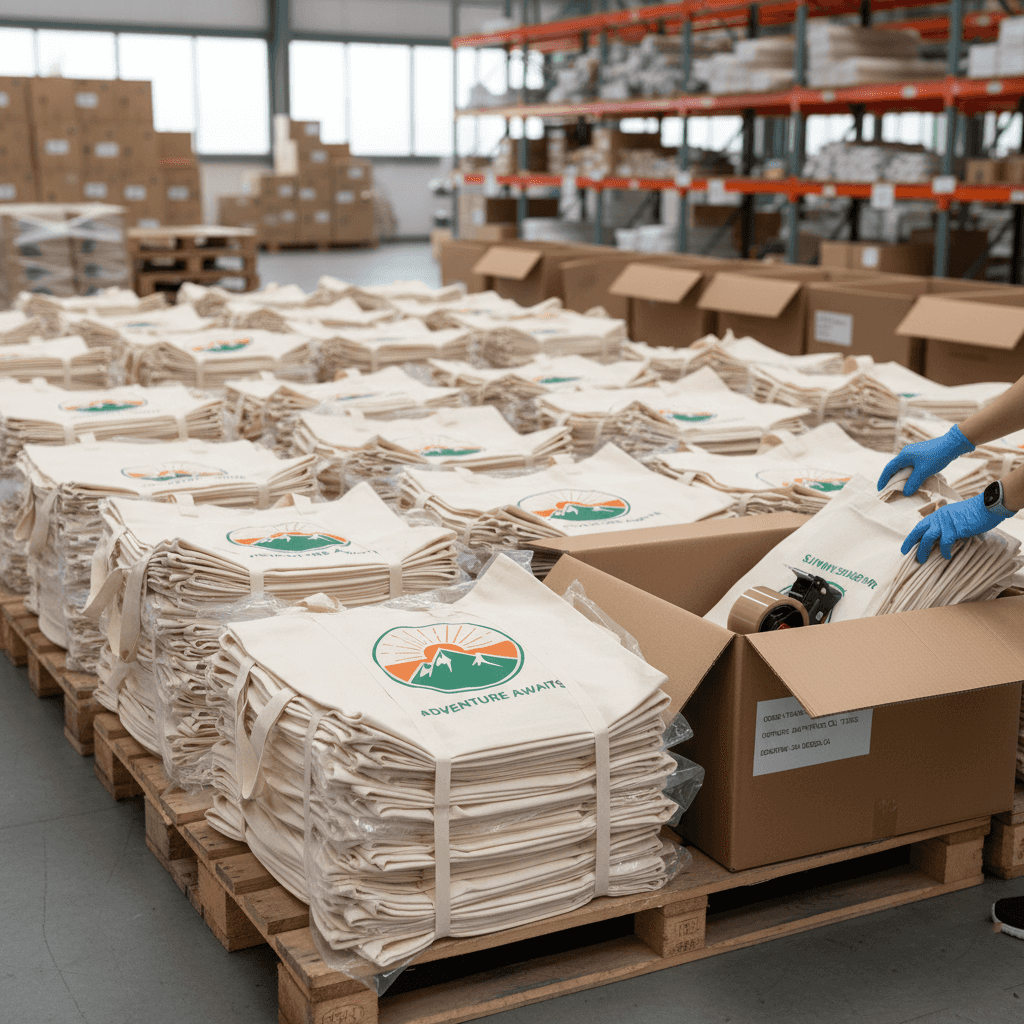
Navigating the heavy-duty bag market on Amazon means looking past popular brand names and focusing on critical engineering details. The single most common failure point is handle stitching, a weakness found even in best-selling products. By prioritizing specifications like double-stitched webbing and reinforced attachment points over simple marketing claims, you can accurately assess a bag’s true durability and long-term value.
For businesses, this knowledge is a competitive advantage. Sourcing products based on manufacturing quality instead of brand hype reduces customer complaints and protects your reputation. Partnering directly with a factory that understands these technical requirements is the most effective way to ensure you receive a product built to withstand real-world use, securing better margins and greater customer loyalty.