



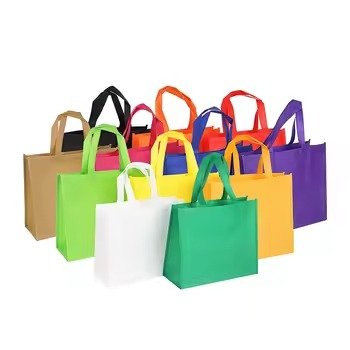
Plastic pollution is a global crisis. Retailers are under pressure to adopt eco-friendly solutions. Sacs en non-tissé1 are stepping in as the new sustainable choice.
Non-woven bags are eco-friendly, reusable, and cost-effective alternatives to single-use plastic bags, making them ideal for retail and daily use.
If you’re sourcing bags or planning promotional products, understanding non-woven bags can give your business an edge.
Why Non-Woven Bags Are Replacing Plastic in Modern Retail?
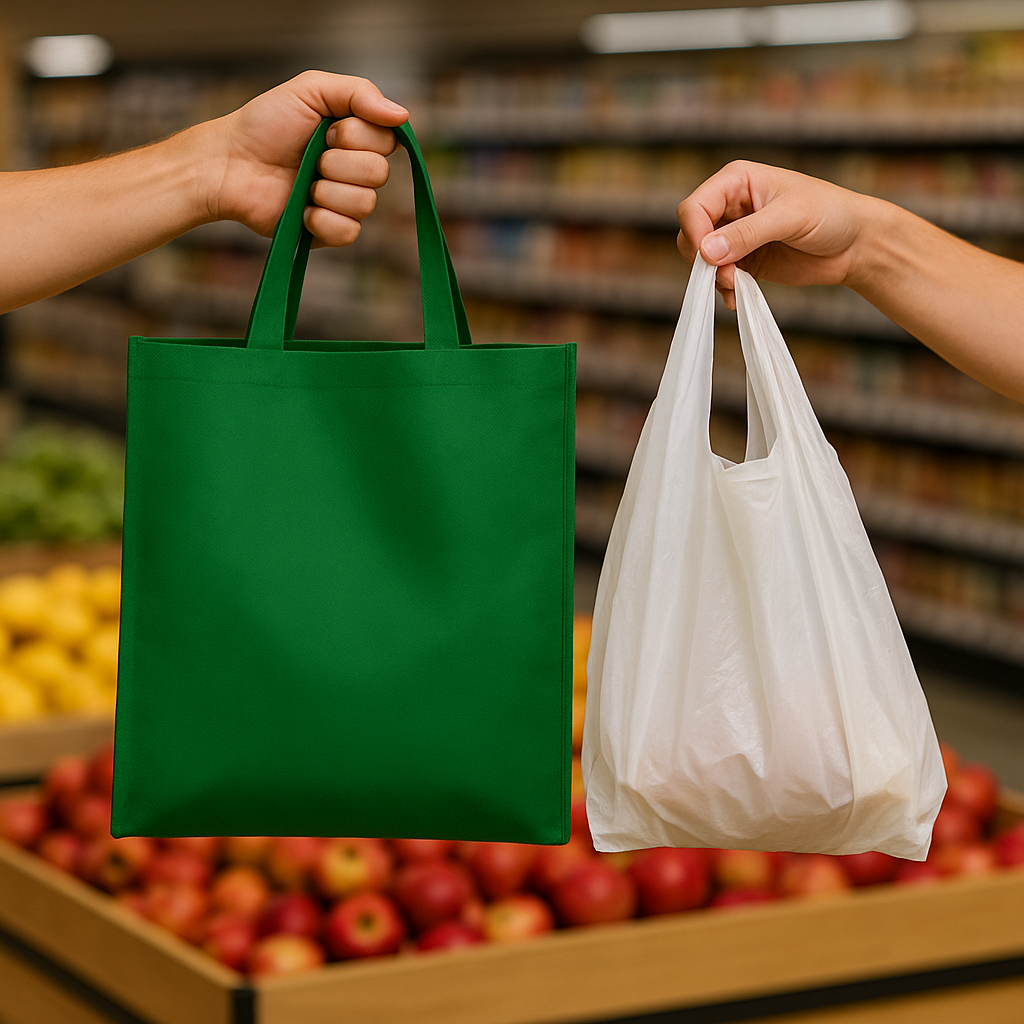
Plastic bans are sweeping across cities, creating demand for reusable options. Non-woven bags are now a go-to solution for stores and shoppers alike.
Retailers prefer non-woven bags due to their customizability and branding value2
What’s Driving Retailers Away from Plastic?
Governments worldwide are enforcing stricter environmental laws, and consumer awareness is growing. Retailers are under pressure to align with these values while managing costs. Non-woven bags present a simple, compliant, and affordable switch from plastic.
They also offer space for printing branding elements, unlike many plastic alternatives, turning a packaging cost into a marketing asset.
| Fonctionnalité | Sacs en plastique | Sacs en non-tissé |
|---|---|---|
| Durabilité | Faible | Haut |
| Réutilisation | Very limited | 50+ utilisations |
| Personnalisable | Minimal | Haut |
| Respect de l'environnement | Pauvre | Bon |
The Environmental Benefits of Using Non-Woven Reusable Bags?
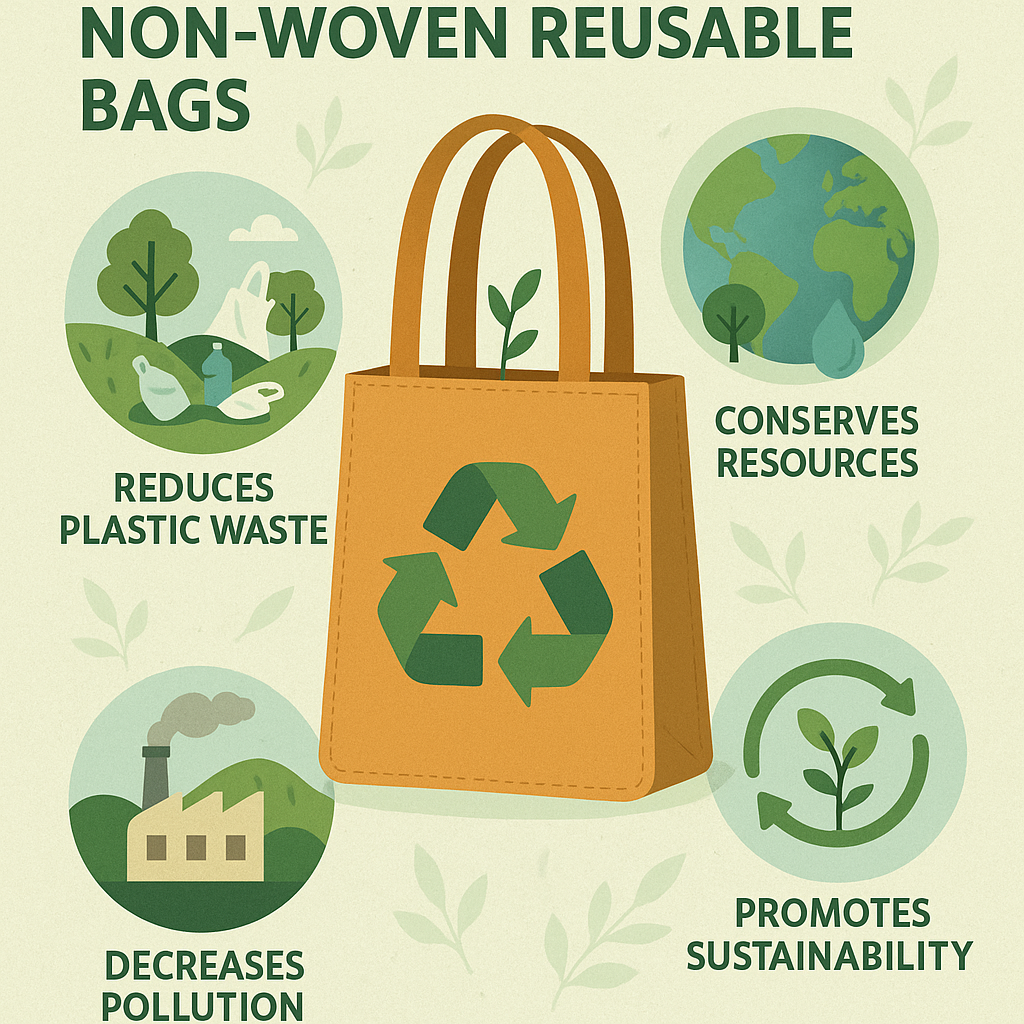
Environmental damage from plastic waste is a global concern. Switching to non-woven bags helps businesses and consumers reduce their ecological footprint.
Non-woven bags reduce waste, require fewer resources to produce
How Do Non-Woven Bags Help the Planet?
Fabriqué à partir de polypropylène (PP)3, these bags require less water, energy, and chemicals to produce. Unlike plastic bags that can take 500 years to decompose, non-woven bags start breaking down in a fraction of that time when discarded properly.
When reused multiple times, they significantly cut down on the number of bags needed, directly reducing the volume of waste generated annually.
| Environmental Metric | Sacs en plastique | Sacs en non-tissé |
|---|---|---|
| Decomposition Time | 500+ years | 5–10 years |
| Water Usage | Haut | Faible |
| CO2 Emissions | Haut | Modéré |
| Recyclabilité | Peu souvent recyclé | Easily recyclable |
How to Customize Non-Woven Bags for Brand Promotion?
Many businesses miss branding opportunities. Non-woven bags offer a mobile advertising platform4 that consumers reuse daily.
Businesses can print logos, slogans, or full-color designs on non-woven bags to boost visibility and brand recall.

What Customization Options Are Available?
From simple one-color logos to complex full-print designs, non-woven bags offer flexibility. You can also choose laminated or matte finishes, add zippers, buttons, or unique die-cut handles. These enhancements increase consumer engagement.
A well-designed bag boosts perceived brand value and creates emotional connections. It becomes more than packaging—it becomes a product consumers are proud to use.
| Option personnalisée | Bénéfice |
|---|---|
| Impression de logos | Increases brand exposure |
| Color Choices | Aligns with brand identity |
| Special Finishes | Enhances perceived value |
| Functional Add-ons | Improves usability |
Non-Woven vs Woven Bags: What’s the Difference?
The terms “woven” and “non-woven” often confuse buyers. But the differences impact cost, durability, and usage.
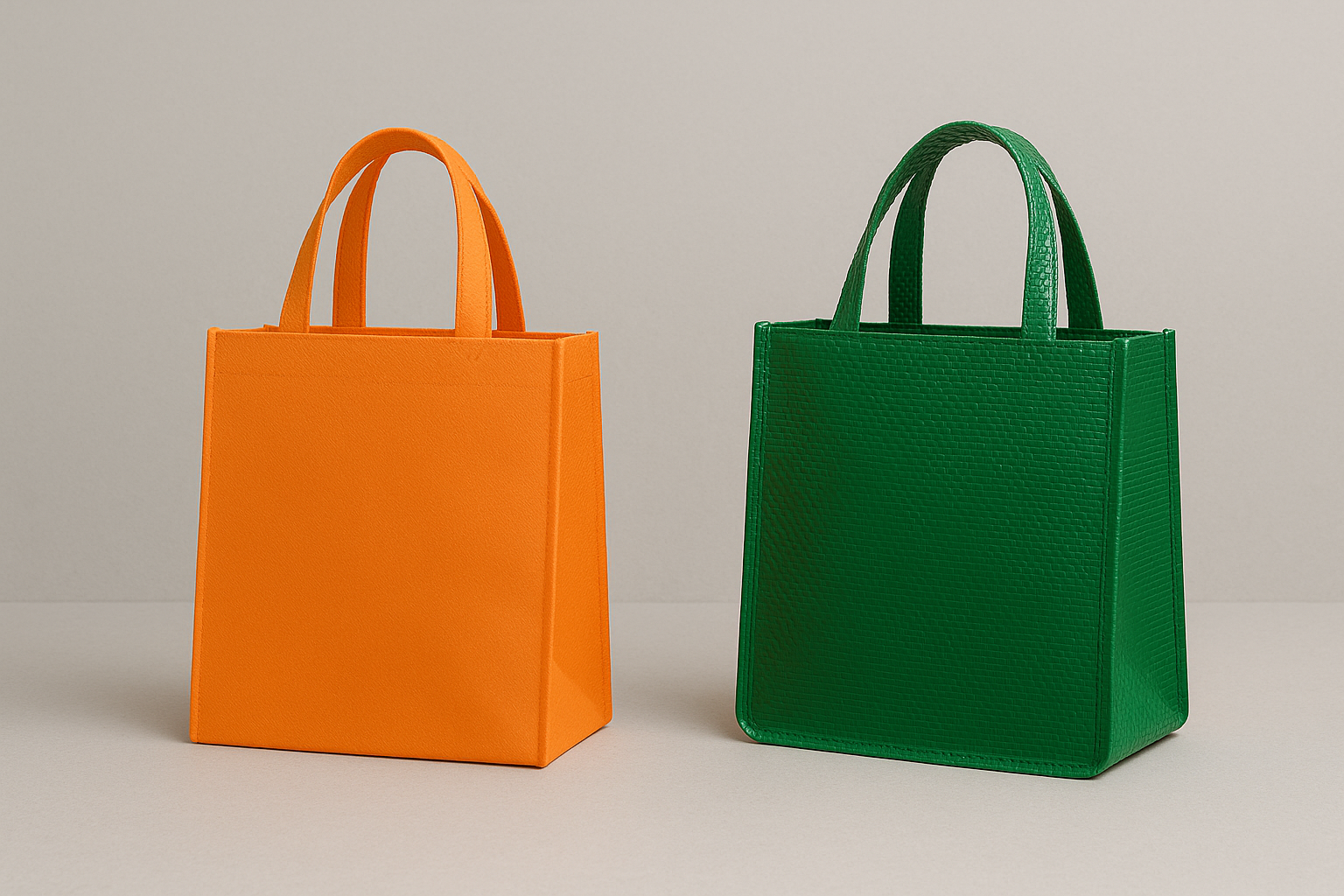
Woven bags are made by weaving fibers, while non-woven bags are bonded by heat or chemicals, making them lighter and more affordable.
Which One Should You Choose?
Non-woven bags are ideal for quick, lightweight purchases and promotional use. Woven bags are more suitable for carrying heavier items. If budget is tight and the application short-term, go non-woven. For frequent and demanding use, woven might be the better investment.
| Type | Production | Coût | Force | Cas d'utilisation |
|---|---|---|---|---|
| Non-tissé | Bonded | Faible | Moyen | Retail, Promotions |
| Woven | Woven threads | Plus élevé | Haut | Grocery, Heavy Use |
Creative Uses for Non-Woven Bags Beyond Shopping?
Many think bags are only for shopping. But non-woven bags are more versatile than most realize.
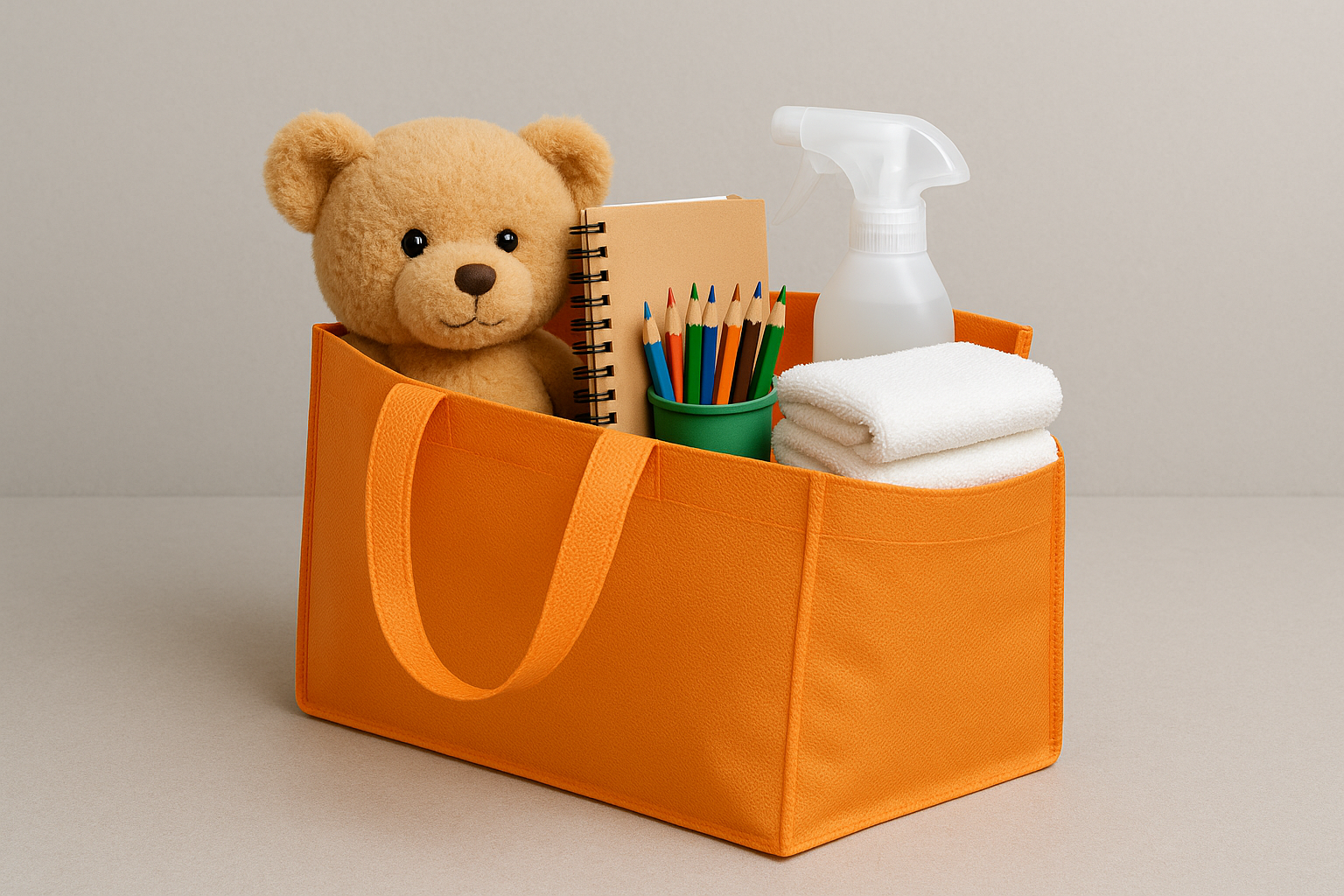
Non-woven bags are used for gift packs, document carriers, event giveaways, and even shoe storage5.
How Can You Use Them Differently?
These bags can be customized into tote bags, school bags, drawstring backpacks, or even cooler bags with insulated linings. Hotels use them for laundry service, events use them as welcome kits, and schools hand them out during orientations.
Their ability to be folded flat, printed attractively, and reused makes them a multipurpose solution across industries.
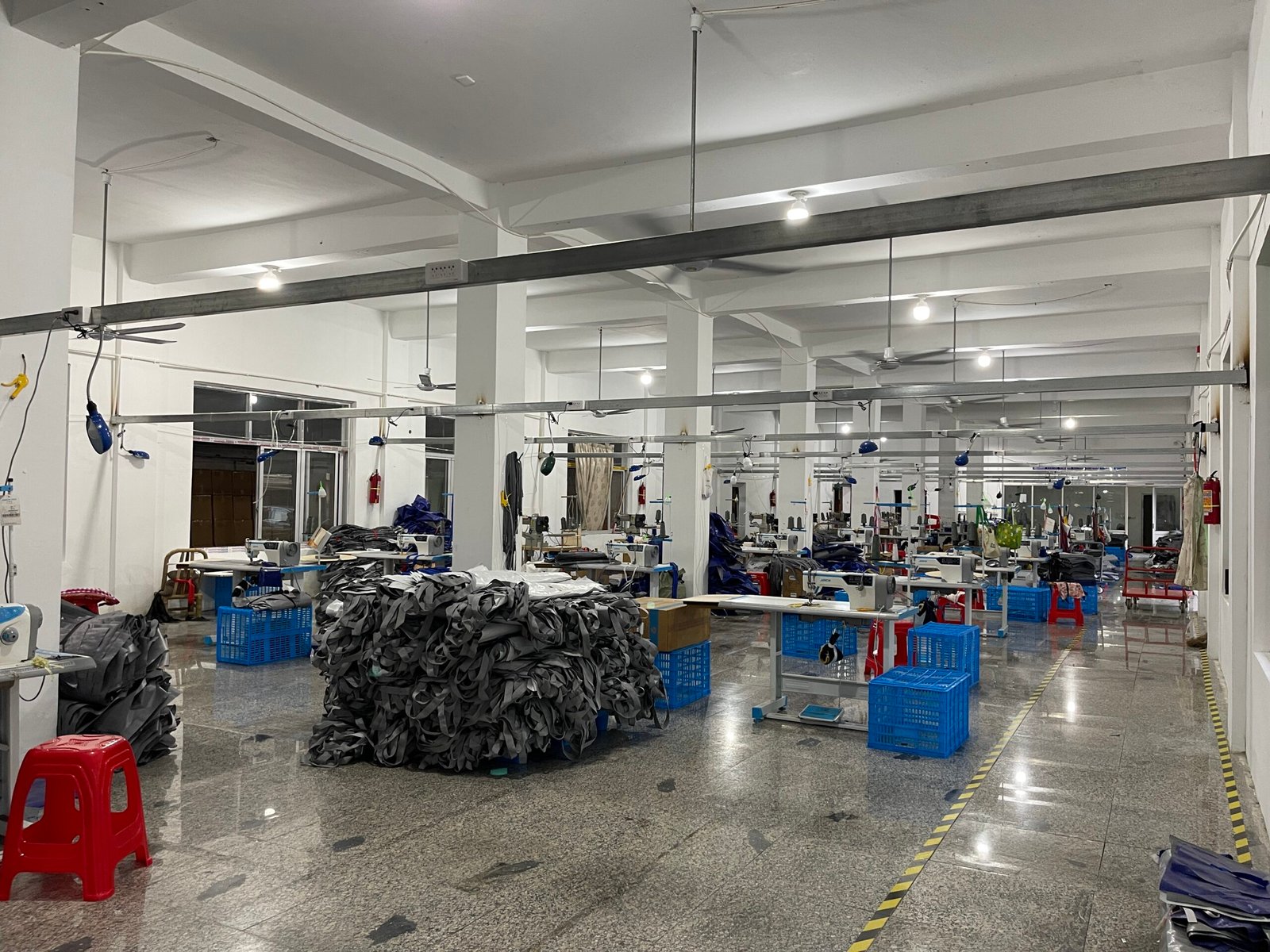
Non-Woven Bag Manufacturing: What You Need to Know?
Understanding the manufacturing process helps ensure quality, especially if you’re sourcing from overseas.
Non-woven bags are made from polypropylene by bonding fibers with heat, requiring minimal water and energy.

What Affects Bag Quality?
Key factors include GSM (grams per square meter), stitching method, handle type, and certifications6. High GSM means more durability. Heat sealing vs. sewn edges impacts strength. Reliable manufacturers offer BSCI, GRS, or REACH certificates for compliance.
| Facteur | Description |
|---|---|
| GSM | Material thickness and durability |
| Handle Style | Shoulder, D-cut, Loop |
| Finition des bords | Heat-sealed or stitched |
| Certifications | Prove safety and compliance |
How Governments Worldwide Are Encouraging Non-Woven Bag Usage?
Government policies are changing how people shop. Non-woven bags are often incentivized or mandated.
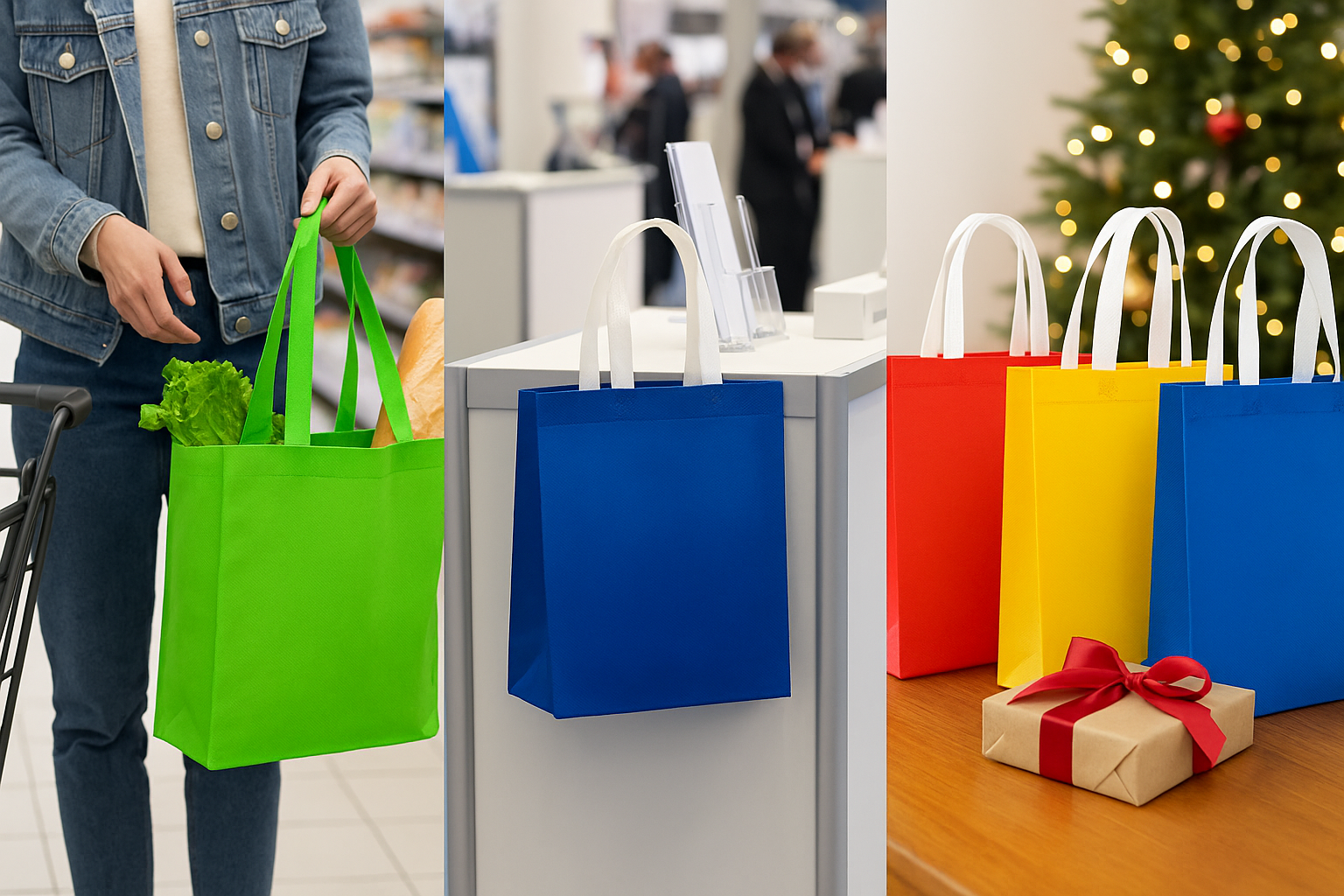
Many countries have banned single-use plastic bags, encouraging businesses to offer reusable options like non-woven bags.
Examples of Global Support
In the EU, plastic bags are taxed or banned. China promotes recyclable and reusable packaging. Kenya imposes heavy fines on plastic usage. Retailers in these regions must adapt, making non-woven bags a necessary switch.
Non-Woven Bags in Events and Giveaways: Low-Cost, High Impact?
Events are flooded with giveaways. Non-woven bags stand out for their utility and visibility.
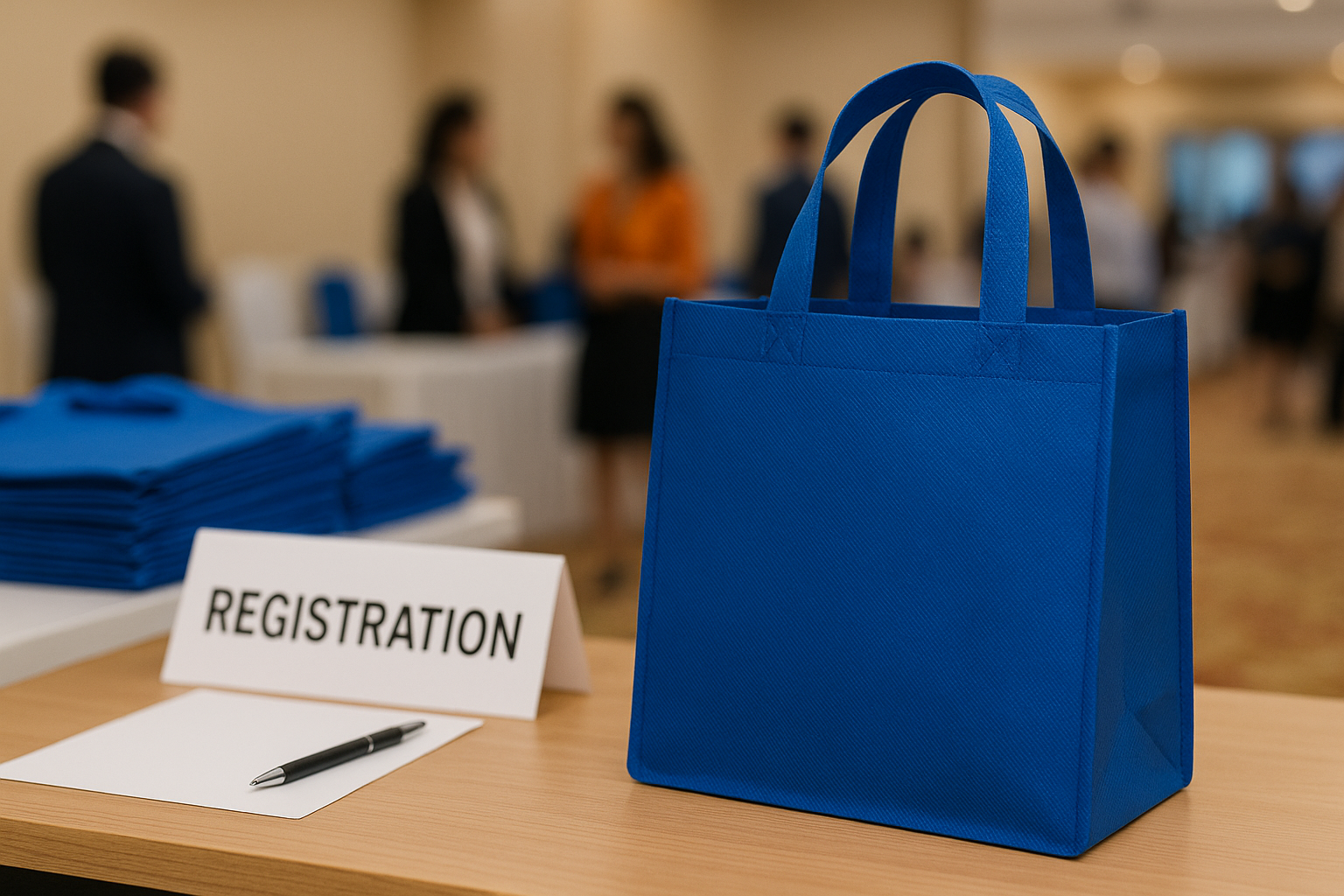
Event organizers use non-woven bags to distribute materials, promote sponsors, and increase brand visibility post-event.
Why Are They So Popular in Events?
A tote-style bag can carry brochures, pens, catalogs, and more. When the event ends, attendees continue using the bag—carrying your brand wherever they go.
For the cost of a coffee, you get a walking advertisement.
How Long Do Non-Woven Bags Really Last? Durability Explained?
Some worry about how many times a bag can be reused before it wears out.
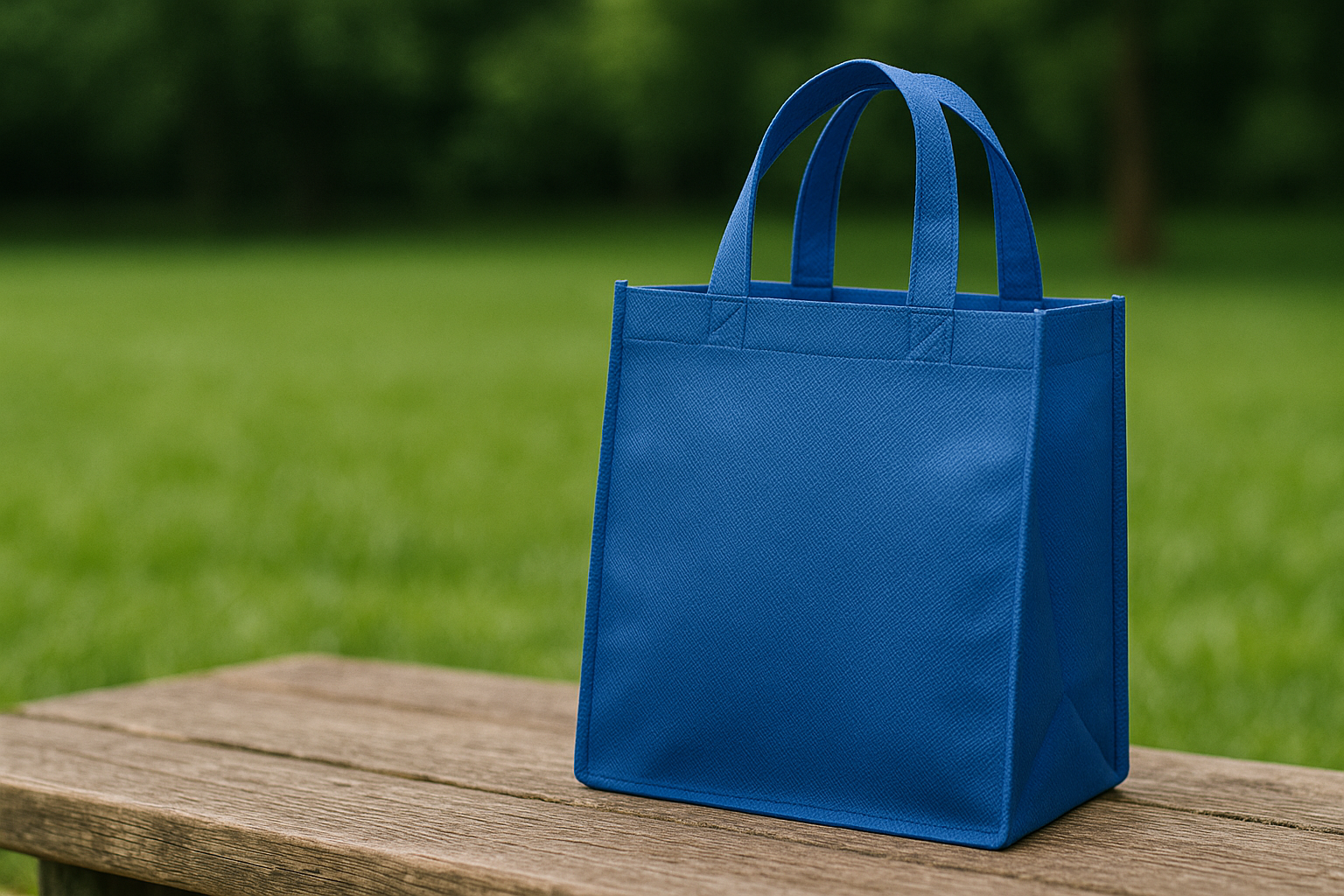
A good-quality non-woven bag can be reused over 50 times, depending on handling and material thickness.
What Determines Durability?
Fabric weight (GSM), sewing quality, and how the bag is used matter. Bags stored properly and not overloaded can last 6–12 months of regular use.
| Quality Indicator | Recommendation |
|---|---|
| GSM | 80–120 for best results |
| Couture | Double for longevity |
| Utilisation | Avoid sharp objects |
Tips for Cleaning and Maintaining Your Non-Woven Bag?
Dirty bags are often thrown out prematurely. But they can be cleaned easily.
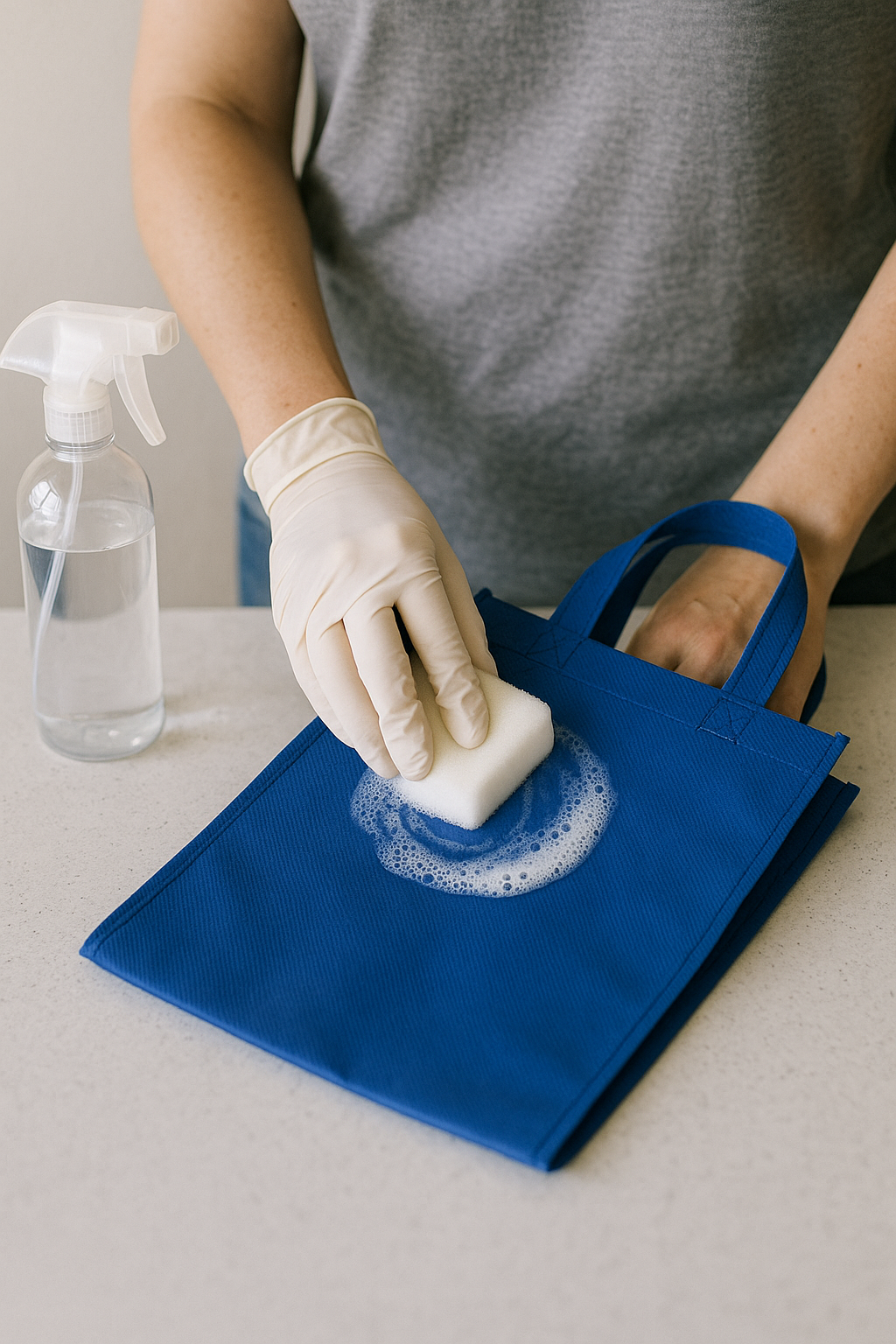
Use a damp cloth and mild detergent7 to clean non-woven bags. Avoid machine washing to prevent deformation.
How to Extend Bag Life?
Hang to air dry after cleaning. Store flat in dry conditions. Avoid overloading. Regular cleaning removes dirt that may degrade the material over time.
Conclusion
Non-woven bags are eco-friendly, cost-effective, and ideal for branding—offering both businesses and consumers a smart alternative to plastic.
-
Learn how non-woven bags compare to plastic and why they are more sustainable. ↩
-
Understand why these bags align with cost and environmental regulations. ↩
-
Discover how polypropylene (PP) improves sustainability in bag manufacturing. ↩
-
See how non-woven bags double as walking advertisements for your brand. ↩
-
Get ideas on versatile uses for non-woven bags beyond shopping. ↩
-
Learn key factors that affect non-woven bag quality for smarter sourcing. ↩
-
Get easy cleaning tips to extend non-woven bag lifespan and usability. ↩

0 commentaires