


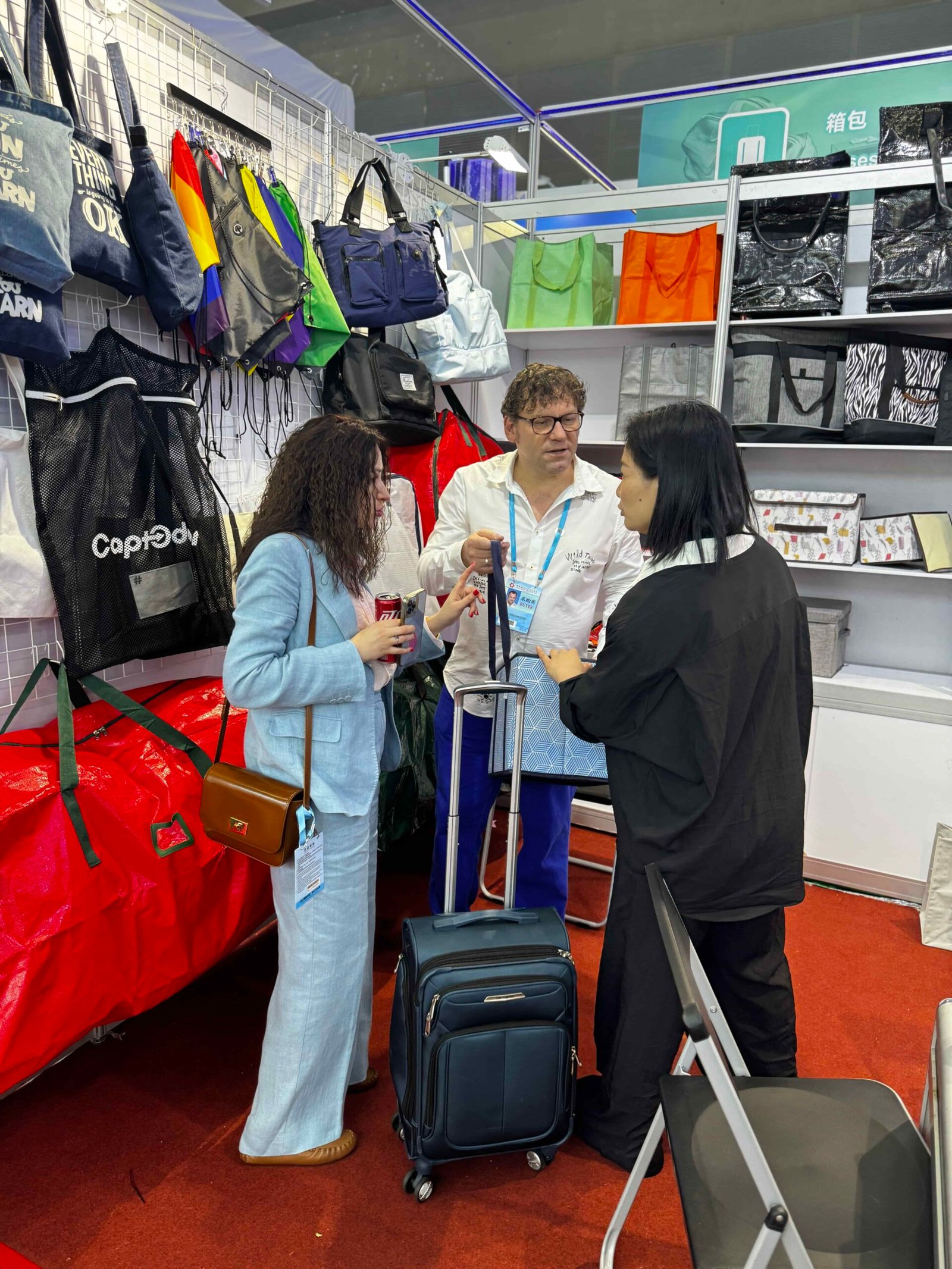
Ten trade shows a year, one tote bag design. That was the constraint a European hardware brand set for its marketing team: stop ordering a new bag for every event, build one reusable program that carries the brand from booth to booth and into attendees’ daily lives afterward. The program saved roughly a third of the annual bag spend in its first year and, more importantly, produced a tote that attendees kept using between events, which is the entire point of event swag, and the retail research bodies such as the National Retail Federation keep repeat-visibility metrics at the center of why reusable totes earn their budget.
The Design Decision: One Canvas, Many Events
The brand’s earlier pattern was per-event ordering: a different color and slogan for each show, small quantities, rush freight, and a warehouse drawer of obsolete leftovers after every exhibition. The redesign inverted it. One heavy canvas tote in the brand’s core color, one large logo placement, and a velcro-backed event badge patch that changes per show. The bag stays constant; the event identity is a two-dollar patch.
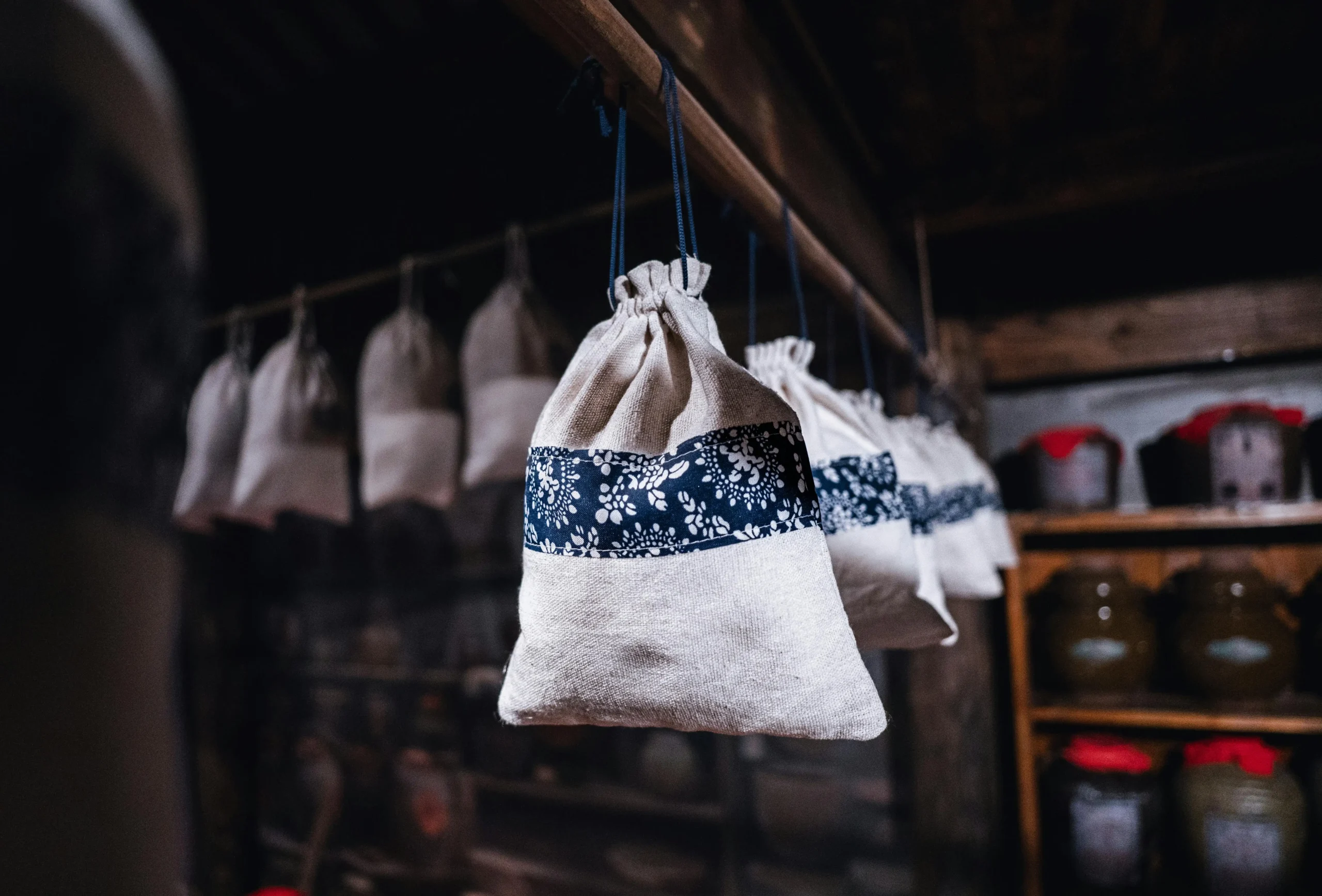
Material choice followed use, not price. The tote had to survive ten events, airport carousels and a year of grocery runs, which put 12-ounce canvas class fabric at the center of the spec. Buyers comparing canvas weights and weave options can read the material trade-offs in our guide to sacs en toile, and the branding decision between print, embroidery and patches is compared in our guide to embroidery, woven labels and patches.

The Numbers: What One Design Changed
The arithmetic worked on three lines. Unit cost fell because the program ordered one design at volume instead of ten designs at trial size, and volume pricing on canvas totes steps down sharply once artwork amortizes. Waste fell to zero: no obsolete event-specific stock, because the patch carries the event. And reuse rose: attendees kept a neutral, well-built canvas tote in daily rotation, so the brand’s impressions continued for months instead of dying when the event’s themed bag went home to a drawer.
The program also changed the procurement rhythm. One annual production order replaced ten rush orders, which moved the brand from air freight to sea freight on the main volume and gave the factory a forecast it could schedule for. Buyers planning event calendars can sequence orders against the retail design calendar in our guide to planning seasonal bag lines, and the sample stage that locks the design is covered in our guide to getting bag prototypes shipped internationally.
What the Program Specified
The final build sheet is a useful template for any multi-event program: 12-ounce dyed canvas in the brand’s base color; reinforced webbing handles with cross-stitch anchoring, the failure point on cheap totes; a full-width front print panel in one color; and a loop field for the interchangeable event patch. Orders ran at TIIOCTI’s low MOQ with free samples on the initial design, production scheduled against the exhibition calendar, and DDP delivery into the EU with duties included, so the marketing team received stock priced per unit with no customs surprises at each venue.

Questions fréquemment posées
Why one design instead of per-event artwork?
Volume pricing on a single design beats ten small orders, eliminates obsolete stock, and produces a tote attendees reuse, which extends the brand impressions past the event.
How do you keep event identity on a constant bag?
An interchangeable patch or badge field carries the event; the bag stays constant and the identity costs a small per-event accessory.
What material survives a full trade show season?
A 12-ounce class canvas with reinforced, cross-stitched handles. The anchor points fail first on cheap totes, so handle construction is the spec to inspect.
How early should an annual program be ordered?
One production run against the year’s exhibition calendar, ordered before the season opens, moves freight from air to sea and locks volume pricing.


0 commentaires