


The short answer: embroidery lasts longest on a bag that is handled hard, a woven label lasts longest where fine detail and colour accuracy matter, and a patch sits in between with the trade-off of an extra step to attach. None of the three is best for every bag. The choice depends on how the bag is used, how fine the logo is, and how much the branding adds to the unit cost. Pick the method after you know the wear, not before.
The three methods, and how they attach
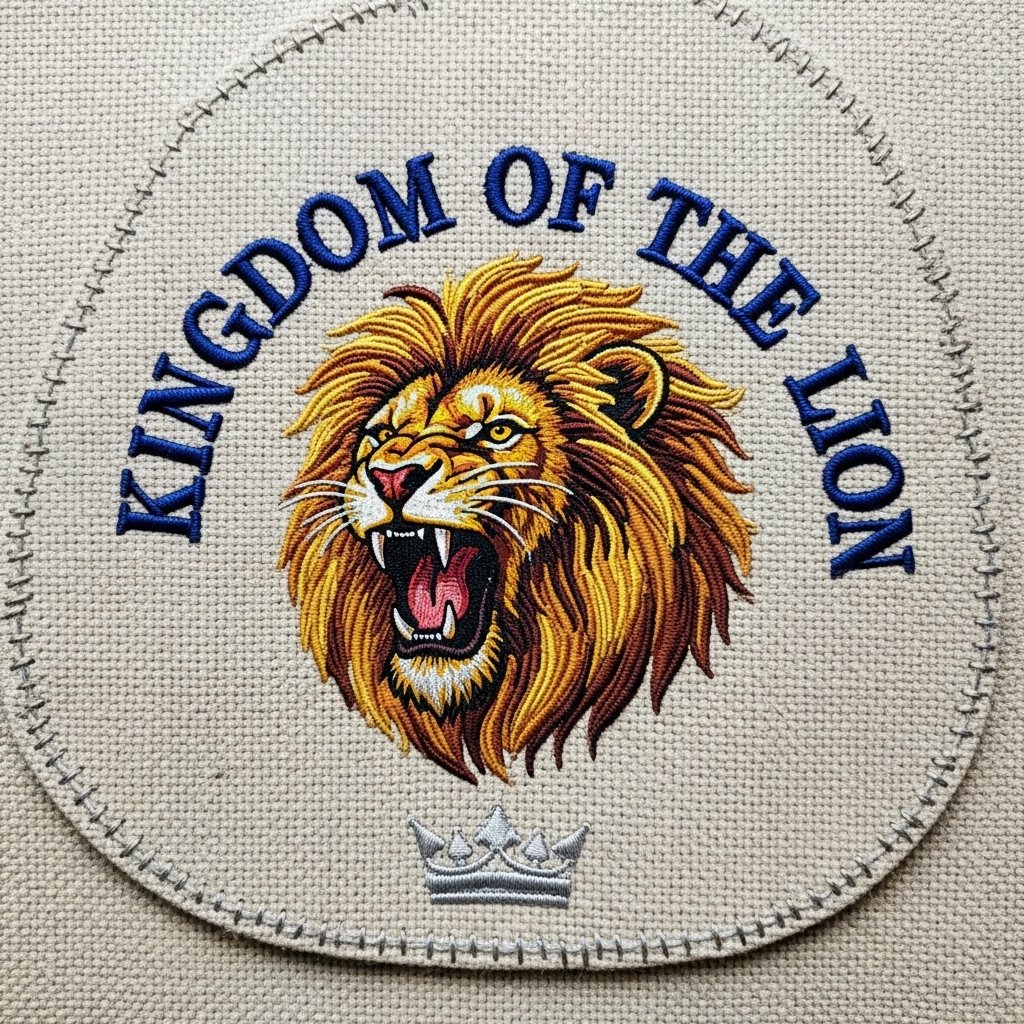
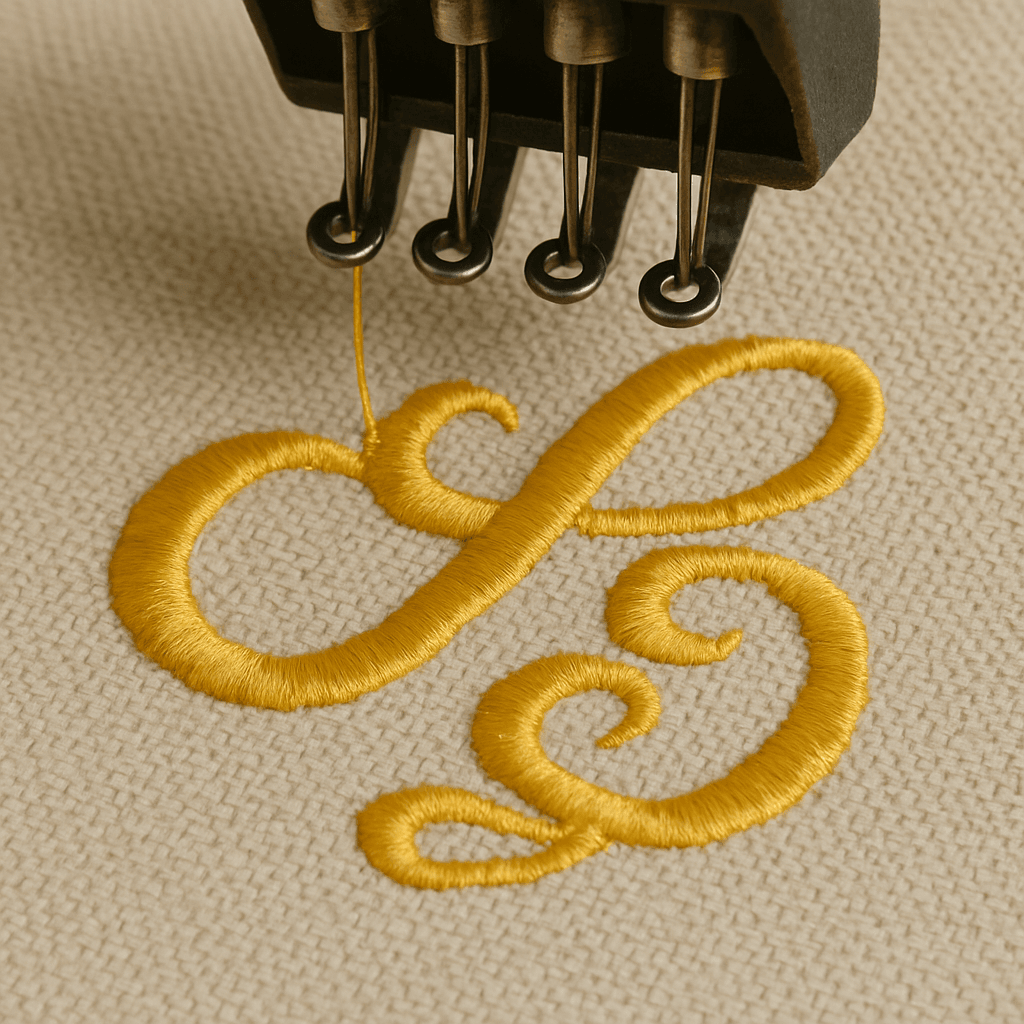
Embroidery stitches the logo directly into the bag fabric, so there is no separate part to come loose. A woven label is woven separately and sewn or heat-sealed onto the bag, which lets the logo carry fine detail and multiple colours that a stitch cannot reproduce. A patch is a separate piece, often embroidered or printed on a base, that is sewn on or ironed on, so it carries its own edge and its own attachment risk. Each method fails differently: embroidery wears with the fabric, a woven label can fray at the cut edge, and a patch can peel or lift at the corner.
How the three compare
The table compares the methods on the points that decide a branding spec. Costs move with order size and logo complexity, so treat the cost column as relative, not as a quotation.
| Méthode | Durabilité | Fine detail | Colour range | Relative cost | Idéal pour | Watch-out |
|---|---|---|---|---|---|---|
| Direct embroidery | Highest on woven fabric | Low to medium | Limited by thread colours | Higher per stitch area | Heavy canvas and tote bags | Dense logos can pucker thin fabric |
| Woven label | High if the edge is finished | Highest | Wide, with fine lines | Lower per unit at volume | Fine logos and small text | Cut edge can fray over time |
| Printed patch | High on the patch, joint is the risk | Haut | Wide | Middle, plus attach cost | Multi-colour artwork | Edge can lift or peel |
| Embroidered patch | High, with a stitched edge | Moyen | Limited by thread colours | Higher, plus attach cost | Premium and heritage look | Adds weight and a seam |
Which one actually lasts longest
Durability is a question about wear, not about a single strength number. On a heavy canvas tote that is dragged, loaded and washed, direct embroidery usually outlasts the others because it is part of the fabric rather than attached to it. On a lighter bag with a detailed logo, a woven label is the only method that can reproduce the artwork accurately, and its life depends on how well the edge is finished. A patch can match either, but its weak point is the attachment: a peeling corner ends the branding before the patch itself wears out. So the honest answer is that embroidery wins on hard wear, woven labels win on fidelity, and patches win when the artwork cannot be stitched.
Test colour and wash, not just strength
Branding has to survive washing, rubbing and light, and those are separate tests from the strength of the attachment. Colour fastness to washing, to rubbing and to light are standard textile tests, and a supplier should be able to point to the method behind a claim rather than a promise. Where the bag will be washed often, the thread and the label both need to hold their colour, because a logo that fades to a different shade looks worse than one that wears through. Material restrictions matter for anything that touches skin, and the limits published by OEKO-TEX are the reference most retail buyers now ask for on the thread and the label as well as the bag fabric.
Matching the method to the bag and the market
Match the branding to the job the bag does. A promotional bag that lives for one season can carry a printed patch and save cost. A retail bag that the customer keeps for years should carry embroidery or a finished woven label, because the branding is part of what the customer paid for. A premium or heritage line can use an embroidered patch, where the extra weight and the visible edge are part of the look. And a bag with a detailed logo, small text or a fine line has to use a woven label, because no stitch can hold that detail cleanly. The specification should name the method, the thread or label colour reference, and the attachment, exactly as it would for any other component.
FAQs about embroidery vs woven labels
Is embroidery or a woven label more durable?
Direct embroidery usually lasts longest on a hard-wearing fabric, because it is stitched into the bag. A woven label can match it if the edge is finished, and it holds fine detail that embroidery cannot.
When should I use a woven label instead of embroidery?
Use a woven label when the logo has fine lines, small text or several colours. Embroidery cannot reproduce that detail cleanly, so a woven label gives the accurate result.
Do patches last as long as embroidery?
A patch itself can be very durable, but it is only as good as its attachment. A peeling or lifting corner is the usual failure, so the sewing or bonding method matters as much as the patch.
What tests should bag branding pass?
Colour fastness to washing, rubbing and light, plus a check that the thread or label keeps its colour. These are separate from the strength of the attachment and from the fabric tests.
Can I mix branding methods on one bag?
Yes. A common combination is embroidered branding on the body with a woven label at the seam. Mixing methods is fine as long as each component is specified separately.
Choose the method after the wear
Decide the branding method from how the bag will be used, not from the logo alone: embroidery for hard wear, a woven label for fine detail, a patch for artwork that cannot be stitched, and a colour and wash test to prove the choice. Specify the method, the colour reference and the attachment in the same way you would specify the fabric. If you want bag branding developed and tested with the bag, talk to notre équipe chargée de la fabrication des sacs.
À lire également : notre bag order spec guide et notre gamme de sacs à cordon.


0 commentaires