




A self-storage chain in the southeastern United States watched the same scene repeat at all fourteen locations. Tenants moved in with cardboard boxes, the boxes collapsed under damp and weight, and move-out day produced a pile of soggy cardboard that took two staff hours to break down. The chain decided to stop renting boxes and start renting something sturdier: woven moving bags. The self-storage moving bag rental pilot started small, but the economics changed the conversation at every location.
This case study walks through how the chain designed the moving bag rental program, what the bags cost to source and maintain, what the first 90 days of rental data showed, and which lessons other operators can copy without repeating the trial-and-error.
Why a Self-Storage Chain Adds Bag Rentals
The average tenant at these locations stayed nine months, and every move-in and move-out cycle consumed about eighteen cardboard boxes per unit. Cardboard performed poorly in a storage environment: it absorbed humidity, tore when stacked six high, and could not be reused after one damp season. The chain’s operations manager estimated that 22 percent of damage claims in 2025 involved boxes that collapsed and let contents shift or spill.
A moving bag rental pool of reusable bags attacked three problems at once. Tenants got a product that survived the storage term and could be rented instead of bought, the chain replaced a recurring waste stream with a revenue line, and the loading dock stayed cleaner because bags stack flat against a wall. The board approved a pilot at two locations before rolling out to all fourteen.
The rental model also matched the tenant’s actual need. A tenant who moves into a unit for nine months does not want to own twenty bags afterward. Renting converts a purchase decision into a small add-on at move-in, which is why the chain priced it as an accessory to the unit lease rather than a separate product.
The Bag Spec That Survived the First 90 Days
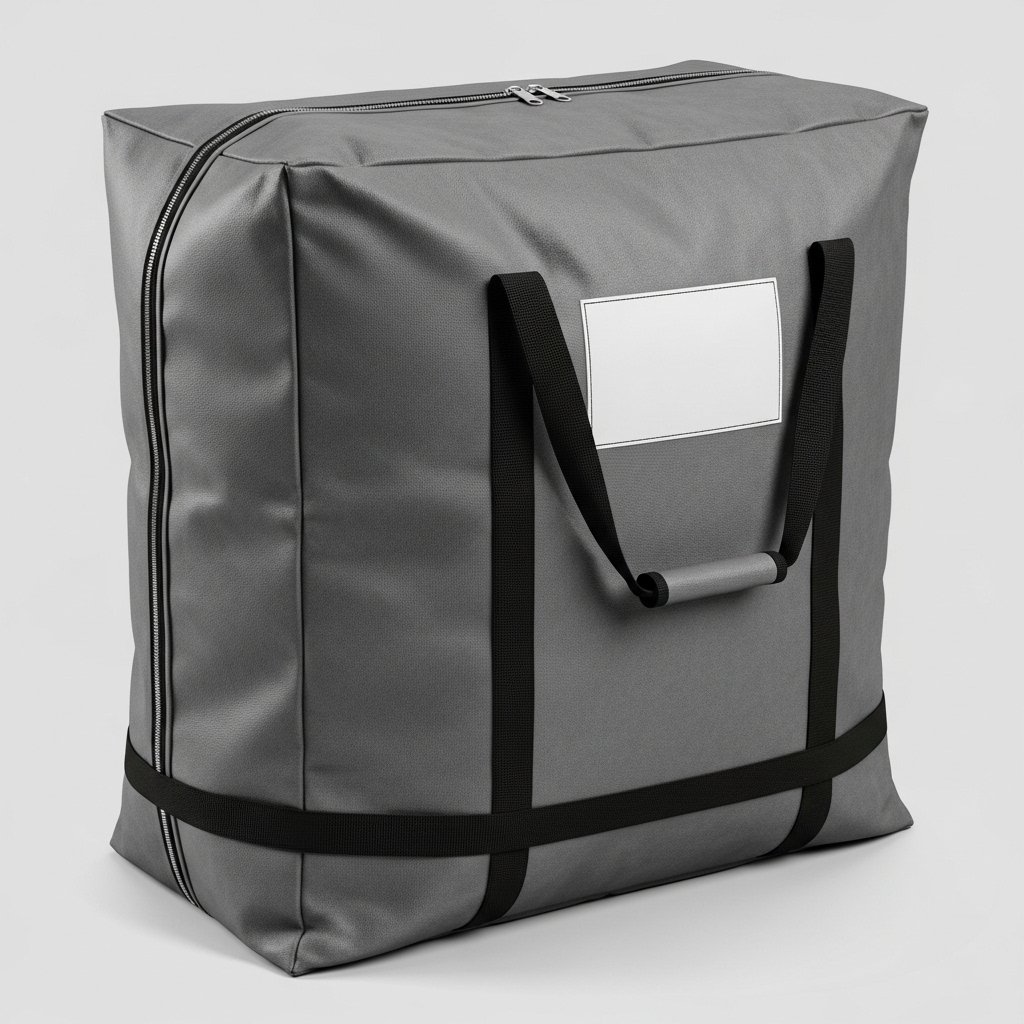
The pilot began with a woven polypropylene moving bag with a full zipper, double-stitched side seams, and reinforced handles rated for repeated lifting. The chain tested three constructions in the pilot: a 90 gsm woven bag, a 120 gsm woven bag, and a laminated 110 gsm version. The 90 gsm bags tore at the handle attachment after the sixth rental, and the laminated version delaminated where tenants dragged them across concrete floors. The 120 gsm un-laminated bag completed 200 rentals in the pilot with one handle repair.
Bag size followed the standard 60-by-40-by-35 centimeter moving bag profile that fits a loaded box truck and stacks evenly on pallets. The chain branded each bag with its own logo and a printed rental number, which made returns trackable and made the bags look like a deliberate part of the unit package instead of a bulk commodity.
Cleaning was the hidden spec. Bags came back dusty, occasionally stained, and twice with mildew after a tenant left wet clothes inside. The chain settled on a cold wash with a mild detergent every third return, which added about 90 seconds of labor per bag. The 120 gsm woven construction held up to the wash cycle without shrinkage, and the printed rental number survived thirty washes without fading.
Rental Pricing, Deposits, and Breakage Costs
The chain priced the rental at $2 per day with a three-day minimum, a $10 refundable deposit per bag, and a $6.50 replacement charge if a bag came back beyond repair. Tenants rented bags for an average of six days per transaction, which made the typical transaction $12. The deposit protected the pool against loss, and the replacement charge covered the 1.5 percent of returns that failed inspection.
| Système métrique | Pilot Value |
|---|---|
| Bags per location | 40 |
| Average rental length | 6 days |
| Average price per rental | $12 |
| Rentals per bag per month | 4 |
| Breakage rate | 1.5% |
The unit economics worked because the pool turned over. Each bag produced $48 in gross revenue per month at four rentals, against roughly $3 in cleaning and breakage costs. The 560-bag fleet across all fourteen locations generated about $25,000 in monthly gross rental revenue, and the deposit float added a small working-capital buffer that the chain did not plan for in the original model.
Pricing the deposit at $10 did more than protect inventory. It changed tenant behavior: bags with a deposit attached came back on time, while the small share of bags rented without a deposit during a weekend staffing gap had a return rate 30 percent lower. The chain made the deposit non-negotiable in the full rollout.
How the Program Cut Box Waste and Turnover Time
The measurable results came from the pilot’s 90-day window. Cardboard deliveries to the two pilot locations dropped by 38 percent, because tenants who rented bags bought fewer boxes. Unit turnover time, measured from move-out to ready-for-rent, fell from 4.2 days to 3.1 days, largely because staff no longer spent the first shift breaking down collapsed boxes and sweeping up cardboard dust.
Damage claims tied to box collapse disappeared from the pilot locations entirely. The chain tracked claims by cause code, and the code for container failure, which had produced 22 percent of claims in 2025, logged zero events at the pilot sites during the 90 days. The claims team attributed the drop to two factors: the bags protected contents, and tenants stopped stacking boxes high enough to crush the lower layers.
Tenant surveys at move-out asked one question about the rental program, and 71 percent of renters said they would rent bags again at their next move. The most common complaint was capacity: tenants wanted a second large bag for bedding, which the chain addressed in the rollout by offering a two-bag bundle at $22 per week.
What the First 90 Days Taught the Operators
Four lessons survived the pilot. First, handle construction decides fleet life: the bags that failed did so at the handle attachment, not the seams, so the rollout spec doubled the bartack stitching at the attachment points. Second, color matters for loss control: the chain’s branded gray bags were visually distinct from tenant-owned bags, which cut accidental cross-contamination of the pool.
Third, cleaning needs a schedule, not a reaction. The chain found mildew cases clustered around bags that sat in a return bin for more than five days, so the rollout added a same-week wash rule. Fourth, the rental counter at move-in is the only reliable sales moment: front-desk staff offered the rental during lease signing, and 83 percent of rentals happened at that point rather than at the unit door.
The staffing impact was smaller than management feared. Cleaning and inspection added about one hour per location per week, and the deposit handling fit into the existing point-of-sale flow. The chain hired no additional staff for the program at any location.

Sourcing Bags for a Rental Pool
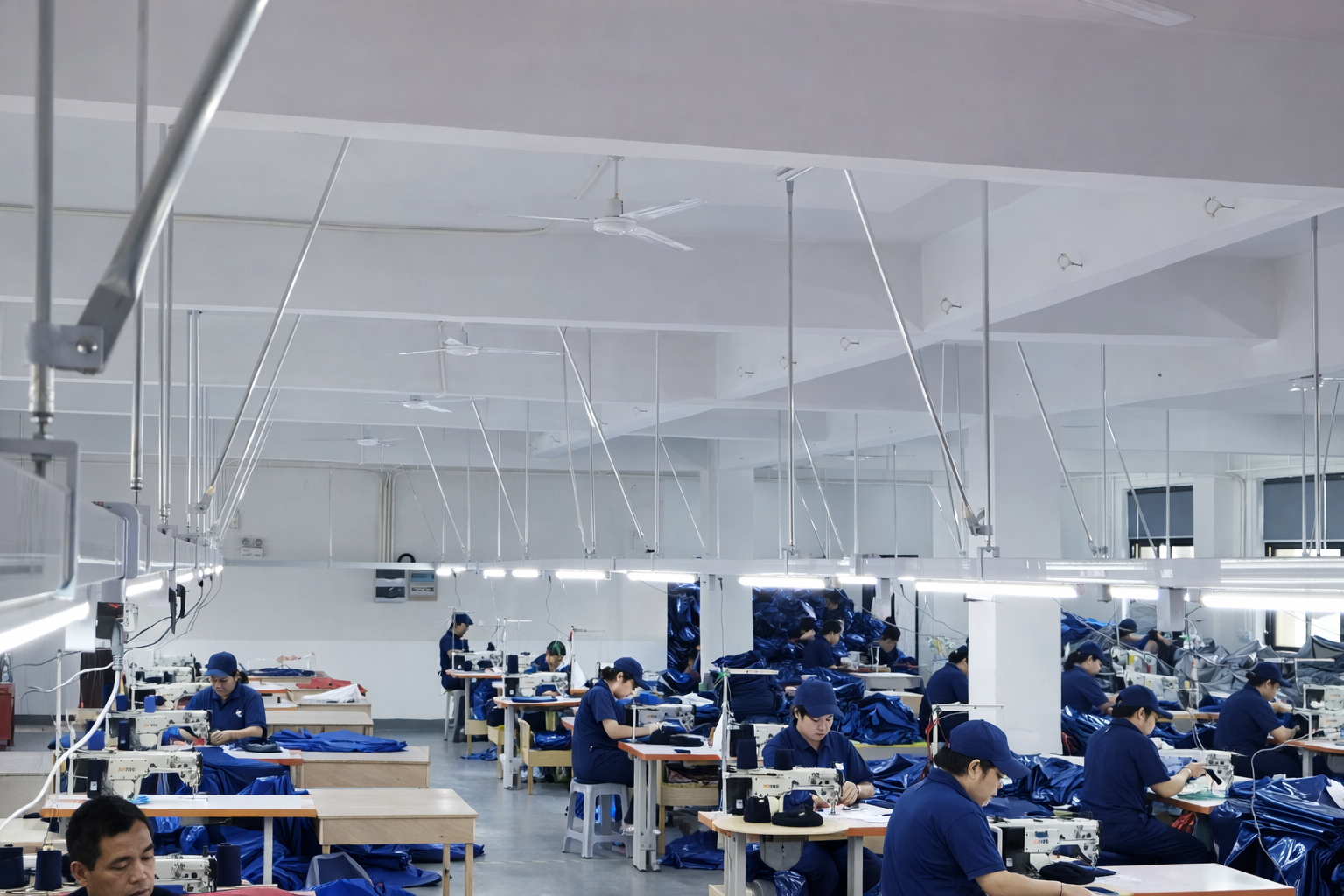
A rental pool is a different buying problem than a one-time retail order. The buyer needs a bag rated for hundreds of cycles, a supplier who can hold a consistent spec across repeat orders, and a printed rental number that survives washing. The chain’s sourcing team worked from the moving bag product range and specified the 120 gsm woven construction, the bartacked handle spec, and the zipper closure in writing before the first production order.
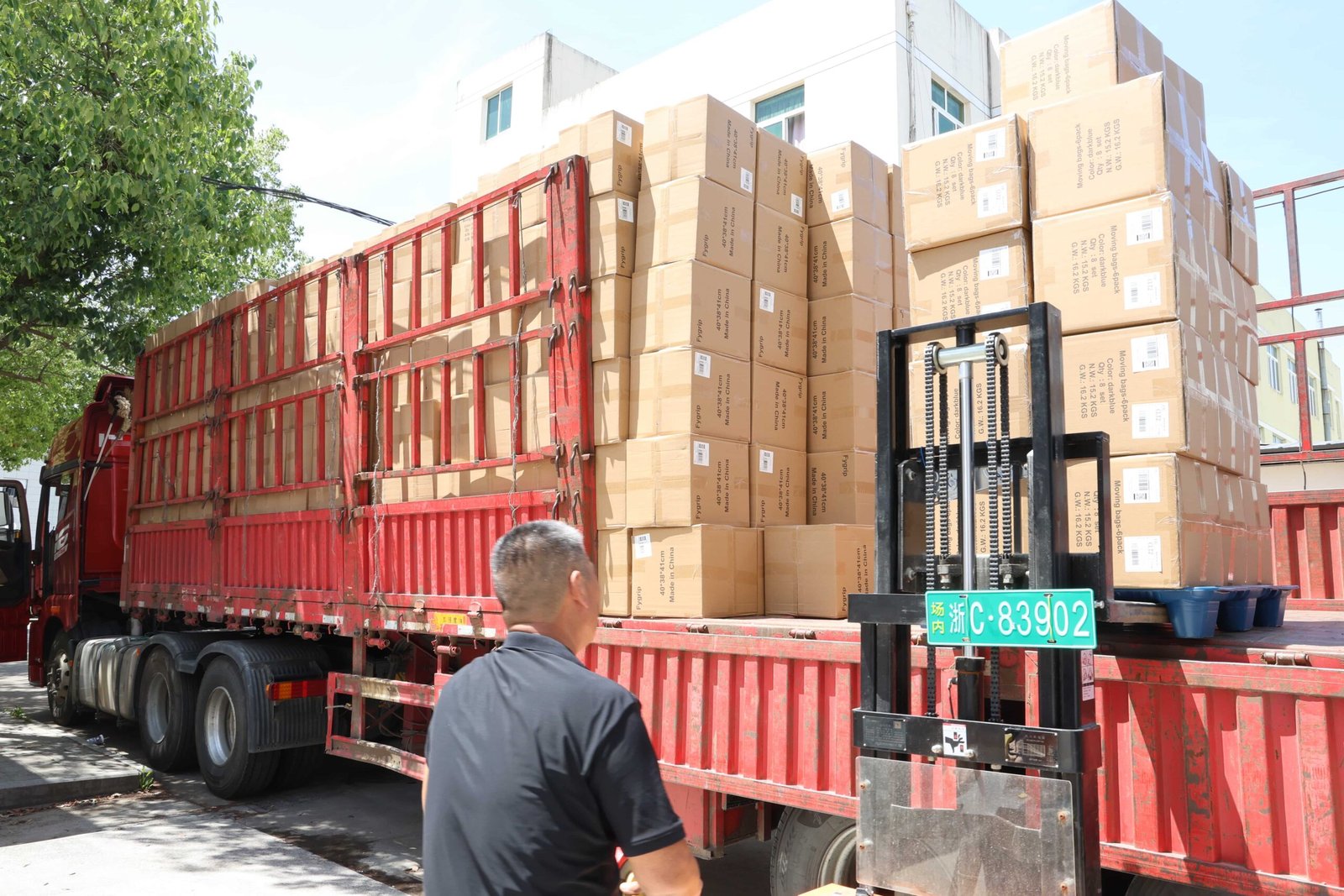
Order size mattered less than spec stability. The chain ordered 600 bags for the rollout, below the factory’s usual MOQ for custom printing, and paid a small setup charge for the rental-number print. The factory shipped the bags flat-packed, which kept the freight bill modest: the flat-packed cartons loaded at roughly 1,200 bags per 40ft container, a density that matters when you are comparing how many moving bags fit in a container for the first reorder.
Replacement planning followed the breakage data. At a 1.5 percent breakage rate, a 560-bag fleet loses about eight bags per month, so the chain ordered a 10 percent spare pool with the initial order and scheduled a quarterly top-up of 24 bags. The factory’s standard lead time of four to six weeks fit that cadence without emergency freight.
The program’s cost structure stayed visible because the chain treated the fleet as capital equipment, not consumables. Each bag was capitalized at $6.50 and depreciated over 200 rentals, which put the per-rental equipment cost at about $0.03. Against a $12 average transaction, the equipment cost barely registered; labor and breakage, not the bag itself, were the real operating costs. That framing changed how managers talked about the program: a bag that lasted 200 rentals was an asset, and a bag that tore at the handle after six rentals was a spec failure, not bad luck.
The rollout added one operational detail the pilot missed. The pilot tracked rentals on a paper log at the front desk, and 9 percent of transactions never made it into the log during weekend shifts. The rollout moved the rental into the point-of-sale system as a line item on the tenant’s account, which ended the logging gap and gave the finance team a clean revenue report by location. The chain used that report to decide which locations deserved a larger pool in the second quarter.
Rollout Checklist for Other Operators
Operators who want to replicate the program can start with six steps. Confirm the bag spec with a 20-bag trial at one location before committing fleet volume. Set the deposit at a level that covers replacement cost. Print a rental number on every bag and log returns by number. Schedule cleaning within the same week a bag returns. Price the rental as a per-day rate with a minimum, so short rentals stay profitable. And review breakage data monthly, because the first 90 days will show which spec fails first.
The deposit math deserves its own check. A $10 deposit on a $6.50 replacement cost means the chain recovers the full bag value on every unrecovered unit, and the float from 560 deposits gave the program roughly $5,600 in working capital. Operators with tighter cash positions can start with a smaller pool and grow it from rental revenue alone.
The same moving bag rental logic transfers to other high-turnover settings. A university move-in program that issues dorm kits, a military relocation contractor that standardizes packing, and any operator running storage-space programs can apply the rental economics: durable woven bags, a deposit that protects the pool, and a cleaning schedule that keeps the fleet rentable. The Self Storage Association tracks industry operating benchmarks that help operators sanity-check pricing and utilization before launch.
Questions fréquemment posées
Do self-storage tenants actually rent moving bags?
In this program they did. 83 percent of rentals happened at lease signing, and 71 percent of renters said they would rent again at the next move. The rental converts a purchase decision into a small add-on at move-in, which fits how tenants plan a storage term.
What bag spec lasts longest in a rental pool?
The 120 gsm woven polypropylene bag with double-stitched seams and reinforced handles completed 200 rentals in the pilot, while the 90 gsm version failed at the handle attachment after six rentals. Bartacked handle attachment points extended fleet life most.
How do you price a moving bag rental?
Price per day with a minimum rental length, add a refundable deposit that covers replacement cost, and set a replacement charge for damaged bags. The pilot used $2 per day, a three-day minimum, a $10 deposit, and a $6.50 replacement charge.
How much does a bag rental fleet cost to maintain?
Cleaning and inspection added about one hour per location per week, and breakage ran 1.5 percent of returns. The 560-bag fleet lost about eight bags per month, which a 10 percent spare pool and a quarterly top-up covered without emergency orders.
What are the MOQ and lead time for custom rental bags?
A 600-bag rollout order with custom printing sat below the factory’s usual MOQ and carried a small setup charge for the rental-number print. Standard production lead time of four to six weeks fit a quarterly replacement cadence without air freight.


0 commentaires