



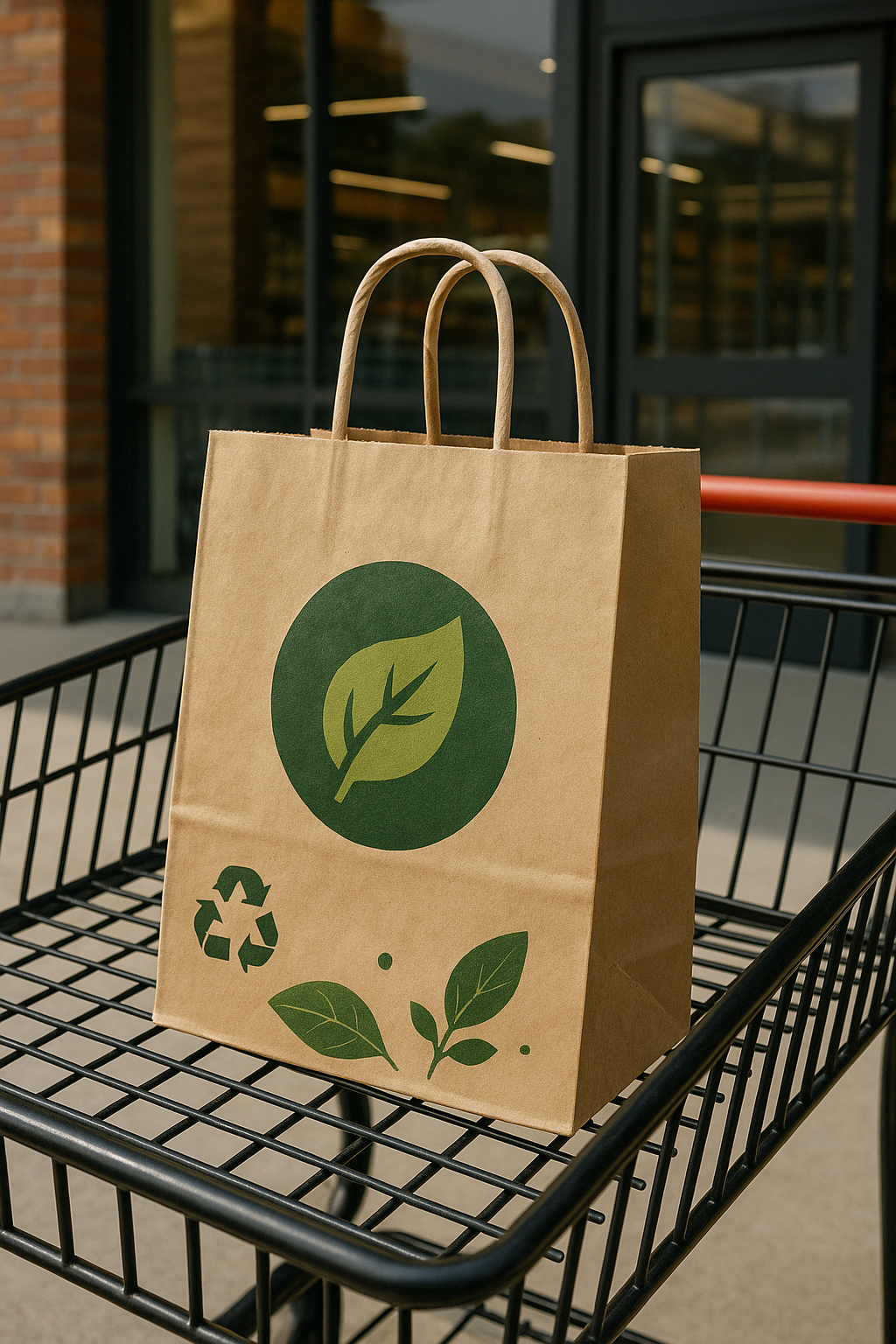
Plastic bag bans are spreading, but many businesses still struggle to find alternatives that are both eco-friendly and brandable.
Shopping bags are increasingly made from materials like jute, cotton, RPET, and non-woven fabric1 to balance sustainability with cost and durability.
Let’s dive deeper into the different materials and their uses so you can choose the best option for your business.
What are jute shopping bags made of?
Jute is praised for its eco-friendly appeal, but do you know what really goes into these bags?
Jute bags are made from plant-based jute fibers, primarily sourced from the stalks of the Corchorus plant2.
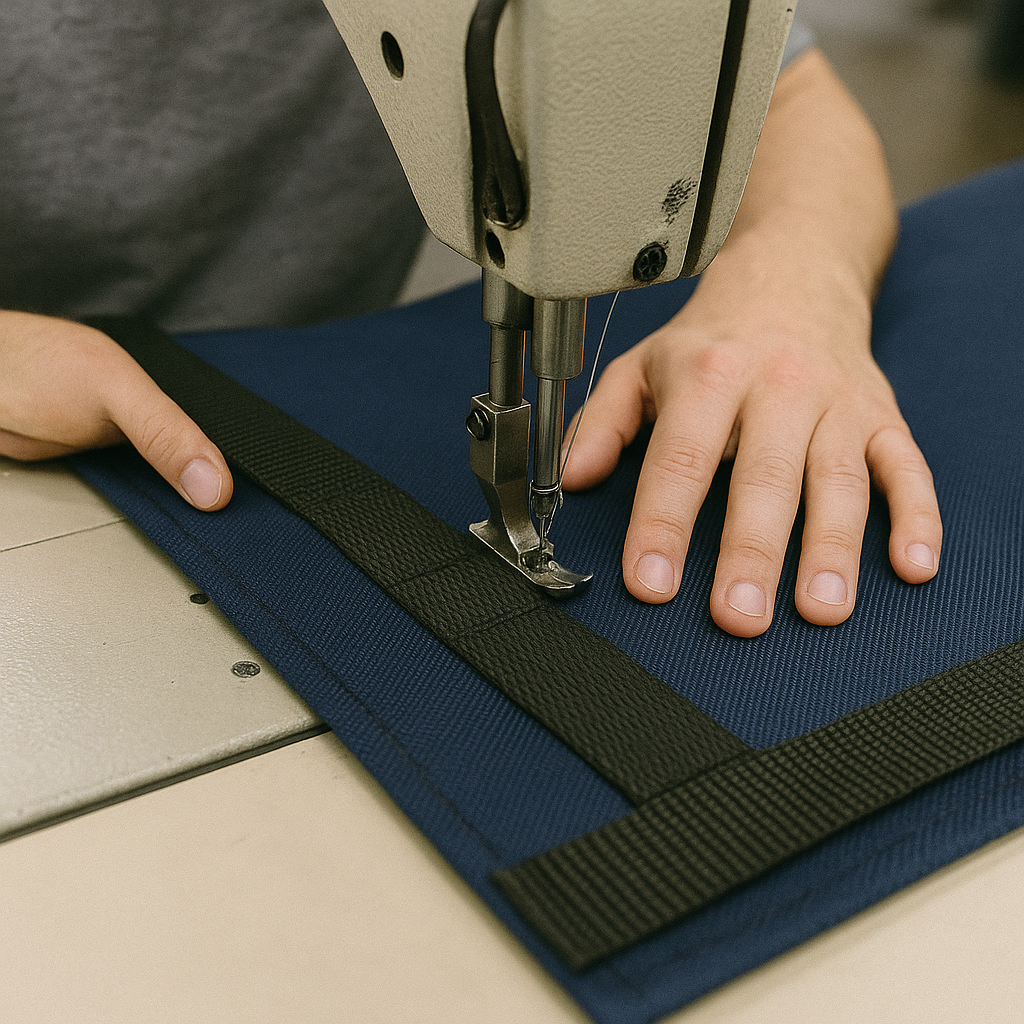
Material Origins and Features
Jute is grown mostly in India and Bangladesh. The stalks are soaked, stripped, and spun into coarse, strong threads. These fibers are then woven into fabric to create bags.
Jute is often called the "golden fiber" due to its silky sheen and economic value. Its natural beige or brown tone gives it an earthy, sustainable look—perfect for eco-conscious brands.
Pros and Cons Table
| Fonctionnalité | Bénéfice | Drawback |
|---|---|---|
| Renewable | Comes from plants | Requires water and land |
| Biodégradable | Breaks down in 1–2 years | Can degrade in damp storage |
| Strong Fiber | Can hold heavy weights | Coarse texture |
This material is perfect for businesses that want to present a rustic, natural image.
How much weight can a jute bag carry?
Many businesses fear fabric bags won’t handle their load demands. But is that really true?
A standard jute bag can carry between 10 to 15 kilograms, depending on stitching and handle quality3.
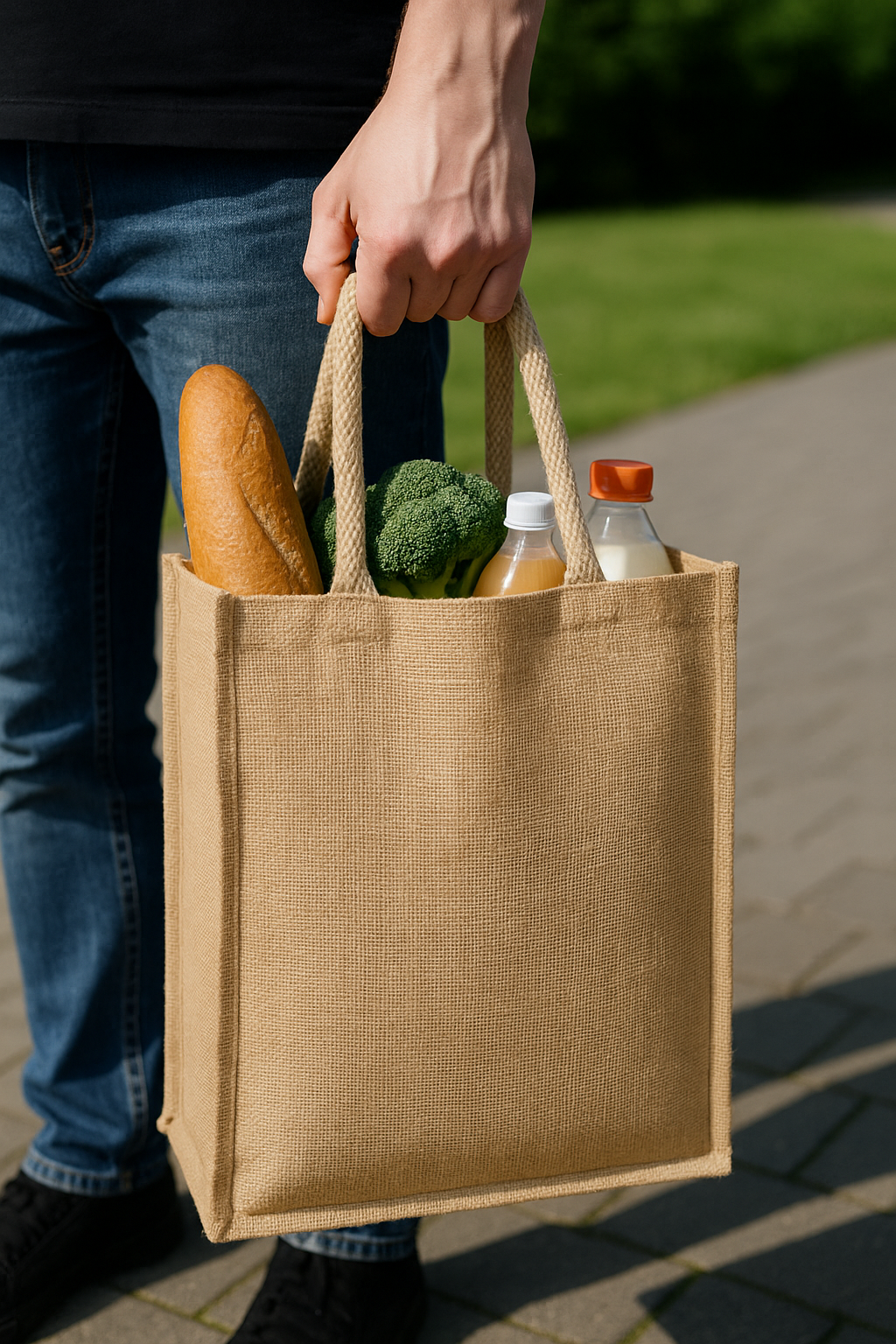
Load Capacity Depends on Construction
The weave density, number of stitches, and reinforcements like laminated linings or cross-stitched handles significantly impact durability.
In addition, the thickness of the jute fiber used in the bag plays a key role. Heavy-duty jute bags can even support up to 20 kilograms, making them suitable for shopping, gifts, or promotional packages.
Comparison Table: Load Capacities
| Type de sac | Average Load (kg) | Meilleur cas d'utilisation |
|---|---|---|
| Jute | 10–15 | Groceries, gifts |
| Coton | 5-10 | Fashion retail, books |
| RPET | 8–12 | Promotional giveaways |
So, yes—jute bags can comfortably carry daily shopping or promo packs without ripping.
Are jute bags more eco-friendly than cotton bags?
Jute has a green image, but does it really beat cotton in sustainability?
Oui, jute is generally considered more eco-friendly than cotton4 due to lower water usage and faster biodegradability.
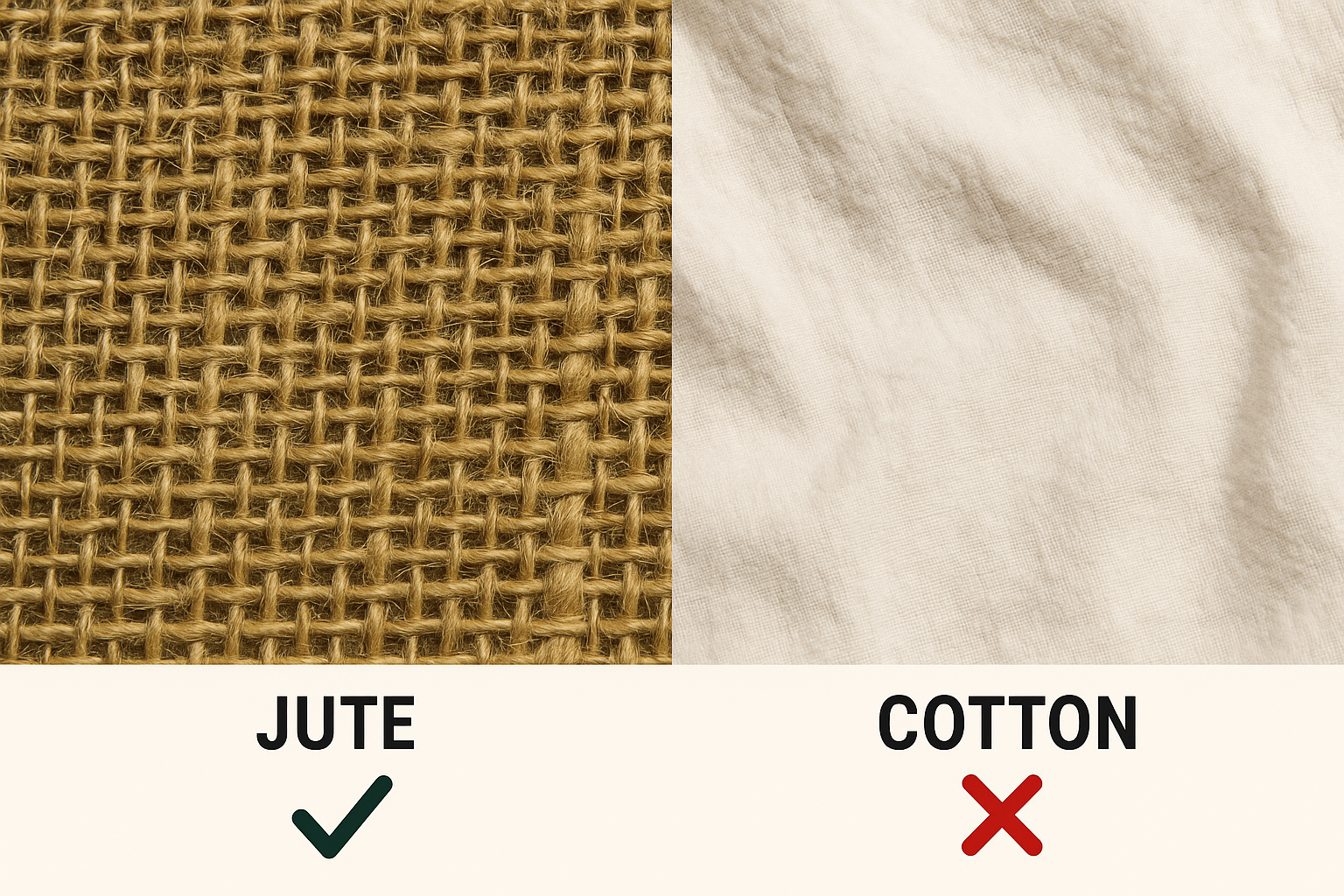
Resource Usage and Impact
Jute grows quickly and doesn’t need as many pesticides or water as cotton. Organic cotton is better than regular cotton, but still resource-heavy compared to jute.
Jute also enriches the soil and captures more carbon dioxide than cotton during growth, offering extra environmental benefits.
Sustainability Comparison Table
| Fonctionnalité | Jute | Coton |
|---|---|---|
| Water Needed | Faible | Haut |
| Pesticides | Faible | Medium–High |
| Growth Cycle | 4–6 months | 6–8 months |
| Biodégradable | Yes (1–2 yrs) | Yes (5+ years) |
| Soil Impact | Positif | Neutral/Negative |
For environmentally sensitive branding, jute is a strong first choice.
What is the difference between organic cotton and regular cotton bags?
Cotton is everywhere, but how do you know if it’s really organic?
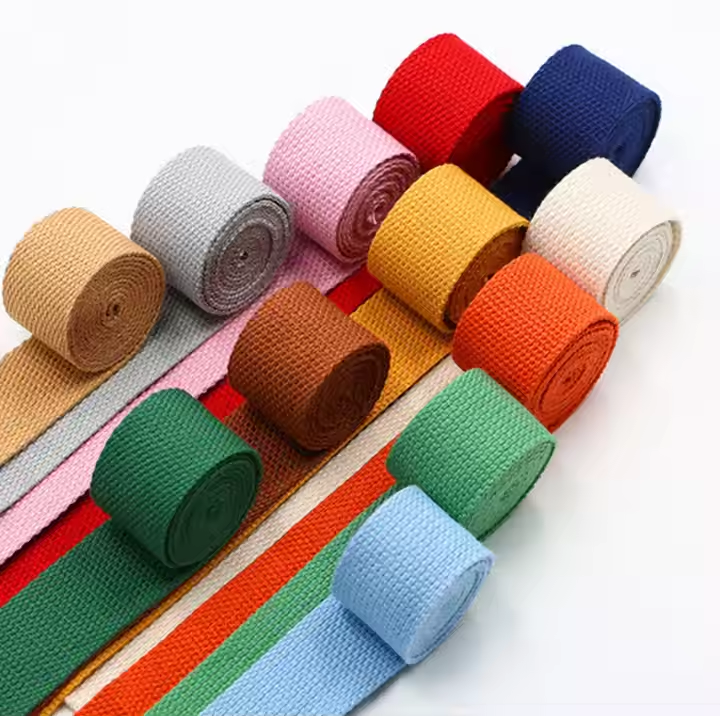
Organic cotton is grown without synthetic pesticides or fertilizers5, making it safer for the environment and farmers.
Certification and Growing Practices
Organic cotton farms must be certified (like GOTS), and they rotate crops to enrich the soil. Conventional cotton farms often rely on chemical-heavy practices.
Organic cotton also uses less energy, and the final product has fewer chemical residues—important for sensitive users and premium markets.
Side-by-Side Overview
| Facteur | Coton biologique | Regular Cotton |
|---|---|---|
| Chemical Use | Aucun | Haut |
| Certification | GOTS, OEKO-TEX | Rare |
| Coût | Plus élevé | Plus bas |
| Softness & Quality | Similar | Similar |
| Environmental Risk | Faible | Medium–High |
When presenting eco-conscious values, organic cotton helps brands avoid greenwashing concerns.
Are canvas bags good for branded promotional use?
You want something stylish yet tough enough to carry your brand. Can canvas do the job?
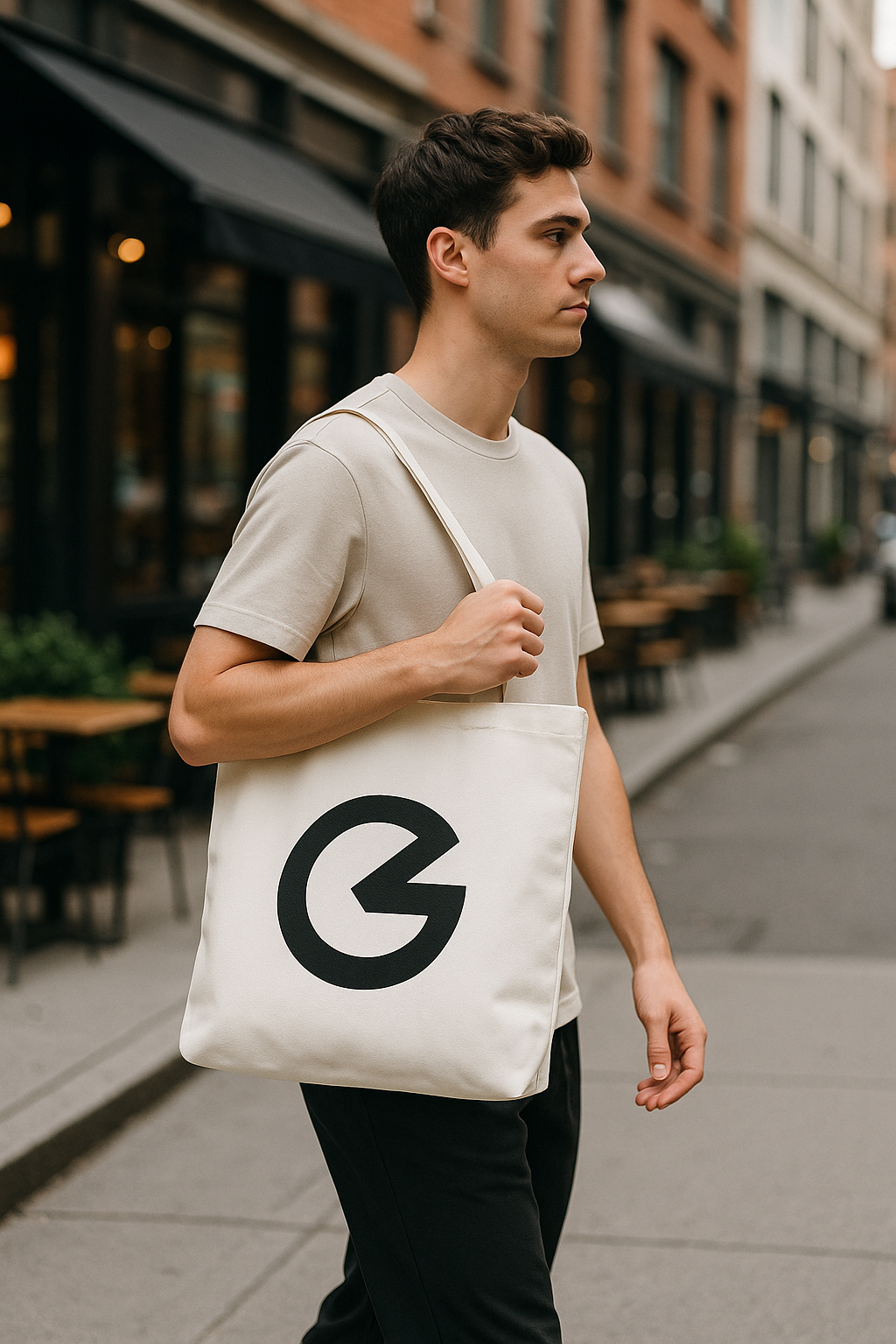
Oui, canvas bags are ideal for branding because they offer a clean surface, high durability, and stylish appeal6.
Printing and Design Versatility
Canvas holds ink well and works with screen printing, embroidery, or heat transfer. It’s available in various weights (8 oz, 12 oz, 16 oz), depending on your product.
Canvas bags also signal premium value. When used in giveaways or retail promotions, they add perceived worth to your brand image.
Branding Impact Table
| Fonctionnalité | Sacs en toile |
|---|---|
| Logo Visibility | Excellent |
| Print Methods | Polyvalent |
| Durabilité | Haut |
| Brand Image | Premium & Eco-smart |
| Réutilisation | Très élevé |
They’re especially favored by lifestyle and fitness brands that want reusable merchandise.
How long does it take for a biodegradable bag to decompose?
Biodegradable bags sound great—but how fast do they actually break down?
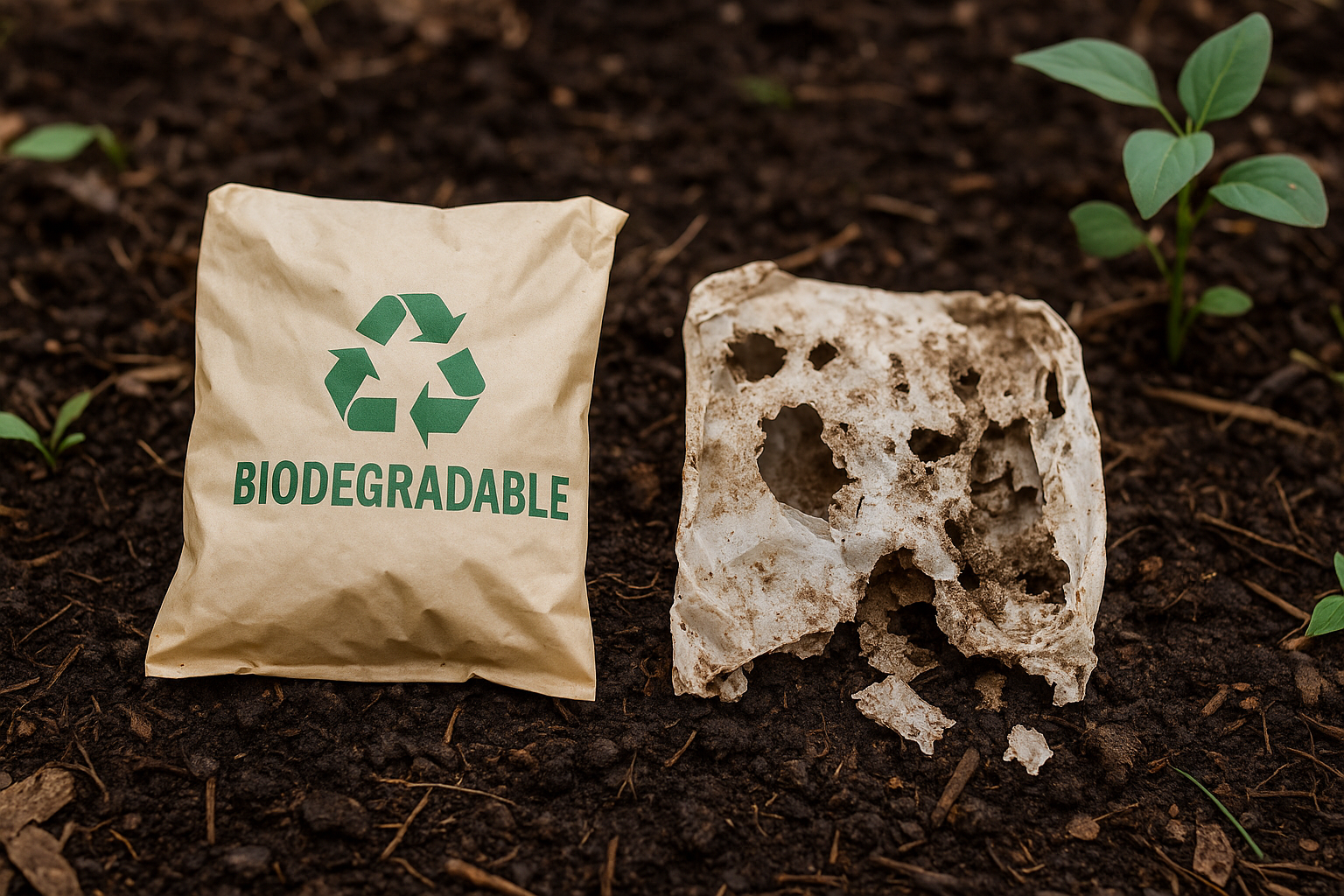
Depending on the material, biodegradable bags can decompose within 3 months to 3 years7.
Environmental Conditions Matter
Compostable PLA-based bags need industrial conditions—heat, moisture, and microorganisms. Jute or paper bags break down faster in natural environments.
Decomposition times vary greatly in landfills versus composting facilities, so your disposal method makes a big difference.
Breakdown Timeline Table
| Matériau | Time to Decompose | Conditions Needed |
|---|---|---|
| Jute | 1 à 2 ans | Natural soil, moisture |
| PLA (Compostable) | 3–6 months | Industrial composting |
| Paper | 1–3 months | Moisture, oxygen |
| Coton | 5+ ans | Compost or landfill |
So, “biodegradable” needs more context before becoming a decision point.
Are non-woven bags suitable for supermarkets, events, or gift packaging?
Need something budget-friendly yet functional? Non-woven might be your answer.
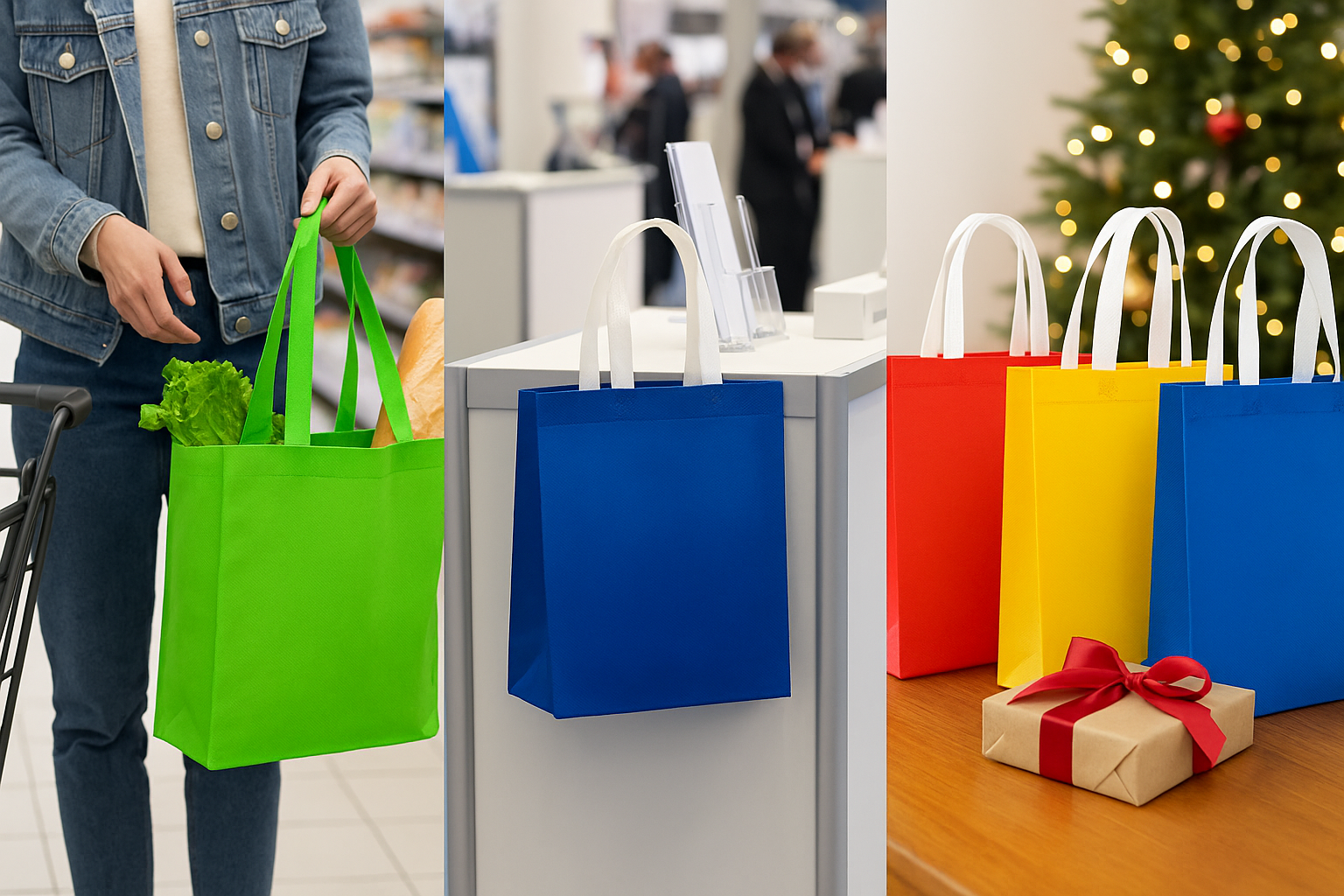
Non-woven bags are widely used in supermarkets, trade shows, and gift packs due to their low cost and branding flexibility.
Function and Market Reach
Non-woven polypropylene (PP) bags are lightweight, semi-durable, and easy to print on. Their soft texture makes them ideal for temporary or semi-permanent use.
They’re especially popular in giveaways, loyalty programs, and packaging for promotional campaigns due to their visual impact and affordability.
Application Table
| Cas d'utilisation | Suitability |
|---|---|
| Supermarchés | Excellent |
| Salons professionnels | Very Good |
| Gift Packaging | Great with Lamination |
| Long-Term Use | Limited (fragile) |
| Print Branding | Easy and Customizable |
For large-scale promotional campaigns or retail giveaways, they strike a balance between cost and quality.
Conclusion
Eco-friendly shopping bags vary in use, cost, and impact—jute, cotton, canvas, and non-woven each serve distinct branding and utility goals.
-
Explore top eco-friendly materials ideal for B2B branding and sustainability. ↩
-
Understand how natural jute fibers are harvested and used in industrial bags. ↩
-
Learn key design specs that impact the weight capacity of jute shopping bags. ↩
-
Compare jute and cotton in water use, pesticide need, and environmental impact. ↩
-
Know the real difference between organic and regular cotton in sustainability. ↩
-
Discover why canvas bags work well for premium, visible brand promotions. ↩
-
Understand how different materials affect the breakdown time of biodegradable bags. ↩

0 commentaires