




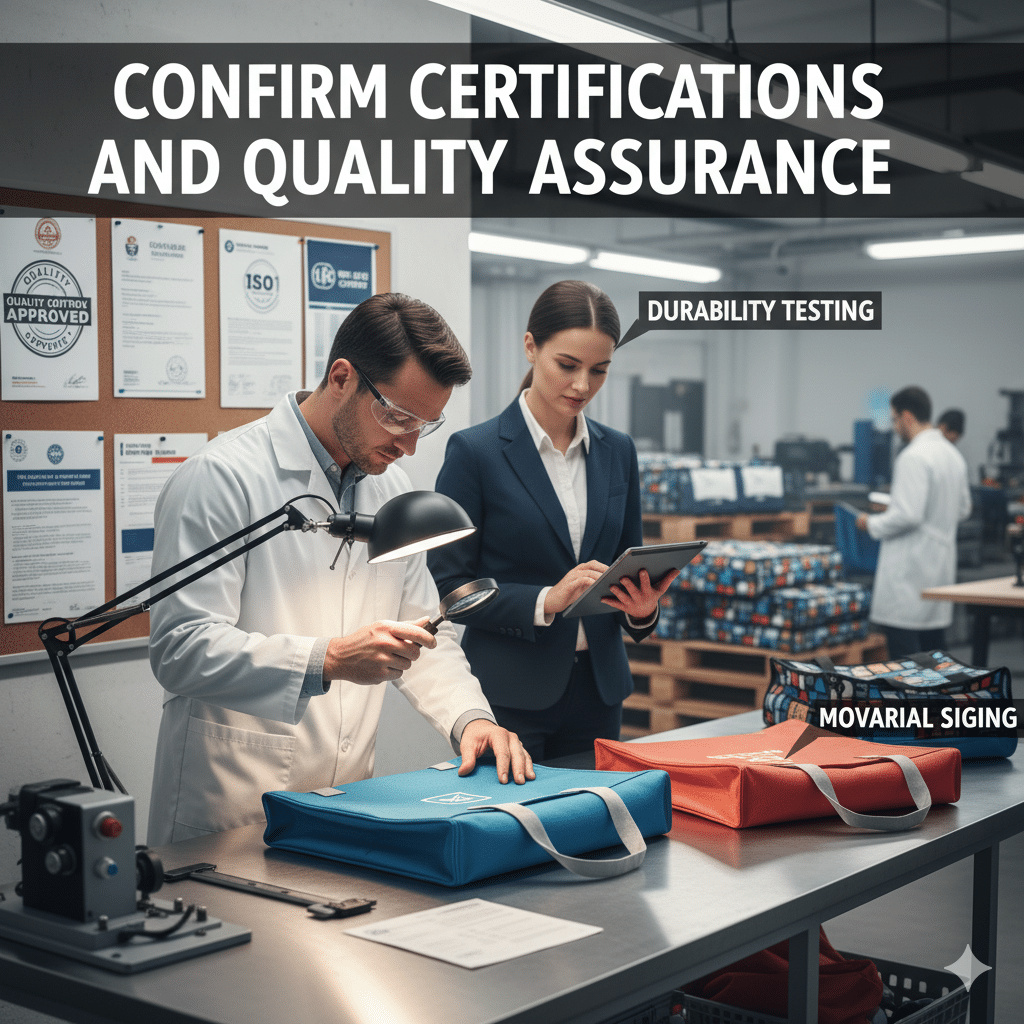
factory audit case study is the first checkpoint buyers should lock before they approve a supplier, budget, or production slot. A 5% variance in fabric weight between the approved sample and the first container is all it takes to turn a $50,000 moving bag order into a write-off. I’ve seen it happen. A perfect pre-production sample gets signed off, the FOB pricing looks good, but what lands at the port has a different feel, a weaker handle, and fails under load. This is precisely why a detailed factory audit case study is more valuable than any sales pitch. It’s the proof that a supplier can replicate quality at scale, moving beyond the ‘golden sample’ that so often misrepresents reality.
But most audits just scratch the surface, verifying paperwork instead of production capability. The real cost avoidance isn’t
The 50K-Unit Order That Demanded Zero Room for Error
A 50,000-unit order isn’t a transaction; it’s a bet on your supplier’s entire process.
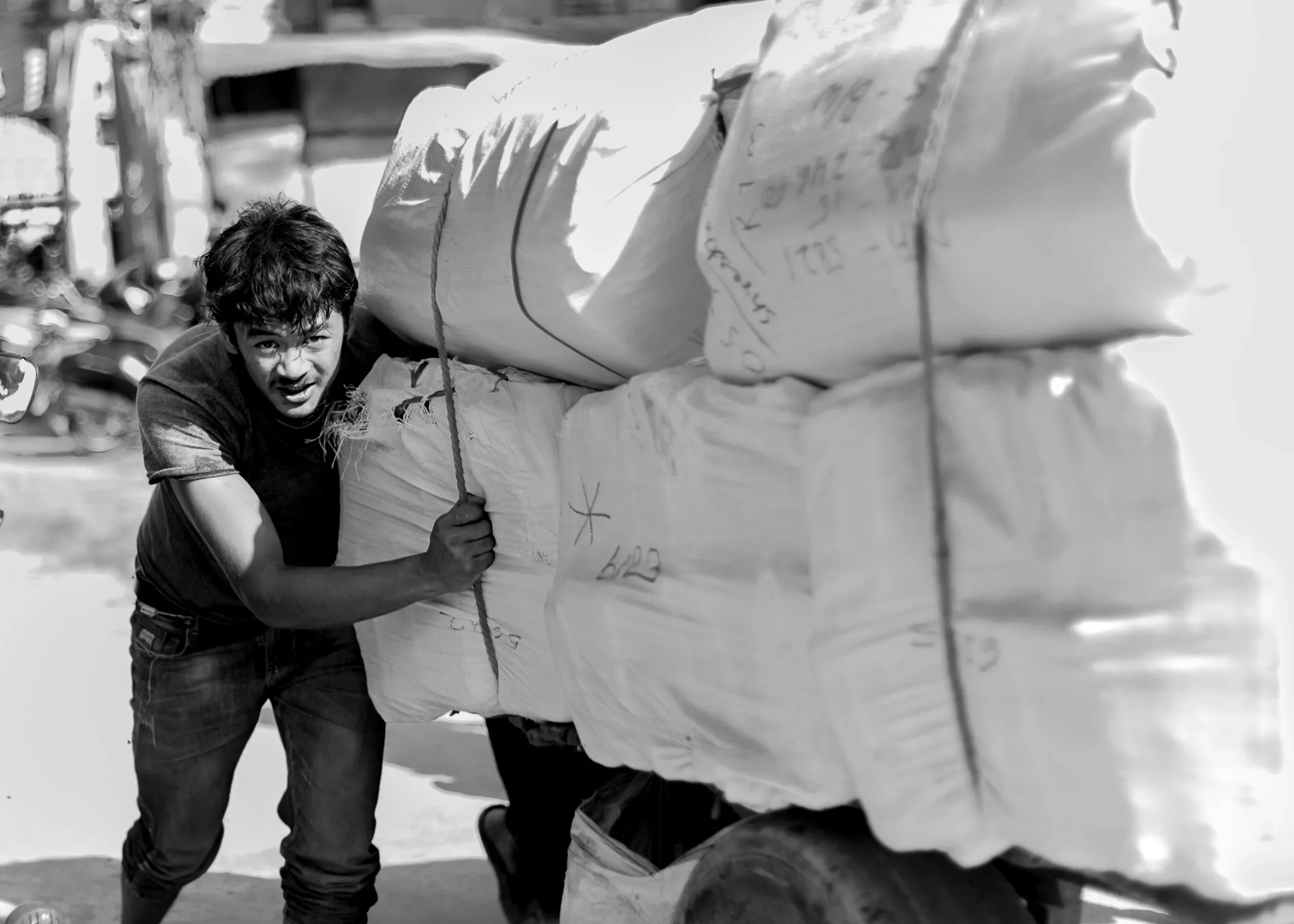
The request came from a major logistics company, and the stakes were clear. They needed 50,000 heavy-duty moving bags for a national rollout. A single handle failure or seam split in the field wouldn’t just be a defective unit; it would be a damage claim, a delayed move, and a hit to their reputation. They had been burned before on a large order where the beautiful pre-production sample didn’t match the quality of the mass production run. This time, there was zero room for error.
This wasn’t a standard procurement job. It was a mission in cost avoidance. The client understood that a slightly higher unit price was irrelevant if it eliminated the downstream costs of failures. Their mandate was simple: guarantee that bag #49,999 was identical in strength and construction to bag #1. This required a level of scrutiny far beyond a simple final inspection.
Our initial assessment during the factory audit uncovered the exact risk they feared. While the factory could produce a perfect sample, their raw material intake lacked robust traceability. This created a high probability of inconsistent woven polypropylene fabric GSM (grams per square meter) between batches. One roll might be 180 GSM, the next 165 GSM. For a bulk moving bags quality control program, this is a fatal flaw.
We calculated this gap would lead to a likely 4% rejection rate upon final inspection, or 2,000 failed units. More critically, it meant an unknown number of weaker bags could slip through, creating a massive liability. The entire project hinged on closing this process gap before a single bag was stitched.

Factory Audit: The 7-Pillar Framework in Practice
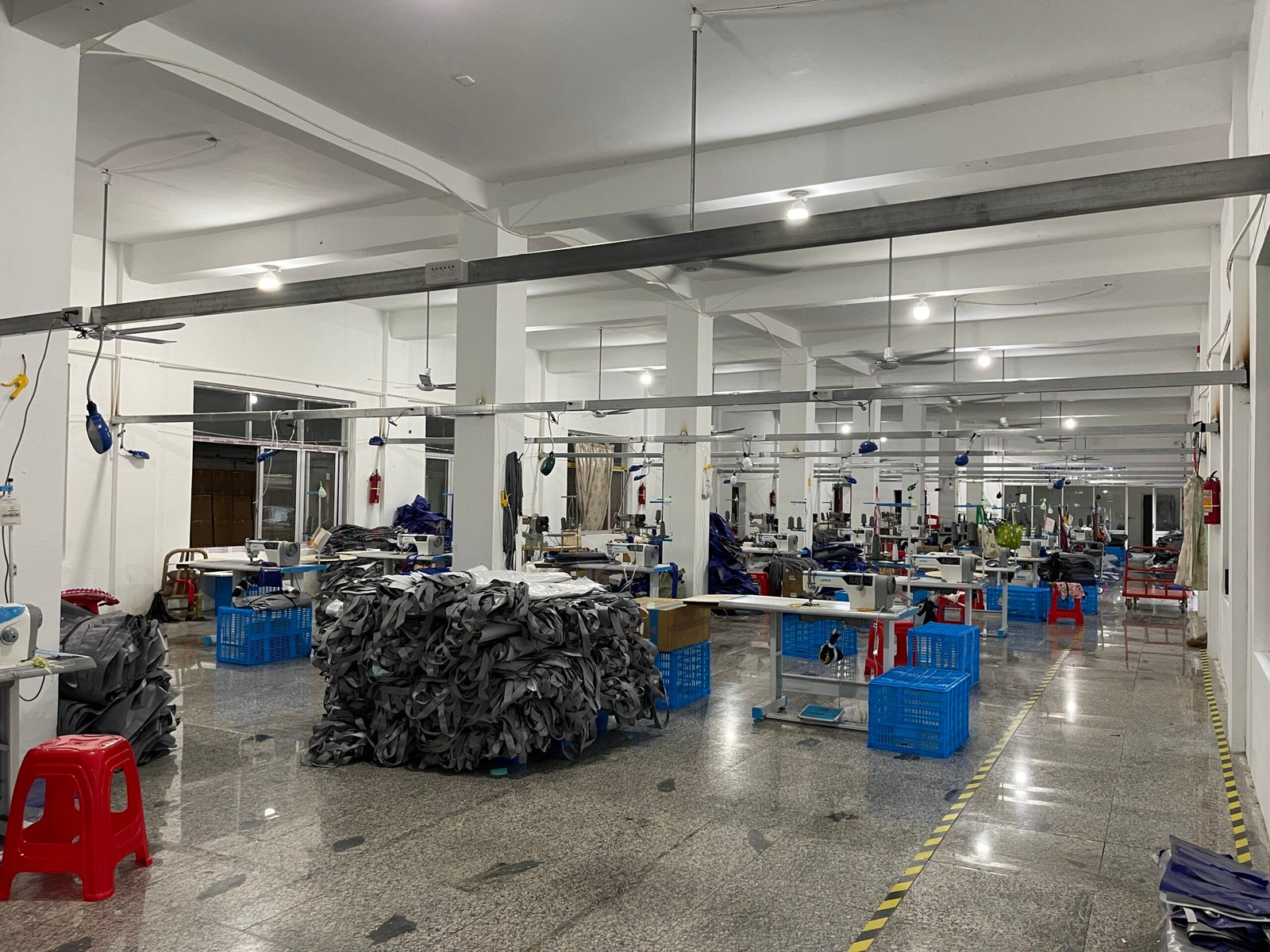
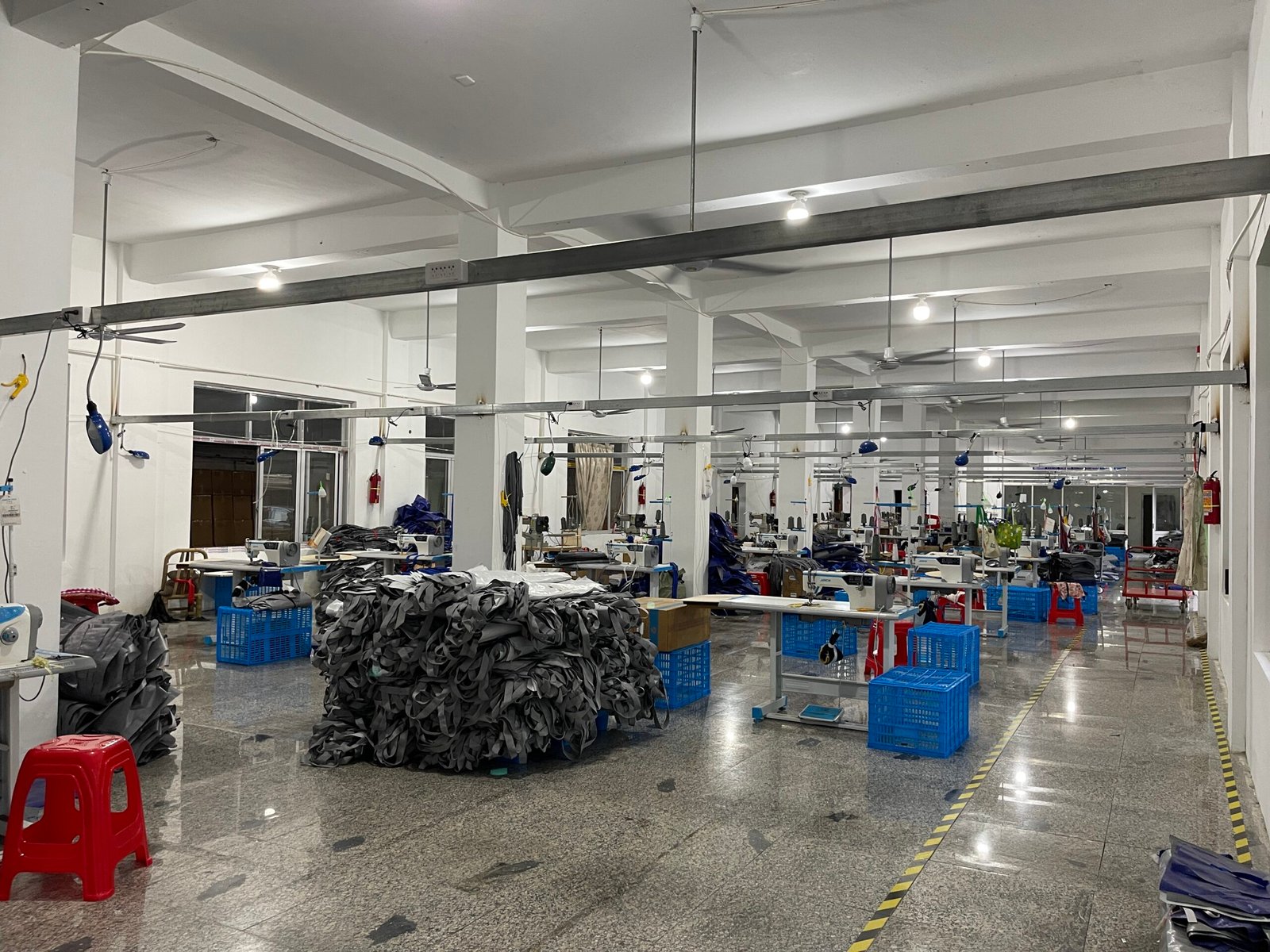
The on-site factory audit is where the spreadsheet meets the shop floor. It’s not about ticking boxes; it’s about stress-testing the supplier’s entire operational spine. For a 50,000-unit order of heavy-duty moving bags, where a single handle failure could have cascading consequences, a paper audit was out of the question. We went in with a 7-Pillar Framework designed to find the exact failure points that most procurement managers only discover when it’s too late.
Any factory can show you a business license and an ISO 9001 certificate. That’s the easy part. The real audit begins when you ask to see the documentation they have framed on the wall. I’m talking about corrective action reports, records of internal audits, and management review meeting minutes. If those folders are collecting dust, their Quality Management System (QMS) is just for show.
During this specific heavy duty moving bag factory audit, digging into their QMS uncovered a critical gap in raw-material traceability. The factory couldn’t definitively link a specific batch of incoming woven polypropylene fabric to a finished production lot. This is a massive red flag. It’s how you get wild variations in fabric GSM (grams per square meter) and color consistency. Catching and correcting this before production started averted what we calculated would have been at least a 4% rejection rate downstream.
Here’s a truth that separates professional suppliers from the rest: in-house testing capability. For moving bags, the non-negotiable piece of equipment is a tensile tester to verify handle weld strength and fabric tear resistance. Our research shows that only around 28% of woven PP bag producers actually own this equipment. The rest rely on third-party labs.
Why does this matter so much? It’s about the speed of the feedback loop. When a factory outsources testing, they might send a sample from Monday’s production run and not get the results until Thursday. By then, they’ve potentially produced tens of thousands of defective units. An in-house tensile testing moving bag factory can pull a bag off the line, test it in minutes, and make immediate adjustments to sewing tension or webbing quality. This is the foundation of genuine bulk moving bags quality control, not just quality inspection.

IPQC & Inline Defect Tracking: The 0.5% Escape Rate
Applying AQL sampling during production, not just after, reduced final inspection failures by over 60% on this project.
Any experienced procurement manager knows a final inspection is just a post-mortem. It tells you how badly the production failed, but it’s too late to fix the problem without incurring massive costs and delays. Finding a systemic handle stitching defect across 4,000 bags when they’re already packed is a catastrophic failure of process, not just product.
This is why In-Process Quality Control (IPQC) is non-negotiable. But it can’t be a supervisor just walking the floor. For this 50,000-unit order, we implemented a structured system using AQL 2.5 sampling with real-time correction loops—applying the statistical rigor of a final inspection at every critical production stage.
AQL 2.5 Sampling with Real-Time Correction Loops.
Here’s what that actually means on the factory floor: our QC technician pulls a statistically relevant sample of bags directly from a sewing line. They find a webbing stitch count that’s outside the agreed-upon quality tolerance specified in the sample approval phase. The correction loop is immediately activated. That specific sewing station is paused, the operator is shown the deviation against the golden sample, and the machine is recalibrated. The error stops there.
This isn’t micromanagement; it’s proactive risk mitigation. It prevents one operator’s mistake from contaminating thousands of units. This disciplined approach is precisely how we reduced final random inspection failures by over 60% compared to typical post-production checks. For a logistics manager, that’s the difference between a smooth shipment and a two-week delay arguing over rework and FOB pricing adjustments.

Post-Shipment Results & Client’s Cost Avoidance
The client’s total cost of ownership dropped 22%, proving a higher unit price can dramatically lower your end-of-year costs.
When the final containers were unloaded, the client’s receiving team confirmed a 99.5% zero-defect rate across all 50,000 units. Let’s be clear: this isn’t just a number for a report. It’s a direct reflection of what a pre-production audit is supposed to achieve—preventing problems, not just catching them after they’re made.
The real story is the cost avoidance. The initial audit uncovered a raw material traceability gap that would have led to a projected 4% failure rate. On a 50,000-unit order, that’s 2,000 failed bags. Instead, with the 0.5% actual defect rate, they dealt with just 250. That’s the difference between a minor operational task and a full-blown logistical fire drill.
- Direct Cost Avoidance: The client avoided the material, manufacturing, and freight costs for replacing an extra 1,750 defective bags. This alone dwarfed the initial investment in the audit process.
- Operational Savings: Eliminated the significant labor costs associated with processing returns, managing customer complaints, and arranging reverse logistics for thousands of failed units. The cost of handling a single defect often exceeds the product’s value.
- Risk Mitigation: Preventing handle failure in moving bags was a primary goal. Averting 1,750 additional bag failures directly reduced the client’s exposure to brand damage, and more critically, potential injury liability claims from end-users.
This is how we calculate the 22% drop in Total Cost of Ownership (TCO). The slightly higher FOB pricing for bags made under this rigorous process was insignificant compared to the multi-thousand-dollar risks it eliminated. For a procurement manager judged on budget performance, trading a few cents per unit to erase six-figure downstream risks is the most logical financial move on the table.
| Performance Metric | Achieved Result | Baseline Comparison | Client’s Cost Avoidance |
|---|---|---|---|
| Final Product Defect Rate | 0.5% (99.5% Defect-Free) | Averted a projected 4% rejection rate identified in audit. | Eliminated replacement logistics, returns processing, and brand damage costs for ~2,000 defective units. |
| Total Cost of Ownership (TCO) | 22% Reduction | Despite a higher initial per-unit price. | Proved higher upfront quality investment directly lowers total procurement costs by negating expenses from defects and liability. |
| In-Process Inspection Failures | Reduced by >60% | vs. Standard post-production-only QC routines. | Minimized costly end-of-line rework and prevented defect propagation, ensuring on-time shipment without quality compromises. |
| Structural Integrity Risk | Zero Post-Shipment Failures | Audit corrected a raw material traceability gap. | Mitigated risk of catastrophic bag failures, potential injury claims, and associated corporate liability. |


How to Apply This Audit Rigor to Your Moving Bag Supplier
You can apply the same audit principles from your desk by asking questions that can’t be faked.
Let’s be realistic. You’re not flying across the globe to spend a week on a factory floor for every order. But you can conduct a highly effective heavy duty moving bag factory audit remotely by asking questions that separate professional operations from basic assembly workshops. This isn’t about their sales pitch; it’s about their process DNA.
Instead of a generic checklist, focus your energy on three non-negotiable verification points. A supplier’s answers—or their inability to answer—will tell you everything you need to know about their capability to deliver a zero-defect moving bag order at scale.
- The Tensile Tester Litmus Test:A direct question can be posed: ‘Do you have your own tensile tester
- Raw Material Batch Records: Don’t just accept the fabric GSM on a spec sheet after your sample approval. For bulk moving bags quality control, demand to see the traceability records for their last three polypropylene raw material batches. Inconsistent source material is the primary cause of variation in durability and feel. If they can’t produce these records, you risk catastrophic variations from your approved standard.
- The AQL Conversation: Shift the conversation from ‘Do you have QC?’ to ‘What is your standard AQL 2.5 inspection protocol for major and minor defects on a run of this size?’ Then, follow up with: ‘Can you share an unedited inline inspection report from a similar production run?’ This question reveals their true quality tolerance. You want a partner who actively tracks and corrects defects during production, not one who just hopes for the best at the final inspection.
These questions are a powerful filter for any OEM moving bags factory audit. They force a supplier to prove their process maturity. A confident, transparent response is the single best indicator you have for preventing handle failure and achieving cost avoidance before you even begin to negotiate FOB pricing.
Conclusion
Executing a 7-pillar factory audit and verifying inline AQL tracking gets you 90% of the way to a successful order. This technical diligence separates a reliable supply chain from one riddled with the hidden costs of field failures and replacement logistics.
The final 10% that separates professionals from amateurs is codifying those audit findings into
Frequently Asked Questions
What does a 99.5% zero-defect rate mean?
It means that for a 50,000-unit moving bag order, only 0.5% of bags had defects that escaped our inline quality control. This rate is achieved by focusing on in-process checks rather. This metric reflects the effectiveness of our real-time production line corrections.
How do you catch defects during production?
We use In-Process Quality Control (IPQC) with real-time correction loops at critical assembly and stitching stations. This allows line supervisors to fix process deviations immediately, before they multiply. This proactive approach is more effective than just failing a batch at final inspection.
Why is an audit vital for large bag orders?
An on-site audit confirms a factory’s documented quality system matches its shop-floor reality, preventing costly failures. For a 50,000-unit order, a small variance in fabric weight or stitching can compromise. The audit is your primary tool for de-risking a significant capital investment.
What does AQL 2.5 sampling mean for my order?
Applying an AQL 2.5 standard means we inspect a specific sample size from a production batch for any defects. If the number of defective units is below the pre-set. It’s a statistical method that validates batch quality without inspecting every single bag.

0 Comments