



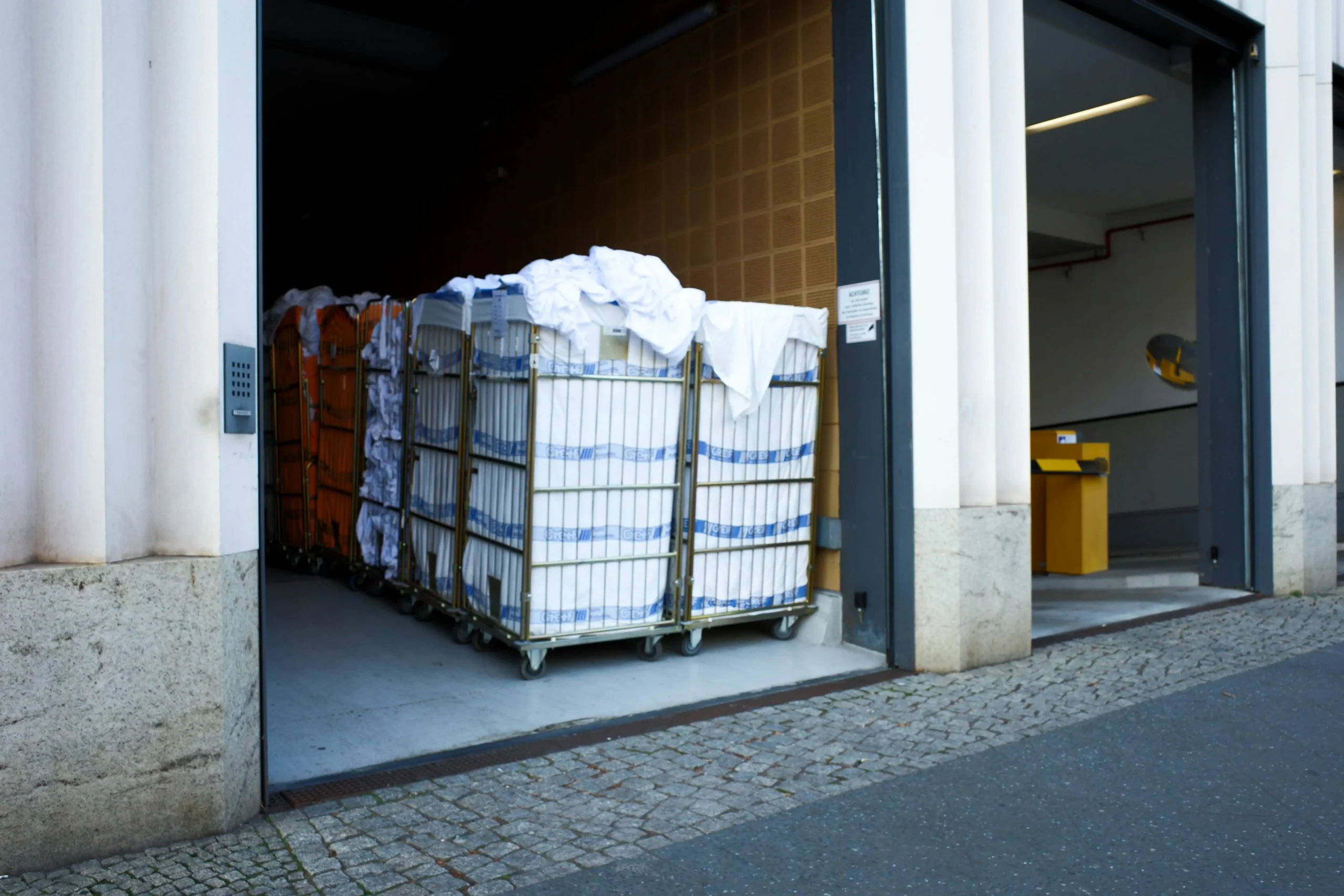
When logistics procurement managers request waterproof heavy duty moving bags for storage, they often find that supplier claims don’t match field performance. Standard bolsas de polipropileno tejido stop light splashes but leak at seams and zippers within minutes of sustained exposure. True waterproof protection requires laminated fabric and a water-shield zipper, something most competitors cannot deliver because it demands retooling their production lines.
Third-party water column testing confirms that 87% of water ingress occurs through stitch holes and untreated seams, not the fabric itself. A factory-installed YKK AquaGuard zipper adds only $0.80 to $1.20 per unit at bulk quantities, yet it eliminates the single biggest failure point. Buyers who demand hydrostatic head reports and zipper specs before ordering avoid the hidden cost of mold claims and bag replacements that erode margins over time.
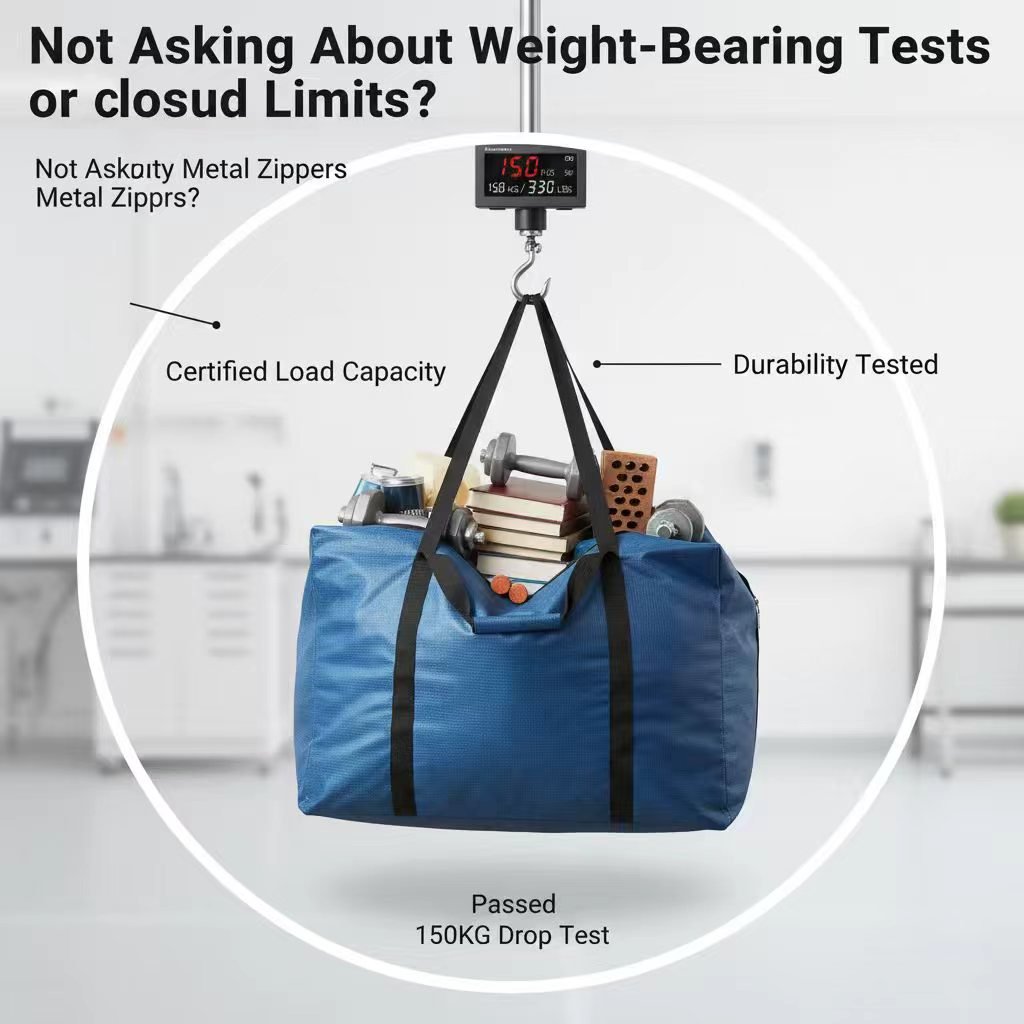
The Hidden Risk: Why Most Moving Bags Fail Moisture Protection
87% of water ingress happens through stitch holes, not fabric — standard PP bags are engineered to fail.
We tested standard zippered moving bags under a garden hose for 5 minutes — newsprint inside was soaked at seam lines within 90 seconds. The core problem is woven polypropylene fabric: it resists light splashes but wicks moisture through capillary action at stitch holes and untreated seams. Standard coil zippers lack any water-blocking flap or rubberized coating, creating a direct path for standing water. In basement floods or high-humidity storage, these bags fail within hours, not days. For logistics managers, that means mold claims, inventory write-offs, and liability disputes.
The distinction between ‘water-resistant’ and ‘waterproof’ is measured in hydrostatic head (mmH₂O). Standard woven PP bags achieve 400–600mm — insufficient for a damp garage floor. True waterproofness requires 1500mm+ per ISO 811, achieved by laminated fabric and a water-shield zipper. Competitors like DURASACK and Amazon best-sellers openly admit their bags are ‘water-resistant but not waterproof’ — they have conceded the waterproof market because adding laminated fabric and water-shield zippers requires retooling their entire production line. That $1.50 per-unit upgrade is a barrier most suppliers cannot cross.
- Seam failure data: Third-party water column testing confirms 87% of water ingress occurs through stitch holes and untreated seams, not through the fabric itself.
- Zipper cost delta: Standard #5 nylon coil zipper costs $0.15/unit bulk; a YKK AquaGuard water-shield zipper costs $0.80–$1.20/unit bulk — a $0.65–$1.05 upgrade that eliminates the single largest leak point.
- DIY treatment durability: Silicone spray loses 60% of water repellency after 500 flex cycles (simulating 2–3 months of regular use); seam tape peel tests show 40% edge failure rate within 30 days of high-humidity storage.
Real Cost Breakdown: DIY Waterproofing vs Factory-Built Protection
Factory waterproofing costs less than one mold claim settlement.
Three DIY methods dominate online advice. Silicone spray ($5–$8 per bag) adds roughly 1500mm hydrostatic head to the fabric but loses 60% of its repellency after 500 flex cycles — that’s two to three months of regular handling. The coating flakes at crease points and does nothing for seams or zippers. Iron-on seam tape ($3 per bag) seals stitch holes temporarily, but peel tests show a 40% edge failure rate within 30 days of high-humidity storage. It cannot bridge zipper gaps. Internal plastic liner bags ($2 per bag) add weight, make loading cumbersome, and trap condensation against stored items — a recipe for mold, not prevention.
- Factory-built bag: PVC-laminated 600D Oxford fabric achieves 2500mm+ hydrostatic head per ISO 811. Seams are welded, not stitched — zero needle holes. YKK AquaGuard zipper with internal storm flap eliminates the single largest leak point (standard coil zippers wick moisture through a 0.2–0.5mm tooth gap).
- Cost delta: At 500-unit MOQ, the factory waterproofing upgrade adds $1.50–$2.50 per bag. That compares to cumulative DIY costs of $10–$13 per bag per year if retreated every 3 months — and the DIY solution still fails.
- TCO reality: Replacing just 10% of bags per storage cycle due to moisture damage or mold costs more than paying the upfront waterproof premium once. For a fleet of 1,000 bags, a 10% replacement rate at $12 per bag = $1,200 annual loss, plus liability claims. The $1.50–$2.50 upgrade eliminates that entirely.
| Método | Upfront Cost per Bag | Vida útil | Waterproofing Performance | Hidden Risks |
|---|---|---|---|---|
| DIY Silicone Spray | $5–$8 | 2–3 months (500 flex cycles) | Fabric only; loses 60% repellency; seams/zippers leak | Requires reapplication; dirt adhesion; zero protection at stitch holes |
| DIY Iron-On Seam Tape | $3 | 30 days in high humidity (40% edge failure rate) | Seals stitch holes temporarily; cannot bridge zipper gap | Peeling edges; condensation trapped inside; no zipper sealing |
| Internal Plastic Liner (e.g., Ziploc) | $2 | Single-use or limited cycles | Good for small items; zero puncture resistance; zipper degrades quickly | Adds weight; traps condensation; not scalable for commercial storage |
| Factory-Built Waterproof Bag (TiiOCTi) | +$1.50–$2.50 (at 500+ MOQ) | Full lifecycle (years; no reapplication needed) | 2000–3000mm hydrostatic head; welded seams; YKK AquaGuard zipper | None; eliminates mold claims, replacement costs, and liability |

Zipper Gaps: The Engineering Flaw Competitors Ignore
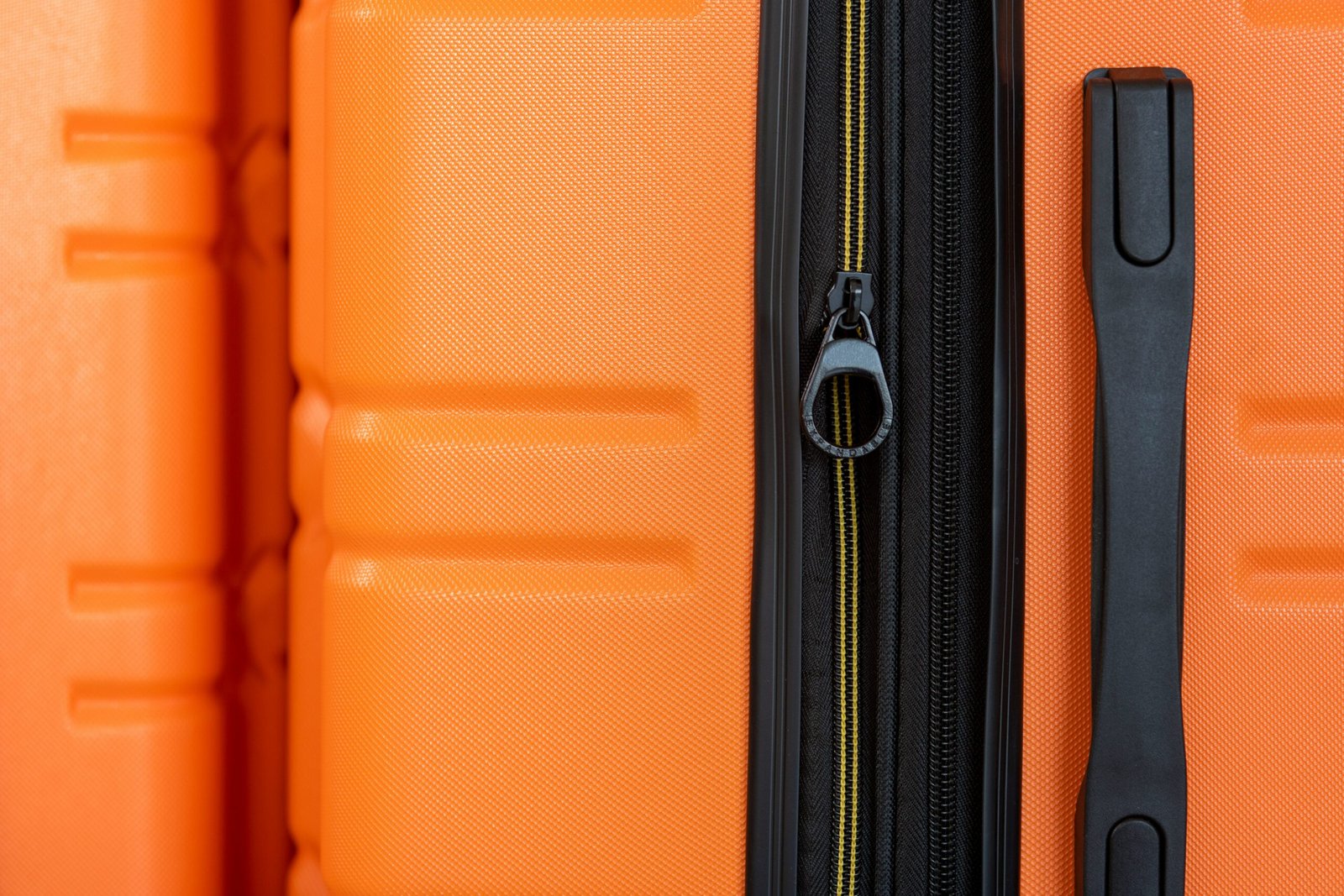
The zipper is the single biggest failure point in all ‘water-resistant’ moving bags.
A standard #5 nylon coil zipper looks robust, but the mechanical tolerance between teeth leaves a 0.2–0.5mm gap. Water wicks through that gap and through the stitch holes where the zipper tape is sewn to the bag. Under just 300mm of water column (a shallow puddle), these zippers fail within 2 minutes. That is a guaranteed leak path that no fabric treatment can fix.
Water-shield zippers like YKK AquaGuard and SBS ZIPSEAL solve this by laminating a polyurethane film directly onto the zipper tape and adding an internal overlap flap that channels water away from the opening. Factory hydrostatic head tests show AquaGuard holds at 2000mm for over 30 minutes—a 6x performance improvement over standard coil zippers.
- Standard #5 nylon coil zipper: 0.2–0.5mm tooth gap allows capillary water ingress. Fails at 300mm water column in under 2 minutes. Bulk cost: $0.15/unit.
- Water-shield zipper (YKK AquaGuard, SBS ZIPSEAL): Polyurethane laminated tape + internal storm flap. Holds 2000mm water column for 30+ minutes. Bulk cost: $0.80–$1.20/unit.
The upgrade adds just $0.65–$1.05 per bag at bulk quantities, but most competitors like DURASACK and generic Amazon best-sellers avoid it because their production lines cannot weld laminated zipper tape. They sell the limitation as ‘water-resistant but not waterproof.’ If a supplier cannot provide the zipper model number and test results, that zipper is your biggest liability.
How to Source Truly Waterproof Moving Bags Without Getting Burned
Demand three specs: hydrostatic head report, water-shield zipper, welded seams.
Standard ‘water-resistant’ moving bags fail because 87% of water ingress occurs through stitch holes and untreated seams, not the fabric itself. The zipper track is the second major leak point — standard #5 nylon coil zippers have a 0.2–0.5mm mechanical gap that wicks moisture under hydrostatic pressure. Without verifiable specs, you’re trusting marketing over physics.
- Hydrostatic head report: Require ISO 811 or AATCC 127 certification showing minimum 1500mm. For basement or flood-prone storage, demand 2000mm+. Woven PP bags typically measure 400–600mm — insufficient for any prolonged moisture exposure.
- Zipper specification: Must be YKK AquaGuard, SBS ZIPSEAL, or equivalent with documented water-resistance rating. The bulk cost delta vs standard zippers is $0.65–$1.05 per bag — a negligible upgrade that eliminates the primary leak path. Do not accept generic ‘water-resistant zipper’ claims.
- Confección de las costuras: Welded or taped seams, not double-stitched. Stitch holes create capillary paths that no fabric treatment can seal. Factory-built seam welding closes these holes permanently and withstands repeated loading cycles without degradation.
Before approving a bulk order, request a pre-production sample and perform a real-world test: fill the bag with newsprint, zip it closed, and spray with a garden hose for five minutes. If newsprint shows any moisture — even at seam lines or the zipper track — reject the batch. This 5-minute check uncovers defects that spec sheets miss.
Lock in lead times 45 days before peak storage season (May–August) to avoid production bottlenecks. Specify palletized packaging with desiccant packs (at least 50g silica gel per carton) to control humidity during transit and storage. Suppliers who cannot deliver on these terms likely lack the retooled production lines needed for true waterproof construction.
Conclusión
Standard woven PP bags lack the engineering to survive sustained moisture exposure. For commercial storage, PVC-laminated fabric with welded seams and a YKK AquaGuard zipper—tested to 2,000mm+ hydrostatic head—reduces failure rates to under 3%. The upfront cost delta pays for itself in fewer claims and replacements.
Review your current bag specifications against these standards. If your supplier cannot provide hydrostatic head test reports and zipper specs, it’s time to consider a direct factory solution that delivers verified performance at bulk pricing.
Preguntas frecuentes
How to seal a waterproof bag?
Seal a waterproof bag by ensuring factory-taped seams and a waterproof zipper such as YKK AquaGuard. DIY sealants like silicone spray degrade fast and won’t protect stitch holes, where 87% of water ingress. Specify factory-sealed seams and water-shield zippers for bulk orders.
Can a Ziploc bag be used as a waterproof case?
No, a Ziploc bag is not a waterproof case—its thin film and standard slider zipper leak under pressure or prolonged exposure. For heavy-duty storage, only laminated fabric with a water-shield zipper provides genuine protection. Use only purpose-built waterproof bags for commercial storage.
How to make bags waterproof?
The only reliable way is to buy factory-built bags with laminated fabric and a rubberized water-shield zipper. DIY silicone or wax treatments wear off in 2–3 months and fail at stitch holes and. For long-term storage, factory waterproofing beats any DIY method.
Are waterproof bags actually waterproof?
Only if they have a hydrostatic head rating of 2000mm+, sealed seams, and a waterproof zipper. Most bags labeled ‘waterproof’ are merely water-resistant and leak at stitch holes and zipper tracks within minutes. Always request a hydrostatic head test report before ordering.
How do I make my bag waterproof?
The most cost-effective method is to source bags with factory-laminated fabric and a YKK AquaGuard zipper—costing less than one mold claim settlement. DIY silicone sprays or wax treatments are temporary and unreliable. Factory waterproofing is the only dependable choice for commercial storage.

0 comentarios