



Quick answer: Sublimation fuses dye into polyester at 190 C and leaves no hand feel, while heat transfer applies a printed film at 150 C onto any fabric including cotton and adds a physical layer. Sublimation survives 60 washes; heat transfer film holds 30 to 40 before the edges lift.
How Each Method Bonds To Fabric
The difference sits in the fibre, not the press. Sublimation turns solid dye into gas that opens the polymer structure and locks inside it, so the print becomes part of the yarn. Heat transfer carries a pre printed film with its own adhesive layer, and that layer is what ages.
- Sublimation: polyester or a polymer coated surface, 190 C for 40 seconds, no carrier film.
- Heat transfer film: cotton, canvas or blends, 150 C for 18 seconds with a pressure of 3 bar.
- Digital transfer paper: any fabric through a paper carrier, 165 C for 25 seconds.
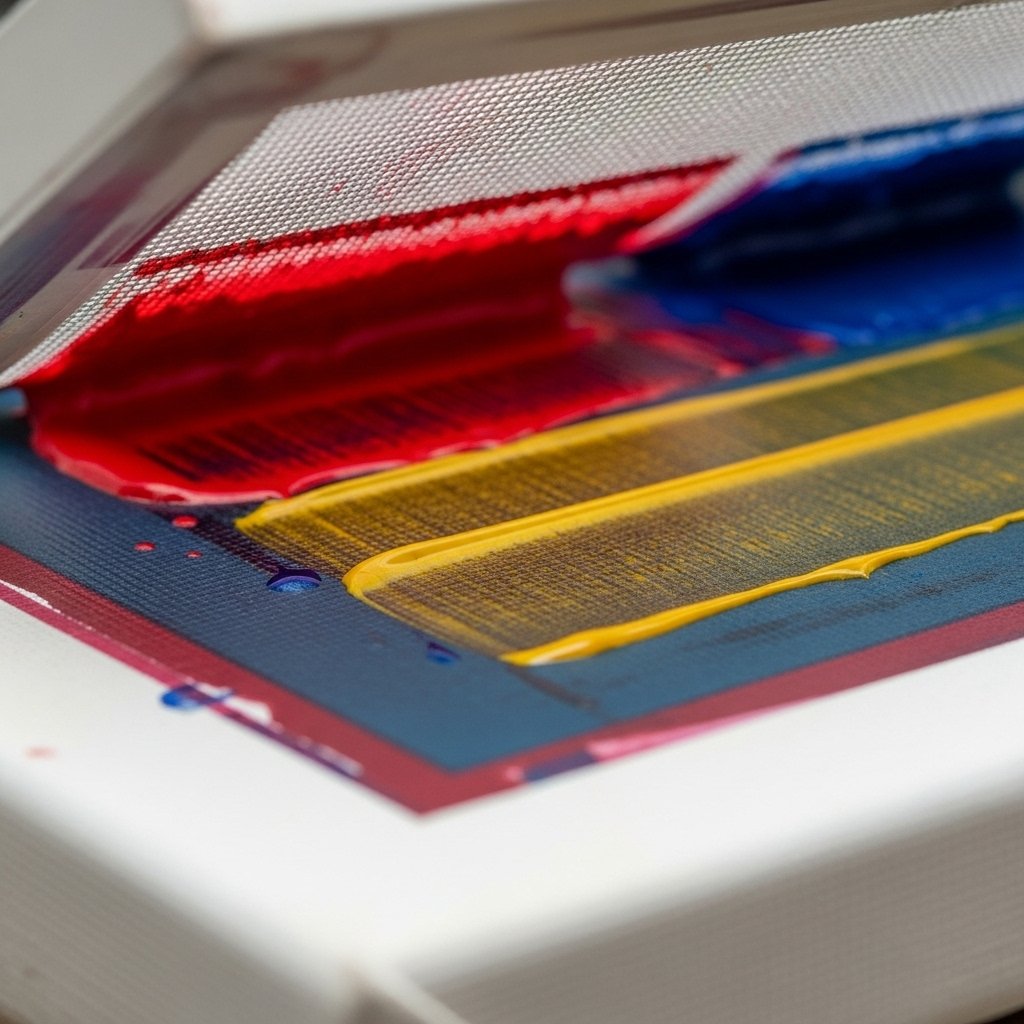
- Screen print: ink pushed through a mesh, one screen per colour, cured at 160 C.
- Direct to garment: cotton only, printed and cured in place, 90 seconds per piece.
Side By Side Comparison
The table below compares the four methods on the values a buyer needs at quotation stage, using a 380 by 420 mm tote with a full colour logo at 200 mm wide.
| Método | Substrate | Temperatura | Press time | Hand feel | Wash life | Setup cost |
|---|---|---|---|---|---|---|
| Sublimation | polyester only | 190 C | 40 seconds | none, fibre dyed | 60 plus washes | 0 USD |
| Heat transfer film | cotton and blends | 150 C | 18 seconds | film layer, 0.1 mm | 30 to 40 washes | 25 to 60 USD |
| Digital transfer paper | algodón y lona | 165 C | 25 seconds | soft, slight coat | 40 washes | 0 USD |
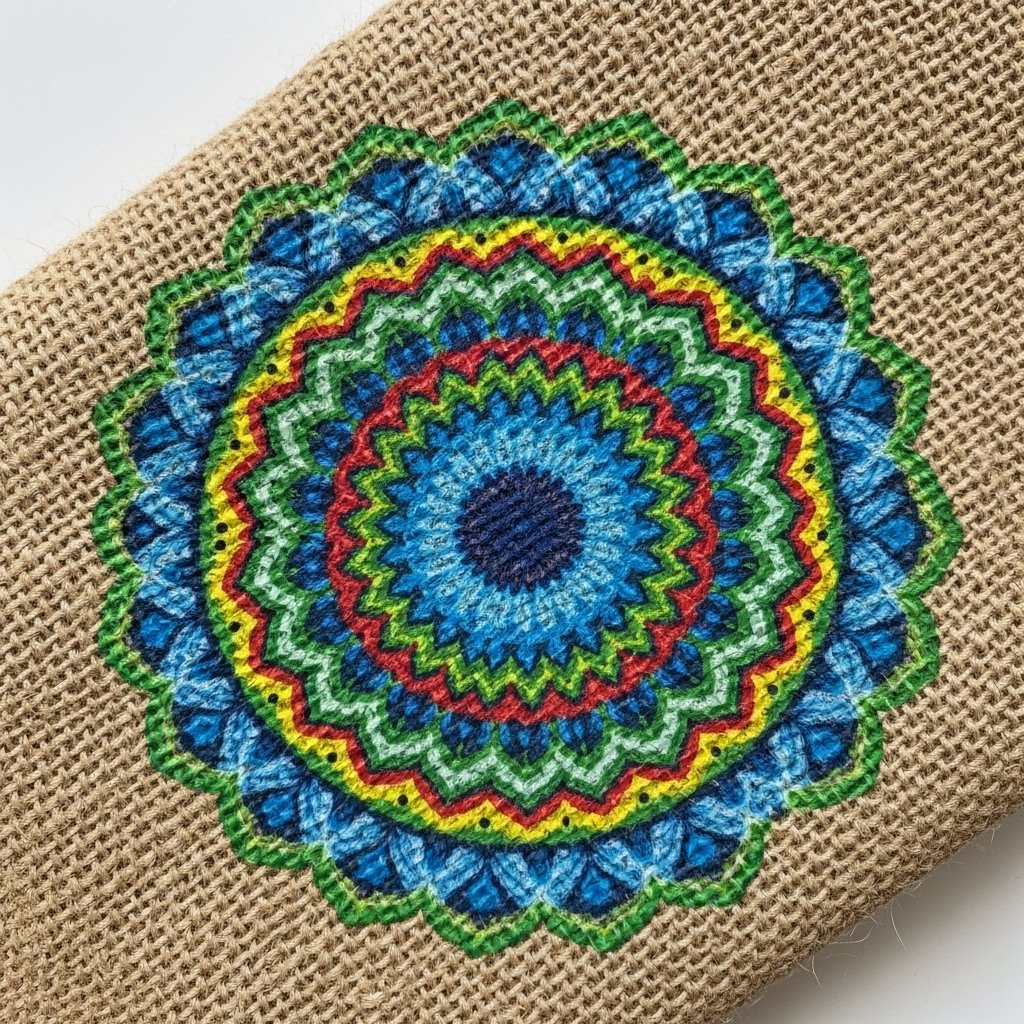
| Screen print | cotton, canvas, jute | 160 C cure | 2 minutes per colour | ink film, 0.05 mm | 50 plus washes | 30 USD per colour |
| Direct to garment | cotton only | 160 C cure | 90 seconds | none to slight | 30 washes | 0 USD |
Cost Per Piece At Three Order Sizes
Method choice changes with quantity because the setup is fixed and the print time is not. At 500 pieces the gap between the cheapest and the dearest route is 0.38 USD per bag; at 10,000 pieces it closes to 0.12 USD.
A one colour logo at 500 pieces costs about 0.25 USD by screen print, 0.45 USD by heat transfer film and 0.60 USD by direct to garment. The same logo at 10,000 pieces falls to 0.09 USD, 0.22 USD and 0.34 USD. Sublimation holds a flat rate of 0.35 USD at both sizes because there is no screen or film to amortise, which makes it competitive only in the middle of the range.
Which Method Fits Which Fabric
Cotton canvas rules out sublimation, and polyester rules out the most forgiving transfers. A buyer who sends a cotton canvas order to a sublimation press receives a faded print within 5 washes, and a buyer who sends polyester to a film transfer receives a print that lifts at the edge in the first month.
For a cotton canvas tote, screen print in up to six colours or a digital transfer paper give the best wash life. For coated and laminated fabrics the coating decides adhesion, and the interaction between print and coating is set out in fabric coatings for PP bags. For jute, a heat transfer film covers the coarse surface evenly where a screen print would sit in the weave gaps.
Approving A Print Before The Run
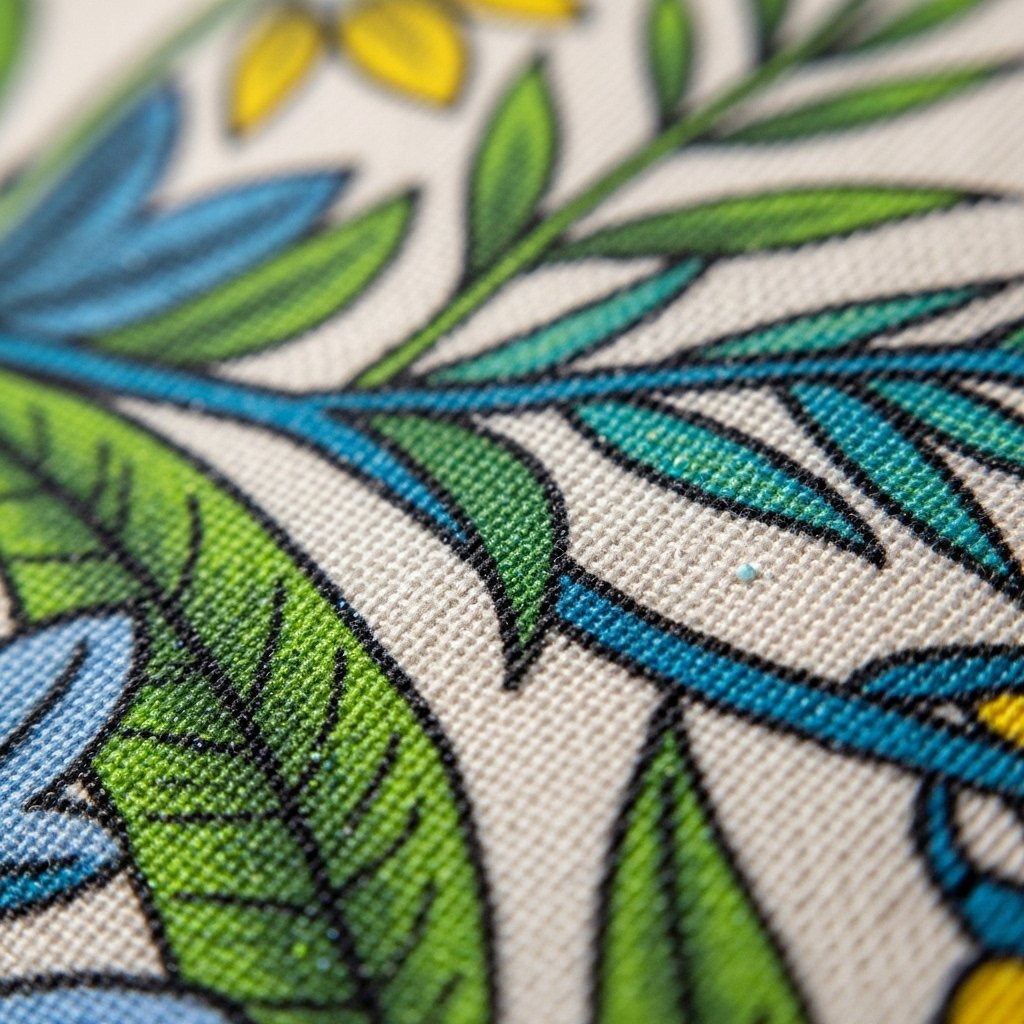
Press a strike off on the actual fabric, then wash it three times at 40 C with detergent and air dry. A print that passes the wash test with no lift, no crack at the fold line and no colour shift over a grey scale of 4 is approved.
Order the strike off with the bag sample rather than on a flat swatch, because a curved surface on a gusset or handle takes print differently from a flat sheet. Buyers who ship samples to a distributor face the same handling question, and the route for that is covered in shipping bag samples internationally.
Preguntas frecuentes
Can you sublimate on cotton bags?
No. Sublimation needs polyester or a polymer coated surface. On untreated cotton the dye does not bond and the print fades within about five washes.
How long does heat transfer last on a tote bag?
Thirty to forty washes for a film transfer applied at 150 C for 18 seconds. Edges lift first when the pressure falls below 3 bar.
Which printing method is cheapest for small orders?
Screen print at one colour for 500 pieces, at about 0.25 USD per bag. Transfers cost 0.45 USD and direct to garment about 0.60 USD at that size.
Does print method change at volume?
Yes. At 10,000 pieces screen print falls to about 0.09 USD per bag while sublimation stays near 0.35 USD, because it has no setup to amortise.
Buyers planning a printed programme can review the print and construction range on bolsas personalizadas, and the coating behaviour that decides adhesion sits in fabric coatings for PP bags. Handling and freight on approval samples are covered in shipping bag samples internationally. Colour fastness and washing test grades follow the standards published by the International Organization for Standardization.


0 comentarios