



The first bag order is a discovery project; the fifth reorder should be a phone call. Between those two states sits a set of procurement structures that mature bag programs put in place: locked specifications, locked quotes, and standing production lines. Without them, every reorder re-litigates the spec sheet, re-negotiates the price and re-queues the production — three sources of delay that compound with every season. This guide covers the three structures and how to build them into a supplier relationship.

Spec lock: the master document
A locked specification is the single document that defines the product completely enough that two people reading it independently would build the same bag: material and weight, dimensions with tolerances, construction details, print method and artwork references, color standards, packaging and carton marks. The discipline is version control — the spec carries a revision number, changes are dated and initialed, and the production order references a spec revision, not a conversation. The payoff appears at every reorder: no re-sampling to “check we’re on the same page”, no drift in material weight or dimensions between runs, and a clean basis for the pre-shipment inspection. Spec lock also underwrites quality claims — the acceptance criteria in our AQL tables and defect classes guide only mean something against a defined product. Buyers extending their own brand onto the bags should layer the trademark and exclusivity terms on top, the protections we cover in private label versus white label bag programs.
Quote locks and the reorder price
Quote locks answer the question every reorder asks: at what price? The structure that works for mature programs is a price schedule attached to the spec — unit pricing by quantity band, valid for a stated period, with defined adjustment triggers (raw material index moves, exchange-rate bands) rather than open-ended renegotiation. The alternative, re-quoting every order, makes the reorder cycle hostage to whatever the material market is doing that week and to whoever answers the quote request first. Quote locks pair naturally with the freight side of reorder economics: the per-bag landed cost model from our ocean freight and unit cost analysis and the quote-comparison framework in comparing freight quotes for bulk bag orders both assume stable product pricing underneath — which is exactly what the lock provides. The seasonal dimension matters here too: price locks agreed before peak season protect reorder economics when factory capacity tightens, the timing dynamics in our import peak season calendar.
Standing lines: capacity you own a piece of
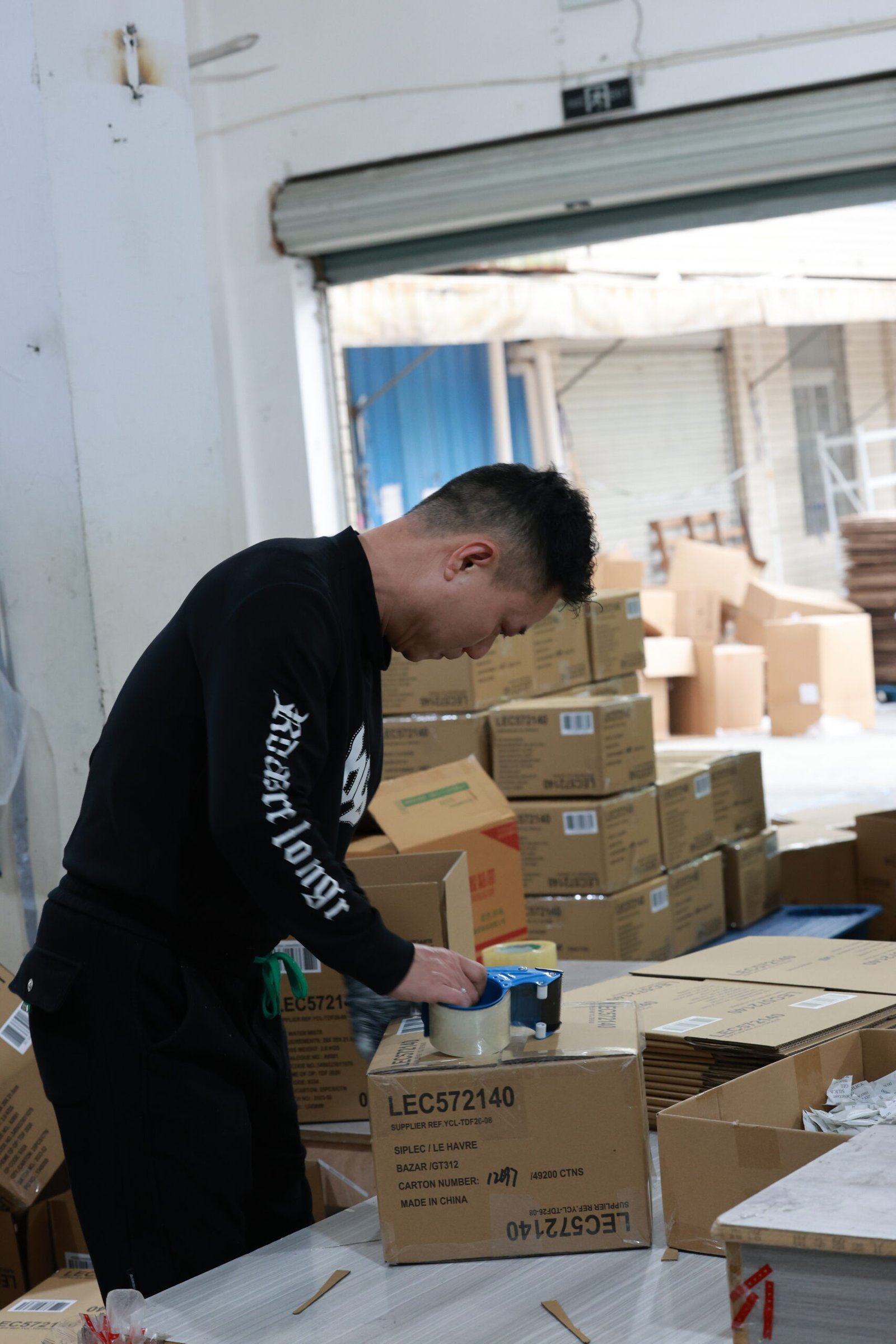
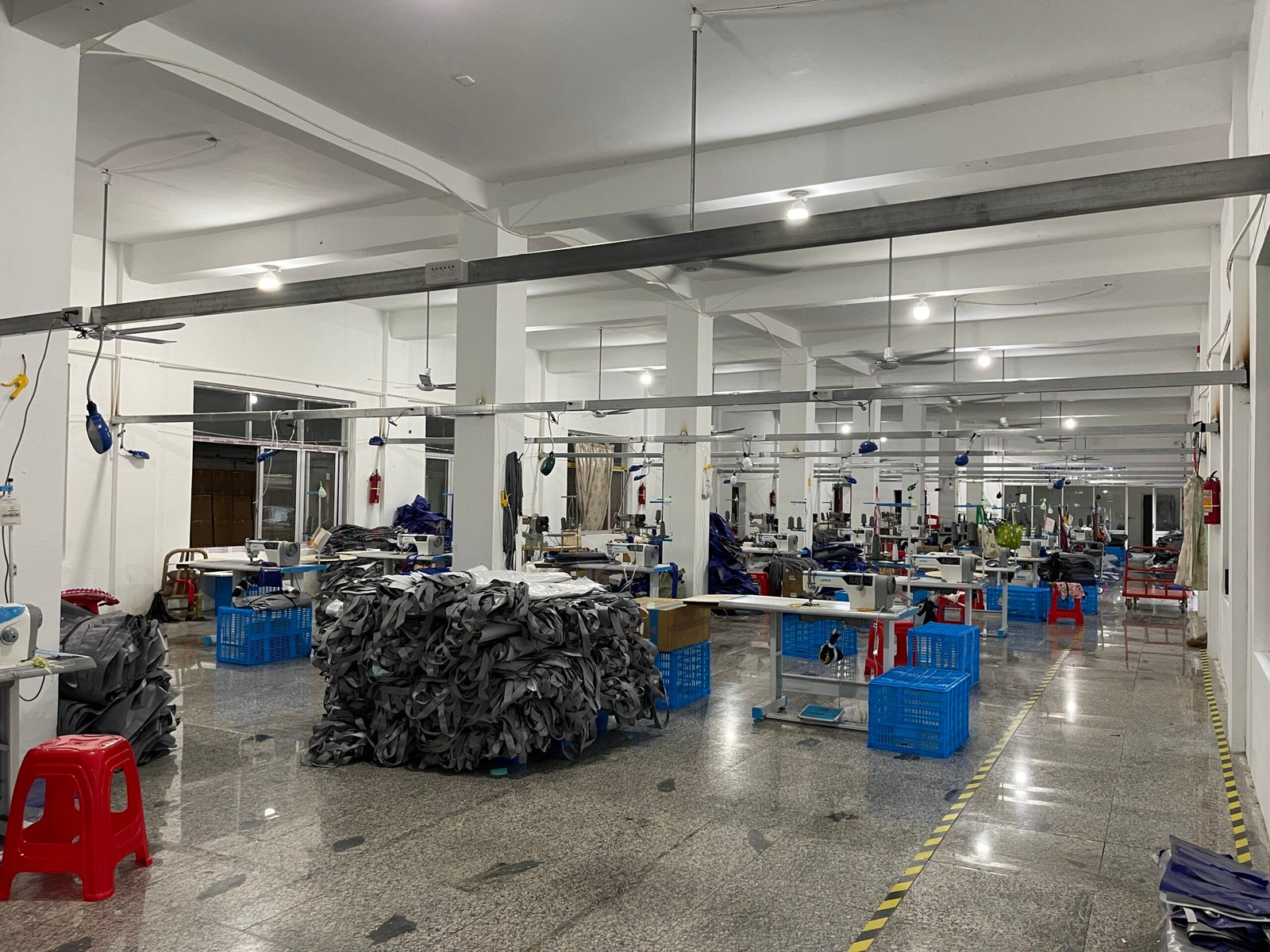
A standing line is pre-agreed production capacity: the factory reserves slots on a schedule — monthly or quarterly — typically holding 10 to 20 percent of line capacity for the program, and the buyer’s reorders flow into them without joining the general queue. Standing lines convert the reorder from a negotiation into a logistics event, and they are the structure that makes everything else pay off: a locked spec means the standing line can run without re-approval, a locked quote means the booking is a quantity decision, and the reserved slot means the delivery date is real. The commitments on both sides are what make a factory offer one: predictable volume, honest forecasts and shared calendar planning. Programs running standing lines through our logistics and moving solutions supply chain see the effect at the receiving dock — cartons that arrive as scheduled, to the locked spec, at the locked price. Trade documentation for recurring orders runs smoother as well: recurring commercial paperwork follows harmonized frameworks maintained by the World Customs Organization, whose harmonized system underpins the tariff codes recurring programs reuse.
Video: bag reorder production
Reorders are streamlined, not improvised: a version-controlled spec that two readers build identically, a price schedule with defined adjustment triggers instead of weekly renegotiation, and standing production capacity that turns the reorder into a booking. Build the three structures once, honor the commitments both ways, and the fifth reorder is exactly what it should be — a phone call.


0 comentarios