



Gusset vs Flat Bottom Totes: Structure, Capacity, and Stacking Differences
Two totes can share the same fabric, the same print and the same handle and still behave completely differently on a shelf and in a shipping carton. The difference is the bottom. A gusseted tote carries extra panels folded into its sides or base so it can open out into a boxy volume; a flat bottom tote is cut from two faces sewn edge to edge and lies as flat as the fabric allows. That one construction choice drives capacity, how the bag stands, how it stacks, and what it costs. Here is how the two compare and when each one is the right build.
Structure: Folds Versus a Single Plane
A gusset is an allowance of material, usually an inverted fold at each side or a boxed base panel, that lets the bag expand once something is inside it. The gusset is what gives a shopping bag its ability to stand open and hold a bottle upright instead of letting it topple against a flat face. A flat bottom tote has no such allowance. Its two panels are sewn directly together, so when empty it is essentially two-dimensional, and when full it bulges outward rather than forming a defined base. The gusset adds a manufacturing step and a little more fabric; the flat bottom is the simpler cut.
Capacity: Where the Two Diverge Most
For the same length and height, a gusseted tote carries materially more, because the depth it gains from the fold is volume that a flat bottom simply does not have. A flat bottom bag holds what it can press against its faces; a gusseted bag of the same face dimensions encloses a real three-dimensional box. If the tote has to carry anything with bulk or height, like grocery items, a gym kit or a product that must not be crushed flat, the gusset is usually the deciding feature. For thin, flat goods like documents, folded garments or promotional inserts, the lost depth costs you nothing.
Stacking and Storage: The Flat Bottom’s Quiet Advantage
The trade-off flips in storage and freight. A flat bottom tote folds to almost nothing and nests tightly in a carton, so more units fit per shipment and the empty bags take barely any shelf space in a store back room. A gusseted tote, even collapsed, keeps some bulk at the folds and stands less predictably once stacked. For a retailer receiving thousands of empties that must live in a stockroom drawer until a customer asks, that flat nesting matters. The size and carton math is the same logic behind standard tote and shopping bag sizes.
Cost: The Price of the Extra Panel
A gusseted build costs a little more for two reasons: more fabric per unit and one more operation on the line to form and sew the fold or base panel. On a short promotional run that difference is trivial; across a bulk retail order it is a real line item. The material also changes the picture, which is why a jute versus canvas comparison is worth reading alongside structure: a stiff canvas or laminated PP holds a gusset’s shape better than a limp fabric, while a soft fabric flat bottom stays packable where a stiff one would fight the fold.
Choosing Between the Two
Choose a gusseted tote when the bag has to stand up, hold bulk or height, present products open on a counter, or protect contents from being crushed flat. Choose a flat bottom when the load is thin, when you ship or store large quantities of empties, when the order is short and cost-sensitive, or when a slim profile in a mailer or on a rack is the point. Handles and finishes shift the feel of either build, as set out in custom tote hardware options, but they do not change the base decision. For reusable retail bags that must stand and show product, the gusseted shopping tote and structured canvas tote builds are the default; for flat, high-quantity, cost-driven goods, the flat bottom is the leaner, smarter cut.
Preguntas frecuentes
What is the difference between a gusseted and a flat bottom tote?
A gusseted tote has folded side or base panels that let it expand into a boxy volume and stand open; a flat bottom tote is two panels sewn edge to edge, lying flat with less capacity but tighter nesting for shipping and storage.
When should I choose a flat bottom tote over a gusseted one?
When the load is thin and flat, when you move or store large quantities of empties that must nest tightly, or when the order is short and cost-sensitive and the extra capacity of a gusset adds fabric and sewing cost you do not need.

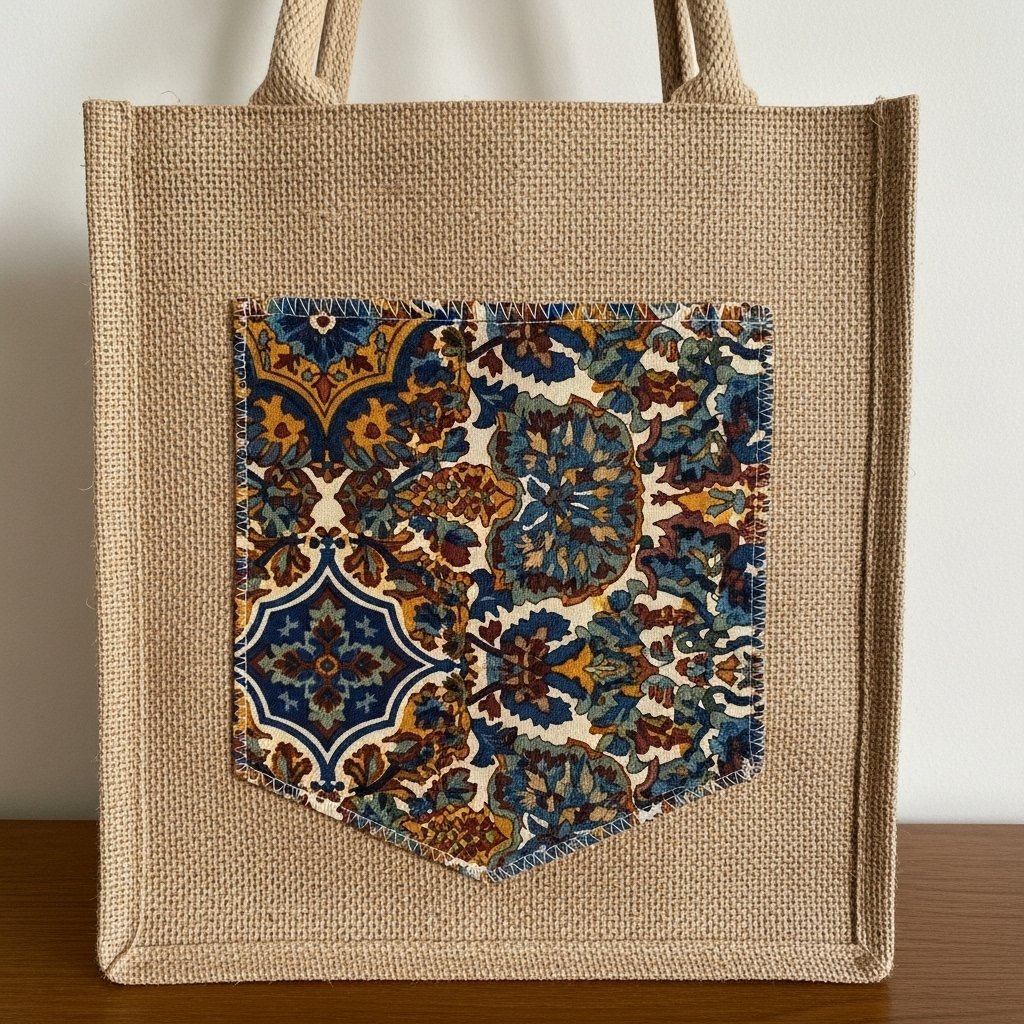

Lecturas relacionadas: Bottom Gusset vs Side Gusset vs Flat: The Bag Structure That Changes Capacity and Cost
Lecturas relacionadas: Bag Base Boards and Reinforcements: What Keeps a Tote Standing

0 comentarios