...
Fábrica auditada por la BSCI | DDP Envío a EE.UU./UE/AU

China-Europe Rail vs Sea Freight for Bags: Transit Time, Cost, and Risk

Tiempo de lectura: ( Word Count: )

agosto 14, 2026

Bag importers moving goods from Chinese factories to European markets have two realistic surface options: ocean freight through the Suez route, and the China-Europe rail corridor. The choice changes cash flow, working capital, and the risk profile of the shipment, and the correct answer differs by order size and product value. This guide compares the two modes on transit time, cost per cubic metre, and the risks each one carries for textile and bag cargo.

Sea Freight Shipping Made Simple

Transit Time: The Working Capital Difference

Sea freight from a Chinese port such as Yantian or Ningbo to Hamburg or Rotterdam runs 28 to 38 days on the water, plus port dwell and customs. Rail freight through the China-Europe corridor, departing from Xi’an or Chongqing and entering Europe through Malaszewicze in Poland, delivers door-to-door in 18 to 25 days. The ten-to-fifteen-day difference is not only a customer-service matter; it is working capital, because goods sitting on a vessel are inventory you have paid for but cannot sell.

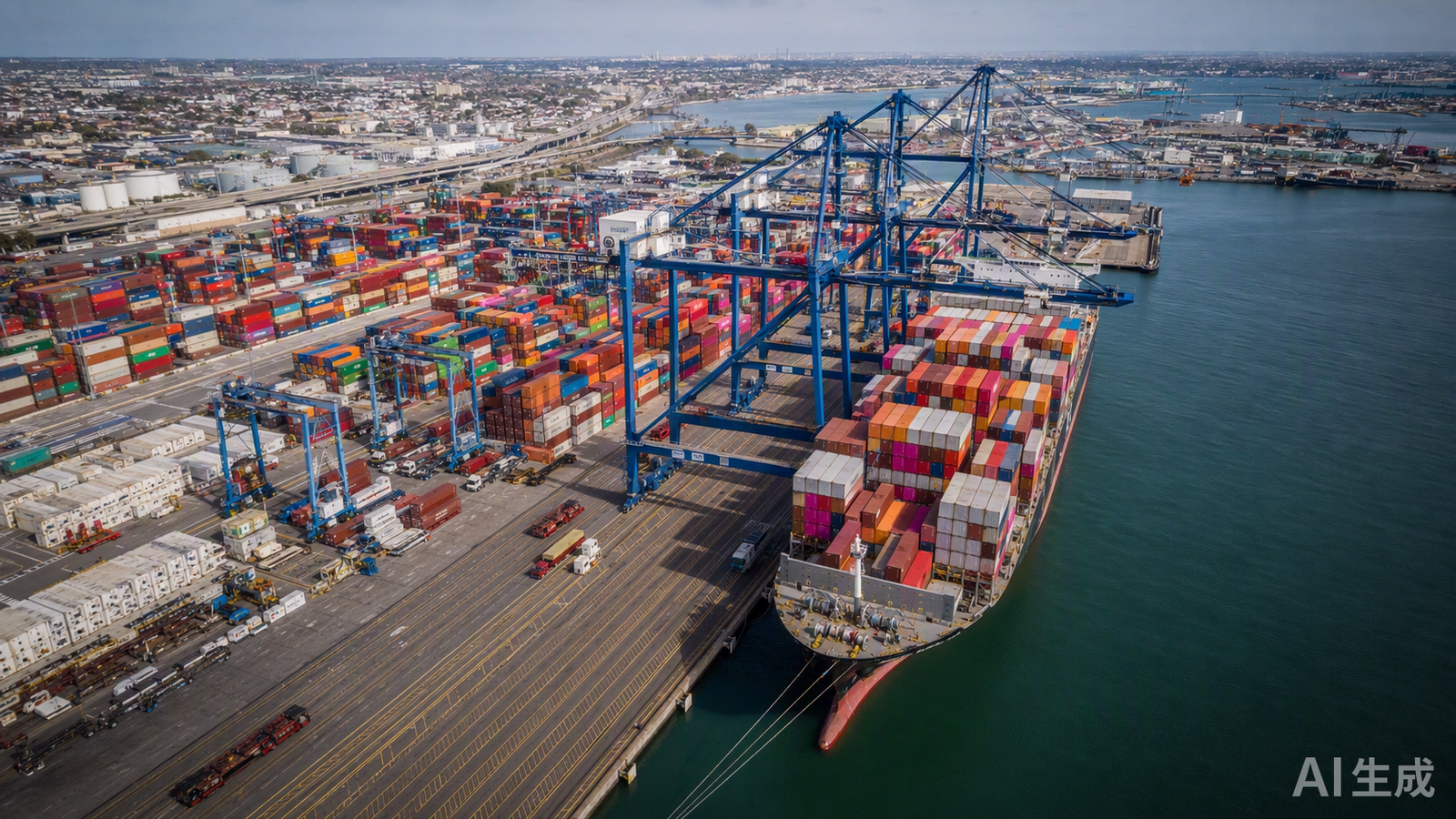
Shipping containers at port for bag imports

Cost per Cubic Metre: Where Each Mode Wins

Sea freight remains the cheapest mode per cubic metre at almost any rate environment, which is why it carries the overwhelming share of bag imports. Rail sits between sea and air: typically 2.5 to 4 times the sea rate per CBM for a 40-foot equivalent, with the premium concentrated in the shorter transit window. For flat-pack, compressible bag cartons that cube out a container, the sea cost advantage compounds because volume, not weight, drives the freight bill. Rail earns its premium when the destination is inland Europe, because it skips the Rotterdam-to-Munich trucking leg that ocean shipments still need.

Container loading with bag cartons

Risk Profiles: Weather, Congestion, and Route Disruption

The two modes fail in different ways. Ocean freight exposes cargo to port congestion, blank sailings, and the Suez and Red Sea route risk that has pushed many services around the Cape of Good Hope, adding ten or more days. Rail exposes cargo to border-crossing delays, gauge changes at the China-Europe boundary, and the winter congestion that periodically slows the Polish gateway. Neither mode is safe; they are simply exposed to different disruption sources, which is why importers of seasonal bag programs sometimes split a large order across both modes as a hedge.

Canvas bag with world map print at a shipping port

Which Mode Fits Which Bag Order

As a working rule: bulk orders of standard tote and drawstring bags with predictable demand ship by sea; time-critical retail launches, fast-moving promotional lines, and inland-Europe deliveries where the trucking leg erases the sea savings ship by rail. The tipping point varies with the rate spread, so re-run the comparison per order rather than adopting a permanent preference. Customs entry and documentation requirements are identical in kind, though rail shipments change the transit document set slightly, which the bill of lading guide linked below covers.

Preguntas frecuentes

How long does China-Europe rail freight take for bag shipments?

Rail freight from Xi’an or Chongqing to European destinations takes 18 to 25 days door to door, compared with 28 to 38 days on the water plus port dwell for ocean freight.

Is rail freight cheaper than sea freight for bags?

No. Sea freight remains the cheapest mode per cubic metre. Rail costs roughly 2.5 to 4 times the sea rate per CBM, with the premium buying a ten-to-fifteen-day faster transit.

When should a bag importer choose rail over sea?

Rail suits time-critical retail launches, fast-moving promotional lines, and inland-European destinations where the post-port trucking leg erases the sea freight savings.


También te puede gustar...

Request a Landed Cost Quote

Planning a bag program for your market? Contact our team with your specification and volume, and we will return a landed-cost quotation with the documentation your customs authority requires.

En este puesto

    Nick

    Nick

    Autor

    Hola, soy Nick. Con más de 10 años de experiencia en el sector del embalaje, soy el puente entre las marcas minoristas globales y la fabricación directa de fábrica. En TIIO, ayudamos a las empresas de logística y a los minoristas suministrando bolsas de transporte de alta resistencia y soluciones térmicas sin los quebraderos de cabeza de las complejas cadenas de suministro.

    Nos encargamos de todo, desde el aprovisionamiento de materias primas hasta la logística DDP, para que usted pueda centrarse en ampliar su negocio. Ya no tendrá que lidiar con problemas de calidad o retrasos en los envíos: hacemos que el proceso de aprovisionamiento sea fluido y fiable.

    Mi pasión por esta industria es muy personal. Recuerdo una noche en la fábrica, supervisando la carga de bolsas ecológicas para un cliente. Mientras veía cómo se llenaban los contenedores, pensaba en mi hija pequeña, que esperaba en casa. Ella es mi inspiración para impulsar productos sostenibles y más ecológicos. Cada pedido que hacemos no es sólo un negocio, es un paso hacia un futuro más limpio para su generación.

    Siempre me entusiasma colaborar con socios que valoran la calidad y la sostenibilidad. Conectemos y crezcamos juntos.


    También te puede gustar...

    0 comentarios

    ¡Hola! Chatee con nuestro equipo de asistencia.