



A factory that delivers comfortably in a quiet month may struggle in a busy one, and bag production has pronounced peaks because retail and promotional calendars concentrate demand. Asking whether a supplier can meet an order is therefore the wrong question; the useful one is how much capacity is genuinely available in the period the order needs.
Answering that requires information factories do not always volunteer: how many lines run, how much is already committed, and what happens to capacity around public holidays. A buyer who asks those questions before committing gains a great deal of certainty for very little effort.

Rated Capacity and Available Capacity
Rated capacity is what a factory could produce with full staffing and no interruptions. Available capacity is what remains once existing orders are accounted for. In a quiet period the two are similar; in a peak they can differ by a wide margin.
The practical question is therefore about commitments, not equipment. A supplier with twenty machines and orders filling eighteen of them has less room than one with twelve machines and half committed, and the numbers change week by week through a season.
Buyers should ask for available capacity in the specific month, not in general. A factory that answers with a monthly figure and a booking position is giving useful information; one that answers with total capacity is describing potential rather than availability.
What Reduces Real Output
Labour is the largest variable in bag production. Holiday periods around the Lunar New Year and other public holidays affect staffing for weeks rather than days, and the effect on output is larger than the calendar suggests because of travel and staggered returns.
Absenteeism during peak illness seasons is a quieter factor, as is machine maintenance being deferred to keep lines running, which tends to produce breakdowns later. A factory that schedules maintenance into its capacity plan is more predictable than one that does not.
Style mix matters as much as volume. A bag with multiple pockets and a complex assembly consumes line time that a simple tote does not, so capacity quoted in units is only meaningful against a defined product. When a buyer changes the specification after a capacity commitment, the commitment is no longer describing the same thing.
Evidence That a Commitment Is Real
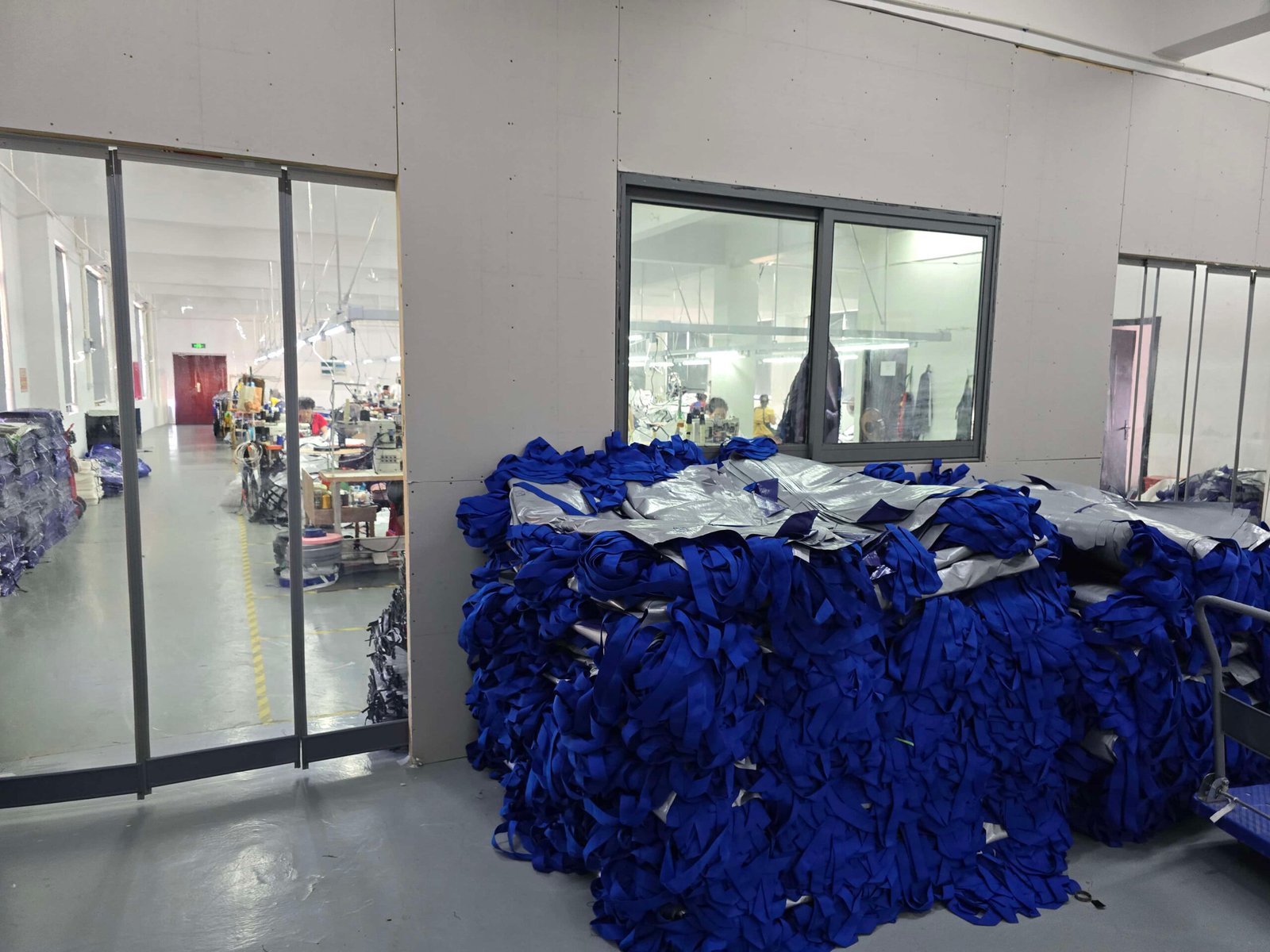
Several types of evidence distinguish a considered commitment from an optimistic one. A production schedule that names the period and the line. A statement of how much other work is already booked. A named person responsible for the order. And a view of the sewing floor during the period, which is the only way to see how many lines are actually running.
The factory tour is the most informative single step. Counting lines, observing how much floor space is occupied by work in progress and asking what is running this week gives a picture that no capacity statement replaces. Our visita a la fábrica covers what to look at and what the arrangement of a workshop reveals.
Material supply is the second half of the capacity question. A factory with sewing capacity but no fabric committed cannot produce, so the availability of the fabric and the trims should be confirmed alongside the line time. The relationship between mills and bag factories, and why a fabric constraint can idle a sewing floor, is described in our notes on the fabric mills behind bag factories.
Protecting a Peak Season Order
Three arrangements materially improve the odds of an on-time peak order. Book production capacity earlier than usual, even if that means confirming figures earlier than a buyer would prefer. Split the order across two production windows so that a delay in one only affects part of the volume. And state the delivery terms clearly, including the point at which risk and cost pass, so that the consequences of a late shipment are allocated rather than argued.
On the last point, ICC Incoterms rules remains the reference for delivery terms, and the term chosen affects whether a late sailing is the supplier’s problem or the buyer’s. A term that passes risk early offers a lower price and less protection, which may be the wrong trade in a peak season where timing is the whole point of the order.
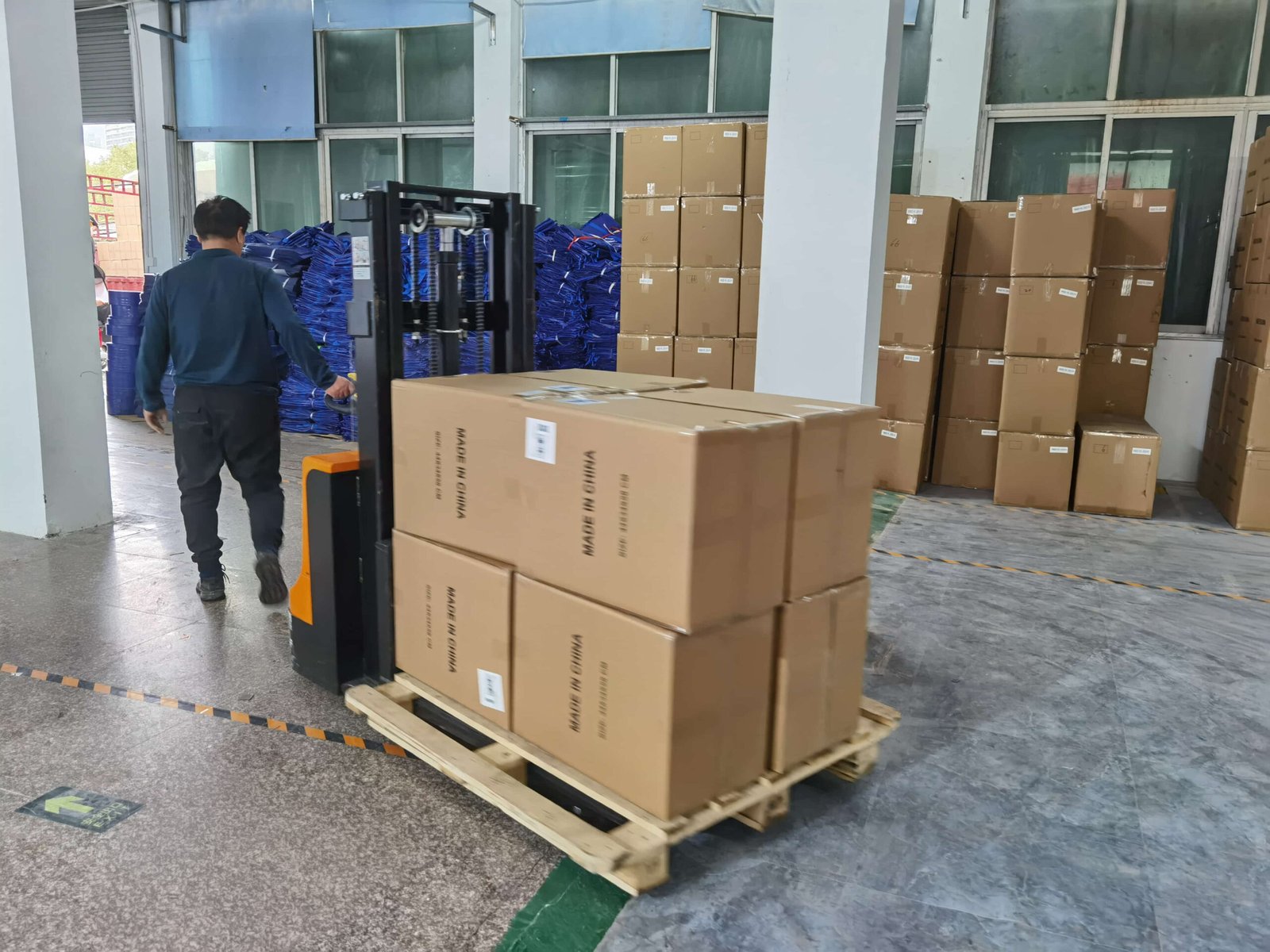
A staging agreement is a useful middle path: production in two or three tranches, each with its own completion date, so that partial shipments can move on schedule while the remainder follows. It requires more coordination at the packing stage, and the implications for the container plan are set out in our notes on container loading for bag cartons and in our comparison of LCL and FCL options.

A Capacity Verification Checklist
Six items make the verification concrete: the order volume expressed in a defined product, the target production window, the supplier’s available capacity in that window, the material commitment behind it, the delivery term and its risk allocation, and the tranche structure if the order is split.
Then confirm it during production rather than only at the start. A short weekly update with photographs from the line costs the factory a few minutes and gives the buyer an early warning that is worth more than a completion-date promise.
Finally, record the outcome. A factory that delivered on a peak order under pressure has demonstrated something that no sales presentation can, and that record should inform the next season’s allocation. Building a portfolio of suppliers who have performed under peak conditions is the most durable protection a programme can have, and it is built one verified season at a time.
Preguntas frecuentes
What is the difference between rated and available capacity?
Rated capacity assumes full staffing and uninterrupted production. Available capacity is what remains after existing commitments, which in a peak season can be much less.
Why does style mix affect capacity?
A complex bag consumes more line time than a simple one, so capacity quoted in units is only meaningful against a defined product specification.
What evidence shows a capacity commitment is real?
A production schedule naming the period and line, a statement of work already booked, a named person responsible, and a view of the sewing floor.
Can material supply limit a factory that has line capacity?
Yes. Sewing capacity without committed fabric cannot produce, so material availability should be confirmed alongside line time.
How can I protect a peak order?
Book capacity earlier, split the order across production windows, and state delivery terms so the consequences of a late shipment are allocated clearly.
Video: Capacity Planning: Essential Steps for Manufacturers
If a peak-season bag order is about to be committed, send the volume, the product and the target window. Our sourcing team will confirm the capacity position and propose a tranche structure that protects the delivery date.

0 comentarios