



3PL Receiving Labels for Bag Cartons: What Avoids Putaway Errors and Chargebacks
A bag carton that arrives at a third-party warehouse without a correct receiving label is a problem before it is even put away. The receiving team scans the label to decide which bin the carton goes in, what the SKU is, and which purchase order it belongs to; a missing or wrong label means the carton sits in a staging area while the warehouse stops to figure it out. This guide covers what a 3PL label has to carry, the errors that trigger a chargeback, and the label format that keeps a bag shipment moving.

Crate and label the order on the tote bags range, so the carton is ready for a 3PL scan at the door.
What a 3PL receiving label must carry
A receiving label for a bag carton is more than a logo; it is the data the warehouse scans at the door. At a minimum it carries the purchase order number, the SKU or the item number, the carton count and the quantity, and a barcode that the warehouse scanners read. The label also needs a description that a picker can check, and a supplier or a source code so a mixed carton can be traced back. A label that carries the brand name but not the PO number is not a receiving label; it is a sticker.

The errors that create a chargeback
The receiving errors that cost money are the ones the 3PL has to pay to correct. The most common is a label that does not match the carton contents, which forces a manual recount and a long wait. A second is a barcode that will not scan, which turns a fast receiving scan into hand data entry. A third is a carton labelled with the wrong SKU so it is put into the wrong bin, and a fourth is a label that falls off because it is printed on the wrong material. Each one is a chargeback line on your invoice, and each is preventable before the carton leaves the factory.
The label format that avoids it
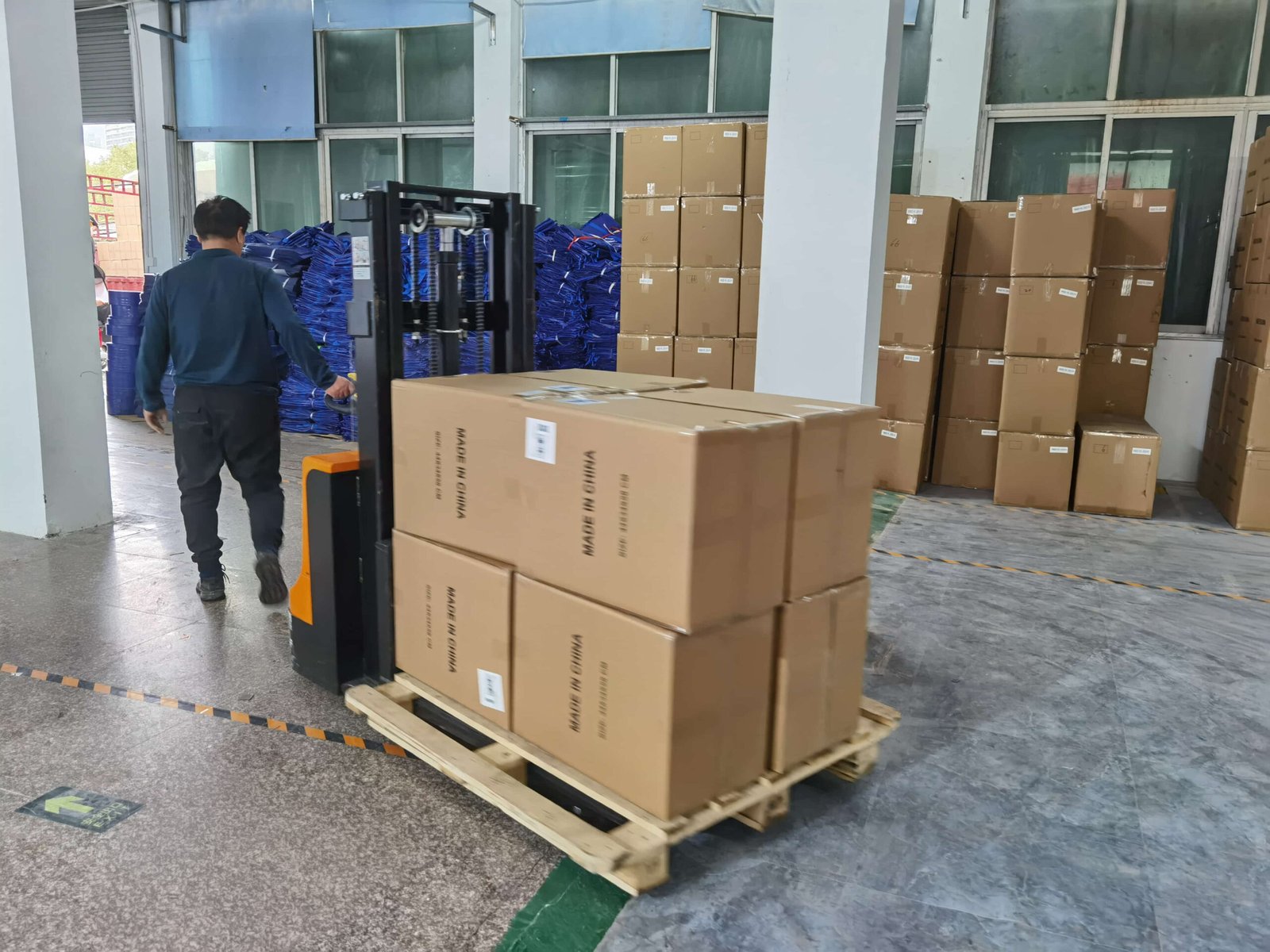
Print the label on a material that survives the trip, use a barcode at a size the warehouse scanners can read, and place the label on the side of the carton the receiving team scans. Match the label exactly to the packing list so the PO, the SKU and the quantity agree, and add the carton count in the sequence so a 12-carton order can be checked off. Confirm the 3PL’s own label template with the warehouse before you ship, because a 3PL will scan its own format without a problem and reject a random one. The standards body behind barcode and data synchronisation is the BSI, which sets the expectations behind the retail and logistics data that a label carries.
Shipping to a 3PL? Send Tiiocti your label template and carton count for a ready-to-scan crate.
Lecturas relacionadas
Echa un vistazo a la gama en tote bags and the logistics on productos.
Preguntas frecuentes
What should a 3PL receiving label include?
At minimum the purchase order number, the SKU, the carton count and quantity, and a scannable barcode, plus a source code so a mixed carton can be traced back to the factory.
Why does a barcode that does not scan cause a chargeback?
Because the warehouse has to key the data by hand, which is slower and more error-prone. A label with a poor or wrong-size barcode turns a fast scan into manual data entry.
How do I stop a carton going into the wrong bin?
The label has to match the carton contents. A carton labelled with the wrong SKU is put away in the wrong bin, so match the label to the packing list before shipment.
For more detail, see our Dimensional Weight for Flat-Packed Bags.
Ver también: why automated receiving raises the specification a tote has to meet
Lecturas relacionadas: Devoluciones y reempaquetado en el comercio minorista: envases en bolsa que resisten la reventa

0 comentarios