



Packaging extended producer responsibility started as a fee line and has become a specification driver. Schemes charge by weight, by material and increasingly by how recyclable the format is, which means the design of a bag or a carton now affects a recurring annual cost rather than only a unit price.
For a business selling branded bags into several markets, that changes the conversation. Weight reduction, material choice and reusability all have a fee consequence, and the effect is large enough to influence decisions that used to be made on cost and appearance alone.
How the Fees Are Calculated
Most schemes assess a fee on the weight and material of packaging placed on the market in a period, reported by the producer. Rates vary by material, and a growing number of schemes modulate them: packaging that recycles easily pays less, formats that are difficult to process pay more.
Two consequences follow. Weight matters in a way it did not before, because a heavier bag costs more in fees across every unit sold. And composition matters, because a laminated or mixed-material article may attract a higher rate than a mono-material equivalent.
Reporting is part of the obligation. A brand has to know what it placed on the market, by material and weight, which means it has to hold data from its suppliers. That is a specification requirement as much as an administrative one, and it belongs in the supplier conversation rather than in a year-end scramble.
Why Mono-Material Wins on Fees
A single-material bag is easier to recycle than one combining different materials that cannot be separated. Fee modulation reflects that, and the gap between a mono-material article and a mixed one can be significant over a year of volume.
The specification implications are specific. A cotton bag with a polyester cord and a metal eyelet is three materials. A woven PP bag with a PP cord and no metal components is effectively one. Both are legitimate products, but they do not sit at the same point in a modulated fee structure.
Material choice also has a supply chain dimension, because the recyclability claim behind a lower fee should be traceable. The route from fibre to finished bag, and the records that support a claim, are described in our notes on the fabric mills behind bag factories.

Reusable Bags Under EPR
Several schemes treat reusable packaging differently from single-use, either with lower fees or with separate reporting categories. That creates a genuine economic advantage for a reusable bag programme, provided the bag is actually reused.
Reuse is where the claim has to hold up. A reusable bag that is used once and discarded performs worse environmentally than a single-use alternative, and schemes and regulators are increasingly interested in evidence rather than assertion. Consumer reuse studies give a defensible basis for saying how many times a bag is used, and our notes on tote bag reuse data summarise what the research shows.
A practical implication is that durability and reusability have moved from a marketing message into a financial one. A bag specified to survive a hundred uses supports a claim; one that fails after ten undermines it, and the fee advantage that depended on the claim goes with it.
What Changes in a Specification
Four decisions now carry a fee consequence. The weight of the finished bag, since fees are assessed by weight. The number of materials used, since modulation rewards recyclable construction. Whether the product is reusable, since schemes treat it differently. And the data the supplier can provide, because reporting requires material and weight information from the factory.
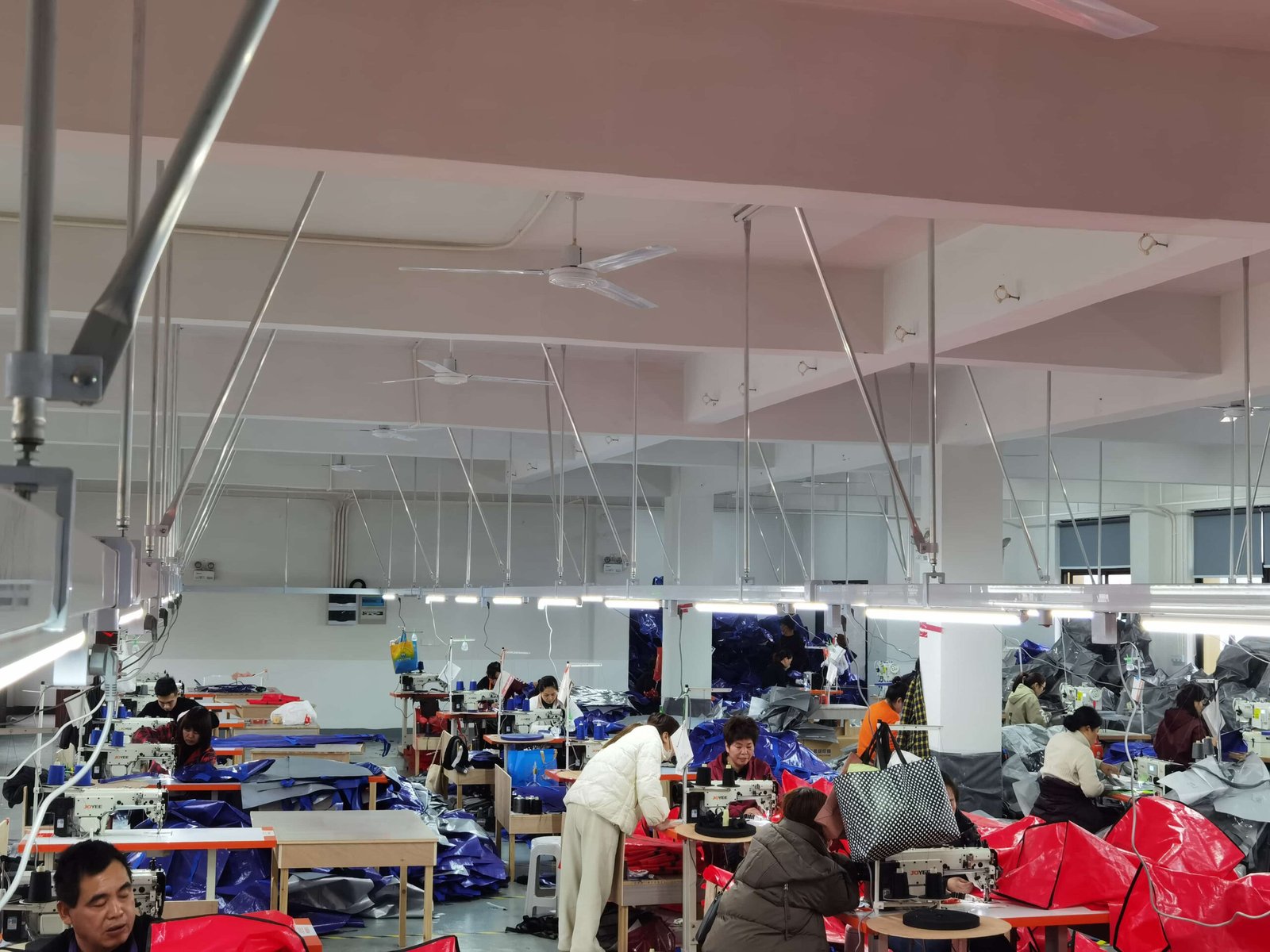
That last point is often the practical bottleneck. A brand cannot report what its suppliers do not measure, so a supplier who can state the material composition and weight of each bag by SKU is worth more than one who cannot, even at a slightly higher unit price.
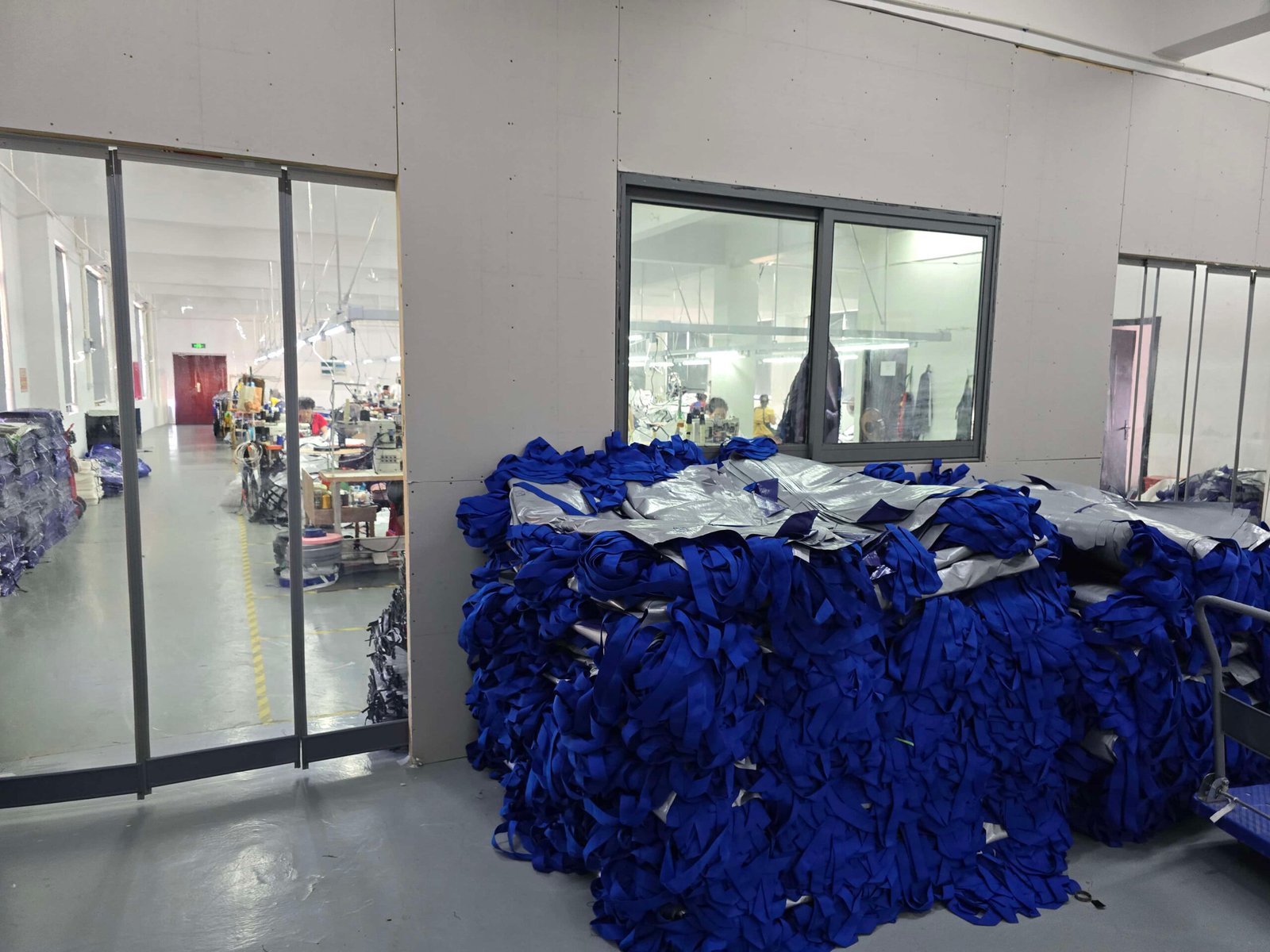
The sensible approach is to ask for the data as part of the order rather than as a favour afterwards. A specification sheet that includes material, weight and construction serves the customer, the compliance filing and the marketing claim at once, which is the kind of alignment that makes a compliance requirement cheap to satisfy. Our retail branding programme records material and weight per SKU as standard, and the sourcing framework in US International Trade Administration country commercial guides is a useful starting point for understanding the requirements of a new market.
Planning for a Scheme You Have Not Met Yet
Schemes are being introduced in more markets, and a programme designed today will meet more of them than it does now. Designing for that in advance is cheaper than redesigning later.
A workable approach has three parts. Prefer mono-material construction where the design allows it. Keep weight justified rather than habitual, so that a heavier fabric has a reason beyond appearance. And hold composition and weight data for every SKU, so that a filing in any market is a data exercise rather than a discovery project.
None of those limits the design. They simply make the specification explicit, and they tend to produce bags that are also cheaper to ship, because weight and volume usually move together. A programme that is compliant in one market is generally closer to compliant in the next, which is the practical argument for treating EPR as a design input rather than a fee to be absorbed.
FAQ
What is packaging EPR?
Extended producer responsibility schemes charge producers a fee based on the packaging they place on a market, commonly calculated by weight and material with rates modulated for recyclability.
Why does mono-material construction matter?
Fee modulation rewards packaging that recycles in existing streams. A single-material bag is easier to recycle than a mixed one and may attract a lower rate.
Are reusable bags treated differently?
Several schemes differentiate reusable packaging from single-use. The advantage holds only where the bag is genuinely reused, so consumer reuse evidence matters.
What data does a brand need from its supplier?
Material composition and weight per SKU, because the reporting obligation is based on what was placed on the market.
What should change in a specification now?
Justify weight, prefer mono-material construction where design allows, and record composition and weight for every SKU as part of the order.
Video: Extended Producer Responsibility for Packaging Law Explained
If a bag programme needs material and weight data for a compliance filing, ask for the specification sheet per SKU. Our retail team supplies composition, weight and construction data as part of the order record.



0 Comments