



Woven polypropylene bags survive the ocean better than most cargo, and yet moisture damage is the claim category that haunts PP bag shipments: cartons arriving with wavy lamination, printed logos offset by water staining, and mold spots on the kraft inner boxes. The damage rarely comes from the sea leaking in. It comes from container rain, the condensation cycle inside every ocean container, and it is preventable with a checklist that costs a fraction of one claim. This listicle runs the prevention points in the order they matter, from factory floor to destination warehouse.
1. Load Dry Cartons Into a Dry Container
Container rain starts with the moisture that ships with the cargo: cartons packed in a humid factory carry that humidity into the box, and the container floor and walls carry their own history of rain and washing. Prevention starts with both sides dry: cartons rested and cooled after production (warm cartons release moisture into the container air), container inspected before loading (dry floor, no residual odor, door seals intact), and loading scheduled away from rain, because loading through a downpour loads the water too. The ocean shipping industry documents this condensation cycle extensively; carrier-side context from the World Shipping Council explains the temperature swings that drive it, day-night cycling over a 30-day voyage pumping moisture through the load.
2. Desiccants at Calculated Loading
Container desiccants (calcium chloride based) absorb the airborne moisture before it condenses on cargo, and their quantity is calculated, not guessed: load size, voyage length, and season determine how many units hang inside. Under-loading desiccants is the most common false economy in PP bag shipments, because a woven PP bag itself absorbs little, so all the moisture attacks the cartons, the print and the kraft inserts instead. Hang desiccants per the calculation, spaced along the container length, and record the count on the loading sheet so the claim conversation, if any ever happens, starts with evidence.
3. Inner Packaging That Manages Vapor
The bag’s own packaging is its raincoat. Vented or breathable outer cartons let the load equalize instead of marinating; kraft inner boxes that hold individual bag bundles should be paired with poly liners where the destination climate is humid; and the PP bags themselves, especially laminated printed bags, ship better with a flat interleaving layer that stops print-to-print abrasion when humidity softens cartons. Our production checklist pairs the carton spec with the destination’s climate band, and buyers importing bag programs can see how packaging integrates into the logistics and moving solutions we quote.
4. Loading Geometry That Keeps Air Moving
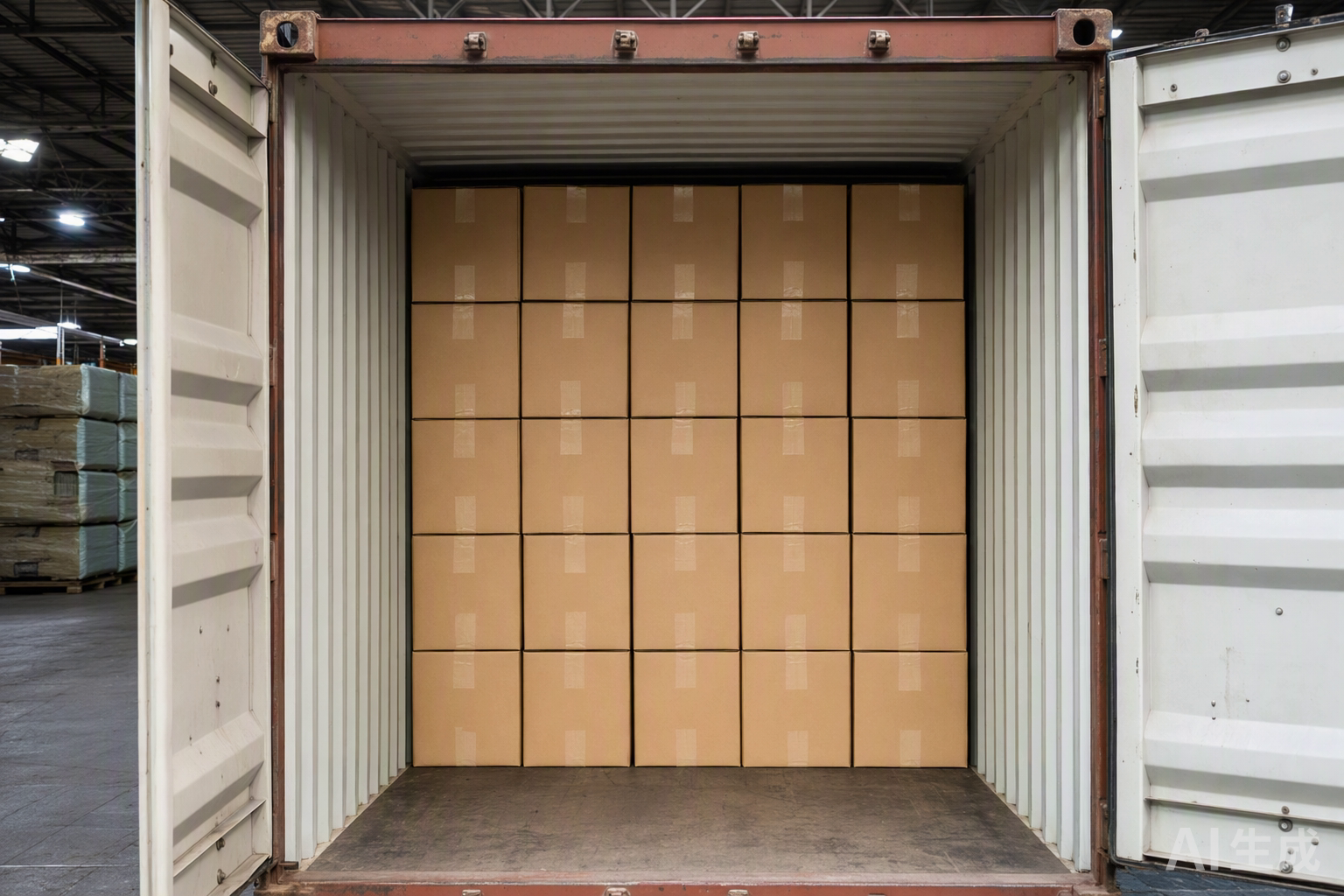
Condensation lands where air stagnates and where cargo touches cold surfaces. Tight, square loading with dunnage keeps cartons from shifting into contact with container walls; a top-gap air space lets the cycle breathe; and cartons stacked with a slight airflow channel along the wall side reduce the wall-contact condensation that stains outer cartons. Floor-loading (no pallets) maximizes cube for woven PP bags, and the pallet-free pattern with interleaved dunnage is the standard we load for full-container bag programs.
5. Destination-Side Habits That Finish the Job
The last claims happen at destination: containers opened into cold warehouses, condensation flashing onto cold cargo, and cartons left sealed for weeks. The receiving checklist: unload promptly rather than storing the sealed container, let cartons acclimate before opening in humid climates, and inspect a sample of cartons against the loading photos before signing. Buyers who hand this checklist to their receivers close the loop the factory opened; the moving bag program documentation ships with receiver notes in English for exactly this handoff.
Frequently Asked Questions
What is container rain?
Condensation that forms inside ocean containers as temperature cycles day and night across the voyage; the moisture drips onto cargo from the ceiling and walls.
Do woven PP bags absorb water damage?
The PP fabric resists water; the damage lands on cartons, print surfaces, kraft inserts and any cotton or paper components, which is why the packaging spec carries the moisture plan.
How many desiccants does a container need?
Calculated from load size, voyage length and season; the count belongs on the loading sheet so every party knows what was installed.
Who pays for moisture damage?
Whoever’s prevention failed: loaded-wet cargo is the shipper’s issue, container defects are the carrier’s, and the loading sheet plus photos decide which conversation happens.
Importing woven PP or moving bags and want the moisture checklist built into the shipment? Reach our export desk via the contact page, and the loading plan will carry desiccant counts and receiver notes as standard.


0 Comments