



How to Compare Freight Quotes for Bulk Bag Orders: A Buyer’s Method
On a bulk bag order, freight is not a minor line item. It can be a third of your total landed cost. But freight quotes are hard to compare because every forwarder wraps the price differently — one quote is FOB, another is DDP, one includes customs clearance and the other does not, one counts a container at X CBM and another at Y. In that confusion, buyers overpay and only realize it after the invoice arrives.
This guide lays out a repeatable method for comparing freight quotes on a bulk bag order, so you pick on total delivered cost rather than on the headline number that looks cheapest.
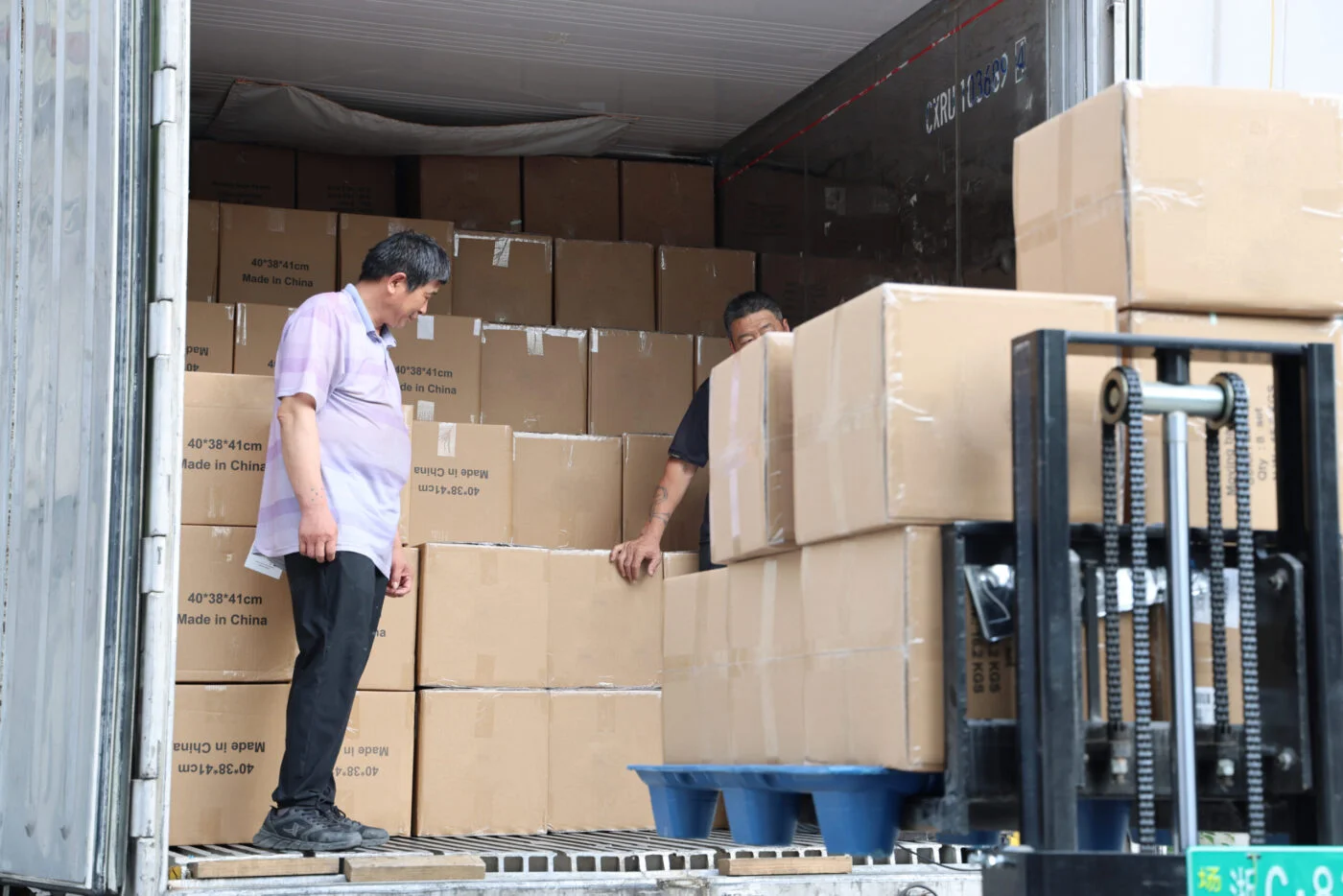
Step 1: Fix the same scope before you compare
You cannot compare an FOB quote with a DDP quote and call it a comparison. First, decide the delivery point and the Incoterm you want. If you want the bags cleared and delivered to your door, ask every forwarder for a DDP quote to the same address. If you are arranging your own customs, ask for the same FOB or CIF term. The moment the scopes differ, the cheapest-looking quote may be the most expensive once you add the missing legs.
For a bulk bag order, most buyers favor DDP to the US or Europe because it bundles freight, duty and delivery into one predictable number. Our DDP vs FOB cost breakdown explains what each term includes so you compare apples to apples.
Step 2: Confirm the chargeable weight and volume
Freight is charged on chargeable weight or volume, whichever is higher. A bulk bag order is bulky and light, so the chargeable weight is usually volumetric. If a forwarder quotes on the wrong volume, the price is wrong. Confirm the container quantity and CBM with the factory first, then ask each forwarder to quote on the same CBM. Our FIBC container loading guide shows how to fit more per container, which lowers the per-unit freight.

Step 3: Ask what is included, not just the rate
The freight rate itself is the least comparable number. What matters is everything bundled around it. For each quote, ask for a full breakdown: the base freight, the fuel surcharge, the customs clearance fee, the duty estimate, the delivery to your door, and any terminal or handling charge at origin.
Only compare quotes that itemize these. A quote with a low line rate but a high hidden fee is worse than a quote with a transparent all-in number.
Step 4: Weigh speed against cost for your order
Sea freight and air freight differ dramatically for bags. Air is fast but dear, which makes it right for samples and urgent reorders. Sea is cheaper but slower, which is the usual choice for a bulk run. If your order is small, compare LCL against FCL — LCL vs FCL can shift the cost a lot on a mid-size order. For urgent samples, our air vs sea for samples article shows the trade-off.
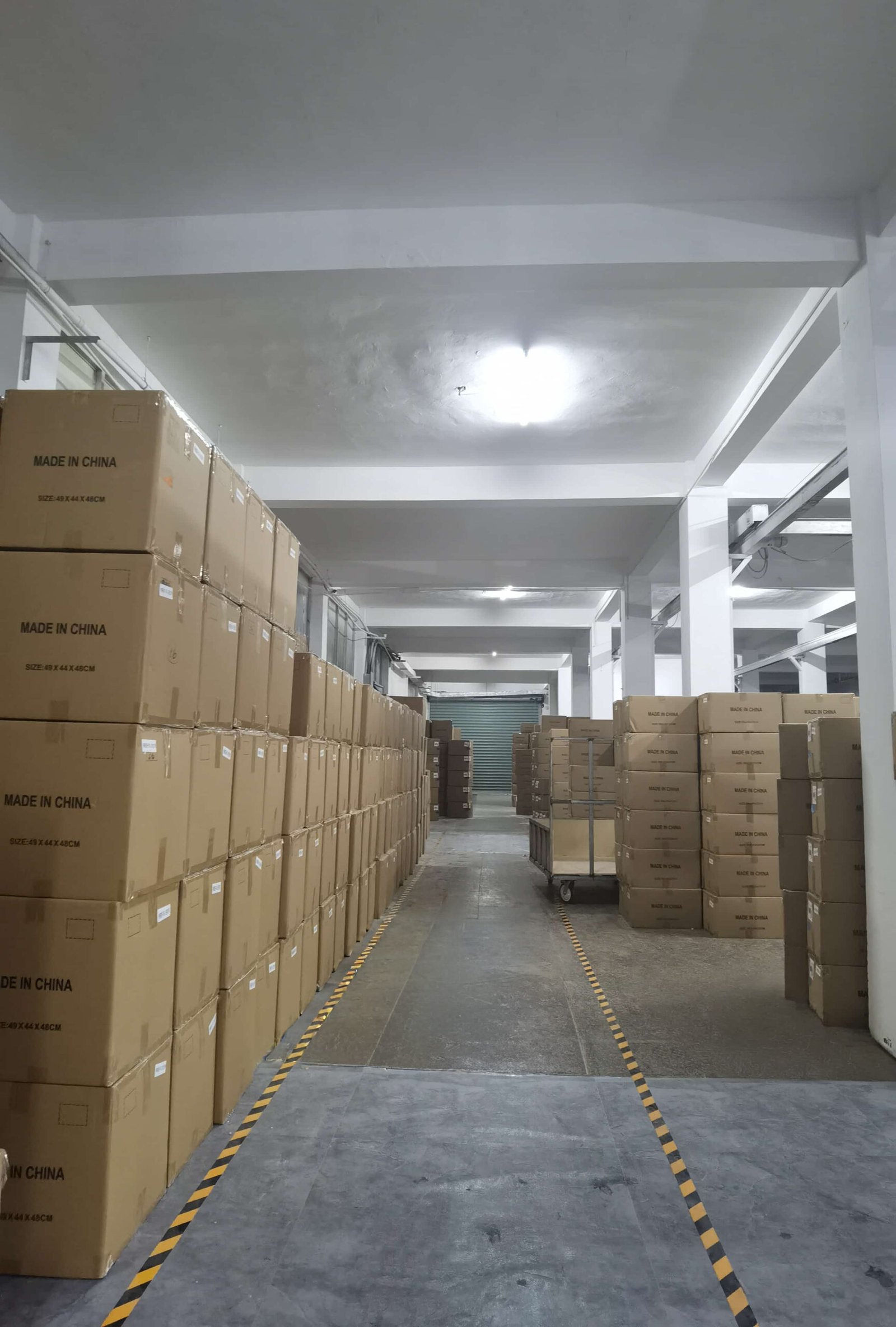
Step 5: Always quote on the same season
Freight rates move with the season. Peak seasons (before major retail holidays, or around Chinese New Year) carry surcharges. If you are comparing quotes in a low season but shipping in a peak, the number you see is not the number you pay. Book early and confirm the rate validity window. Our bag import peak season calendar helps you time the booking.
For a broader view of international trade and market conditions, the US International Trade Administration publishes freight and market context that is useful when planning an import.
Conclusion
Comparing freight quotes on a bulk bag order is a method, not a guess. Fix the scope, confirm the chargeable volume, itemize what is included, weigh speed against cost, and quote on the same season. When you do, the cheapest total delivered cost wins — not the quote with the lowest line rate. If your factory can quote the container and CBM accurately, you are already ahead.


0 Comments