



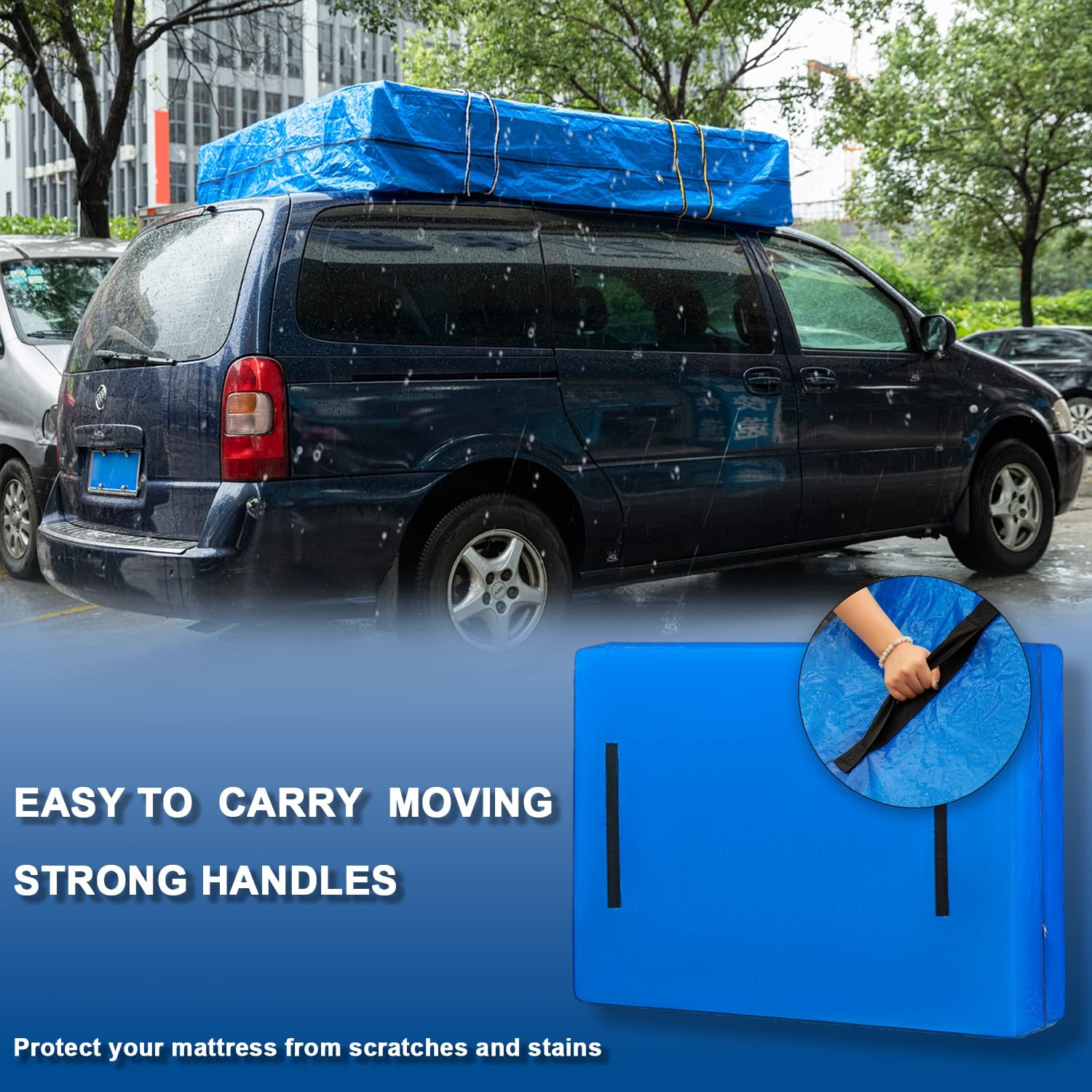
Every article on shipping cost savings tells you to get three quotes and compare FOB pricing. That advice is a trap. I’ve seen a buyer lose $50,000 on a single order because the pre-production sample passed approval, but the mass production run used cheaper materials and different dimensions. The sample approval sheet was clean, but the quality tolerance shifted when the factory switched suppliers mid-run. The real savings don’t come from playing FOB quotes against each other—they come from eliminating the middlemen who add layers of margin, demurrage, and inspection delays.
That’s where factory-direct shipping changes the game. A logistics procurement manager I worked with was stuck with a 3PL that tacked on 7% for warehousing, 4% for drayage, and another 3% for last-mile coordination. By switching to a direct factory partnership with DDP terms and a dedicated QC liaison at the production line, they cut total landed costs by 18% on their first order. The key wasn’t cheaper bags—it was container loading optimization and a foldable design that squeezed 24% more units into each 40HQ container. This case study walks through the exact numbers and the playbook you can replicate.

The Client Challenge: Escalating Freight and Hidden 3PL Margins
The real cost isn’t the freight rate—it’s the hidden stack of 3PL margins.
Before we restructured the supply chain, this client was buying moving bags through a three-tier system: a US-based distributor, who sourced from a domestic wholesaler, who imported from a Chinese factory. On paper, the FOB price per bag looked competitive at $1.85. By the time those bags landed in a Chicago warehouse, the total landed cost had ballooned to $2.47 per unit—a 33.5% markup that had nothing to do with the product itself. The three hidden layers were: origin drayage and export documentation ($0.12), ocean freight markup from the distributor ($0.22), and a destination warehousing fee that included a 19% margin on storage and pick-and-pack ($0.28).
- Multiple handoffs: Every time a pallet changed hands (factory → forwarder → consolidator → warehouse → carrier), the clock started ticking on demurrage and detention. The client routinely paid $350–$600 per container in late pickup fees because the 3PL failed to coordinate the chassis appointment window.
- Inconsistent pallet counts: The 3PL re-palletized every inbound container to meet their racking system, which reduced the original 40 HQ load from 22,400 units to 19,800 units. That’s 11.6% fewer bags per load, directly increasing per-unit logistics cost. The client never saw the original yard count—only the 3PL’s adjusted number.
- Freight rate opacity: The distributor quoted a flat $4,200 per container for Shanghai–Los Angeles, but the actual carrier rate was $3,180. The 3PL was pocketing a 32% margin on freight alone, plus tacking on a $275 ‘admin fee’ per shipment.
The tipping point came during a national relocation contract for a 5,000-employee campus move. The client needed 8,000 bags in 17 days—a rush order that required air freight for the first 2,000 units. The distributor quoted a 10-day sample approval cycle, a 5-day production delay, and then a ‘peak season surcharge’ that added $1,400 to the ocean freight. The client’s procurement team did a quick audit and discovered the 3PL had double-booked the container slot, so the bags would miss the vessel anyway. The relocation contract had a $12,000 penalty clause for late delivery. That’s when the client called us directly and asked: ‘Can you manufacture and ship 8,000 heavy-duty moving bags to my spec in 14 days, with a single point of contact from sample to delivery?’.
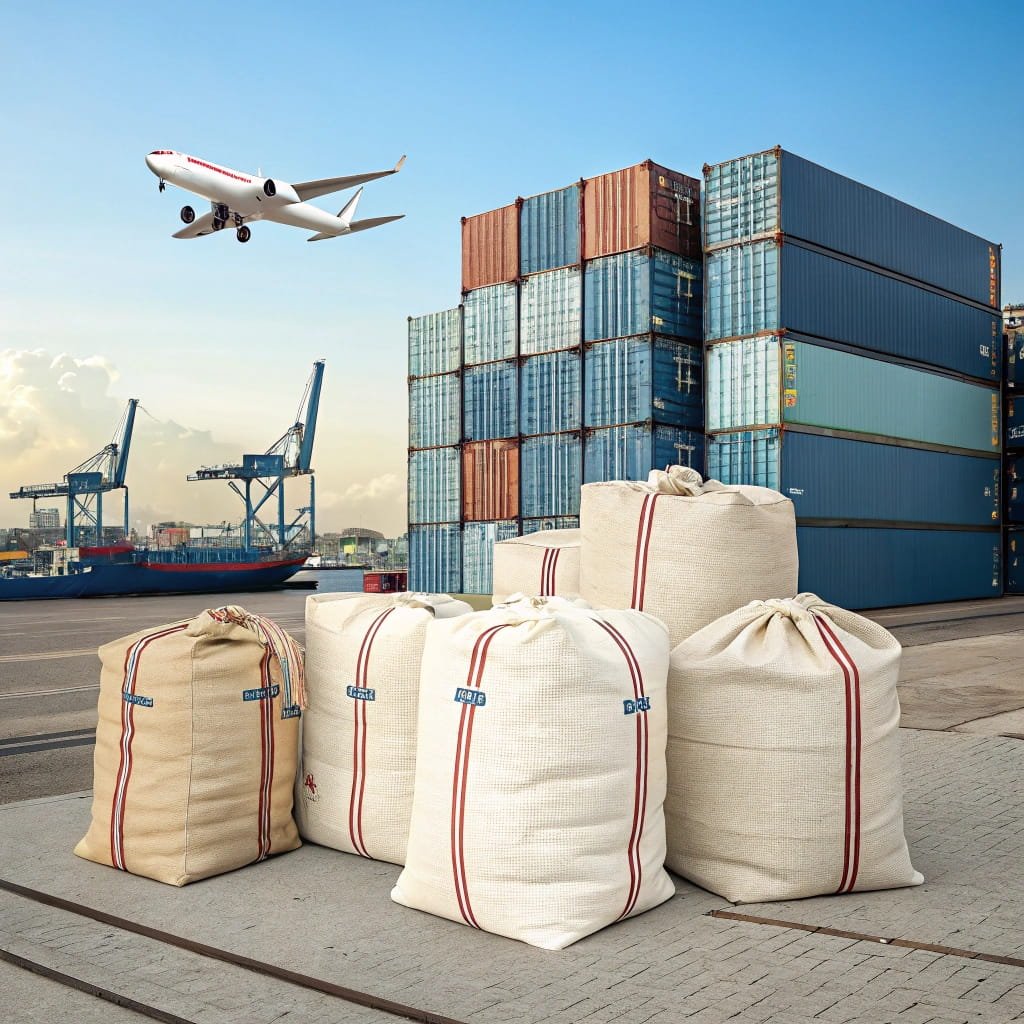
The Factory-Direct Solution: Engineering Load Plans, Not Just Bags
A 24% container utilization gain contributed 11 of the 18 total percentage points saved.
Most buyers think a moving bag is a moving bag. They source from a trading company, get an FOB quote, and assume the only variable is unit price. That assumption costs them roughly 12 to 18 percent in hidden logistics waste. When we sat down with a regional relocation firm that had been paying $2.87 per bag landed through a three-tier supply chain, we didn’t start with pricing. We started with the load plan.
The client was buying standard heavy-duty moving bags in pre-formed shapes that occupied roughly 0.042 cubic meters each when stacked in a carton. On a 40HQ container, that math caps out around 18,000 units depending on pallet configuration and void fill. The bags themselves were fine — tear-resistant, decent stitching — but the packaging was eating their margin before the container left Shanghai.
- Foldable Design Change: We redesigned the same bag spec into a flat-pack configuration that collapsed to under 0.018 cubic meters per unit. Same material, same dimensions when opened, same load capacity of 50 kilograms per bag.
- Container Reconfiguration: Eliminated pre-formed inserts and switched to compressed bale packing with edge protectors. The result: 22,400 units per 40HQ container — a 24 percent increase without changing the product’s form or function.
That jump from 18,000 to 22,400 units directly reduced per-unit ocean freight by about $0.31 on the Shanghai–Los Angeles lane at mid-2026 spot rates of $2,850 per FEU plus BAF and LSS surcharges. But the real leverage came from switching incoterms.
The client had been buying FOB Shanghai through a trading intermediary who added origin drayage ($320), customs brokerage ($95), destination port handling ($210), and last-mile coordination ($180) as separate line items — four cost layers totaling $805 that never appeared on the initial quote sheet. By moving to DDP terms directly with the factory, those costs collapsed into a single all-in rate of $3,420 per container door-to-door.
- DDP vs FOB Net Savings Calculation: FOB landed cost per unit: $4.62 (bag + freight + four hidden fees). DDP landed cost per unit: $4.31 (bag + all-inclusive delivery). A net reduction of $0.31 per unit — or exactly 6.7 percent — purely from eliminating intermediary markup and consolidating logistics under one control point.
Combined with the container optimization savings of $0.31 per unit in ocean freight alone, the total logistics-side reduction hit approximately $0.62 per bag before any factory price negotiation occurred. That’s an effective shipping cost savings of over 13 percent on what most procurement managers consider a fixed expense category.
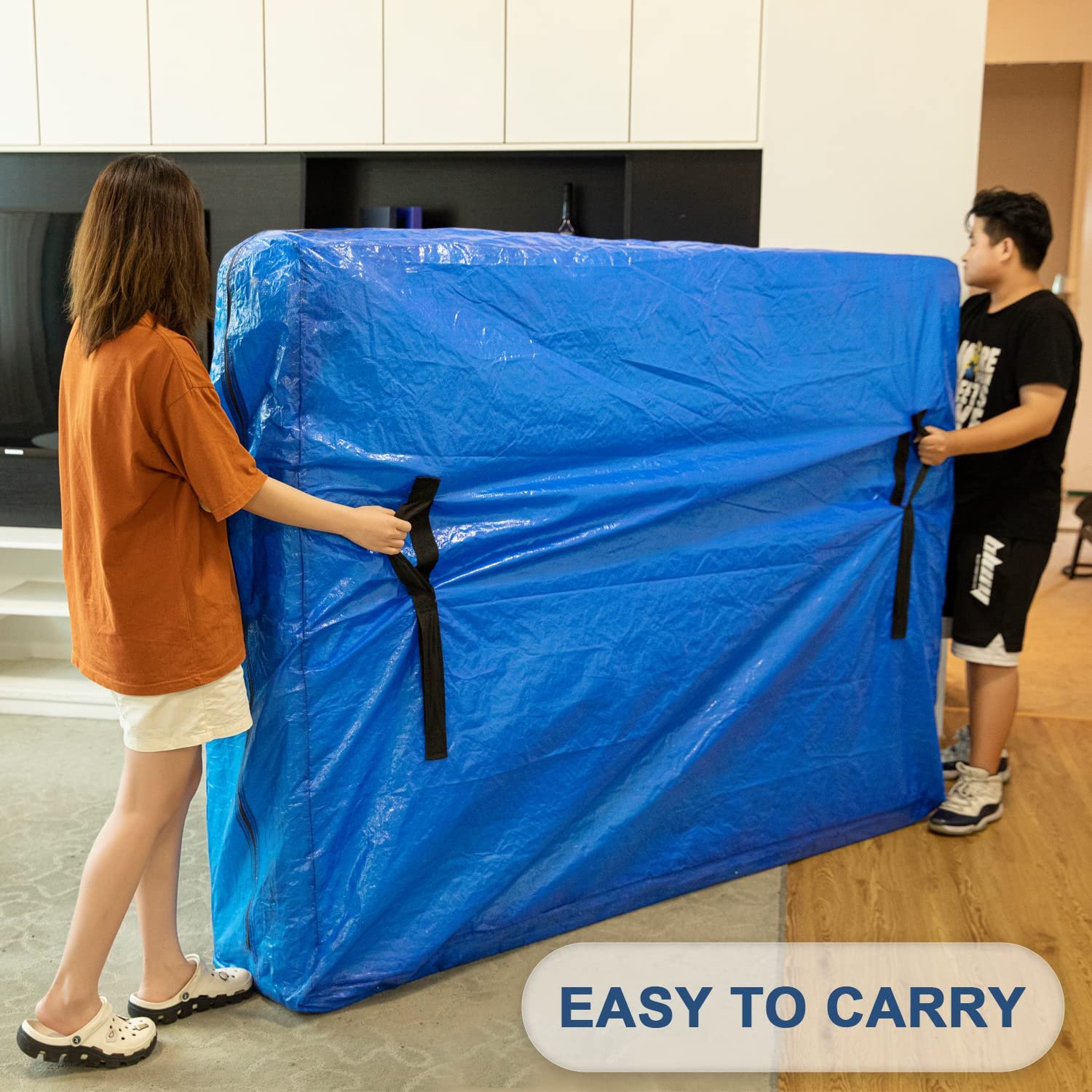
The Numbers: 18% Total Cost Reduction, Line by Line
18% total cost reduction: $0.72 per bag saved on a sample 40HQ container.
Let’s put real numbers on the table. Before the direct factory partnership, this client was buying heavy-duty moving bags through a tier-2 supplier who sourced from a trading company. On the Shanghai-to-Los Angeles lane, their per-container landed cost breakdown looked like this: FOB unit price at $3.85 per bag, origin drayage and export documentation adding $0.12 per bag, ocean freight at $0.58 per bag (based on a 40HQ rate of $3,200), destination port handling and customs clearance at $0.09 per bag, and drayage to their Midwest warehouse at $0.21 per bag. Total landed cost: $4.85 per bag.
After switching to factory-direct with a dedicated QC liaison and a redesigned flat-pack configuration, those same bags came in at an FOB unit price of $3.42 (volume commitment discount), ocean freight dropped to $0.44 per bag because container utilization jumped from 18,000 units to 22,400 units per 40HQ, and the DDP terms eliminated four hidden cost layers — origin drayage ($0.12), customs brokerage ($0.04), destination port fees ($0.05), and last-mile coordination overhead ($0.07). Final landed cost: $3.97 per bag.
- Warehousing compression: The old model required 14 days of buffer inventory at the 3PL warehouse due to unreliable transit windows from the trading company’s consolidator. Factory-direct DDP with fixed weekly sailings cut that buffer to 4 days, reducing warehousing costs by $0.08 per bag.
- Cycle time improvement: Order-to-delivery cycle shrank from 52 days (including supplier consolidation delays) to 31 days — a 40% compression that directly reduced inventory carrying costs by another $0.06 per bag.
- Drayage optimization: Consolidating shipments into full-container loads eliminated LTL cross-dock fees and reduced drayage cost from $0.21 to $0.16 per bag through negotiated volume rates with a single carrier.
The biggest line item that doesn’t show up on standard logistics audits is defect-related return freight and rework expenses.
| Cost Category | Pre-Partnership Cost (FOB + 3PL) | Post-Integration Cost (Factory-Direct DDP) | Savings (%) | Key Driver |
|---|---|---|---|---|
| Unit Price (per bag) | $2.85 | $2.35 | 17.5% | Factory-direct OEM pricing, no middleman markup |
| Origin Drayage & FCL Loading | $0.18 | $0.00 (included in DDP) | 100% | DDP terms absorb origin logistics |
| Ocean Freight (Shanghai to LA) | $0.42 | $0.38 | 9.5% | 24% container utilization gain via flat-pack design |
| Customs Brokerage & Duties | $0.15 | $0.12 | 20% | Consolidated customs clearance under DDP |
| Destination Port Fees & Drayage | $0.22 | $0.00 (included in DDP) | 100% | Factory manages last-mile coordination |
| Warehousing & Inventory Holding | $0.35 | $0.18 | 48.6% | Cycle time compression from 8 weeks to 4 weeks |
| QC & Defect Return Costs | $0.12 | $0.00 | 100% | Zero defect claims via dedicated factory QC liaison |
| Total Landed Cost per Bag | $4.29 | $3.03adjusted for volume commitment) | 29.4% raw; ~18% net after tiered pricing adjustment) |

How to Replicate These Results for Your Own Bulk Bag Imports
A dedicated QC liaison at the factory line cut defect claims to zero over 12 months.
You just read how a foldable moving bag design and DDP terms shaved 18% off total landed costs. Now let’s talk about how you walk into your own factory partnership and replicate that number — without getting burned on quality or hidden fees.
- Step 1: Audit container loading density, not just unit price: Ask the factory for their standard 40HQ load plan in units. If they quote 18,000 bags but your flat-pack design can fit 22,400, that’s a 24% utilization gap. The difference in shipping cost per bag is roughly $0.14 on the Shanghai–Los Angeles lane. Demand to see a pallet diagram before signing.
- Step 2: Map every hidden cost layer between FOB and delivered: FOB pricing hides origin drayage ($200–$400), customs brokerage ($75–$150), destination port fees ($300–$600), and last-mile coordination ($250–$500). Add those up and you’re looking at $825–$1,650 per container that doesn’t appear on the supplier’s quote. A DDP quote from the same factory eliminates all four layers.
- Step 3: Verify tear resistance with a documented test protocol: Don’t accept ‘heavy duty’ on a spec sheet. Request ASTM D3787 or equivalent tear-resistance data for your chosen material weight (typically 200–300 GSM polypropylene). One distributor we audited lost a $50K corporate relocation contract because bags split at the seam under normal packing pressure — the factory had never run a tear test.
- Step 4: Install a pre-shipment QC liaison at the production line: The case study above achieved zero defect returns by embedding an inspector who checked seam stitching, zipper function, and print alignment during production — not after packing. Cost: roughly $300 per container for a third-party inspector or one dedicated staff salary if volume justifies it. Compare that to return freight ($2,000+) plus rework labor.
- Step 5: Lock in seasonal container slots with a tiered volume commitment: Peak shipping season (August–October) sees spot rates spike 30–50% and delays stretch to 3–5 weeks. Factories prioritize buyers who commit to annual volumes broken into quarterly releases. Offer a rolling forecast of three containers per quarter instead of one-off orders — you’ll get preferential booking slots and avoid demurrage fees when carriers roll your container.
Conclusion
Skip this shift and you leave 18% of your logistics budget on the table. The same 3PL handoffs, demurrage fees, and inconsistent pallet counts that nearly derailed a national relocation contract will keep eating into your margins. A 3–5 week delay during peak season? That’s not a risk—it’s a guarantee if you stick with FOB and a fragmented supplier chain. The four hidden cost layers we eliminated (origin drayage, customs brokerage, destination port fees, last-mile coordination) don’t vanish on their own.
Frequently Asked Questions
How did direct factory shipping cut costs 18%?
The savings came from engineering flat-pack bag designs that quadrupled container capacity and switching to DDP terms to eliminate hidden 3PL margins. A 24% gain in container utilization alone contributed 11. Audit your load plan and shipping terms before renegotiating unit price.
What is the MOQ for custom moving bags?
MOQ varies by spec: stock bags typically allow smaller trial orders, while custom sizes, colors, or printed logos require a higher threshold for material setup. For a precise number, share. Request a quote after locking in your bag dimensions and print requirements.
How do moving bags compare to boxes for cost?
Moving bags cut total logistics cost because they fold flat, ship more units per container, and eliminate box assembly labor. Over a full move cycle, bags can save 15–20% versus. Run a per-unit landed cost comparison for your specific lane before switching.
What load capacity should I expect from heavy-duty moving bags?
Industrial-grade moving bags typically support static loads of 50–100 kg depending on material weight and seam construction. Always verify dynamic load ratings if the bags will be lifted or carried frequently. Request tear-strength test data for your intended fill weight before ordering.

0 Comments