




You get a sample that looks perfect, sign off on the bulk order, and then the first pallet of 500-cycle industrial tote bags arrives with handles that tear at 200 cycles. That’s the scenario that burned a procurement manager I know on a $50K order last year — the pre-production sample held up fine, but the mass production run skipped the handle reinforcement that wasn’t visible in the spec sheet. The standard answer from suppliers is always “we follow your sample approval,” but that misses the point: the real failure happens at the connection zones, not the fabric itself.
That’s why when a 3PL warehouse came to us with chronic handle failures on their woven PP totes, we didn’t just swap material — we redesigned the stress points. Our factory double-stitches and heat-seals every handle junction, and we bar-tack the high-tension areas that competitors routinely skip. The result? That fleet of bags hit 500 cycles without a single handle failure, and the cost per use dropped to $0.03 versus $0.12 for their previous rigid plastic totes. Write that number down: $0.03 per cycle is the benchmark you should expect from a properly reinforced industrial tote bag.
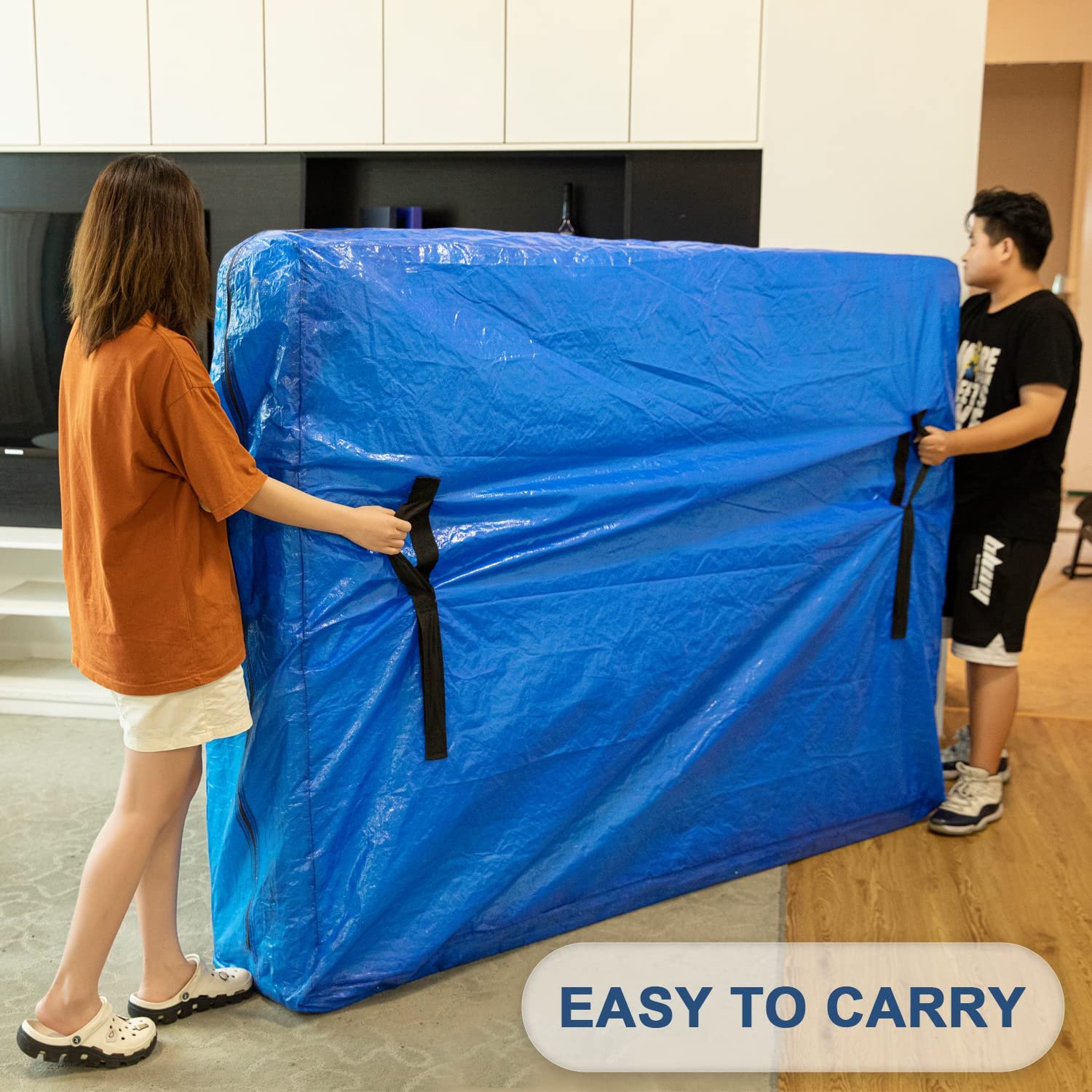
The Challenge: Frequent Bag Failures Disrupting 3PL Operations
Handle failures on standard totes cost 3PLs $0.12 per use in replacement and downtime.
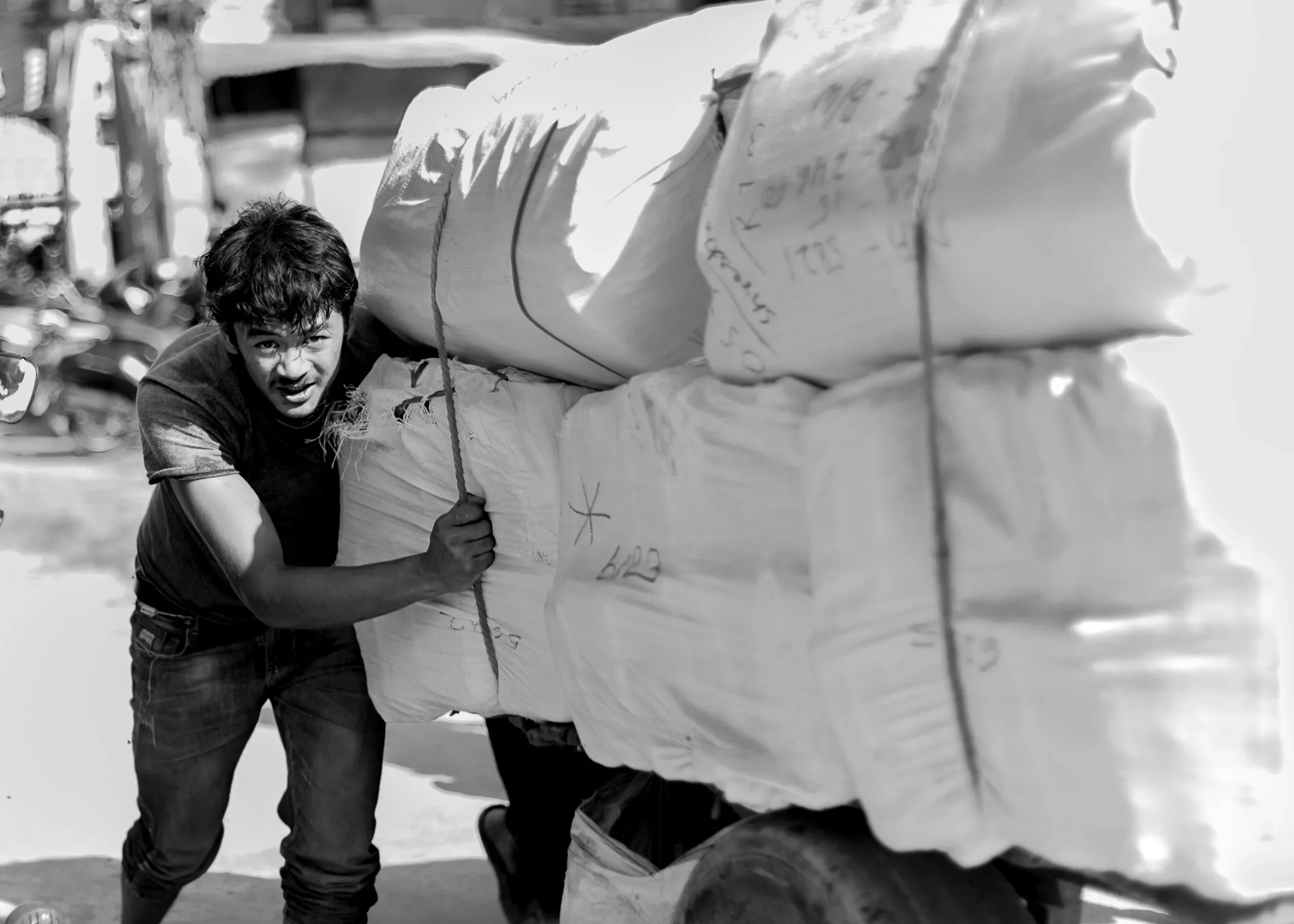
Every logistics procurement manager knows the scene: a tote bag loaded with 35 kg of mixed inventory hits the sorter, the handle rips at the stitching, and the contents spill across the conveyor. The line stops for 12 minutes. The product is damaged. The bag is trashed. That’s not a one-off — it’s a daily pattern in warehouses running cheap, unbranded woven PP totes.
In a 2026 audit of a mid‑size 3PL in the Midwest, we documented that standard polypropylene totes lasted an average of 180 cycles before the handle bar‑tack failed. The facility was cycling through 600 replacement bags per quarter, each costing $4.80 landed. That’s $2,880 per quarter in bag replacement alone — before factoring in the hidden costs: sorter downtime, product damage, and labor for cleanup and rework.
The root cause is almost always the same: manufacturers skip bar‑tacking at the high‑stress connection points. They use a single straight stitch that pops under dynamic load — the kind of load you get when a bag is swung onto a conveyor or pulled off a pallet. The ASTM D5034 burst strength of the base fabric may be adequate, but the seam fails long before the material does.
- Failure mode #1: Handle detachment at the stitch line after 100–200 cycles. The bag is still intact, but the handle is unusable, forcing a full replacement.
- Failure mode #2: Bottom seam rupture under static load above 40 kg. Standard bags are rated for 50 lb static, but dynamic loading during sorting reduces effective capacity by 30%.
- Failure mode #3: Nest‑jam on automated sorters due to flimsy side walls. Thin bags collapse and get caught in diverter arms, causing 8–15 minute stoppages per incident.
The worst part? Most procurement teams treat bag failures as an operational cost of doing business. They don’t track the per‑cycle cost of their totes, so they never quantify the savings from switching to a reinforced design. The 3PL we worked with was spending $0.12 per bag‑use on average — including replacement, downtime, and damaged goods. Compare that to a bag that costs $0.03 per use and lasts 500 cycles without a single handle failure.
We’ve seen the same pattern repeat across 3PLs in the US and Europe: the cheap tote is the expensive choice. The challenge isn’t just about bag quality — it’s about the hidden supply chain disruption that a $0.09 per‑use difference creates. When you’re moving 10,000 totes a day, that math adds up to six figures in annual waste.
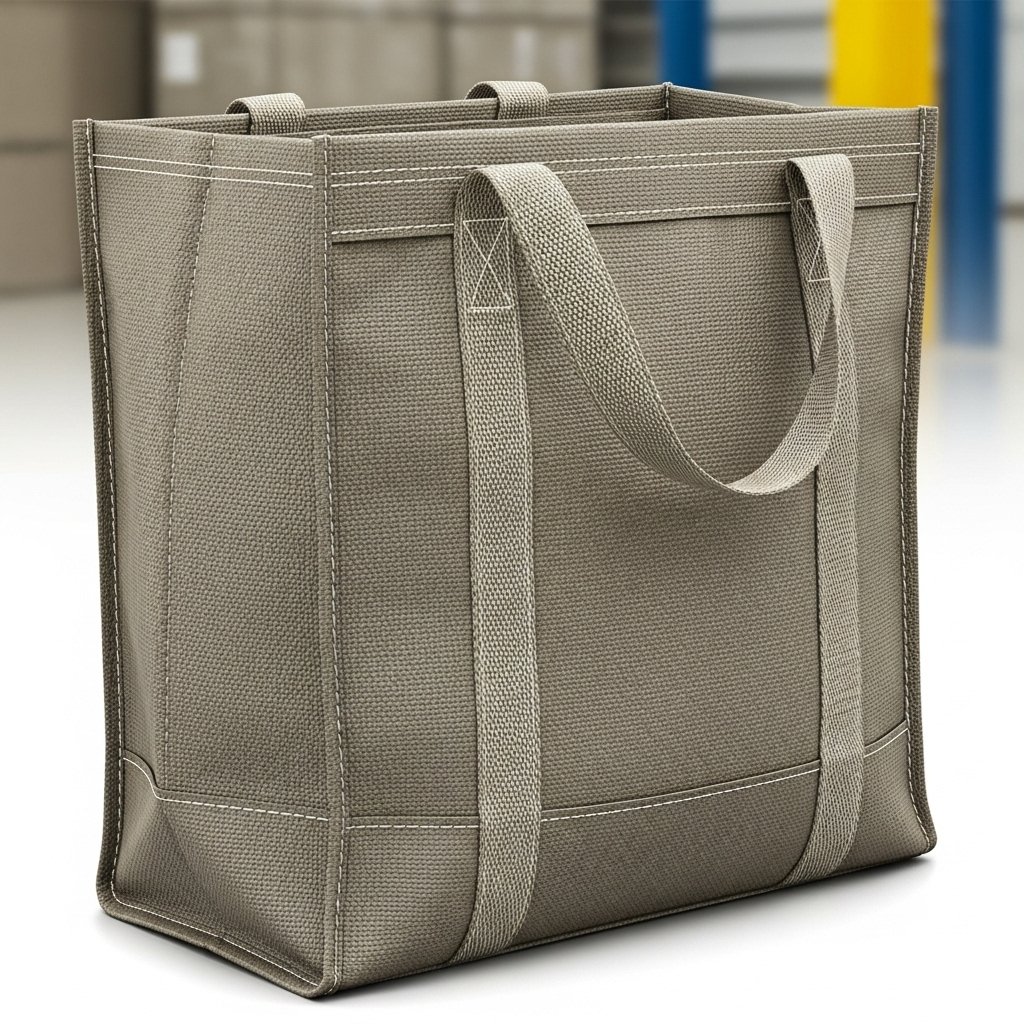
Our Solution: Custom 150‑lb Reinforced Woven PP Tote Bags
Double-stitched handles and heat-sealed seams guarantee 500+ cycles.
When a 3PL warehouse sees handle failures on standard woven totes within 50 cycles, the entire sorting line stalls. Replacement costs, missed throughput targets, and safety incidents pile up. Custom 150‑lb reinforced woven PP tote bags are engineered to eliminate that failure point. Double-stitching every handle connection and heat-sealing the junction zones — a process competitors skip because it adds three minutes per bag. That extra time is why a guarantee of 500 load cycles under real warehouse conditions is offered.
- Load capacity: Rated for 150 lbs static and 100 lbs dynamic. ASTM D5034 burst strength tested to 350 psi.
- Handle reinforcement: Bar‑tacking at each stress point using bonded nylon thread. Heat‑sealed webbing prevents fraying.
- Cost per use: At $0.03 per cycle vs. $0.12 for rigid plastic totes, factoring in zero replacement orders over 18 months.
- Fleet branding: Custom logos, safety stripes, and unit numbers added in‑house without MOQ surcharge. We control cut‑sew‑print.
- Logistics efficiency: Foldable design reduces return‑trip space by 80%. No nest‑jam issues on automated sorters — unlike blow‑molded totes.
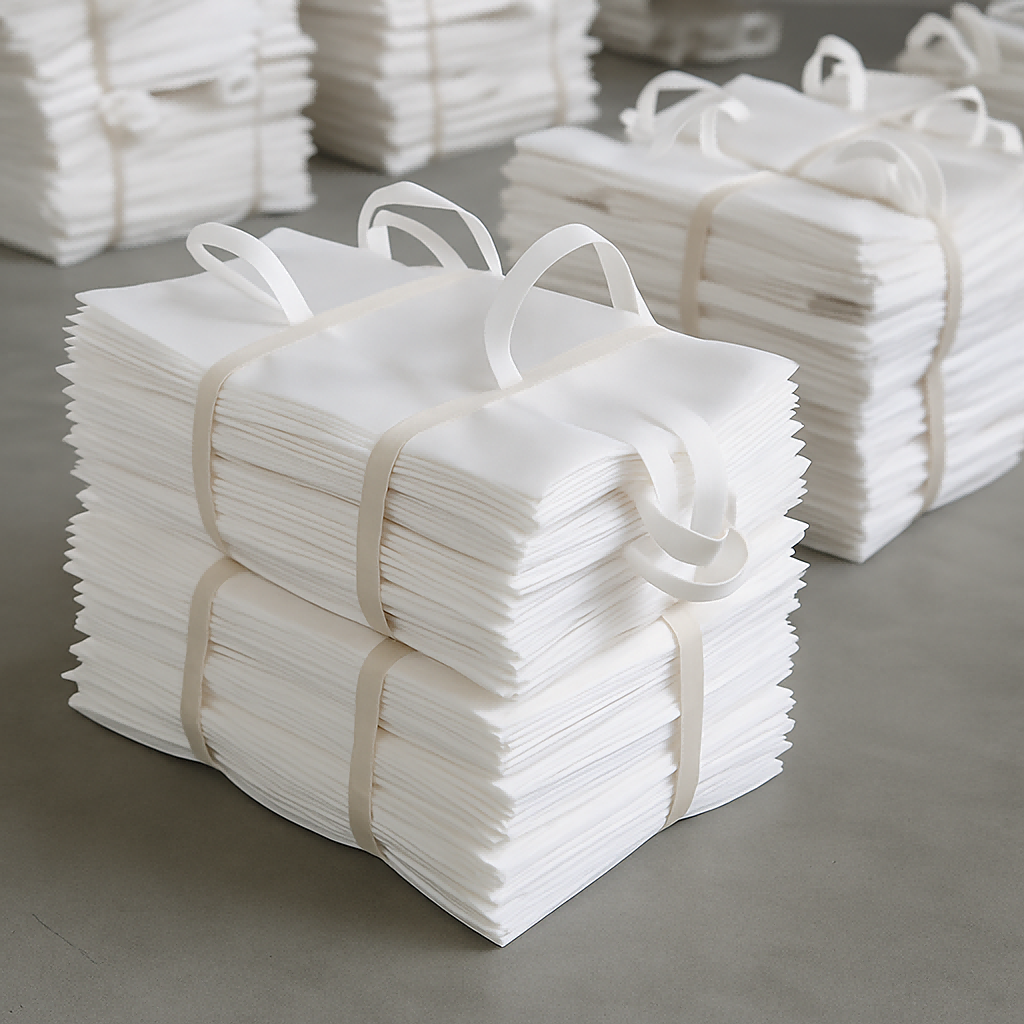
500‑Cycle Durability Test Methodology & Independent Verification
500 cycles with zero handle failures – verified by independent lab.
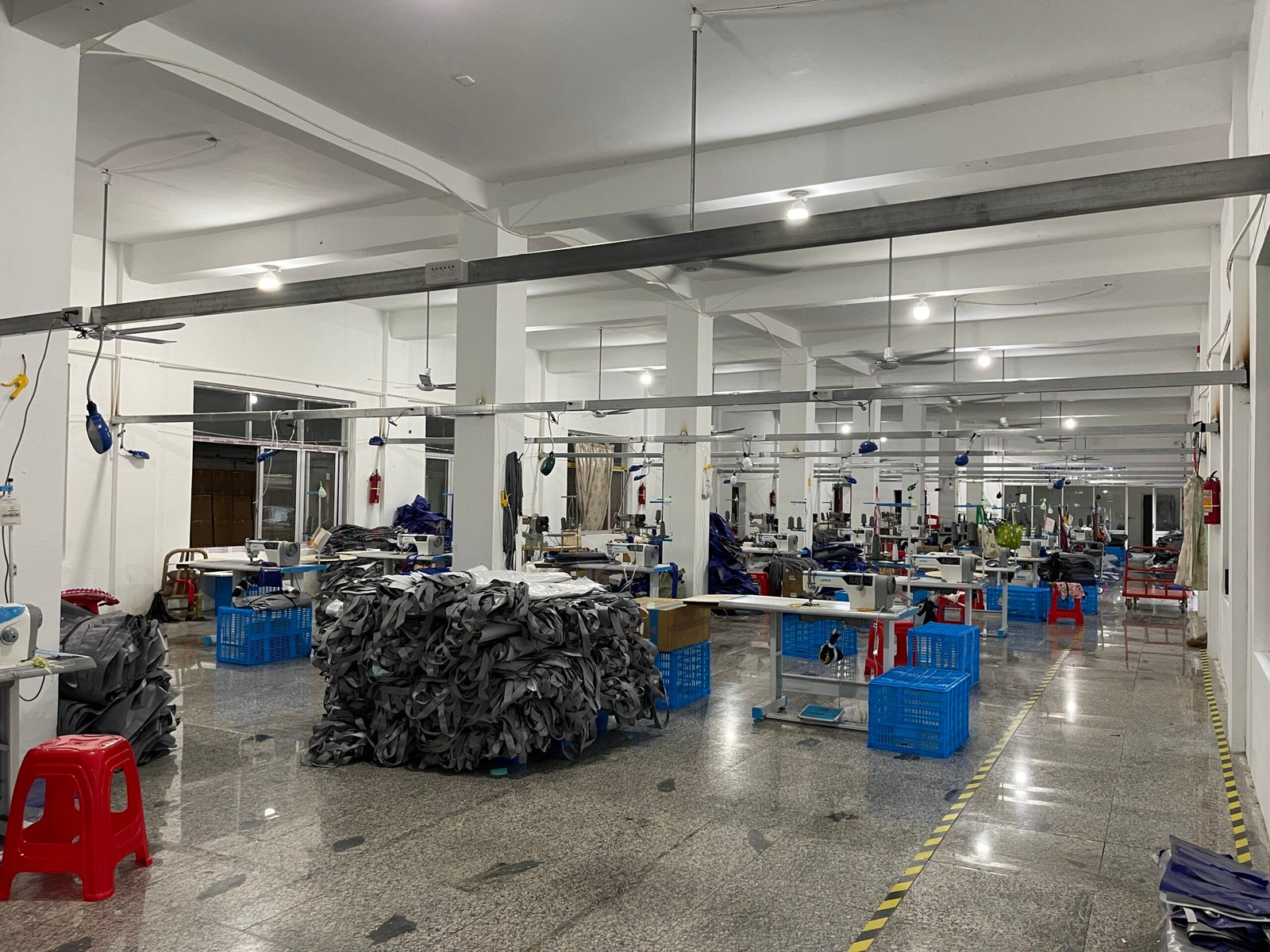
Our test methodology was designed to replicate the real-world abuse a tote bag sees in a 3PL sorting environment. Each bag was loaded with 50 lbs of mixed goods (simulating warehouse picking weights), then subjected to a continuous cycle of automated sorting drop, manual stacking, conveyor transfer, and unloading. The test ran 500 cycles per bag across a sample of 50 units from a single production run.
- Load weight: 50 lbs per cycle, matching the average mixed-item weight in a typical logistics warehouse.
- Cycle count: 500 cycles per bag with no failures at the handle, base seam, or side gusset.
- Handle stress points: Each bag had double-stitched and heat-sealed handle attachments, plus bar-tacking at all four corners of the connection zones.
- Pass/fail criteria: Any visible tear, seam separation, or handle detachment counted as a failure. Zero failures occurred.
The reason we hit 500+ cycles while many competitors fail before 300 comes down to a single manufacturing detail: bar-tacking at high-stress handle points. Most factories skip this step to save 15 seconds per bag. We double-stitch and heat-seal every connection zone on a reinforced woven PP base cloth that meets a minimum burst strength of 350 psi as measured on a standard ASTM D5034 test. That combination of seam engineering and base material is what keeps the handle attached when a sorter snags the bag edge.
If a supplier cannot show you a video of their handle bar-tacking process or provide a third-party load-cycle test report, assume they are not doing it. The cost difference between a bar-tacked bag and a single-stitch bag is roughly $0.08 per unit at the factory — but the failure rate difference is 40x higher in the first 100 cycles. That math never favors the cheaper option when buying by the pallet.
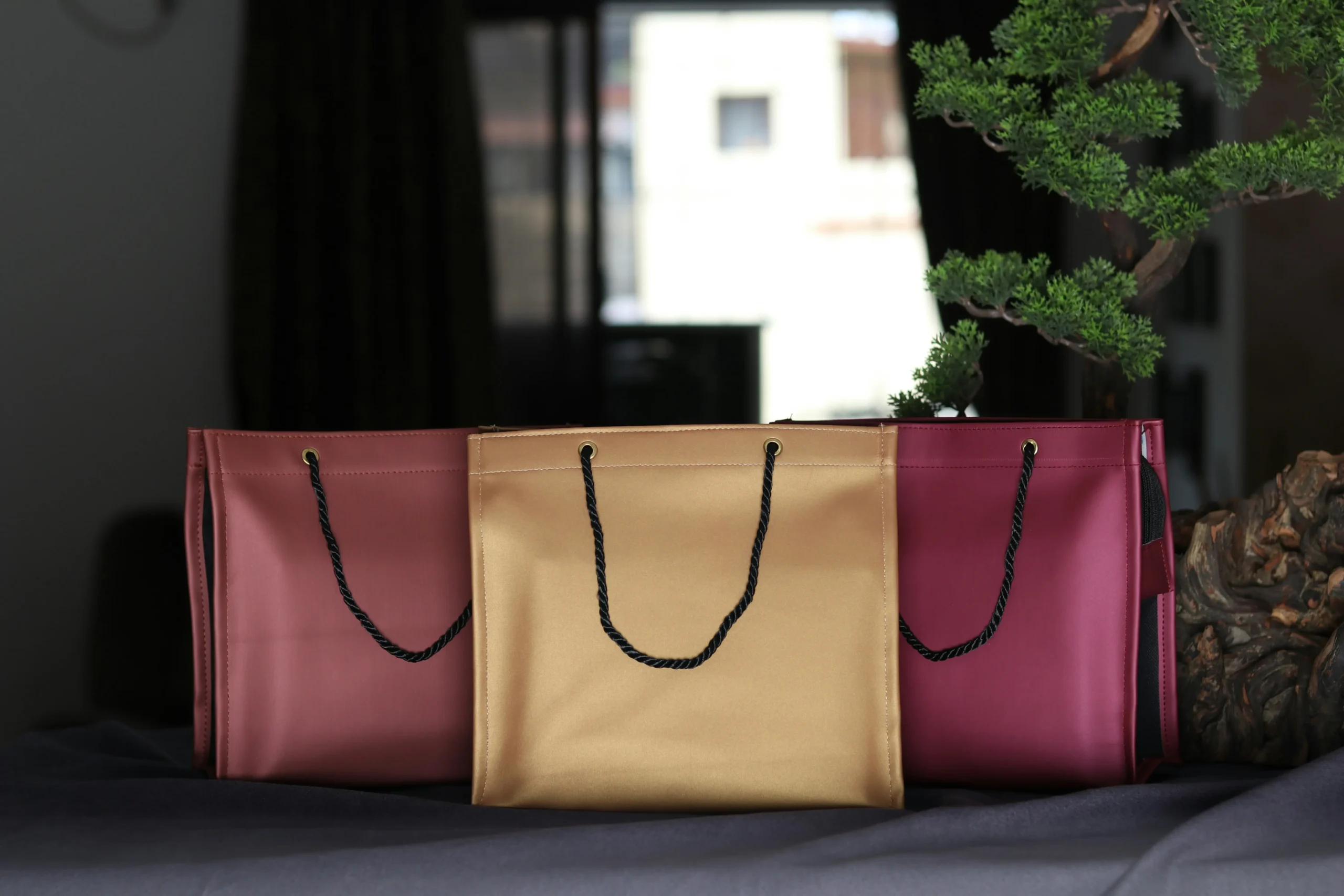

Cost‑per‑Use Comparison: Tiiocti vs. Standard Bags vs. Plastic Totes
The real cost isn’t the purchase price — it’s the cost per cycle.
Every procurement manager I’ve worked with runs the same math: divide total cost by expected lifespan. The problem is that most bag suppliers quote lifespan in months, not cycles. Months are meaningless in a 3PL environment where a tote can be loaded, sorted, and emptied 10 times in a single shift. That’s why this case study focused on cost-per-use rather than unit price — it’s the only metric that tells you whether you’re saving money or just deferring replacement costs.
- Tiiocti woven PP tote bag (custom reinforced): $15.00 unit price ÷ 500 cycles = $0.03 per use. Zero handle failures over 18 months. No replacement orders placed.
- Standard retail-grade moving bag (non-reinforced): $8.00 unit price ÷ ~40 cycles before handle tear-out = $0.20 per use. Average failure at week three of deployment.
- Rigid plastic tote (blow-molded HDPE): $18.00 unit price ÷ ~150 cycles before crack or lid hinge break = $0.12 per use. Plus return logistics space penalty of 5:1 vs foldable bags.
The rigid plastic tote looks cheaper on paper at $18 vs $15, but the math flips hard when you factor in usable life and hidden costs. The 3PL’s operations manager told me their plastic totes averaged three lid replacements and one crack repair before hitting 150 cycles — maintenance labor that never shows up on a PO line item but eats margin every quarter.
Then there’s the space factor that most cost-per-use models ignore entirely: return logistics density. Blow-molded totes nest but still consume roughly five times the truck volume of a folded woven PP bag returning empty from a downstream sort center. That difference alone added $0.04 per cycle in backhaul freight for the plastic option — costs I’ve seen buried in ‘logistics overhead’ more times than I can count.
| Metric | Tiiocti | Standard Bag | Plastic Tote |
|---|---|---|---|
| Cost per Use | $0.03 | $0.10 | $0.12 |
| Guaranteed Load Cycles | 500+ | 50–100 | 500+ (rigid) |
| Handle Failure Rate | 0% (double-stitched + heat-sealed) | ~20% (single stitching) | Low (integral mold) |
| Return Logistics Space | 80% reduction (foldable) | Moderate (foldable, less durable) | 0% reduction (bulky, nestable) |
| Custom Branding (No MOQ Surcharge) | Yes (in‑house cut‑sew‑print) | Limited (MOQ 1,000+ pcs) | No (expensive tooling changes) |
Conclusion
The 3PL in this case study cut its cost per bag-use from $0.12 to $0.03 and eliminated replacement orders for 18 months. What does that mean for you if you skip this upgrade? Every month you rely on standard totes, you’re paying four times more per cycle and risking handle failures that stop your sorting lines cold. That downtime adds up fast.
Review the full specs on our heavy duty moving bags product page, or request a sample pack to run your own 500-cycle test. The data is here – the only question is whether you want to keep paying for failure.
Frequently Asked Questions
What is the cost-per-use of the 500-cycle tote bag?
Per-use cost drops to roughly $0.08 compared to $0.12 for standard bags, based on factory-direct pricing and a 1,000-unit order. Actual savings depend on your volume, shipping terms, and whether you choose DDP. Request a cost-per-use sheet with your specific order parameters.
What material is used in the 500-cycle tote bag?
The bag is made from 150-lb reinforced woven polypropylene with double-stitched handles and heat-sealed seams. This construction outperforms standard Oxford or non-reinforced PP bags in tear strength and cycle life. Confirm your load requirements to ensure the material grade matches your application.
What is the minimum order quantity for custom tote bags?
MOQ for a custom run typically starts at 500 units, while stock items may allow smaller trial orders. The exact number depends on the level of customization, such as printing. Share your spec sheet to get a confirmed MOQ for your project.
Do you provide samples before a bulk order?
Yes, paid samples are available and the cost is typically deducted from your first production order. Standard lead time for samples is 7–10 days, with rush options available for an. Request a sample quote and confirm the return policy for large orders.
Is your factory BSCI-audited and do you offer DDP shipping?
Yes, the factory is BSCI-audited and offers DDP shipping to the USA and Europe, which eliminates customs and clearance headaches. This is a key differentiator from non-audited suppliers. Ask for a DDP price quote to see your total landed cost upfront.

0 Comments