



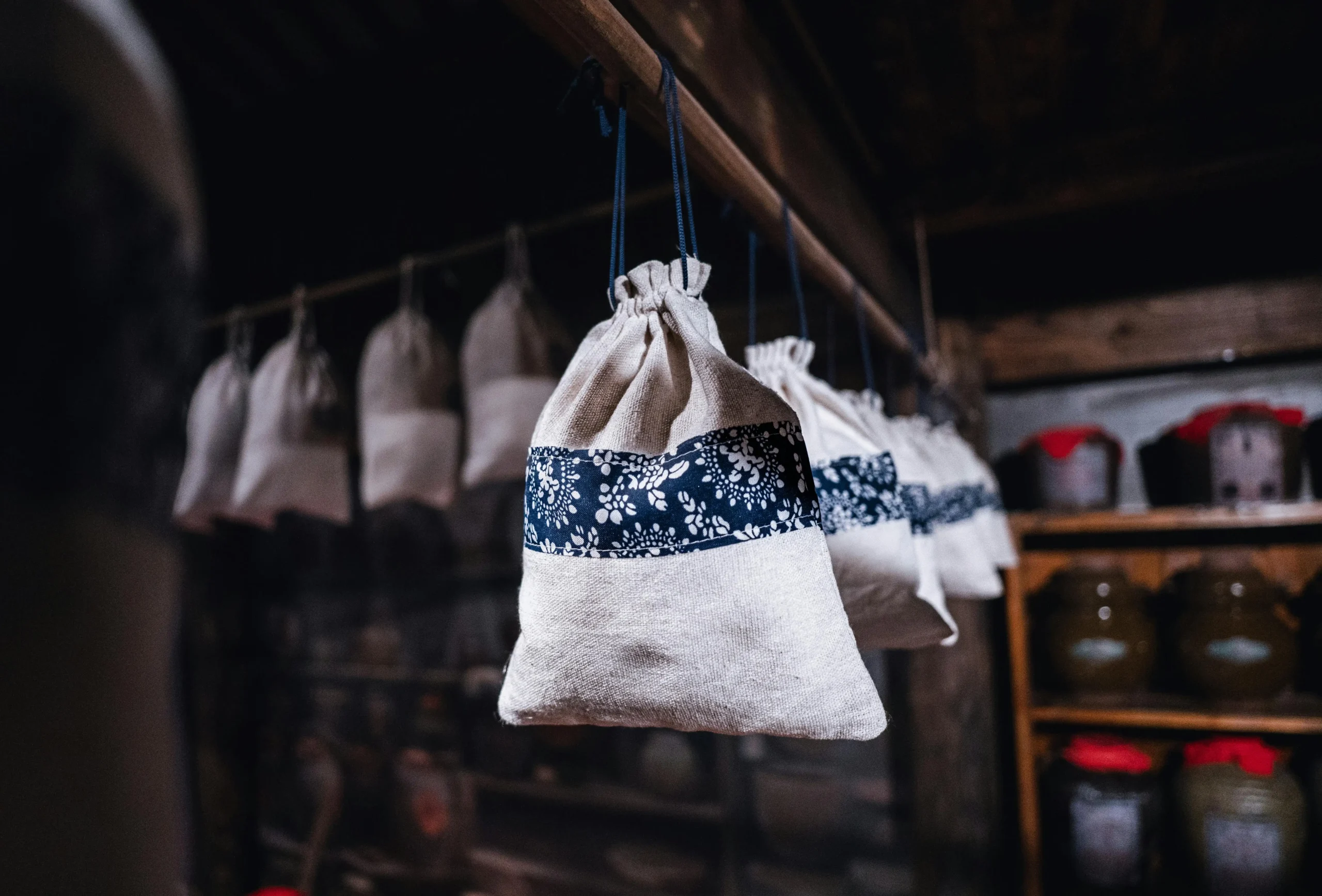
Woven PP and non-woven PP both start as polypropylene, both show up in the bag aisle, and both get called “PP bags” in quotes that differ by 40 percent in price. They are made differently, carry load differently and wear out differently. Choosing between them is the single most consequential material decision in a bag program, and it resolves into four questions: how each is made, how much load each carries, how each prints, and what each costs per use.
How Each Material Is Made
Woven PP starts as polypropylene tape: resin is extruded into flat tapes, which are woven on circular looms into a fabric of crossed warp and weft tapes. The weave is what gives woven PP its load capacity, the same principle as any textile, and most woven bag fabric is laminated with a PP film layer that seals the weave and creates the print surface. The production sequence, tape extrusion, circular weaving, lamination and converting, is the process shown in this PP woven bag making machine footage from the K trade fair, and the industry’s material association, the Plastics Industry Association, documents the resin families behind both materials.
Non-woven PP skips the loom entirely: extruded fibers are bonded mechanically, thermally or chemically into a sheet, the process behind the reusable shopping bag most supermarkets sell. No weave means no directional load structure, so non-woven fabric carries lighter loads per gram and costs less per square meter.

Load Capacity and Durability: Where They Separate
Woven PP is the load-bearing material. Laminated woven construction carries the heavy-duty ratings that moving bags and industrial sacks specify, and its strength holds when the bag is filled to shape and lifted by its handles. Non-woven PP suits light retail duty: giveaway totes, gift bags and light grocery loads, where its lower cost and softer hand are the priorities.
Durability per use follows the same split. A laminated woven PP bag survives dozens of heavy cycles; a non-woven bag typically serves a shorter reuse life before edge wear and handle attachment fatigue show. For programs where the bag’s reuse count is the value proposition, heavy moving, storage, logistics周转, woven is the honest spec. Buyers can see the load-side numbers in our guide to woven bag fabric density, GSM and load ratings, and the coating options that finish a woven surface, lamination, PU and PVC, are compared in our guide to fabric coatings for PP bags.

Printing, Sustainability and Cost Per Use
Printing differs structurally: woven PP prints on its lamination film, taking full-color graphics cleanly; non-woven prints directly but on a fibrous surface that limits fine detail. On sustainability, both are polypropylene and both are recyclable in PP streams, and GRS-certified recycled PP is available in both constructions; the honest comparison between recycled and degradable claims for PP bags is covered in our guide to biodegradable versus recyclable PP bags.
Cost per use resolves the comparison for most programs. Non-woven wins on upfront price per bag. Woven wins on cost per use wherever the bag is reused under load, because its higher unit price divides across many more working cycles. Buyers mapping a program’s duty cycle can match the material to the load plan using our guide to moving bags, where woven laminated PP is the standard build.
Frequently Asked Questions
Which is stronger, woven or non-woven PP?
Woven PP, by a wide margin at equal weight: the crossed-tape weave creates directional load capacity that bonded non-woven sheet cannot match.
Why is non-woven cheaper?
No weaving step: fibers bond directly into a sheet, which cuts process cost per square meter and suits lighter-duty bags.
Which prints better?
Woven PP prints on its lamination film with clean full-color results; non-woven’s fibrous surface limits fine detail.
Are both recyclable?
Yes, both are PP and recyclable in PP streams, and GRS-certified recycled content is available in either construction.


0 Comments