



A 50 kg woven PP moving bag and a 15 kg one can look identical in a product photo, and the difference lives in three spec lines: fabric weight, seam pattern and handle reinforcement. Buyers who skip those lines source failure. This guide lists the load specs that separate a bag that survives relocation season from one that fails in the stairwell.
The guide covers fabric GSM and denier by load class, the seam and handle patterns that carry real load, woven versus non-woven PP for moving programs, and the sourcing checks, first-article inspection and drop testing, that prevent bag failure at destination.
Load ratings vary by fabric supplier and construction method; figures below are working ranges from current woven PP production and should be confirmed against each factory’s test reports.

Load classes: 15, 25 and 50 kg
Moving bags sort into three working classes. The 15 kg class runs 90 to 120 gsm fabric with 500 to 700 denier tape, suits light residential moves and textile transport, and fills 60 to 90 liter volumes. The 25 kg class steps up to 120 to 160 gsm and 700 to 900 denier, the default for professional movers handling books, kitchenware and files in 90 to 120 liter bags. The 50 kg class uses 160 to 200 gsm fabric at 900 to 1200 denier with fully wrapped webbing handles, and carries dense loads, tools, hardware, documents, at 120 to 150 liters. The relationship between gsm and capacity is not linear: doubling fabric weight buys roughly 2 to 2.5 times safe load because tear resistance rises faster than area weight, the mechanics behind our fabric GSM guide. Background on the polymer itself is maintained on Wikipedia.
GSM and denier: what actually carries the weight
Two numbers describe a woven PP fabric, and they measure different things. GSM, grams per square meter, measures the fabric’s area density and drives cost roughly linearly. Denier measures the thickness of the individual tape or yarn and drives tear resistance, which is what fails when a loaded bag catches a doorframe. A 140 gsm fabric at 500 denier and one at 1000 denier cost similarly but tear differently, and the higher-denier option survives snag load that the finer weave does not. Seams convert fabric strength into bag strength, and the stitch patterns that do it, chain stitch bodies with double-needle reinforcement, are graded by the ASTM seam testing methods our quality team applies.
Handle reinforcement: the hidden failure point
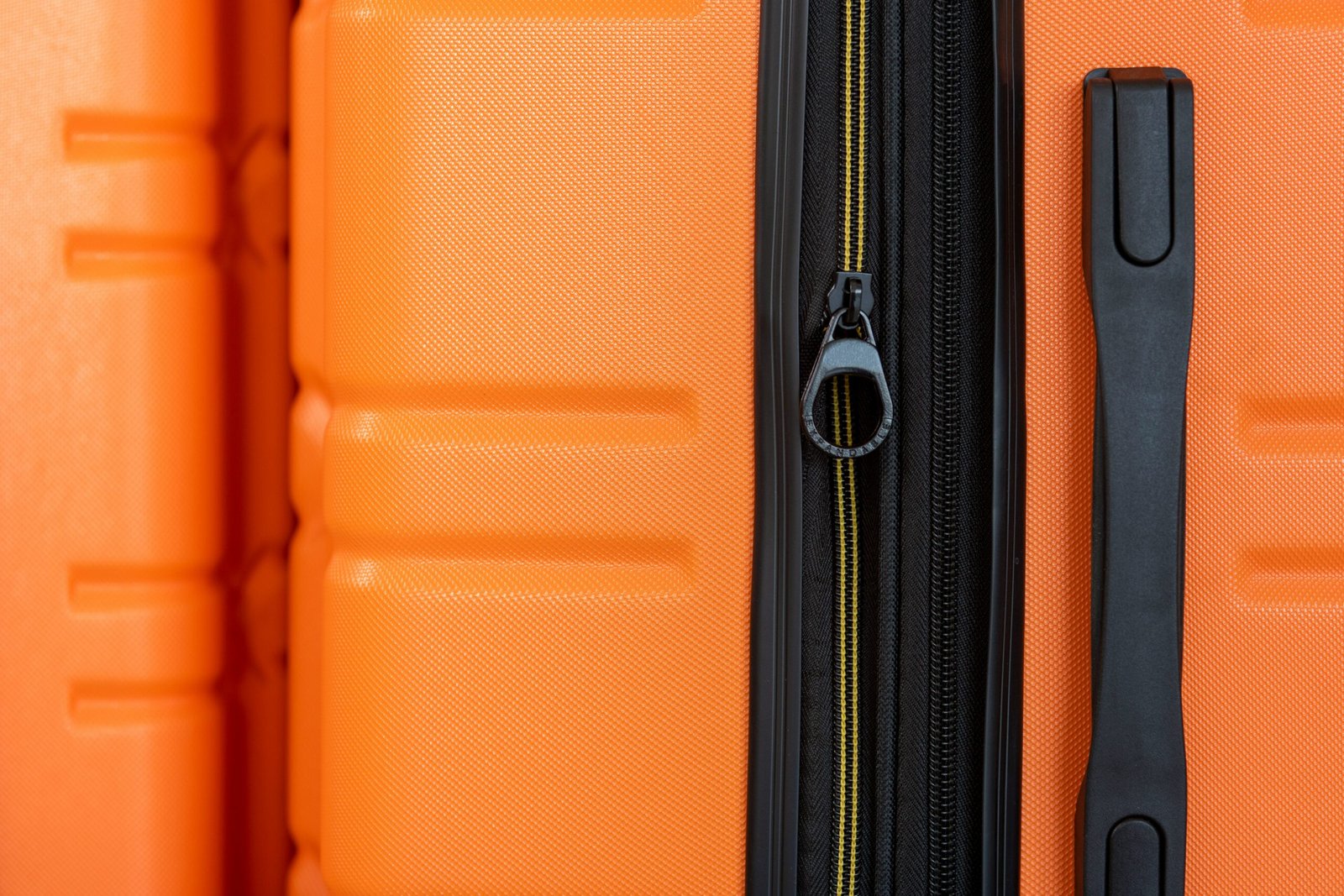
More moving bags fail at the handle than at the body. The fix is structural: handles cut from the same woven fabric, folded and wrapped over 40 to 50 mm polyester webbing, then attached with an X-box stitch pattern that distributes pull across 8 to 12 stitch points instead of 2. Well-built 50 kg bags test at 200 to 300 newtons of handle pull for 30 minutes without elongation beyond 5 percent, a 2.5 to 3 times safety factor over the rated load. Thread choice matters as much as pattern: bonded nylon or polyester at Tex 40 to Tex 70, the materials compared in our heavy-bag sewing thread guide, keep the stitch from being the weak layer.
Woven versus non-woven PP for moving
The two PP fabrics share a polymer and little else. Non-woven PP at 60 to 100 gsm handles 10 to 15 kg, serves event and retail giveaway duty, and costs 30 to 50 percent less per bag. Woven PP at 90 to 200 gsm carries 15 to 50 kg, survives 20 to 40 reuse cycles against non-woven’s 3 to 8, and accepts lamination, the waterproof coating that moving programs in rainy climates should specify at 15 to 25 grams per square meter of coating. The full material comparison, including lamination options, sits in our woven versus non-woven guide; for moving duty the summary is short, woven at 120 gsm or above, always laminated.
Sourcing specs that prevent bag failure
A load rating is a claim until inspection makes it a fact. Three checks convert it. First-article inspection on the first 20 to 50 bags of every new production run, verifying gsm, denier, stitch count and handle attachment against the specification sheet. In-production sampling at AQL 2.5, pulling bags per lot and load-testing to 1.5 times rated weight for 10 minutes. And a destination-side drop test, 1.2 meters onto concrete with a full rated load, which reproduces the stairwell failure mode better than any static test. The inspection paperwork standards we follow are described in our lab report reading guide. Bags that pass all three checks run through our woven PP range with load class and test status per SKU at quotation.
Frequently asked questions
How much weight can a woven PP moving bag hold?
15 kg at 90-120 gsm, 25 kg at 120-160 gsm, and 50 kg at 160-200 gsm with reinforced webbing handles and X-box stitching.
What GSM is best for moving bags?
120 gsm minimum for professional moving, 160 gsm and above for 50 kg loads; pair gsm with 700-1200 denier tape for tear resistance.
Woven or non-woven PP for moving?
Woven. Non-woven PP at 60-100 gsm holds 10-15 kg for 3-8 uses; woven PP carries up to 50 kg across 20-40 reuse cycles.
How do you verify a 50 kg load rating?
First-article inspection, AQL 2.5 lot sampling load-tested to 1.5 times rating, and a 1.2 meter drop test with full load.
Spec the bag, not the photo
Identical-looking bags differ by 35 kg of safe load, and the difference is written in three lines a buyer can read. Programs that specify gsm, denier, stitch pattern and test protocol buy relocations without claims; programs that buy on appearance buy stairwell failures at destination. Every load class in our woven PP moving bag range ships with its inspection status, and quotations list the spec sheet line by line.
Freight timing decides landed cost on woven bag programs; our bag import peak season calendar maps the booking calendar and surcharge windows.
Ocean-bound content only means something when it is documented; our ocean bound plastic bag manufacturing claims explains the certificate and content checks.
For more detail, see our Second Sourcing.
Related: how load specs translate into the order you stuff a mixed container



0 Comments