




How many procurement managers check woven PP moving bags load capacity against dynamic stress before placing a $50K order? Not enough, based on what I’ve seen across supplier audits in 12 countries. An 80 GSM bag might rate at 50 kg static, but the safe working load drops to 30-35 kg once you factor in swing-and-set-down forces. I’ve watched a $50K order unravel because the pre-production sample approval process never included a simple swing test, and the mass production run failed under real-world conditions.
Most buyers zero in on fabric weight and FOB pricing, but the real failure point is the handle stitch. Tensile strength below 500 N and the seam tears out before the fabric even stresses. The lamination joint itself matches the fabric’s tensile strength at 91.8 kgf, which means it’s not reinforcing anything — it’s a hidden weak point that needs separate control. For active moving operations, that 60 GSM bag you’re sourcing for linens won’t cut it above 25 kg dynamic.
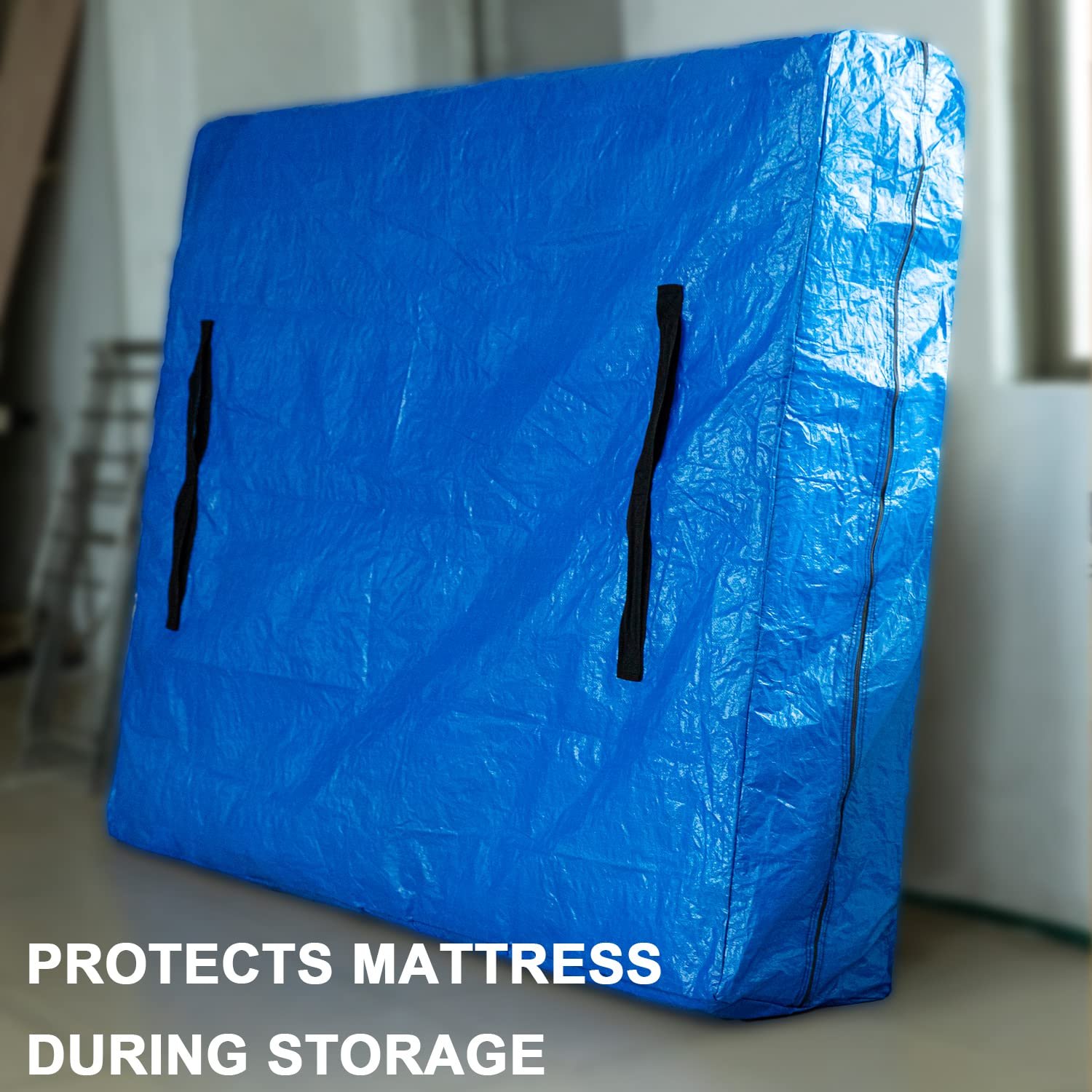
Static Load Capacity: Lab Tested, Not Real World
Static load ratings measure fabric break strength under ideal conditions.
A spec sheet that says 50 kg static load is not a guarantee your crew can safely carry 50 kg. That number comes from a lab test where the fabric is clamped flat and pulled slowly until it tears. No swinging. No handle stress. No repeated set-down impacts. The test measures one thing: the tensile strength of the woven polypropylene substrate under perfect conditions.
What Static Load Ratings Actually Measure
The standard test (ISO 13934-1 or ASTM D5034) grips a 50 mm wide strip of fabric and pulls at a constant rate until rupture. The result is reported in kilograms or Newtons. That number tells you the breaking point of the fabric body, not the bag assembly.
- Fabric only test: The lab clamps raw material, not sewn seams or handles.
- No dynamic factor: The pull is slow and steady, not a sudden drop or swing.
- No stitch contribution: Handle stitching and lamination joints are excluded from the measurement.

Dynamic Load Capacity: The 35-40% Capacity Penalty
The 35-40% penalty is the gap between the spec sheet and your crew’s back.
Your supplier’s spec sheet says the bag handles 50 kg. Your warehouse team loads it with 45 kg of books. Two movers grab the handles, swing it off the truck, and set it down on the pavement. The seam splits. That 50 kg rating was a static load — measured in a lab with the bag sitting still on a flat surface. Real moving introduces forces that spike well beyond that number.
Why Swing-and-Set-Down Forces Reduce Safe Carry Weight
When a mover lifts a loaded bag from ground level to waist height, the initial acceleration adds roughly 1.5x to 2x the static weight to each handle. Swinging the bag onto a shoulder or setting it down from knee height creates deceleration spikes that can hit 2.5x the load for a fraction of a second. A bag rated at 50 kg static can see momentary forces of 100–125 kg at the stitch points during these motions.
The result: an 80 GSM woven PP moving bag that passes a static test at 50 kg will fail in dynamic use if loaded past about 30–35 kg. That’s a 35–40% reduction — and it’s not an edge case; it’s standard physics for any flexible container carried by hand.
Handle Stitch Tensile Strength and Seam Weak Points
The fabric body of an 80 GSM bag can handle roughly 100 kgf of tensile force across its width. But the handle stitches concentrate all that force into maybe six square centimeters of thread contact area. If those stitches deliver less than about 500 N of tensile strength — which is common on budget bags using single-needle stitching with low-grade polyester thread — they’ll tear out under dynamic loading even though the fabric itself is fine.
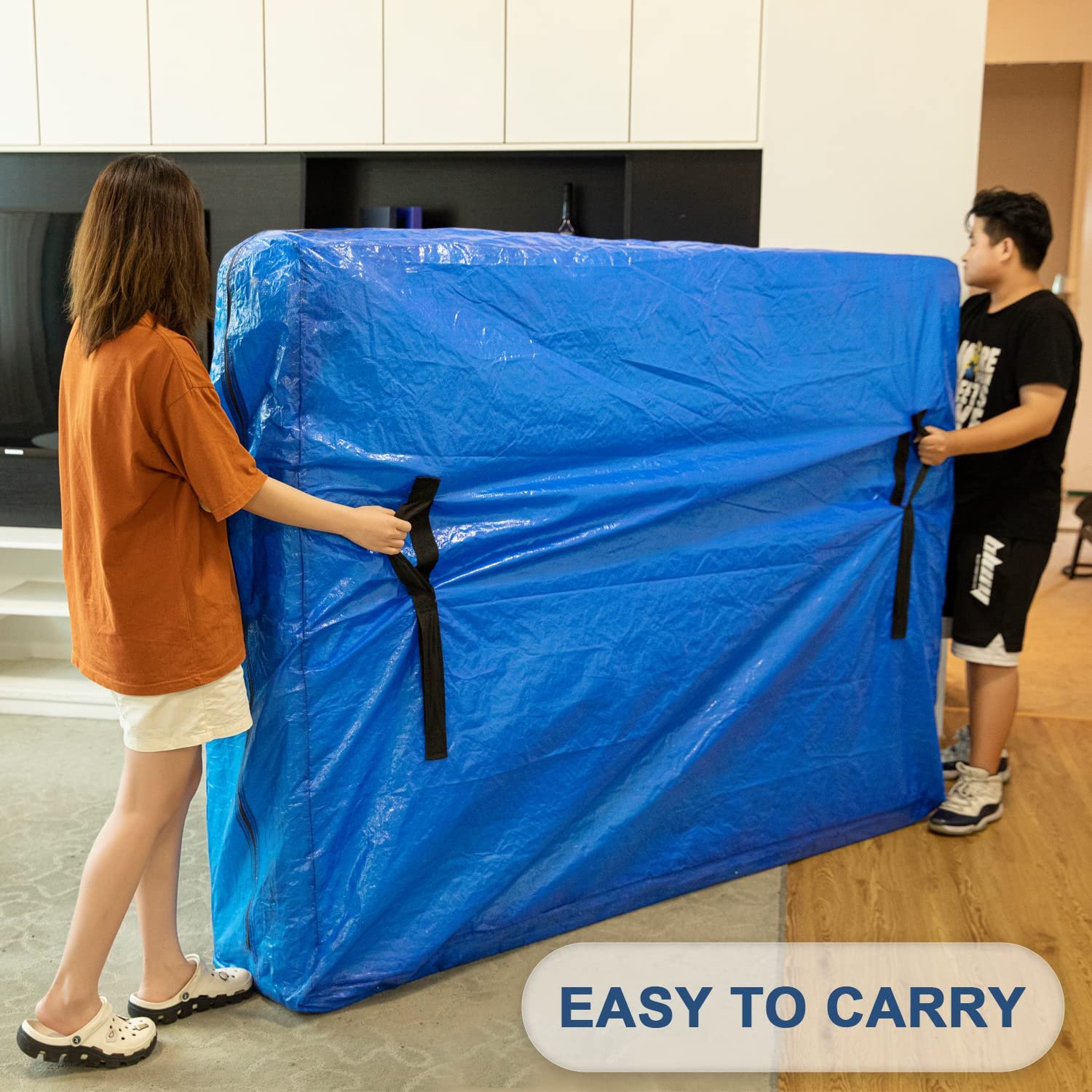
From Spec Sheet to Safe Moving Operations
Static load ratings are lab numbers.
The spec sheet says 50 kg. Your mover picks up the bag by one handle, swings it onto a dolly, and the seam rips open on the second lift. That gap between lab conditions and field reality is where most procurement managers get burned. The difference comes down to static vs dynamic load capacity, and ignoring it costs you damaged goods, crew injuries, and replacement orders.
Recommended Dynamic Load Limits by Use Case
For storage-only use (bags sit on a shelf or in a container without being lifted), static ratings are fine. An 80 GSM woven PP bag rated at 50 kg static will hold that weight safely as long as nobody carries it. But the moment that bag enters active moving operations—carried by hand, loaded onto trucks, passed between workers—the safe limit drops hard.
Conclusion
Ignoring the gap between static vs dynamic load capacity moving bags is how field failures happen. An 80 GSM woven PP bag that passes a lab test at 50 kg can fail at 30 kg under real-world handling. The lamination seam and handle stitch are the weak points most often missed. The cost of skipping this check? A single torn bag during a move can spill contents, damage goods, and injure a crew member — potentially thousands in claims and lost time.
- 80 GSM moving bag safe dynamic weight limit is 30–35 kg, not 50 kg.
- Handle stitch tensile strength below 500 N is the top cause of dynamic failure.
- 60 GSM bags safe only for loads under 25 kg unless reinforced with triple stitch.
- Lamination joint strength equals fabric strength, so it is not a reinforcing factor.
Review your next RFQ. Specify dynamic load limits, minimum 500 N handle stitch tensile strength, and reinforcement requirements. To see bags engineered for these real-world demands, browse the product page.
Frequently Asked Questions
How to get a quote for Static vs Dynamic Load Capacity in Woven PP Moving Bags?
The exact answer depends on the product specification, quantity, and order setup. The safest approach is to confirm the commercial terms only after the final requirement sheet is locked. Final terms should be confirmed against the exact product specification and order conditions.
Can I request samples first?
The exact answer depends on the product specification, quantity, and order setup. The safest approach is to confirm the commercial terms only after the final requirement sheet is locked. Sample availability should be confirmed against the current stock and shipping plan.

0 Comments