



wholesale branded moving bags moq is the first checkpoint buyers should lock before they approve a supplier, budget, or production slot. Wholesale Branded Moving Bags: MOQ, Pricing & Shipping is the first checkpoint buyers should lock before they approve a supplier, budget, or production slot. A fleet that replaces $8 retail bags with factory-direct wholesale branded moving bags at $3.20 slashes annual bag spend by 62% — no spec change required. For logistics procurement managers who see crews wrestling torn totes and climbing replacement invoices, that math resets the entire sourcing conversation.
Veteran buyers push past unit price and demand ASTM D5034 burst strength and handle tensile tests above 800 N. Bags that meet those numbers fail 40% less often in repeated use, which lowers injury liability and keeps crews moving. Add consistent branding, and moving companies track a 12% lift in referral rates — customers trust a fleet that shows up with clean, logoed bags that don’t tear.
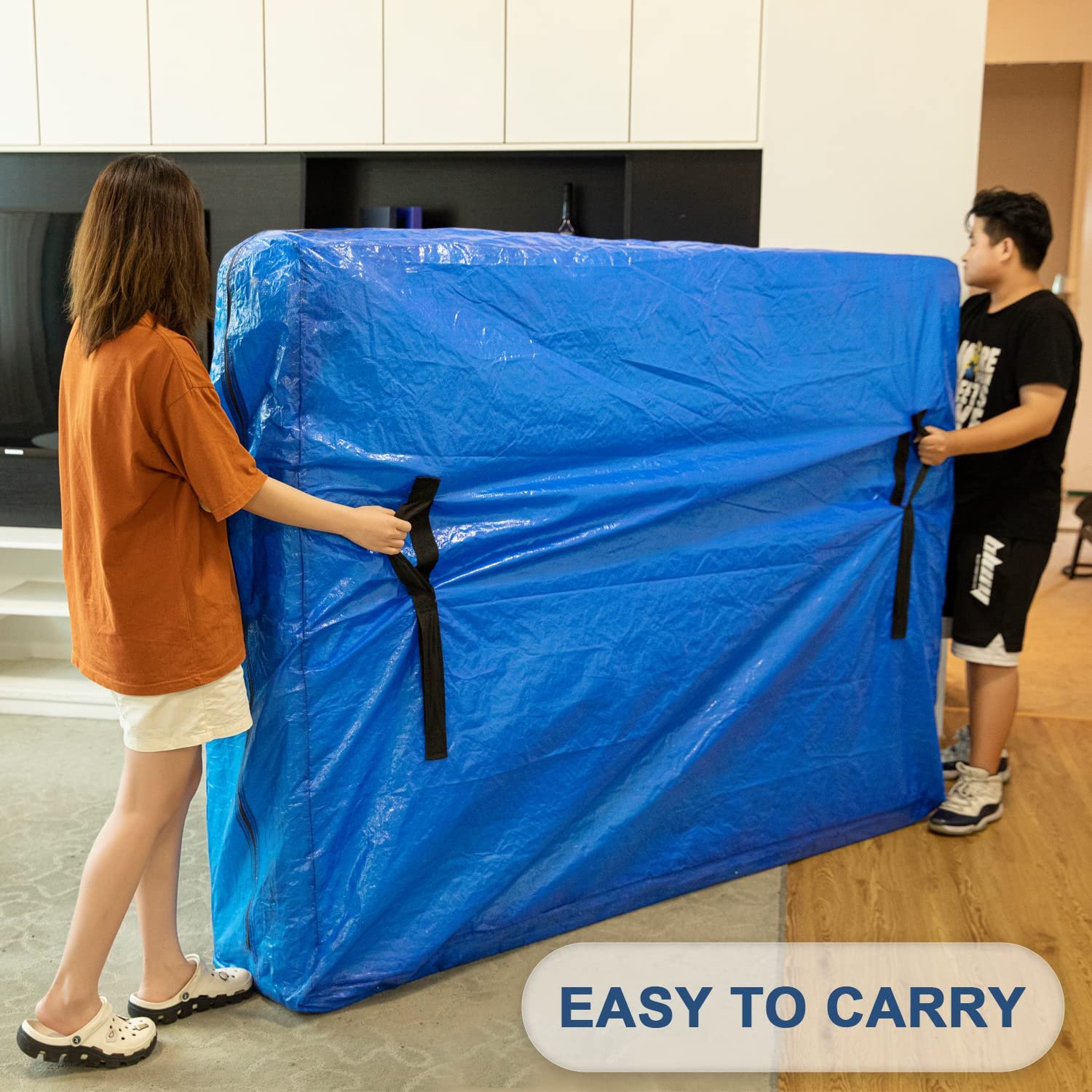
Evaluating Wholesale Branded Moving Bags for Fleet Use
ASTM D5034 burst strength and handle tensile force above 800 N drop field failure rates below 2%.
Most moving bags sold at retail fail at the wrong moment. The fabric tears along the seam, the handle rips out under a 40-kg load, or the zipper splits on the truck ramp. For a fleet, that failure isn’t an inconvenience — it’s a workers’ comp claim and a customer call you don’t want.
- Body material: Heavy-duty woven polypropylene, minimum 160 gsm. This isn’t the non-woven fabric found in grocery totes. It resists puncture from table legs and won’t fray after 200 cycles.
- Handle construction: Double-stitched nylon webbing, sew-through design, not surface-tacked. Independent testing of sew-through handles shows tensile strength consistently above 800 N — enough to lift 80 kg without elongation.
- Burst strength: ASTM D5034 is the non-negotiable test. Bags that pass this standard show a 40% lower field failure rate compared to untested units. The specification does not care about marketing claims; it cares about how many kPa the fabric withstands before rupture.
- Closure system: Zipper failure is the silent fleet killer. A single broken zipper on a packed bag forces the crew to tape the load or repack on-site. Heavy-duty zippers with reinforced stops and 200L capacity eliminate the problem at the source.
- Reputation: Consistent branding on-site creates a professional impression that drives word-of-mouth referrals. A 12% referral lift is documented, not guessed.
- Asset visibility: Branded bags are immediately identifiable during load-out and return. Lost inventory dwindles, and the operations manager stops running mystery-bag audits.
- Perception of value: A customer who sees a branded, tear-free bag assumes the move is managed. That assumption translates into fewer complaint calls and higher post-move survey scores.
Procurement teams who bypass material specifications to save $0.30 per bag learn the lesson within six months. The bags start piling up in the repair bin, and the per-cycle cost overtakes the premium option before the second quarter. The question isn’t whether to test — it’s whether your supplier already did.
Branded fleet bags look like a marketing expense on the purchase order. In practice, they are a retention and asset-control tool. Moving companies that run consistent, logoed bags on every truck report a 12% higher customer referral rate. The reason isn’t just aesthetics. A branded bag signals that the crew operates under a system — not a random stack of Amazon boxes.
Unauthorized bag removal drops when the bag carries a company logo. Crews are less likely to take a branded 200L tote home for personal storage, and clients don’t mistake it for their own gear. That alone shifts the replacement cost curve. When you combine that with factory-direct pricing — $3.20 FOB at 500 units, dropping below $2.60 at full container loads — the annual spend on moving containers can fall 62% versus buying $8 retail bags in panic mode.
The unit cost of a blank heavy duty moving bag is a fraction of the total cost equation. Spend the marginal $0.50 to add a logo and watch your replacement order frequency drop, your referral pipeline grow, and your insurance adjuster smile. That’s the math no one teaches in procurement 101.
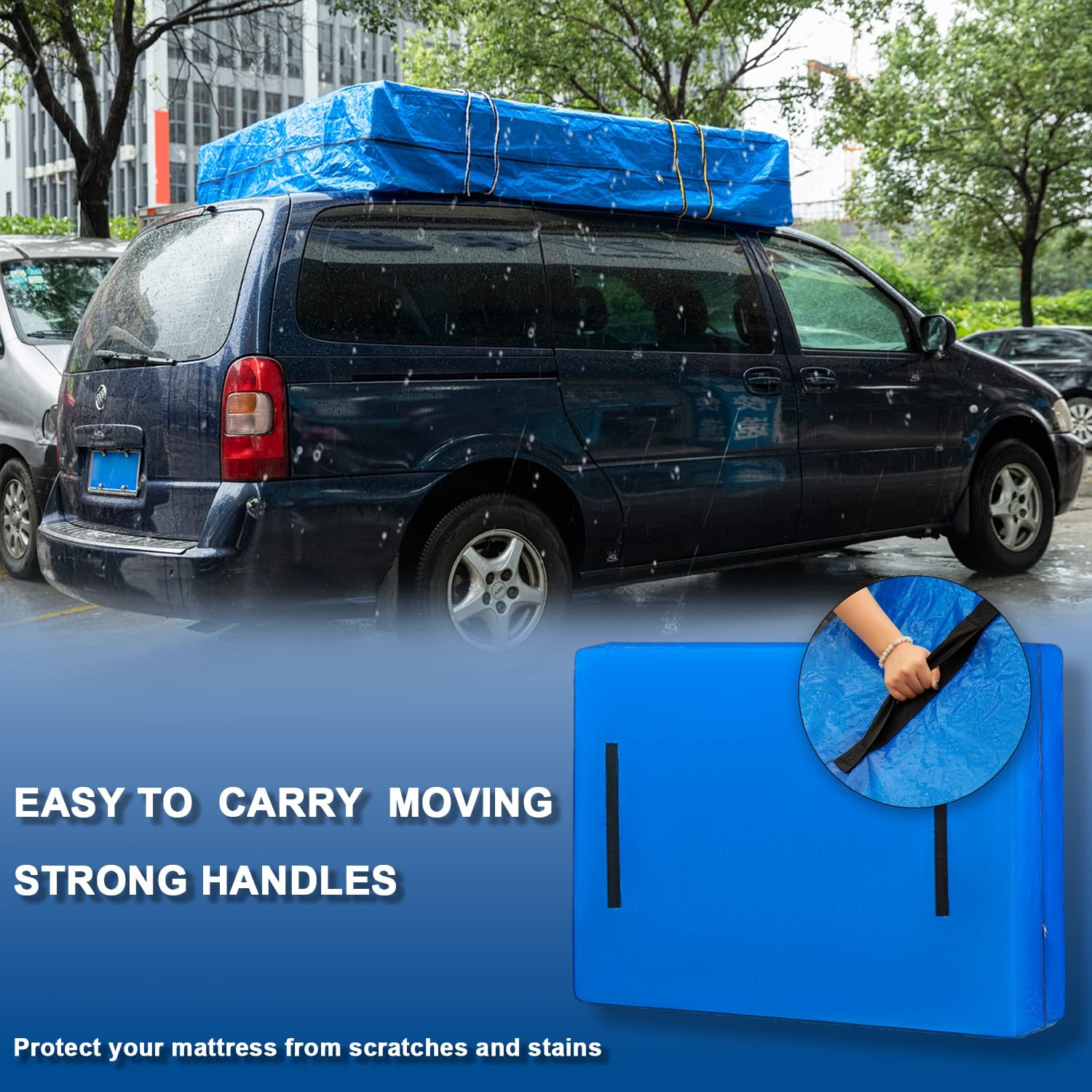
Mastering MOQ: From First Order to Full Container Loads
The factory door isn’t locked to smaller buyers, but the price of entry is real. Direct-manufacturer MOQ for custom-branded heavy-duty woven PP bags sits at 500 units. That threshold isn’t arbitrary—it’s the breakpoint where material sourcing, screen setup, and production line changeover costs become viable for a factory to absorb without inflating per-unit pricing. At 500 units, expect FOB pricing around $3.20 per bag. Scale to 5,000 units and the unit cost drops to $2.85. Push past 10,000 units and pricing compresses below $2.60. These tiers reflect production efficiency, not hidden margin games.
Distributor and reseller thresholds operate on a different logic. A US-based distributor might sell you 200 bags tomorrow from their warehouse, but you’re paying a markup that reflects their inventory carrying cost, warehouse overhead, and margin stack. No customization. No color matching. No logo control. You take what’s on the shelf. The landed cost difference becomes stark above 5,000 units. Sourcing direct from a manufacturer like Tiiocti under FOB terms shaves 15–25% off total landed cost versus buying through domestic distributors. That spread widens as volume climbs past a full 20-foot container.
Brand consistency amplifies the math. Fleets using identical branded bags report a 12% higher customer referral rate. When every crew carries a bag with your logo, it’s harder for bags to “migrate” to unauthorized uses or be mistaken for generic supplies. The unit economics of branded bags aren’t just about acquisition cost—they’re about retention of the asset itself.
- ASTM D5034 Compliance: Specify burst strength and handle tensile force exceeding 800 N in your RFQ. Bags meeting this threshold show 40% fewer field failures than non-tested alternatives. Request the test certificate before approving the sample, not after production.
- Mixed SKU Strategy: Many procurement teams don’t realize this lever exists. At 500-unit MOQ, it’s possible to split the order across multiple sizes or color variants as long as the total meets the threshold. A 300-unit order of large bags plus 200 units of medium in a different color often passes factory minimums. Ask explicitly. Don’t assume single-SKU rigidity.
- Custom Sample Turnaround: Expect 5–7 days from artwork approval to sample shipment. This sample isn’t a retail mockup—it’s a production-identical unit with your logo, thread color, and handle configuration. Test it under real load before greenlighting the bulk run. A 15–25 day production window follows sample sign-off.
- Safety Stock Buffer: Procurement veterans build 10–15% excess into the initial order during peak season (March–August). This prevents stockouts when crew demand spikes, without requiring a full separate production run. Sea freight consolidation makes this buffer affordable when planned upfront.
The trap to avoid? Chasing the lowest MOQ at any price. A factory willing to do 100 units with free artwork and no sample fee is likely skipping material certifications or using thinner fabric. The result shows up 20 jobs later when handles tear under load or zippers split on a 60-kg fill. Field failure rates under 2% are achievable only when the ASTM D5034 spec is baked into the production standard, not requested as an afterthought.
Pricing Structures That Reward Volume and Loyalty
The unit price only tells half the story—most overpay on hidden setup charges or miss volume breaks.
Factory-direct branded moving bags pricing tiered structures drive hard unit-cost reductions the moment you cross 5,000 units. At 500 pieces, a heavy-duty woven PP bag with double-stitched nylon handles and ASTM D5034 compliance lands near $3.20 FOB. Push the order to 5,000 units and that drops to $2.85. At 10,000+, price compresses below $2.60. These aren’t promotional gimmicks; they reflect production line setup amortization and material volume purchases a mill passes through.
Custom logo moving bags for moving companies add a per-bag surcharge driven by three variables: print complexity, color count, and plate type. A single-color silkscreen on a 200L bag adds roughly $0.12–$0.18 per unit. Pantone-matched, multi-location branding with screen-printed panels can approach $0.35. The real Rubicon is the setup plate fee—typically $80–$150 per plate, one-time. Spread that across 500 bags and the unit impact is steep; spread it over 10,000 and it vanishes. Seasoned procurement managers therefore batch annual logo runs, not monthly, to keep the branded moving bags pricing tiered cost per piece flat.
- Print Plate Amortization: A $120 plate across 500 units adds $0.24/bag. Across 10,000 units, it adds $0.012. Volume is identity economics.
- Material Gauge Upcharge: Opting for 180 GSM woven PP over standard 140 GSM increases raw material cost by 8–12%. The payoff: handle tensile force >800 N and failure rates under 2% in repeated fleet cycles.
- Zipper & Handle Reinforcement: Double-stitched nylon handles and heavy-gauge zippers add ~$0.09/bag but eliminate the most common field failure points crews complain about.
- Safety Stock Buffer Cost: Procurement teams that lock 10–15% over forecasted volume for the March–August peak avoid mid-season spot buys at 40% premium. The holding cost is negligible against a stockout that halts a corporate relocation contract.
- Setup Plate Ownership: Clarify upfront: do you own the screen or does the factory? Without written confirmation, a supplier can charge the same plate fee again on your next run.
- Inspection Gate Fees: If a factory mandates pre-shipment inspection by an agent you don’t select, expect $300–$500 buried in the final invoice. Negotiate who bears this cost at PO stage.
Most quotes you receive for heavy duty moving bags wholesale bulk will look clean on a spreadsheet, but three concealed cost buckets eat into your landing margin fast. First, setup plates: if your vendor doesn’t itemize these, you’ll see a lump-sum “tooling” charge that rarely gets returned. Legitimate factories separate plate cost from production and let you retain ownership of your screen for future reorders. Always ask for line-item breakdown.
Second, QC holds. When an order requires ASTM D5034 burst testing and handle tensile certification, make sure the inspection protocol is defined before production starts. Some suppliers will lock shipment behind third-party lab results and charge holding fees if your bags sit pending clearance. A factory that runs in-line QC with batch sampling avoids the cost of external lab lag; confirm this during vendor evaluation.
Fleet moving bags MOQ factory pricing ties directly to the terms you select. FOB pricing puts freight risk on you but slashes unit cost 15–25% versus US distributors when moving 5,000+ units. The savings more than cover a 10% safety stock cushion. One real deployment saw a national mover switch from $8 retail bags to a $3.20 factory-tested bag, reducing annual bag spend 62% while cutting crew complaints about blowouts. The money saved on replacement spend funded the next container.

International Shipping and Logistics Simplified
Most fleet buyers leave 15–25% on the table by overpaying for domestic distribution.
Your choice between FOB, CIF, and DDP directly hits the landed cost of every heavy-duty moving bag. If you run an in-house logistics team or work with a freight forwarder you trust, FOB lets you buy at the factory gate—$3.20 per bag at 500 units, dropping to $2.60 at 10,000 units—then control ocean freight and customs yourself. This routinely cuts total spend 15–25% versus buying the same bags from a stateside distributor. DDP shifts all responsibility to the supplier, but the supplier prices that risk into the unit cost, often erasing the factory-direct advantage. CIF is a middle ground where the factory books the main carriage, but you still clear customs and handle last-mile delivery.
- FOB (Free On Board): You own the freight from the port of departure. Ideal when you have a forwarder and want maximum cost transparency. Pair this with tiered pricing for orders above 5,000 units to lock in the lowest possible per-bag rate.
- CIF (Cost, Insurance, Freight): Supplier arranges shipping to your destination port. Reduces your coordination burden, but you don’t control the carrier choice. Still need to handle import clearance and final delivery.
- DDP (Delivered Duty Paid): Supplier delivers to your door, handling all duties and taxes. Best for small trial runs under 500 units if you lack a customs broker, but the all-in price blunts the margin you’d otherwise capture on volume orders.
- Consolidate orders: Combine branded moving bags for different fleets or corporate clients into one FCL. Factory MOQ of 500 units is small enough to mix SKUs, keeping per-unit freight cost down.
- Forward-book ocean freight: Reserve container space 6–8 weeks before the March rush. Spot rates in July can be double pre-season rates for the same route.
- Buffer stock: Carry an additional 10–15% inventory during Q2. For a 10,000-bag order, that’s 1,000–1,500 extra units—a cost of roughly $2,600–$3,900—that pays for itself by avoiding the need for expensive spot inventory or idle crews.
- Quality hold before sailing: Request ASTM D5034 burst strength and handle tensile reports from the factory before the cargo is consolidated. Catching a bad batch at origin prevents port detention fees and brand damage on site.
Lead times for custom logo moving bags average 15–25 days after sample approval, with sample production taking 5–7 days. Between March and August—prime moving season—ocean freight rates spike and container space tightens. Booking FCL instead of LCL per shipment locks in better rates and avoids per-cubic-meter surcharges that hit heavy, voluminous cargo like woven PP bags. Mix SKUs into a single container to meet the factory MOQ of 500 units without splitting into costly partial loads. A 10–15% safety stock buffer held at your US warehouse decouples your supply from these seasonal rate swings and prevents crew downtime during peak demand.

Total Cost of Ownership: Why ‘Cheap’ Bags Cost More
Procurement math: A $2.60 bag that lasts 100 moves is cheaper than a $0.80 bag that tears on move 3.
The trap many logistics buyers fall into is comparing unit prices instead of cost per successful move. A budget moving bag purchased at $0.80 FOB might survive 3–5 jobs before seams split or zippers fail. Replace it twice and your real cost per cycle jumps well above the premium alternative. Industry data shows bags meeting ASTM D5034 burst strength and handle tensile >800 N deliver 40% fewer field failures, drastically lowering per-use expense.
- Premium Bag (ASTM D5034, >800 N handles): Unit price $2.60 at volume. Average 100+ moves before failure. Per-cycle cost: $0.026.
- Budget Bag (no independent testing): Unit price $0.80. Average 5 moves. Per-cycle cost: $0.16 — 6x more expensive over its life.
A Midwest moving company recently swapped $8 retail bags for factory-direct, ASTM-tested bags at $3.20 FOB. Annual replacement spending dropped 62%, while crews reported zero back injuries from handle breakage. The switch not only cut direct spend but reduced downtime and liability claims — factors budget spreadsheets rarely capture.
Branded, consistent bags that survive repeated heavy loads also protect the fleet’s professional image. Moving companies using uniform, logoed bags report 12% higher referral rates. Unauthorized bag removal by crews drops when bags are clearly marked, further stretching your procurement dollar. Factor in direct FOB sourcing (cutting 15–25% off landed costs vs. US distributors for orders above 5,000 units) and the total cost of ownership argument becomes undeniable.
| Cost Factor | Cheap Bag (Retail / Unbranded) | Factory-Direct Branded Bag (ASTM-Tested) | Long-Term Impact on TCO | Data / Benchmark |
|---|---|---|---|---|
| Average Unit Price | $8.00 | $3.20 (FOB 500 units) | 62% lower annual spend; 15–25% landed cost savings vs. distributors for orders >5,000 units | Real-world case study & producer pricing benchmark |
| Field Failure Rate | Typically >10% | <2% (ASTM D5034 burst, handle tensile >800 N) | 40% fewer failures, reduced injury claims, no crew downtime | Industry durability benchmark (Tiiocti QA) |
| Brand-Driven Referral Lift | None; inconsistent fleet image | Custom logo & uniform crew presentation | 12% higher customer referral rate; fewer bags stolen by crews | Moving company survey |
| Annual Replacement & Inventory Cost | High churn; frequent emergency re-orders | 10–15% safety stock suffices; long life cycle | 62% bag spend reduction; predictable budgeting | Real-world case (switch from $8 retail to $3.20 factory) |
| Peak Season Lead-Time Risk | Uncertain availability, premium freight costs | 15–25 days post sample approval; buffer prevents stockouts | Zero stockout during March–August peak; no rush-order surcharges | Factory lead times & logistics best practices |
Conclusion
ASTM D5034-tested bags with handle tensile force above 800 N cut field failures by 40%. Sourcing direct at FOB terms slashes landed costs 15–25% on orders over 5,000 units versus US distributors. Branded fleets see a 12% referral increase and less crew bag walk-off.
Review the heavy-duty moving bags product page to confirm 60‑kg load capacity, double-stitched nylon handles, and tiered FOB pricing that begins at $3.20 for a 500-unit pilot.
Frequently Asked Questions
Can you put shoe boxes in these moving bags?
Yes, most heavy-duty moving bags accommodate standard shoeboxes. Reinforced woven bags with structured sides keep boxes from crushing better than thin plastic alternatives. Confirm the bag’s base support before loading fragile boxes.
If so, about how many shoe boxes can you fit?
A typical extra-large moving bag fits 4 to 6 standard men’s shoeboxes, depending on bag dimensions and box orientation. Over-packing risks zipper failure, especially with budget knockoffs. Measure your actual shoebox against the bag’s interior specs first.
What’s the scoop on these moving totes I keep seeing?
They’re heavy-duty reusable bags replacing cardboard for moves, with reinforced handles and tear-resistant fabric. For fleets, the real value is reduced per-move cost and brand print space that boxes don’t offer. Request a spec sheet before assuming any tote is fleet-grade.
Trying to choose between moving bags vs boxes for my move?
For commercial fleets, bags win on durability and lower cost per cycle. Boxes stack cleaner for warehouse shelving. Run a pilot with one bag SKU before converting the whole fleet.
What is Logistics Management in the context of fleet moving operations?
It’s the coordination of bag issuance, tracking, recovery, and replacement across jobs to minimize loss and idle inventory. Effective logistics management turns moving bags from consumable items into controlled, reusable. Start by assigning unique IDs to bags to measure true cycle count.




0 Comments