




Most retail brand merchandisers treat tote bags as a quick promotional add-on, but tote bag design mistakes here directly hit two of your KPIs: brand visibility and customer satisfaction. We run a factory that makes heavy-duty moving bags and custom retail totes, so we see the same errors cycle through order after order—cheap material, wrong size, print that bleeds after three washes. 74% of customers say product quality drives brand loyalty, and that includes the bag you hand them at checkout.
What looks good on a screen often fails in real production. A retailer recently asked us to replicate a soft-fabric tote they’d seen online—lightweight cotton with a tiny logo. The problem? That fabric wrinkles after one fold, and the logo, placed just an inch from the edge, slipped off the print bed. 76% of consumers prefer a medium-sized tote (14-15 by 15-16 inches). Choosing the right material and artwork position from the start cuts defects by up to 90% and keeps your brand looking premium every time someone carries it out the door.

The 7 Mistakes Ruining Your Retail Brand
A tote bag is a walking billboard.
Most brands treat tote bags as promotional afterthoughts, leading to flimsy construction that erodes brand trust. 74% of customers say product quality influences loyalty – a cheap bag signals careless brand management. Here are the 7 design mistakes that directly damage your retail image, backed by production realities.
- Low-quality materials: Lightweight cotton handles tear under grocery load, causing in-store spills and refunds. Reinforced stitching at the handle attachment prevents this – a detail factory-direct production keeps, but middlemen cut to save cents.
- Overcomplicated designs: Too many colors increase printing errors and cost. Using 2–3 colors reduces defect rates by up to 90% and ensures clarity on textured canvas. Simplicity scales without sacrificing brand identity.
- Wrong sizing: 76% of consumers prefer medium totes (14–15 x 15–16 inches). Too small fails utility; too large looks sloppy. Proper dimensions turn the bag into a daily carry that drives repeat brand exposure.
- Poor typography: Low-contrast fonts and tiny text disappear in store lighting or against dark fabric. For a 14×16 bag, logos need bold sans-serif at minimum 1.5 inches tall. Readability dictates recall.
- Ignoring eco-friendly options: 2026 demand centers on recycled polyester and organic cotton. Brands that skip sustainability lose environmentally conscious shoppers. Eco-materials also meet retail compliance standards.
- Skipping physical samples: Digital proofs lie. Fabric texture distorts colors, handle placement shifts, and stitching density is invisible on a screen. A single sample reveals whether the bag will survive checkout counter abuse.
- Mismatched print technique: Screen printing delivers bold, long-lasting colors on canvas but fails on fine detail. Digital printing captures gradients but fades on low-GSM nonwoven. Matching technique to material is non‑negotiable for professional results.
Professional design matters for B2B buyers because every tote bag is a reusable advertisement. A poorly made bag generates negative word-of-mouth; a durable, well-printed bag drives organic brand visibility. Factory-direct manufacturing ensures consistent quality control – from handle reinforcement to print alignment – and eliminates middleman markup, especially once orders exceed 500 units where per-piece cost drops sharply.

Material Matters: Canvas vs Nonwoven Guide
Choosing the wrong material tanks your brand’s perceived value before a customer even lifts the bag.
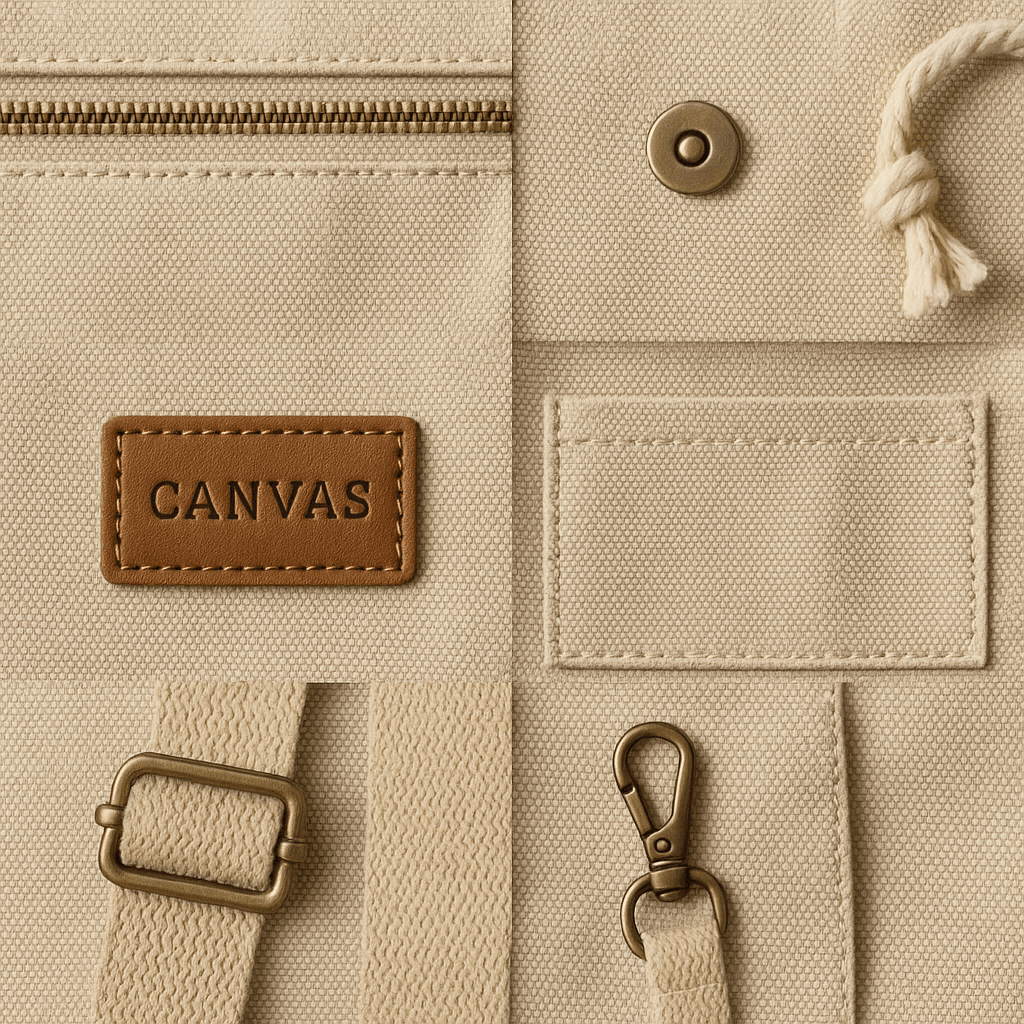
Heavy cotton canvas (270–400 GSM) holds its shape, resists tearing, and projects heft. Nonwoven polypropylene (80–120 GSM) is cheap but stretches, pills, and feels disposable. Nylon ripstop (160–200 GSM) is light and water-resistant but lacks the premium hand feel retail customers expect. For brand merchandisers, canvas is the only material that delivers the unboxing experience that justifies a higher retail price.
- GSM realities: Canvas at 340 GSM withstands 22 kg loads without handle tearout. Nonwoven at 100 GSM fails below 8 kg. Lightweight cotton (140 GSM) shrinks up to 5% after first wash — guaranteed returns when the bag no longer fits a standard shopping trip.
- The hidden cost of cheap: Brands that spec 80 GSM nonwoven save $0.30 per unit but lose 74% of customers who cite quality as their loyalty driver. One collapsed handle on a packed tote erases years of brand equity.
Lightweight cotton gives you wrinkles on the shelf and shrinkage in the customer’s laundry. Canvas holds its structure through daily abuse, keeps your print centered, and signals durability without a single word. Factory-direct production lets us reinforce handle stitching with double bartacks — a detail middlemen cut to save $0.04, and the exact point where 90% of field failures occur.
| Feature | Canvas (Heavyweight) | Nonwoven (Standard) | Best For |
|---|---|---|---|
| Material Base | 100% Cotton or Cotton-Polyester Blend | Polypropylene (Spunbond) | Premium brand positioning & heavy loads |
| GSM Range | 240–340 GSM (thick, structured) | 60–100 GSM (light, flexible) | Durability vs. cost trade-off |
| Tensile Strength | High – holds 30–50 lbs without tearing | Moderate – ideal for 10–20 lbs loads | Logistics & daily retail use |
| Print Clarity | Excellent – screen/digital prints stay sharp | Good – requires higher mesh screens for fine detail | Brand logos & complex artwork |
| Eco-Footprint | Natural fiber, biodegradable, reusable | Can contain recycled polypropylene, not fully biodegradable | Brands targeting sustainability KPIs |
| Typical Use Case | Retail gift bags, premium event giveaways, moving totes | Promo bags, grocery totes, trade show handouts | Aligning material with brand experience |
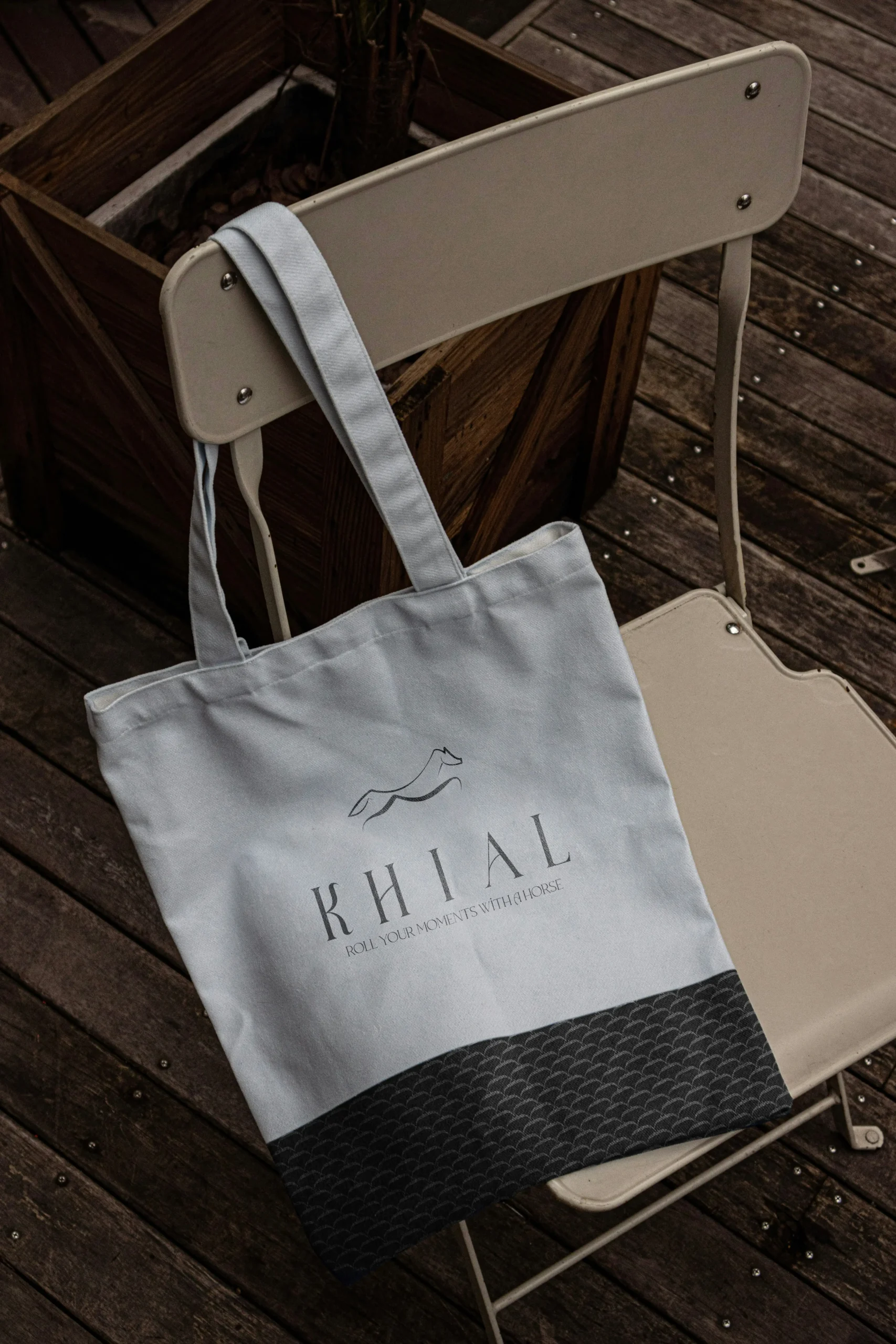
Typography and Color: Readability Rules
Poor typography ruins brand recall before customers even read the message.
Most retailers focus on the bag material and ignore that typography is the first thing a customer processes at five feet. If your font choice, size, or color contrast fails under real-world lighting, your brand message disappears.
- Font sizes: Body copy below 10pt is illegible on a moving tote bag. Minimum 12pt for secondary text, 18pt+ for primary branding. Smaller text gets lost in wrinkles or fabric texture.
- Contrast ratio: White text on pastel backgrounds fails in store flourescent light. Aim for a contrast ratio of at least 4.5:1 (WCAG AA). Black on white or dark navy on cream works reliably across all lighting.
- Color count: Stick to 2–3 colors total. More increases print misregistration risk and weakens the visual hierarchy. Each extra color adds setup cost and chance of defects.
- Real-world lighting: Design samples viewed on a bright monitor look different under dim retail shelves or direct sunlight. Always request a physical proof under the intended use lighting. A font that looks elegant on screen may become unreadable when printed on textured canvas.
Hard-to-read fonts are the fastest way to reduce brand recall. If a customer has to squint, they won’t remember your logo. They’ll remember frustration. That’s not the association you want with your retail packaging.
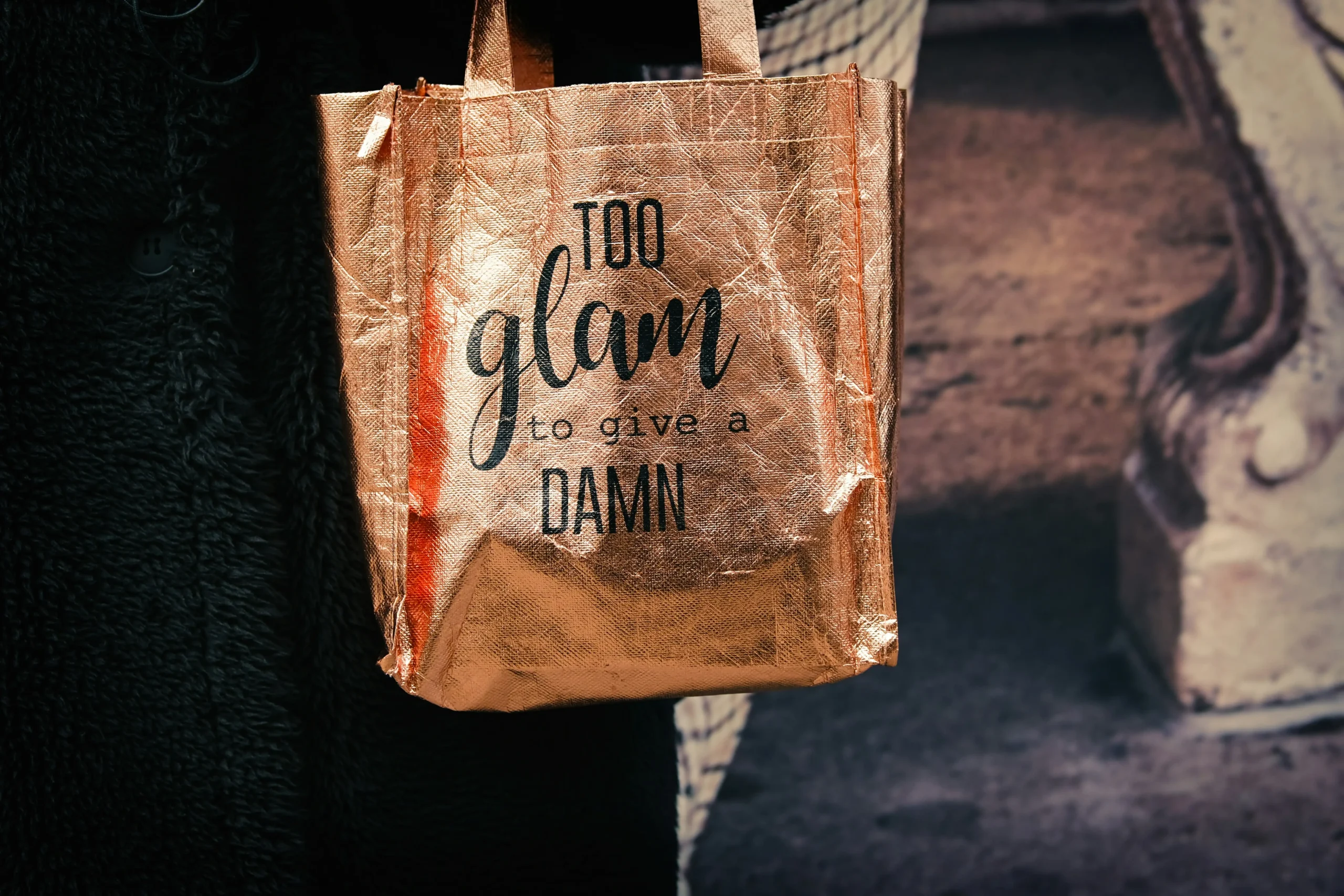
Sizing and Shape: The Functional Gap
Get the size wrong and your bag becomes a liability, not an asset.
The data is clear: 76% of consumers prefer medium-sized totes in the 14–15 inch width by 15–16 inch height range. That’s not a preference — it’s a functional requirement. Too small and nothing fits; too large and the bag sags, strains, and looks sloppy. For retail merchandisers, this is where the gap between design and real-world use shows up. A 14×16 bag handles a standard bottle of wine, a tablet, a light jacket, and a few grocery items without bulging at the seams. That’s the sweet spot for daily carry. Ignore it and you’re printing brand ads on a bag that people leave at home.
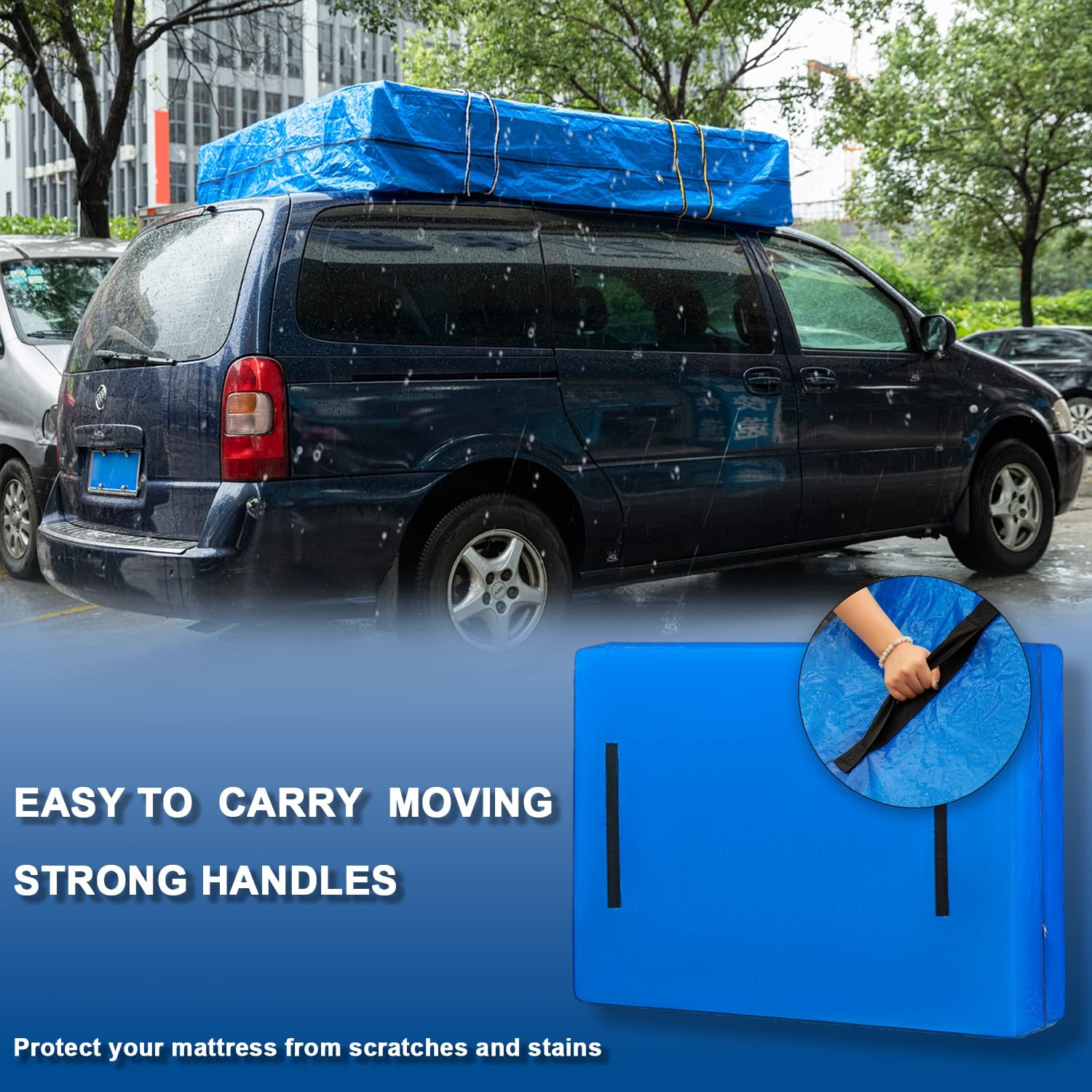
- The structural trap: Medium dimensions don’t guarantee usability if the base gusset is too narrow (under 4 inches). Without a proper gusset, the bag collapses flat, making it impossible to hold its shape when loaded. Gusset depth of at least 5 inches is standard for heavy-duty totes used in e-commerce shipping.
- Handle length failure: Short handles (under 14 inches total length) force the bag to sit awkwardly under the arm instead of over the shoulder. For a retail tote meant for shopping or commuting, 14–16 inch drop is the minimum. Anything shorter and the bag is either carried by hand — which kills the hands-free appeal — or hangs too high, straining the stitching.
Where most brands lose money is at the handle attachment point. Cheap bags use a single row of stitching here; under a 15–20 lb load, that seam tears open. Factory-direct production allows us to reinforce that junction with a double-stitch bar-tack and an internal patch. That’s a detail middlemen remove to shave pennies, but it’s the difference between a bag that lasts three trips and one that lasts three seasons. This is exactly why heavy duty totes for e-commerce shipping require reinforced stress points — the same engineering applies to retail totes when you spec them right.
If you’re specifying a tote for your retail brand, start with the 14×16 template. Then demand a 5-inch gusset and 15-inch handles. Anything outside that range better have a specific use case, like a mini bag for cosmetics or an oversized carryall for the beach. Otherwise you’re paying for a shape that fights your customer’s daily habits.
Print Techniques: Screen vs Digital Showdown
The wrong print method can turn a premium tote into a cheap giveaway.
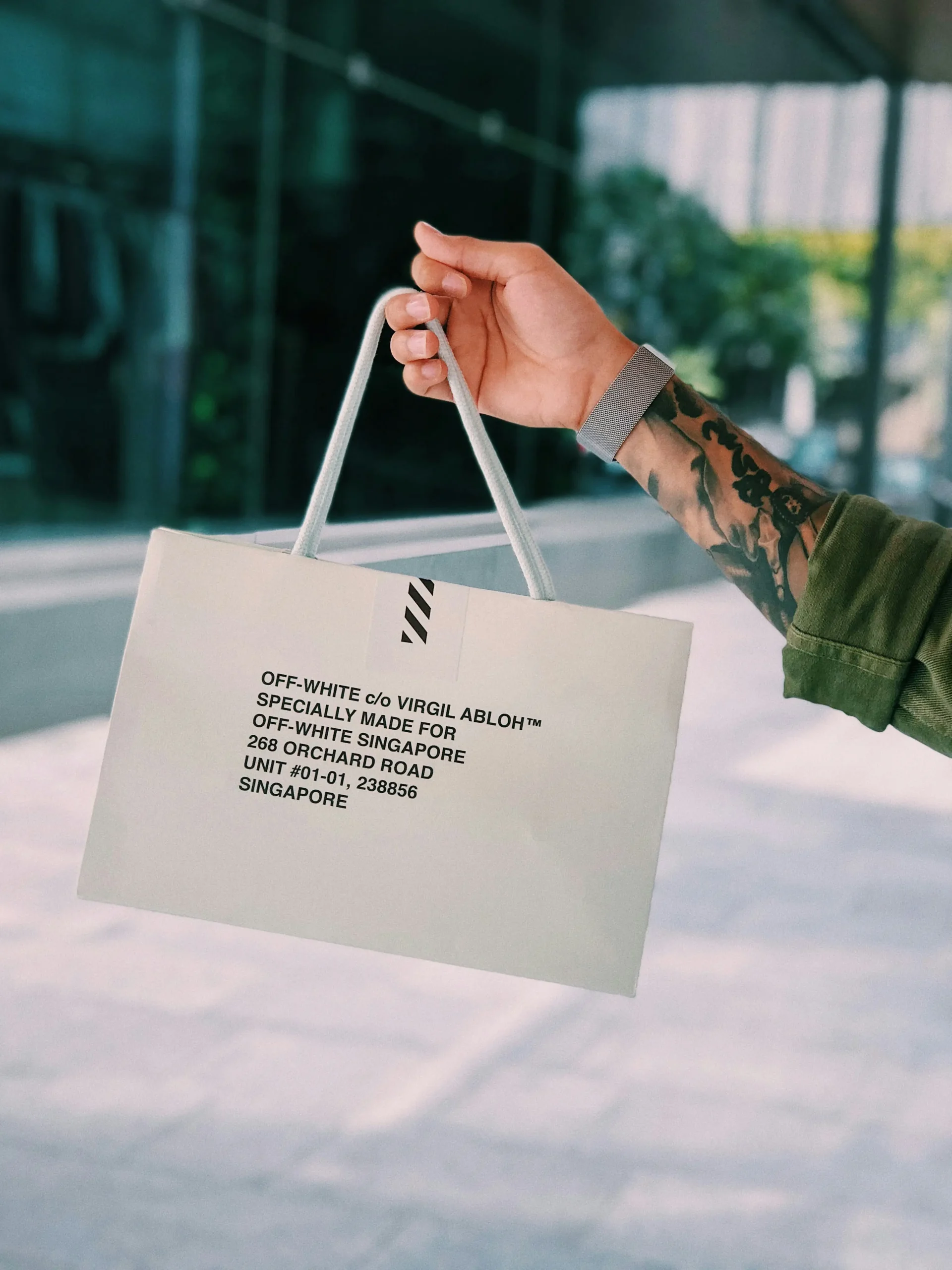
Screen printing and digital DTG are not interchangeable. Screen printing delivers bold, opaque colors and survives industrial washing, but it only makes sense for runs above 500 units with 2–3 spot colors. Digital printing handles photographic detail and low volumes (100–300 units) but the ink sits on the fabric surface – on textured canvas or recycled polyester, it cracks after 20–30 washes. Retail merchandisers who ignore this mismatch end up with blurry logos or bags that look faded after one season.
- Cost per 100 units (screen): Setup fee $150–$250 + $0.60–$0.90 per bag for 2 colors. Per-unit cost drops 40% at 1,000+ units.
- Cost per 100 units (digital): No setup fee, but $2.50–$4.00 per bag for full-color designs. Economical only under 300 units.
- Durability: Screen printing bonds with the fabric fibers – withstands 50+ commercial wash cycles. Digital DTG forms a thin surface layer; on 10 oz canvas, visible wear appears by wash 25.
- Design limits: Screen printing handles 2–3 solid colors best. Fine text (under 6pt) or gradients require 230+ mesh screens – cost jumps and detail still risks bleeding. Digital prints any gradient or photo, but resolution drops on fabrics above 12 oz GSM unless the file is 300 DPI vector.
- Insider warning:If a supplier quotes digital printing for a 500-unit run of heavy canvas bags, they are either padding margin or using cheap transfer paper. Insist on screen printing for durability. The factory matches mesh count to fabric weave – a step most middlemen skip, causing ink to spread or flake.
For detailed guidance on preparing vector files and selecting the right print method for your retail-ready packaging, see our companion guide: How to Design Retail-Ready Tote Bag Packaging . The takeaway: screen printing for brand consistency on bulk orders, digital for limited-edition art where shelf appeal outweighs longevity.
Eco-Friendly Options and Sustainability Trends
Eco-friendly doesn’t mean flimsy.
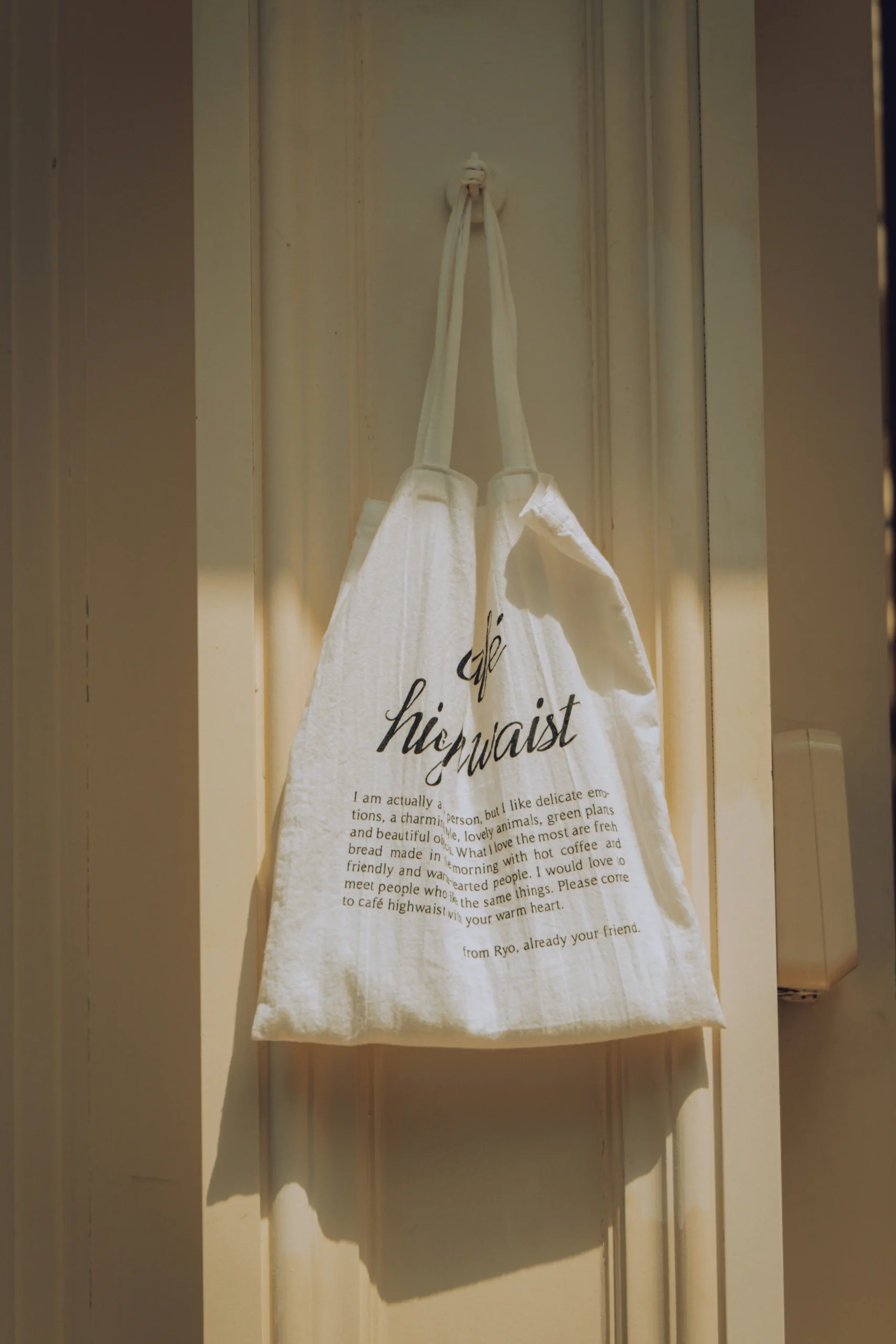
The biggest mistake brands make with ‘eco-friendly’ totes is treating them as a cheap alternative. They choose lightweight nonwoven or thin organic cotton to hit a green checkbox, then wonder why the bag splits after three uses. A bag that ends up in a landfill after a month has a worse environmental footprint than a 400 GSM recycled polyester tote that lasts for years. The Trader Joe’s phenomenon proves this: those bags are collectible precisely because they’re durable and visually distinct. Consumers in 2026 don’t want a guilt-driven flimsy sack; they want a statement piece that aligns with their values and survives their commute.
Sustainability is a brand differentiator only when it’s authentic. That means using certified materials—like GRS-certified recycled polyester or organic cotton with Oeko-Tex approval—and backing it up with production specs that match your standard line. We use 600 GSM recycled polyester in our heavy-duty totes because it hits the same tensile strength as virgin fabric while cutting water usage by 70%. Screen printing with water-based inks or digital printing with low-VOC inks maintains print clarity without the environmental penalty. If you’re not willing to pay 10-15% more for real certified eco-materials, don’t slap a leaf logo on it—buyers see right through greenwashing.
- Material trap: 100% recycled cotton often has lower tensile strength (< 200 N) unless blended with recycled polyester. Request a tear-strength test before approving eco fabrics.
- Print pitfall: Standard plastisol inks on recycled polyester can crack after 10 washes. Insist on water-based or silicone-based inks for eco-friendly that actually lasts.
- Cost reality: GRS certification adds $0.15–$0.30 per bag but opens premium retail channels (Nordstrom, REI). Without it, your eco claim is unverifiable.
Conclusion
Avoiding these seven mistakes protects your brand investment. A strong material, clear print, and correct sizing turn a tote bag into a walking billboard that builds loyalty for years.
Review your current specs against this checklist. If you spot weaknesses, a factory-direct partner can reinforce the stitching and optimize the print for your fabric texture.
Frequently Asked Questions
What size should a design be on a tote bag?
A design should be 10–12 inches wide on a standard 14×16 tote bag for best visibility and readability. Placing logos too close to edges risks cropping during sewing or distortion on the. Always include a 0.5-inch safe margin from all seam edges.
Why is the Trader Joe’s tote bag trend so popular?
The trend thrives because Trader Joe’s combines industrial-grade durability with unique, collectible artwork that customers reuse for years. This turns the bag into a walking billboard. For retailers, matching that durability and art quality is the benchmark for your own custom program.
What are the latest trends in designer tote bags?
Eco-friendly materials like organic cotton and recycled polyester dominate, paired with minimalist designs and bold, high-contrast logos. Brands are shifting away from fast-fashion prints toward timeless aesthetics that signal quality. Verify your supplier carries GRS or OEKO-TEX certifications to meet buyer expectations.
Are tote bags still in style in 2026?
Yes, tote bags remain in style, but only if they deliver on sustainability and premium construction—consumers now reject flimsy, low-GSM bags. The focus has shifted to heavy-duty. Specify at least 200 GSM canvas or recycled material to align with current market demand.


0 Comments