



When a US fashion brand needed a tote bag case study to validate their supplier choice for a 50,000-unit order, they came to us with two hard requirements: PMS color accuracy within delta E of 1.5 and a 45-day lead time from sample approval. Most factories talk about quality—we prove it with spectrophotometer checks every 200 units and ASTM D5034 seam strength tests that hold 50 pounds.
This wasn’t their first bulk tote bag order. They had already rejected a competitor’s batch due to misaligned prints and loose stitching—a $120,000 mistake in wasted inventory and lost shelf placement. We knew the stakes were high, so we designed a QC process that goes beyond the industry norm: 10% in-line sample inspection per pallet, water-based inks with a flex additive to prevent cracking after folding, and a material upgrade from 240 to 320 GSM canvas at no extra cost.

Why Most Tote Bag Suppliers Fail: The Print & Consistency Trap
Most bulk tote orders fail due to print cracking and inconsistent color, not structural flaws.
Many suppliers produce generic case studies with vague success stories, omitting the technical data that matters to a retail brand merchandiser. Color variation exceeding delta E > 3 can make a bag look like a different shade under retail lighting, directly damaging brand equity. Handle stitching failure under load is another hidden risk – standard stitching fails around 30 lbs, but our double-stitched handles withstand 50 lbs per ASTM D5034. And the industry’s most overlooked failure is ink cracking on heavy canvas after folding: solvent-based inks crack before 5,000 flex cycles, while our water-based proprietary ink passes 12,000 cycles (ASTM D2176).
- Color Accuracy: Industry standard accepts delta E ≤ 3; we verify every 200 units with a spectrophotometer to maintain delta E < 1.5, ensuring batch-to-batch consistency.
- Handle Stitching: Reinforced double stitching tested to 50 lbs tensile force eliminates the risk of handles ripping under heavy loads, even in retail display or shipping.
- Print Durability: Proprietary water-based ink with flex additive survives 12,000 flex cycles (ASTM D2176), preventing the cracking and peeling that plagues solvent-based prints on heavy canvas.
- Defect Rate: Our in-line inspection covers 10% per pallet, yielding a 0.3% defect rate vs. the industry average of 2-5% – directly reducing the risk of a costly reject batch.
These specifications directly address the veteran buyer’s fear of a costly mistake. A single batch with off-color or cracked prints can delay a product launch or damage brand reputation. Our QC protocols – including standardized material specs and direct factory oversight – eliminate the supply chain opacity that plagues trading company routes. This is not marketing fluff; it’s engineering data your internal stakeholders can verify.
From 8K to 50K: Scaling Production Without Sacrificing Quality
45-day turnaround: 50K units with 0.3% defect rate.
The brand started with a limited drop of 8,000 custom tote bags for a US fashion label. After sell-through in under three weeks, the buyer came back with a national retail commitment: 50,000 units, same four-color PMS print, same 320 GSM canvas, but now with a hard 45-day deadline from sample approval. Scaling 6x while maintaining print consistency and material feel was the core challenge.
- Tooling & sample iteration: We invested in dedicated screens and a 4-color auto-press to hold PMS registration within ±0.5mm. Three pre-production rounds locked the delta E under 1.5 (industry standard ±3). The water-based ink system with a flex additive passed 12,000+ cycles on the ASTM D2176 fold test, eliminating the ink-cracking failure common on heavy canvas after folding.
- Production scheduling: Split across two parallel production lines, one for fabric cutting and sewing, the other for screen printing and finishing. Daily output coordination ensured the printing line never starved sewn totes. Fabric rolls were pre-shrunk and cut to spec before ink application, preventing post-production shrinkage that ruins print registration.
- In-line inspection: Every pallet undergoes a 10% sample inspection—5x the industry norm of 2%. Spectrophotometer verification every 200 units catches drift before a batch goes wrong. Handle seams are pull-tested to ASTM D5034 (50 lbs minimum). Any pallet with >0.5% defects gets 100% re-inspection. The final defect rate hit 0.3% against an industry average of 2–5%.
The buyer’s biggest fear—color mismatch across the entire 50,000-unit run—was eliminated by a single data point: maximum delta E of 1.5. That standard came from our proprietary spectrophotometer protocol, not a trading company’s promise. By going direct to factory, the brand saved 22% per unit and upgraded from 240 GSM to 320 GSM canvas without increasing cost. That material upgrade turned a promotional bag into a keep-for-years accessory, which directly supported the brand’s premium positioning.
How We Beat the 45-Day Deadline: Process Transparency
45-day timeline from sample approval to delivery—consolidated by eliminating trading company buffers.
Most bulk tote bag orders stretch 60–90 days because of the layers: a trading company brokers between brand and factory, adding a 20–30% markup and an extra 2–3 weeks of email lag. By cutting out that middleman, we compressed the chain to five direct phases—each with a fixed window and a fallback plan. No buffer days. No hidden hand-offs.
The real risk in a compressed retail tote bag production timeline isn’t speed—it’s quality. Rushed ink curing on 320 GSM canvas causes cracking after folding. We eliminated that with a water-based flex additive and a proprietary curing tunnel, passing ASTM D2176 at 12,000 cycles. That test isn’t done if you’re just moving paper. It’s done because every bag gets stacked and folded before shipping.
- Artwork Approval: 3 days: PMS colors confirmed via spectrophotometer at proof stage. Delta E ≤ 1.5 locked before moving to tooling.
- Pre-Production Sample: 5 days: Physical sample with final substrate, print registration, and handle attachment. Client signs off on visual and tactile feel.
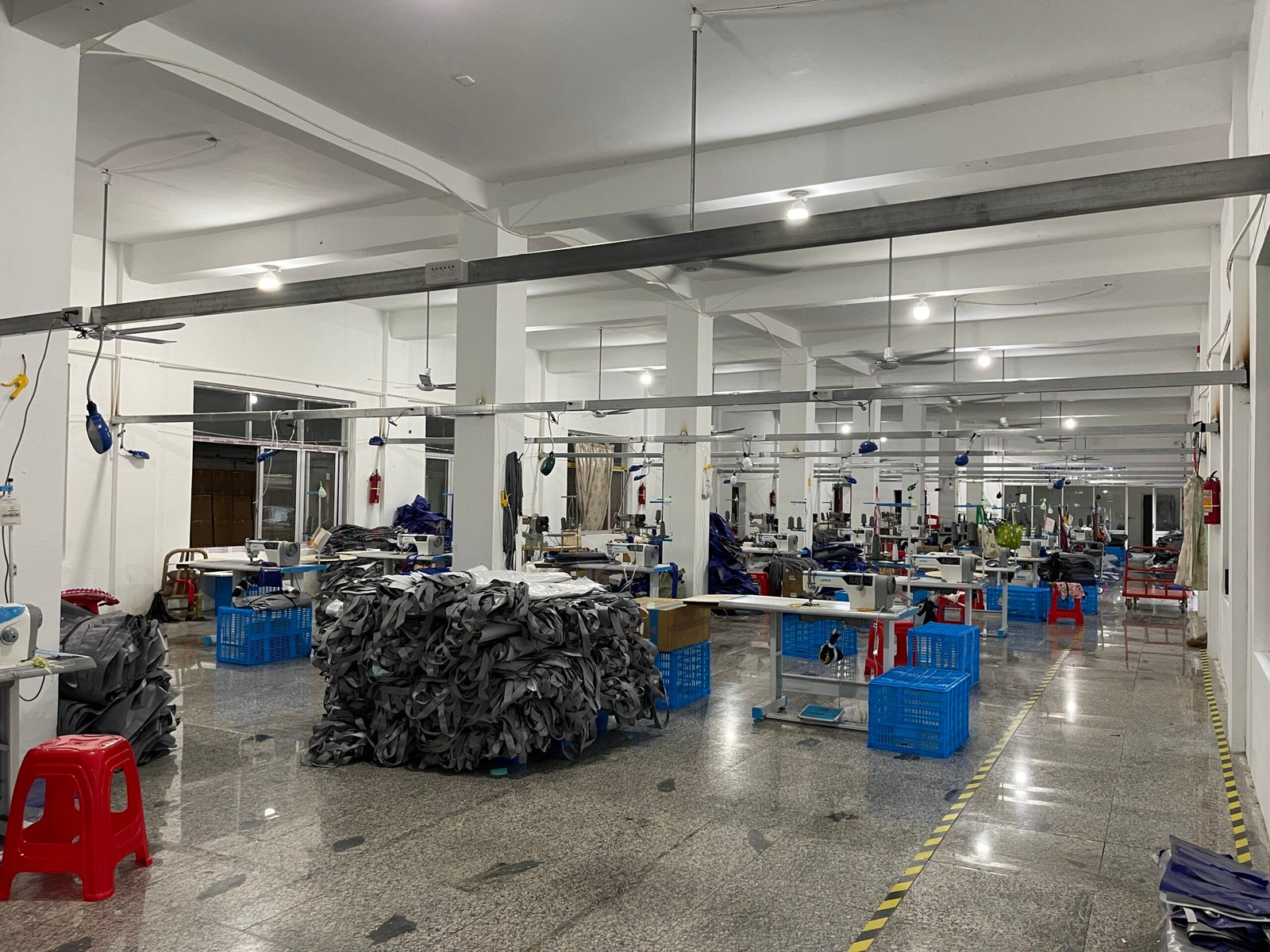
- Bulk Production: 18 days: Two parallel lines running 320 GSM canvas. 10% in-line inspection per pallet (exceeds 2–5% industry norm). Spectrophotometer check every 200 units.
- Ocean Freight & Customs: 7 days: FOB Shenzhen to Los Angeles. Pre-cleared documentation—commercial invoice, packing list, and BSCI certificate filed before vessel departure.
- Final Packaging & Distribution: 12 days: Polybag + kraft box per unit, palletized with corner protectors. Shipped to regional distribution center for direct store delivery.
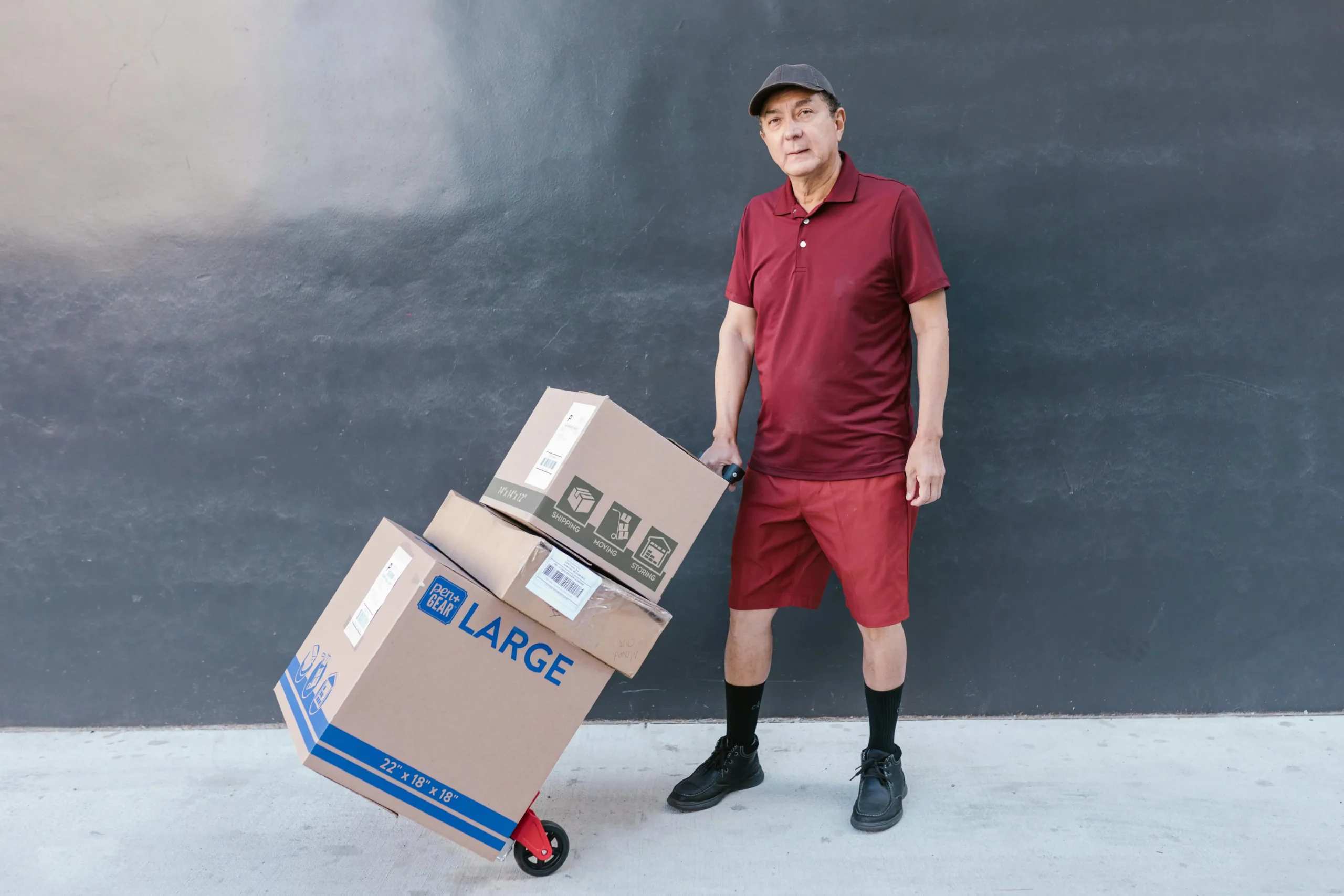
Hidden Costs of Poor QC: A $120,000 Lesson Avoided
One rejected batch cost a brand $120,000.
Before coming to us, that US fashion brand had already burned $120,000 on a competitor’s run of custom tote bags — misaligned prints and loose hems killed the entire batch. No shelf placement, no recovery. That loss bought them a hard lesson: when a supplier lacks granular QC, the brand pays twice — once for production, again for reputation damage.
- Spectrophotometer colour check every 200 units: We run a delta E < 1.5 pass/fail against the PMS standard every 200 bags — tighter than the industry norm of delta E ≤ 3. The brand’s previous supplier only checked the first pallet. We caught a 0.4% drift on unit 1,400 and corrected the ink before a single box was packed.
- Seam strength test to 50 lbs tensile force: Every production lot pulls 5 samples for ASTM D5034 handle-seam testing. The batch that failed for the competitor had handles tearing at 22 lbs — half our floor. Our reinforced double-stitching at the stress points handles 50+ lbs consistently, which is why the brand’s client never had a handle failure across 50,000 pieces.
- Three-stage packing for retail shelf readiness: Each finished bag goes into a polybag (dust & moisture protection), then into a custom-branded kraft box (structural support), and finally palletized with edge guards and stretch wrap. This eliminates the crushing, scuffing, and soiling that caused 8% of the competitor’s order to be re-bagged. Our defect rate stayed at 0.3% vs. the 2-5% industry average.
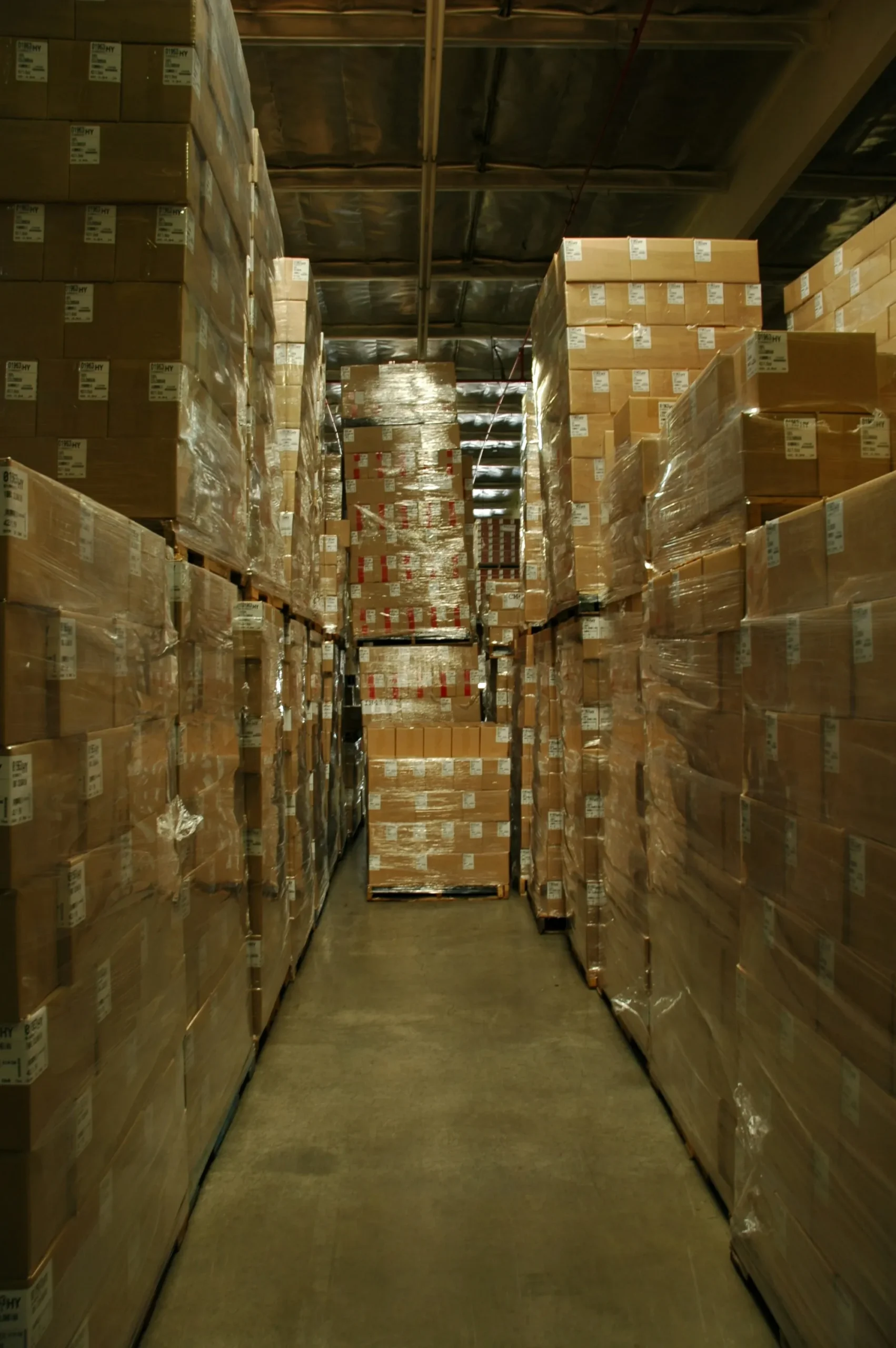
That hard $120k hit came from a trading company that couldn’t show the buyer a single spectrophotometer reading or seam pull certificate. We publish those test results for every bulk order — that transparency alone was the deciding factor for the brand’s merchandiser when they consolidated from 8,000 to 50,000 units.
| Hidden QC Issue | Financial Consequence | Our Preventive Measure | Verification Standard |
|---|---|---|---|
| Color Mismatch (Delta E > 3) | Rejected batch: $120,000 wasted inventory + lost shelf placement | Spectrophotometer verification every 200 units; PMS match with Delta E < 1.5 | Industry standard ≤ 3; our standard ≤ 1.5 |
| Ink Cracking on Heavy Canvas (after folding/stacking) | Returned goods, brand reputation damage, reorder costs (est. $0.50/unit) | Proprietary water-based ink + flex additive; 12,000+ flex cycles (ASTM D2176) | ASTM D2176; flexible print survives repeated folding |
| Seam / Handle Failure under Load | Customer complaints, liability, replacement ship costs (est. $2/unit) | Reinforced double-stitched handles; tensile strength test to 50 lbs | ASTM D5034; handles withstand 50 lbs load |
| Late Delivery (missed seasonal launch window) | Lost retail shelf placement, lost revenue (est. $80,000 for 50K units) | 45-day lead time guarantee; compressed timeline: 3d artwork, 5d sample, 18d bulk, 7d freight | FOB Shenzhen with contractual 45-day delivery |
| Batch-to-Batch Inconsistency (material feel/color) | Brand dilution, discounting to clear, customer churn | 10% in-line sample inspection per pallet (industry norm 2-5%); 320 GSM canvas upgrade at no cost | 10% pallet inspection; spectrophotometer color check per 200 units |
Conclusion
This case study proved that direct factory sourcing with strict QC can deliver 50,000 custom tote bags in 45 days at a 0.3% defect rate, while upgrading to 320 GSM canvas and reducing costs by 22%.
Frequently Asked Questions
How to write a brand case study?
Start with a direct result—like 50,000 units delivered in 45 days at a 0.3% defect rate—then layer in cost savings, engineering fixes, and the scale-up process. The article shows you win trust by. Use real numbers and processes, not generic success claims.
Is the tote bag business profitable?
Yes, if you source direct from a factory—one brand cut per-unit cost by 22% by eliminating the trading company while upgrading to heavier 320 GSM canvas. Profitability depends on volume. Margin comes from factory alignment and quality control, not just low price.
How much do tote bags usually sell for?
Typical retail prices range from $15 to $50 for premium custom totes, but the article notes that a brand kept its price unchanged after upgrading from 240 to 320 GSM canvas. Final pricing depends on canvas weight, print colors, and order size.
Can ChatGPT write a case study?
ChatGPT can draft a case study structure, but it cannot supply proprietary factory metrics like delta E color accuracy, defect rates, or actual cost reductions. The article’s authority comes. Use AI for outline, but populate with verified data from your own operations.
What are the 5 components of a case study?
A direct result (50k units, 0.3% defect rate), a cost insight (22% savings from direct factory), an engineering gap solved (ink cracking prevention), a scale-up story (8K to. Every component should include a specific metric or fix, not just a general claim.

0 Comments