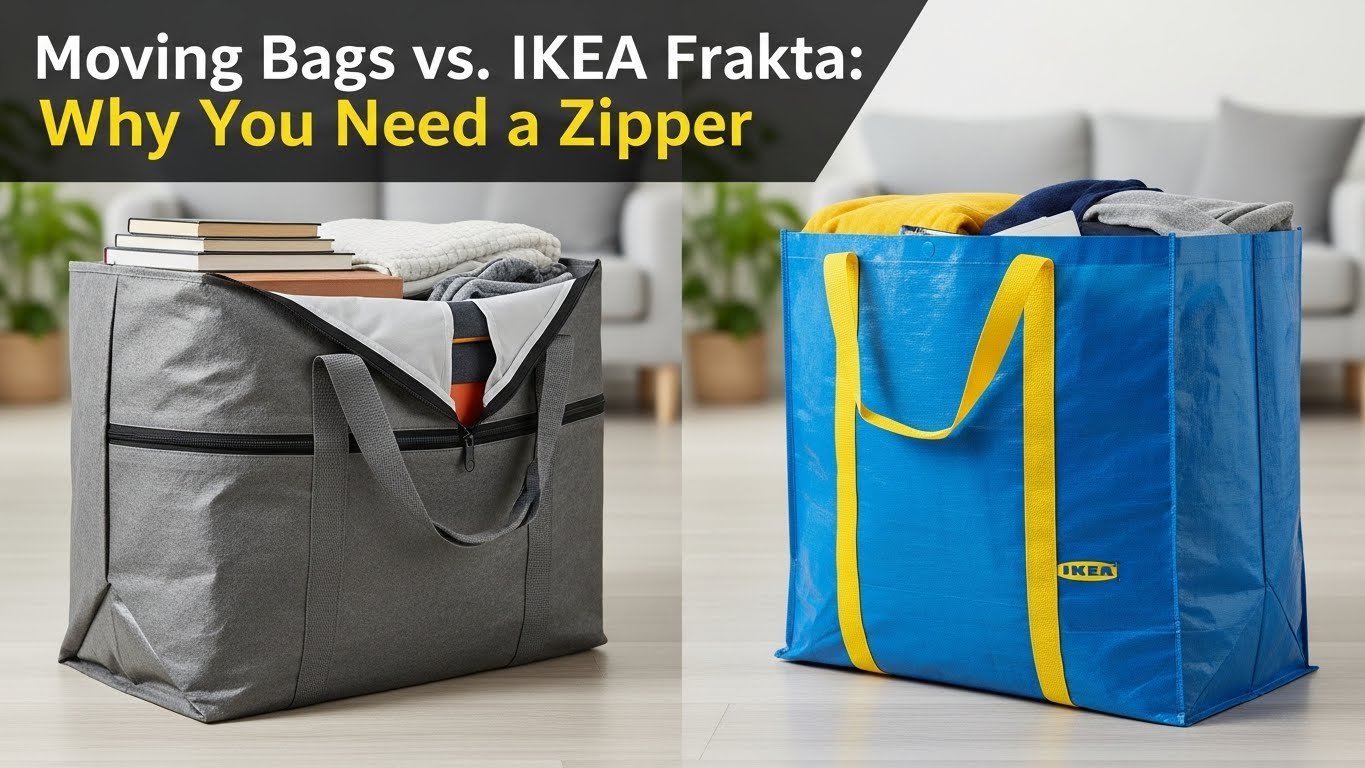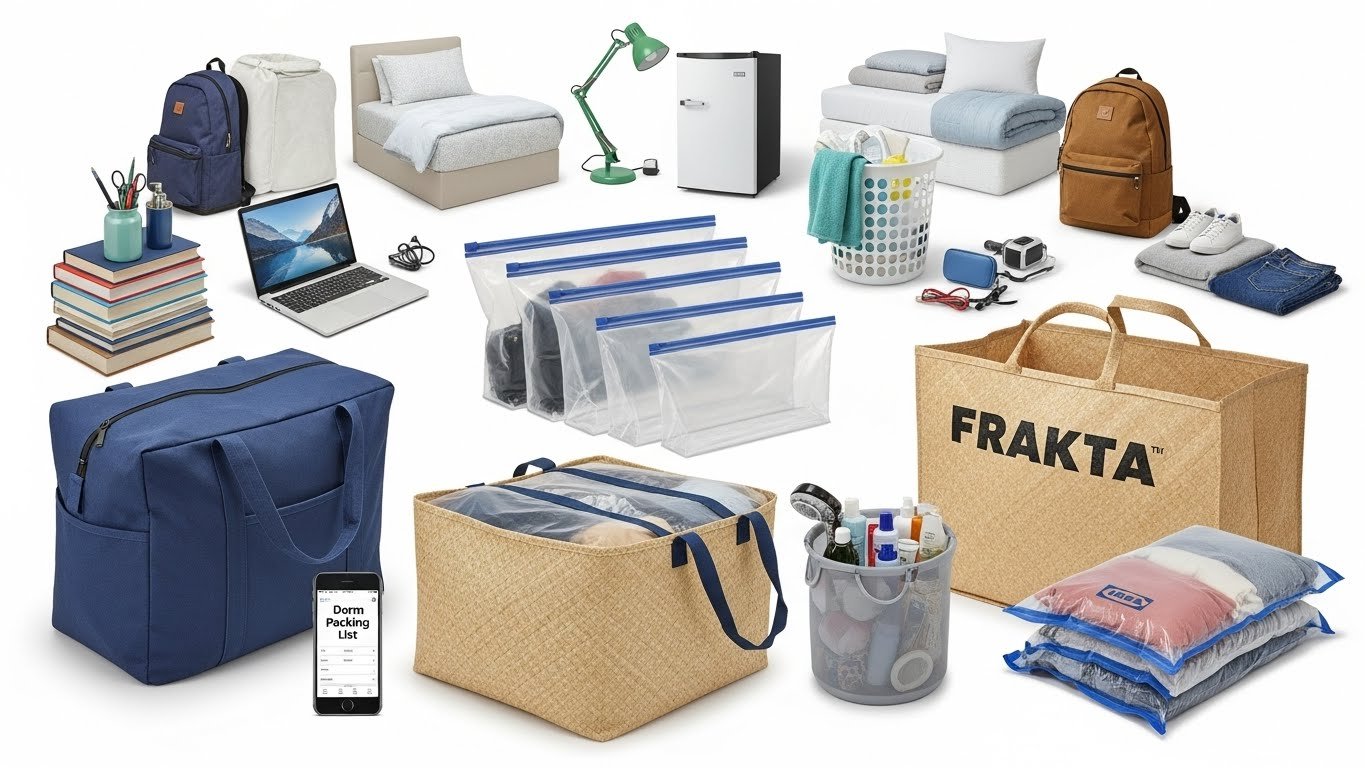

The Retail Backroom Dilemma: Bins or Bags?
Organizing a retail backroom is a constant battle for space and efficiency. The choice between rigid plastic bins and flexible storage bags directly impacts inventory management, restocking speed, and product damage. This comparison breaks down which solution offers the best value for your operational needs.
We analyze cost per cubic foot, space savings from collapsible bags, and why clear visibility is non-negotiable. This guide helps retail managers choose the right storage to protect inventory, cut costs, and streamline stockroom operations.

Cost Per Cubic Foot: Why Bins Drain Your Budget
💡 Cost per cubic foot is a crucial metric that reveals the true expense of storage solutions. Rigid containers, especially new ones, often have a high cost per unit of space. A new 20ft container can cost $3.00 per cubic foot, while a used one drops to just $0.43, exposing major budget inefficiencies.
Standard Container Costs: New vs. Used
When you analyze storage through the lens of cost per cubic foot, the financial gap between new and used containers becomes clear. New containers represent a significant capital expense for the space they provide. Used containers, on the other hand, offer the same volume for a fraction of the price.
This direct comparison shows how choosing used units can dramatically lower your initial investment.
| Container Size | New Cost / Cubic Foot | Used Cost / Cubic Foot | ✅ Potential Savings |
|---|---|---|---|
| 20ft Container | ~$3.00 | ~$0.43 | Up to 85% |
| 40ft Container | $0.63 – $1.68 | $0.42 – $1.47 | 40-60% |
Opting for used containers consistently delivers 40-60% savings, making them a far more efficient choice for managing storage budgets.
The Hidden Premiums in Specialized Bins and Rentals
Beyond standard bins, costs can escalate quickly. Specialized containers designed with features like open sides or double doors carry a premium, often costing between $2,500 and $6,000. While these features add utility, they also inflate the cost per cubic foot significantly.
⚠️ Monthly rentals present another potential budget trap. A monthly fee of $139–$239 for a smaller unit might seem manageable, but these costs accumulate over time. For any long-term or permanent storage need, the total rental expense will eventually surpass the cost of ownership, making it an uneconomical strategy.
How Condition and Location Drive Up Final Costs
Two primary variables influence the final price you pay for a rigid container: its physical state and its delivery logistics. Understanding these factors is key to controlling your total storage expenditure.
- Physical Condition: The most direct way to manage cost is by choosing the right condition. A brand-new, pristine container will always be the most expensive option. Opting for a used unit with minor cosmetic wear provides the same structural integrity and storage volume at a much lower price point.
- Geography & Logistics: Where you are located and the complexity of delivery heavily impact the final bill. Transporting a large, empty steel box is an expensive logistical challenge. Fuel costs, distance from the depot, and site accessibility all add to the total cost of both purchasing and renting.
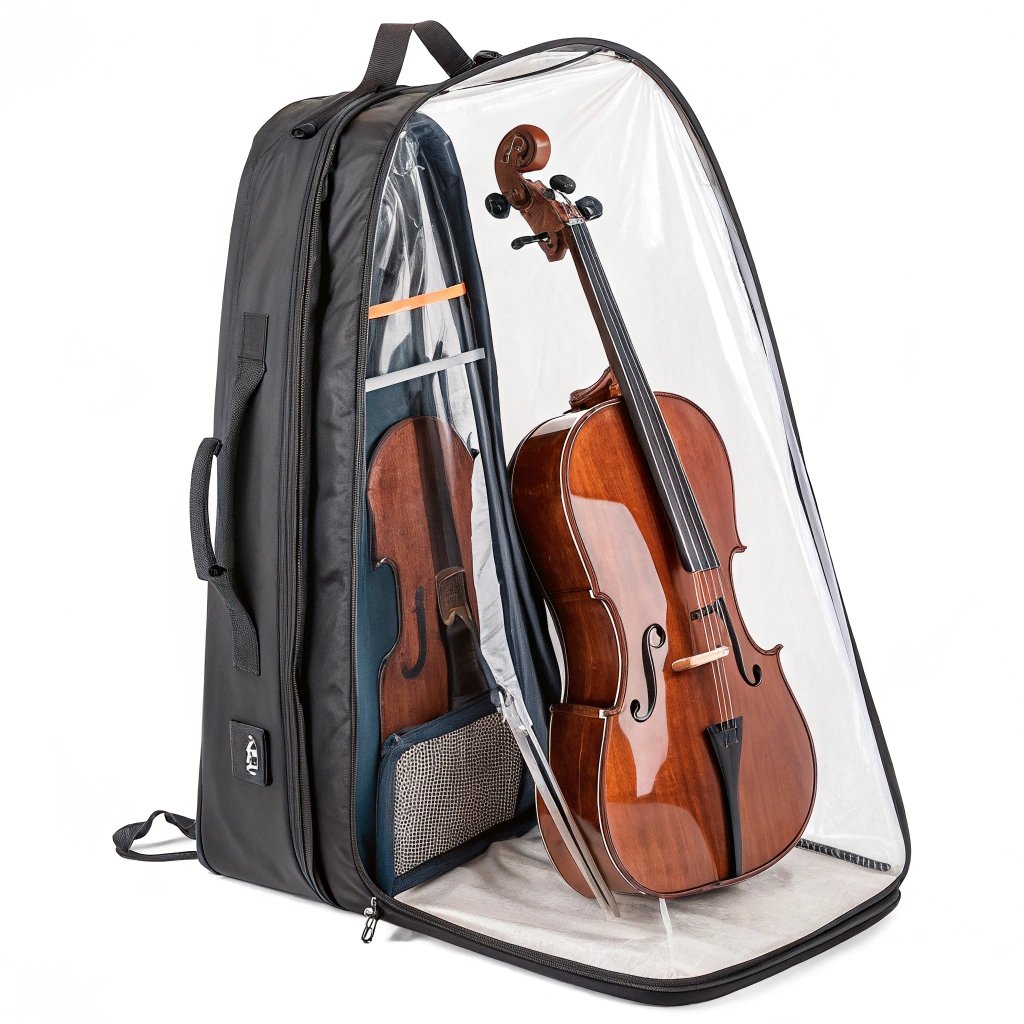
Space Saving: How Empty Bags Fold Flat (Bins Don’t)
The short answer: Flat-packed bags ship and store collapsed, while rigid bins consume their full volume whether empty or full. This simple difference creates massive logistical efficiencies, allowing up to 24 times more bags than bins to fit on a single truck and drastically reducing your warehouse footprint.
The Logistics Advantage: Shipping Efficiency by the Numbers
When it comes to restocking inventory, the physical volume of your packaging dictates freight costs and complexity. Rigid plastic or cardboard bins take up the same amount of space whether they are full or empty, creating major inefficiencies.
The data highlights a clear advantage for collapsible bags:
- 🚀 Massive Density Increase: A single truck can transport approximately 72,000 flat-packed bag liners. The same truck can only fit around 3,000 pre-assembled rigid containers.
- ✅ 24:1 Space Advantage: This ratio dramatically reduces the number of inbound trucks needed for replenishment, which cuts freight costs and lowers your carbon footprint.
- 💡 Overall Efficiency: Bag-in-box style packaging is generally three times more space-efficient than semi-rigid alternatives, making it a smarter choice for high-volume operations.
Warehouse and On-Site Footprint Reduction
The space savings continue long after the delivery truck leaves. In a busy retail backroom or warehouse, floor space is a premium asset. Unlike bulky bins that create permanent obstacles, empty bags collapse down to almost nothing.
This design directly translates to a more organized and efficient facility:
- ✅ Minimal Storage Footprint: Empty bags and their outer boxes fold completely flat, allowing them to be stored neatly on shelves or near filling stations without consuming valuable floor space.
- ✅ Optimized Vertical Space: Pallets of collapsed bags can be stacked far more densely in warehouse racking, maximizing your storage capacity and freeing up aisles for equipment and personnel.
- ✅ Improved Safety & Mobility: By eliminating the clutter of empty, rigid containers, you create a safer work environment with clearer pathways and fewer tripping hazards for your team.
Financial and Operational Impact for Retail Managers
For a retail manager, optimizing space isn’t just about tidiness—it’s about driving financial performance and operational agility. Choosing flat-packed bags over rigid bins creates tangible benefits that impact the bottom line.
A collapsible storage solution allows you to:
- ✅ Avoid Extra Costs: Maximizing your existing warehouse space helps you avoid the high expense of renting off-site storage units, especially during peak seasons.
- ✅ Increase Inventory Flexibility: Efficient storage gives you the ability to hold more stock on-site, enabling you to better manage seasonal demand shifts without needing to expand your facility.
- ✅ Reallocate Valuable Space: The floor area freed up from storing empty bins can be repurposed for more productive activities, like order fulfillment stations, processing returns, or stocking a wider range of products.
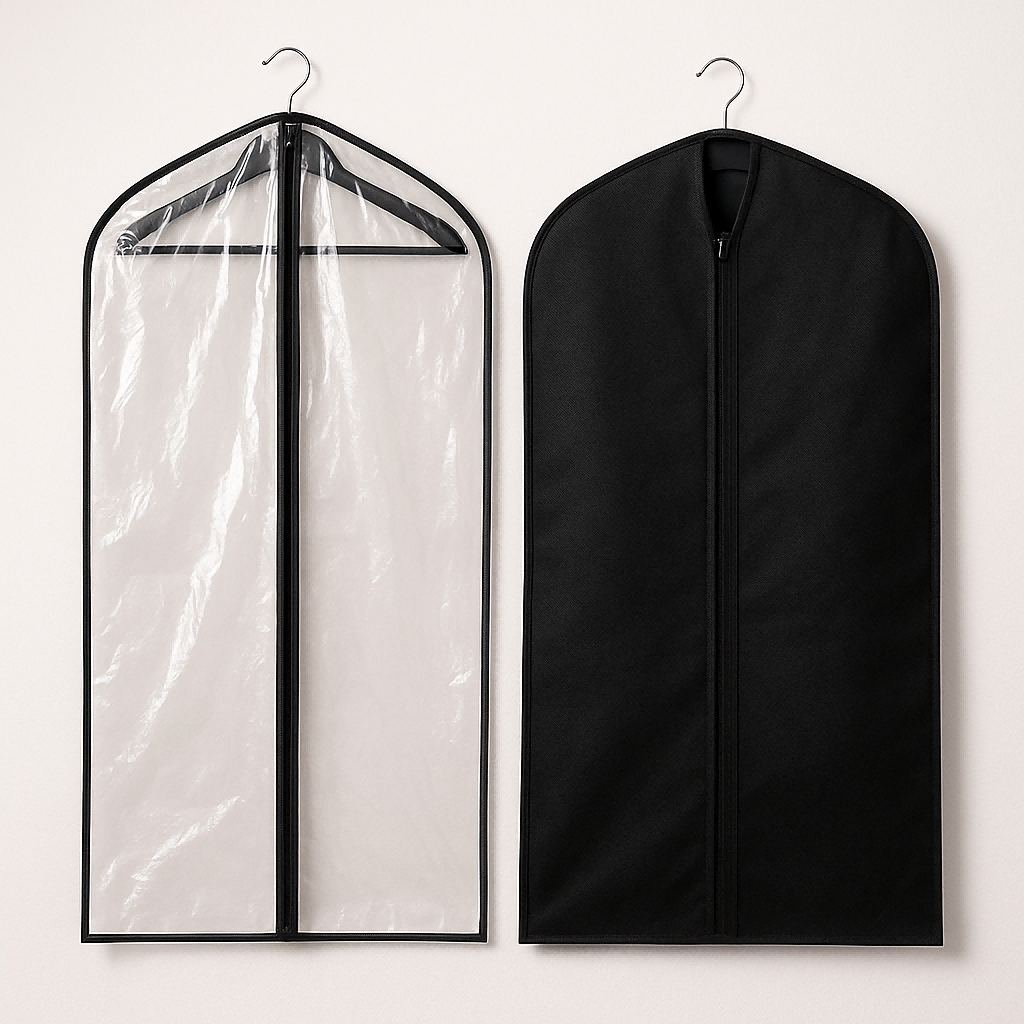
Protection: Do Zippers Seal Better Than Lids?
Quick Answer: Yes, zippered storage boxes provide a superior seal compared to most standard lid boxes. Their double-track zipper systems create an airtight closure that effectively blocks dust, moisture, and pests. Traditional lid boxes rely on friction-fit seals that may allow slow air exchange, making them less protective in humid environments.
Sealing Mechanism: Airtight Zippers vs. Friction-Fit Lids
The primary difference between these two storage types lies in how they create a seal. Fabric storage bags use zipper systems—often with double tracks—that interlock to form a genuinely airtight barrier. When fully closed, this mechanism physically prevents air and contaminants from passing through.
In contrast, most plastic lid boxes rely on a simple friction-fit design. The lid presses onto the container’s rim, but this rarely creates a perfect seal. Over time, small gaps can allow for slow air and moisture exchange, especially if the box warps or the lid doesn’t fit perfectly.
| Sealing Property | ✅ Zippered Boxes | ⚠️ Standard Lid Boxes |
|---|---|---|
| Seal Type | Mechanical Interlock (Airtight) | Friction-Fit (Permeable) |
| Air Tightness | High | Low to Moderate |
Protection Against Pests and Moisture
For retail managers storing inventory like textiles or seasonal goods, environmental protection is critical. A superior seal directly translates to better defense against common threats that can damage products.
- ✅ Pest Resistance: The airtight closure of a quality zippered bag offers excellent protection against moths, silverfish, and other small pests seeking entry. Lid boxes provide only fair protection, as small gaps can be exploited.
- ✅ Moisture Protection: In humid climates, zippered bags are far more effective at blocking moisture vapor. We’ve seen natural fiber goods develop mildew in standard lid boxes in as little as six months. Zippered bags, especially when paired with desiccants, keep contents dry.
- ❌ Lid Box Weakness: Standard plastic lids are poor performers in damp basements or non-climate-controlled storage units, putting organic materials like cotton or wool at risk.
Durability and Lifespan Trade-offs
The choice between zippers and lids also involves considering long-term durability and structural integrity. Rigid plastic lid boxes often have a longer lifespan, capable of lasting for decades without material degradation. Their strong, rigid walls also provide excellent compression resistance, making them ideal for stacking heavy loads.
Fabric zipper boxes typically have a lifespan of 5–7 years, with the zipper itself being the most common failure point. As manufacturers, we mitigate this by using heavy-duty zippers and reinforced stitching. But the fabric structure can bulge or warp under uneven loads, which may compromise the seal over time. The right choice depends on your priorities:
- 💡 Choose Zippered Boxes For: High-value inventory (e.g., apparel, textiles) stored in areas with potential humidity or pest concerns. The superior seal is worth the trade-off in lifespan.
- 💡 Choose Lid Boxes For: General-purpose storage in climate-controlled environments where maximum stacking strength and low cost are the primary goals.
Reliable Wholesale Moving Bags, Built for Your Brand
Equip your moving, storage, or logistics company with bags engineered to last. We manufacture fully customizable, water-resistant moving bags from tear-proof woven polypropylene, reinforced to carry 20-25 kg loads. Add your logo, choose your colors, and get a free digital mockup in 12 hours. Partner with a certified supplier for consistent quality and fast turnarounds on bulk orders.

Frequently Asked Questions
Are storage bags better than bins?
Neither option is universally better; the right choice depends entirely on what you need to store. Storage bins provide rigid protection and stack neatly, making them perfect for fragile items or creating an organized shelving system.
Storage bags, particularly vacuum-sealed versions, excel at saving space. They are ideal for compressing bulky, non-fragile goods like seasonal bedding and clothing. For retail inventory, we find a hybrid approach works best: use bins for protected goods that need frequent access and bags for compacting overstock or seasonal items.
What is the cheapest way to store seasonal clothes?
For budget-friendly storage, here are a few effective options:
- ✅ Foldable Fabric Bags: Often the most affordable new option, with prices starting around $4.19.
- ✅ Plastic Bins: A durable and low-cost choice, with basic models available for as little as $6.98.
- 💡 Vacuum-Sealed Bags: While the initial cost might be slightly higher, they save money by drastically reducing the volume of clothing, which means you need less storage space overall.
- 🚀 Repurposed Luggage: For a completely no-cost solution, use empty suitcases you already own to pack away out-of-season apparel.
Do plastic bins protect from moths?
Yes, plastic bins with tight, sealable lids create an effective physical barrier that keeps moths and other pests out. Using clear plastic also allows you to see the contents without opening the lid, which further protects your items from exposure.
⚠️ A word of caution: Plastic can trap moisture. Before storing items long-term, ensure they are completely dry. You can also place clothing in breathable fabric bags inside the bin to help manage humidity.
Where can you buy large clear storage totes?
Large clear storage totes are available from a wide range of suppliers:
- Major Retailers: Stores like Lowe’s, Walmart, and Home Depot carry a variety of standard sizes.
- Specialty Stores: Places like The Container Store offer a broader selection of custom-designed and specialty boxes.
- Heavy-Duty Suppliers: For extra-large and durable options, check retailers like Tractor Supply Co.
- Wholesale & Bulk: For business needs, suppliers like Bulk Office Supply provide wholesale pricing on large quantities of storage totes.
Can you stack clear storage bags?
Yes, you can stack clear storage bags, especially those designed with a structured, box-like shape. For maximum stability, stack them on a level surface in a pyramid shape, interlocking the rows as you go.
For general home use, keep stacks short—no more than two or three bags high. In a warehouse or for heavy-duty commercial applications, we recommend cross-keying the bags (turning each layer 90 degrees) every ten layers to maintain the stack’s structural integrity.
What is the best storage for retail inventory?
The best retail storage solution is a complete system, not just a single product. It should combine efficient physical storage with a robust inventory management platform.
- Physical Storage: Portable storage units and heavy-duty bags or bins offer flexible, on-site space for managing seasonal stock and overstock.
- Tracking Technology: Barcode systems are excellent for quickly processing fast-moving consumer goods. For higher-value or serialized items, RFID technology provides more detailed tracking data.
- Management Software: Cloud-based platforms like Square or Lightspeed Retail are critical. They provide real-time inventory levels, send low-stock alerts, and help manage stock across multiple stores or warehouses.

Final Thoughts
Choosing between storage bags and plastic bins means matching the right tool to the inventory. While rigid bins deliver superior stacking strength and structural integrity, clear storage bags offer critical advantages in space efficiency and protection. Bags ship and store flat, creating significant logistical savings, and their zippered seals provide a better barrier against dust and moisture than most standard bin lids. For any modern backroom, full transparency is the key to reducing picking errors and speeding up workflow.
The most effective backroom strategy is often a hybrid one. Use durable bins for high-traffic, fragile goods, and deploy space-saving bags for soft inventory or seasonal overstock. This balanced approach protects products, optimizes your storage footprint, and empowers your team to work more efficiently. A well-organized backroom isn’t just about tidiness—it’s about creating a system that directly supports your store’s profitability and operational speed.