Skip to content


In today’s retail landscape, shopping bags are an integral part of the shopping experience. From groceries to high-end fashion, the type of bag you use can significantly affect both the environment and your daily convenience. With increasing awareness around sustainability, the demand for eco-friendly alternatives is growing rapidly. As a shopping bag manufacturer1, we are at the forefront of providing solutions that cater to the evolving needs of consumers and businesses alike.
This article dives deep into the different types of shopping bags, why the use of eco-friendly bags2 is essential, and what role manufacturers play in shaping the future of bag use in stores. By exploring common questions and issues surrounding shopping bags, we will better understand how these everyday products are transitioning from plastic to more sustainable options.

Let’s explore how shopping bags are used today, their impact on the environment, and what you should consider when selecting bags for your own needs.
What are shopping bags called?
Shopping bags come in a variety of names and forms depending on their purpose, material, and design. Here are some common terms used to describe shopping bags:
Tote Bags3
Tote bags are large, typically fabric bags with two handles. They are commonly used for shopping because of their capacity and versatility. Tote bags are durable and often reusable, which makes them an environmentally friendly option. Many consumers now prefer using tote bags for groceries, fashion, and even everyday use due to their strength and ability to hold heavy loads.
Grocery Bags4
Grocery bags are bags used primarily to carry food and other retail products. These can be made from a range of materials, including plastic, paper, and fabric. In today’s sustainable market, many grocery stores now offer eco-friendly grocery bags5 made from cotton, jute, or recycled materials like RPET6 (Recycled PET Plastic).
Retail Bags
Retail bags are bags given to consumers after a purchase in stores, typically for non-food items like clothing, electronics, or home goods. Traditionally, these bags were made from plastic or paper, but increasing concerns over their environmental impact have led to the rise of eco-friendly retail bags, including those made from organic cotton, jute, or biodegradable plastics.
Biodegradable and Eco-Friendly Bags
In response to growing environmental concerns, the demand for biodegradable and eco-friendly bags has surged. These bags are made from sustainable materials, such as plant-based polymers or biodegradable plastics, and are designed to break down naturally, reducing pollution and waste in landfills.
Are plastic shopping bags banned?

Plastic shopping bags have come under significant scrutiny in recent years due to their environmental impact. They are often used once and discarded, leading to pollution in landfills and oceans. In response to this growing concern, several countries, states, and cities have introduced laws that either ban or charge for plastic bags.
Global Initiatives Against Plastic Bags
Countries like Kenya, Rwanda, and Bangladesh have imposed full bans on plastic bags, while others, such as China, India, and parts of the European Union, have implemented partial bans or taxes on their use. These bans are aimed at reducing plastic waste, protecting wildlife, and minimizing the environmental footprint of single-use plastic.
U.S. State-Level Bans
In the United States, plastic bag bans have been adopted on a state and city level. For example, California became the first state to implement a statewide ban on plastic bags, while cities like San Francisco and Seattle have introduced similar regulations. Other states, including Hawaii and New York, are in the process of implementing similar bans. Many of these laws also mandate businesses to offer alternatives, such as paper or reusable shopping bags.
The shift away from plastic shopping bags has led to a growing market for eco-friendly shopping bags, with more manufacturers providing sustainable alternatives.
What is a shopper bag used for?

A shopper bag7 is primarily used for carrying goods purchased from a retail store, whether it’s groceries, fashion, or other household items. The key function of a shopper bag is to offer a convenient, portable solution for transporting purchased items. However, depending on the material and design, shopper bags can serve additional purposes as well.
For Everyday Use
In addition to carrying groceries or retail items, shopper bags are often used as everyday bags for transporting personal items like books, gym clothes, or office supplies. Reusable shopper bags, especially fabric ones like tote bags3, are versatile enough to be used for multiple purposes, making them a staple for many consumers.
For Storage and Organization
Shopper bags are also useful for storage. They can help organize clothes, toys, office supplies, and other household items. Reusable shopping bags, such as those made from strong fabric or RPET (recycled plastic), are perfect for long-term use, offering durability and ample space.
For Promoting Brands
Retailers and manufacturers often use shopper bags as a branding tool. These bags are frequently customized with store logos, slogans, and other marketing messages. The bag itself becomes a walking advertisement for the store or brand, which is why many retailers opt for eco-friendly shopper bags made from sustainable materials.
Are IKEA shopping bags free?

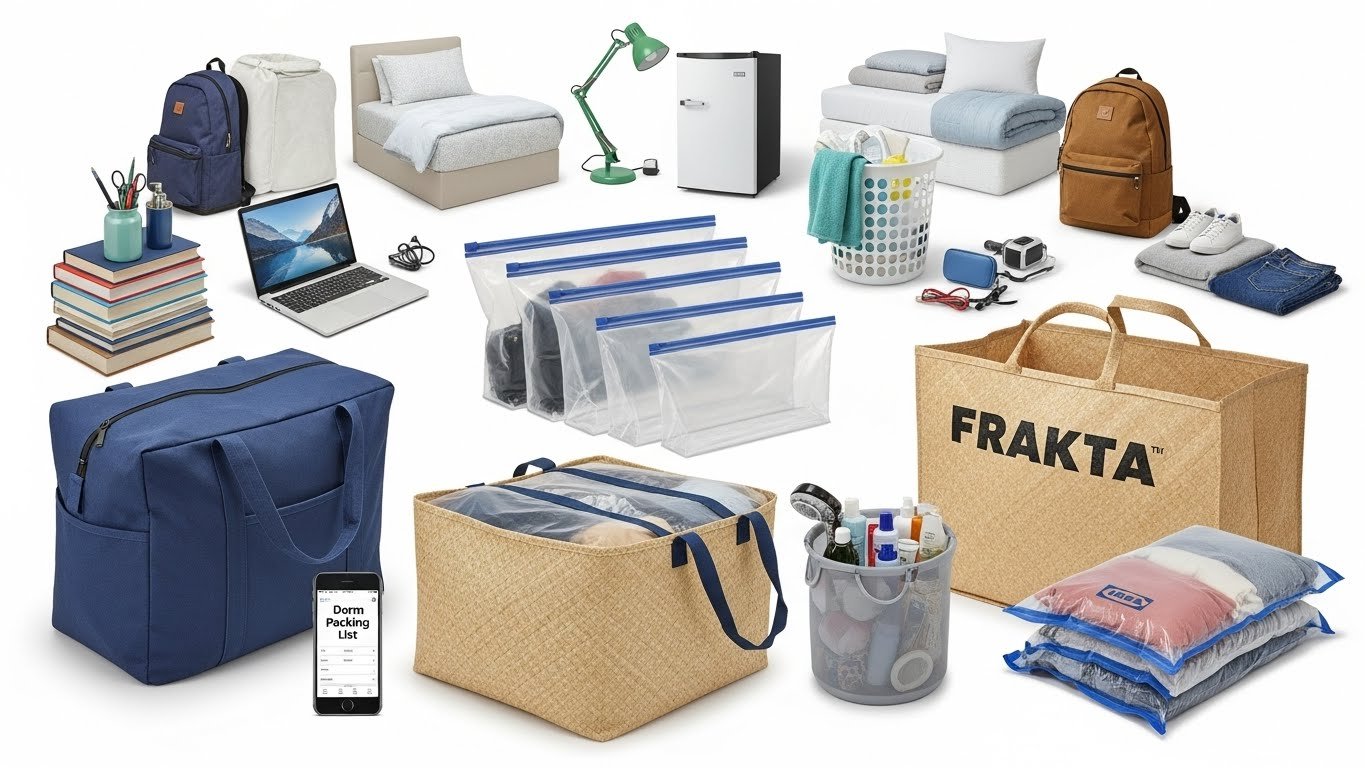
IKEA is well-known for its iconic Frakta bag, which has become a symbol of the brand. The Frakta bag is a durable, large, blue bag made of polypropylene, and it’s designed to carry bulky items or for general use around the house.
However, the Frakta bag is not free. IKEA sells these bags for a low cost, typically under a dollar, making them an affordable option for customers. These bags are sturdy and versatile, often used for moving, storage, or as an alternative to plastic grocery bags.
Eco-Friendly Focus
IKEA has made a significant commitment to sustainability, which extends to the bags they sell. In addition to selling Frakta bags, IKEA also offers reusable bags made from more sustainable materials. IKEA encourages its customers to bring their own reusable bags to reduce the environmental impact of disposable plastic bags.
Can I bring my own IKEA bag to IKEA?
Yes, you can bring your own IKEA bag to the store. In fact, many customers prefer to use their own reusable bags rather than purchasing new ones at checkout. IKEA supports this by offering a variety of eco-friendly options, and they encourage customers to use reusable bags for their shopping. The Frakta bag and other IKEA bags are great choices for transporting items during your visit to the store, but if you have your own eco-friendly bag, you are welcome to use it.
Are shopping bags free?

In many locations, shopping bags are no longer free. Retailers, especially those that operate in areas with plastic bag bans or taxes, now charge for bags at checkout. The goal behind this is twofold: to reduce plastic waste and encourage customers to bring their own reusable shopping bags.
Cost of Bags
The price of shopping bags can vary widely depending on the type of bag and the store’s policies. For example, plastic bags may cost a few cents, while paper bags or eco-friendly reusable bags can cost more. Many stores offer discounts or incentives for customers who bring their own bags, further encouraging the use of sustainable options.
Eco-Friendly Initiatives
Retailers are increasingly opting for sustainable alternatives like reusable bags, biodegradable bags, and compostable bags. These alternatives are designed to minimize environmental impact, providing a long-term solution to the issue of single-use plastic bags.
What states are bag-free?
A growing number of states across the U.S. are adopting plastic bag bans. The states that have introduced statewide plastic bag bans include California, Hawaii, and New York, among others. In addition, numerous cities have passed similar regulations, and many of them are also encouraging the use of reusable bags to further reduce waste.
Conclusion

The future of shopping bags is undoubtedly shifting towards eco-friendly alternatives. As awareness around environmental sustainability grows, consumers and retailers alike are making conscious choices to reduce plastic waste and embrace reusable and biodegradable options. Shopping bag manufacturers have a vital role in this transition, creating sustainable alternatives that meet both consumer needs and environmental demands. Whether it’s tote bags, grocery bags, or biodegradable options, the market for sustainable shopping bags is expanding rapidly. As a consumer, choosing eco-friendly bags is one of the most effective ways to contribute to a greener, more sustainable future.
-
Learn how shopping bag manufacturers contribute to sustainability by producing eco-friendly bags. ↩
-
Explore why eco-friendly bags are essential for reducing waste and pollution. ↩
-
Discover the benefits of using tote bags as eco-friendly shopping alternatives. ↩ ↩
-
Understand why grocery bags made from recycled materials are more sustainable. ↩
-
Learn how RPET is revolutionizing the grocery bag industry by using recycled materials. ↩
-
Learn more about RPET and how it contributes to sustainability in the shopping bag industry. ↩
-
Find out how shopper bags serve a variety of purposes beyond just carrying goods. ↩