



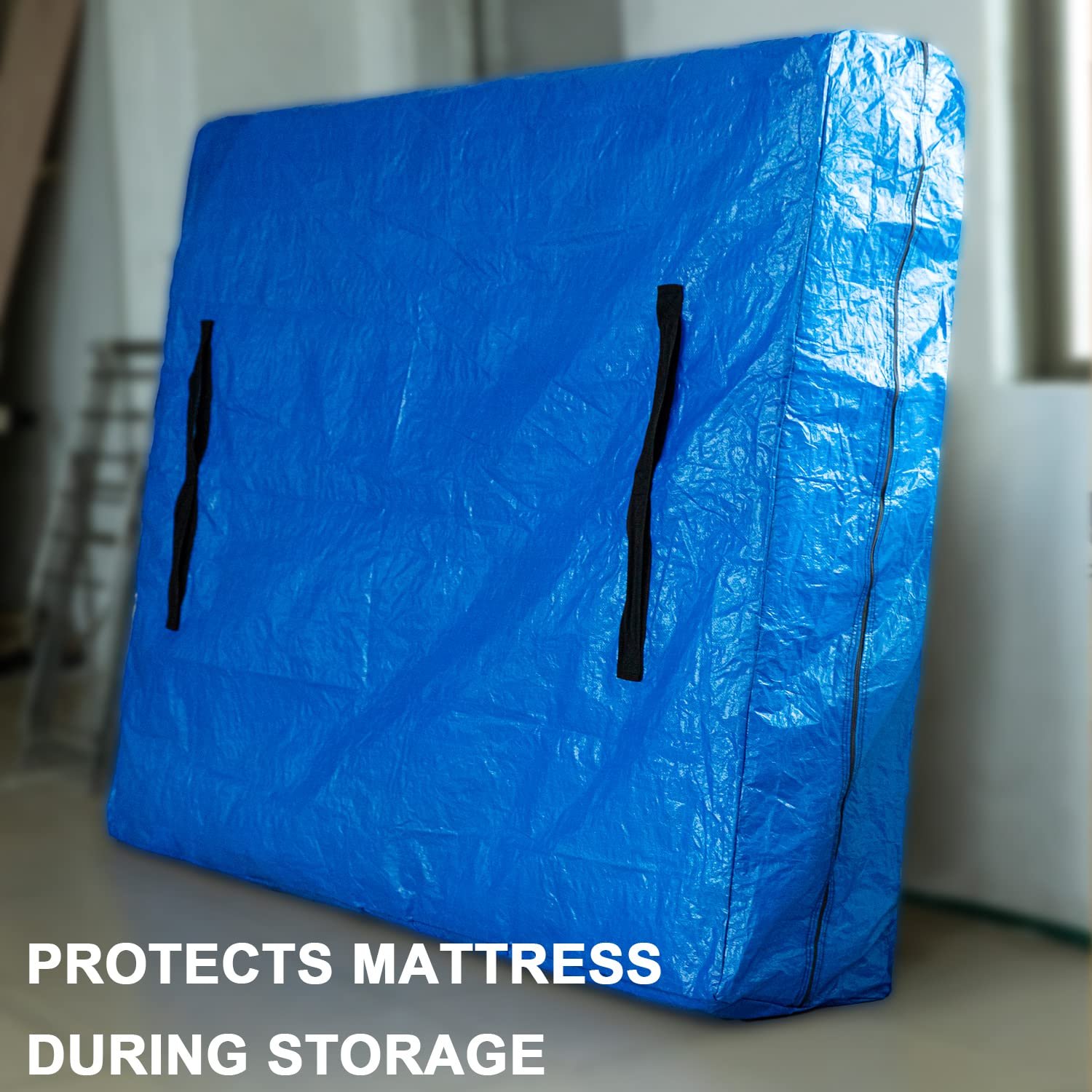
woven pp vs oxford fabric is the first checkpoint buyers should lock before they approve a supplier, budget, or production slot. Most sourcing guides tell you to compare woven PP against Oxford fabric by looking at denier ratings and grams per square meter — then pick whichever hits your budget target. The misleading nature of that shortcut becomes clear after approving pre-production samples from a new factory while ignoring how those surface-level specs translate into seam performance under load. Six weeks later the client flagged fifty thousand dollars’ worth of bags where handles pulled clean off during loading even though each panel passed individual tensile checks.
The disconnect wasn’t material choice itself — it was assuming polyester versus polypropylene tells you everything about stitch-line integrity once coatings wear thin along folded edges experienced buyers now route every quote through three checkpoints starting with propagation thresholds measured via ASTM D5034 rather than trusting GSM alone especially when factories ship consolidated containers where quality tolerance varies batch-to-batch regardless of what was signed off during sample approval stage.
Here’s one number worth writing down before your next supplier call If your fleet averages more than twenty full-load trips annually demand written confirmation that any coated variant delivers no less than three hundred millimeters hydrostatic head pressure tested across finished seams That single spec separates premium stock from commodity product lines priced purely around landed cost calculations including freight consolidation charges tied back original FOB negotiation points established early contract phase.

Understanding Moving Bag Material Criteria
Denier alone won’t save you.
Procurement teams often select moving bags based on a single number — denier, GSM, or price per unit — then watch those same bags split at the seams during the third move. The problem isn’t the material category. It’s that three performance factors determine real-world durability, and most spec sheets only cover one.
Tensile Strength: The Load-Holding Floor
Tensile strength measures how much force a fabric can withstand before tearing. For moving bags, the critical threshold is the seam — not the base fabric. A woven PP bag with 800 N tensile strength in the body can fail at 300 N if the stitching uses a loose lockstitch instead of a reinforced double-needle chain stitch. ASTM D5034 is the standard test method for this. A bag that passes 600 N across both warp and weft directions will reliably hold 50 lbs of mixed loads without propagating a tear.
Abrasion Resistance: The Fleet-Life Multiplier
Abrasion resistance determines how many moves a bag survives before the fabric thins or develops holes. The Martindale test (ASTM D4966) is the industry benchmark. Oxford fabric with a 600D weave typically delivers 15,000–20,000 cycles; premium 1200D Oxford can reach 30,000–50,000 cycles. Woven PP, by contrast, tends to abrade faster on rough surfaces like concrete loading docks because its flat tape structure frays under repeated friction. For high-use corridors — think university move-in days or corporate relocation fleets — Oxford’s abrasion advantage alone can justify a 2–3x longer service life.
Waterproofing: Where Most Claims Leak
Waterproof claims fail most often at seams and zipper tracks, not in the middle of the panel. Woven PP is naturally breathable unless laminated with an inner PE coating — check for a minimum coating weight of 40 gsm to block moisture ingress during outdoor staging or truck loading in rain. Oxford fabric relies on PU or PVC back-coating; verify ≥300 mm water column pressure under ISO 811 to confirm it holds up against standing water from wet floors or sprinkler runoff.
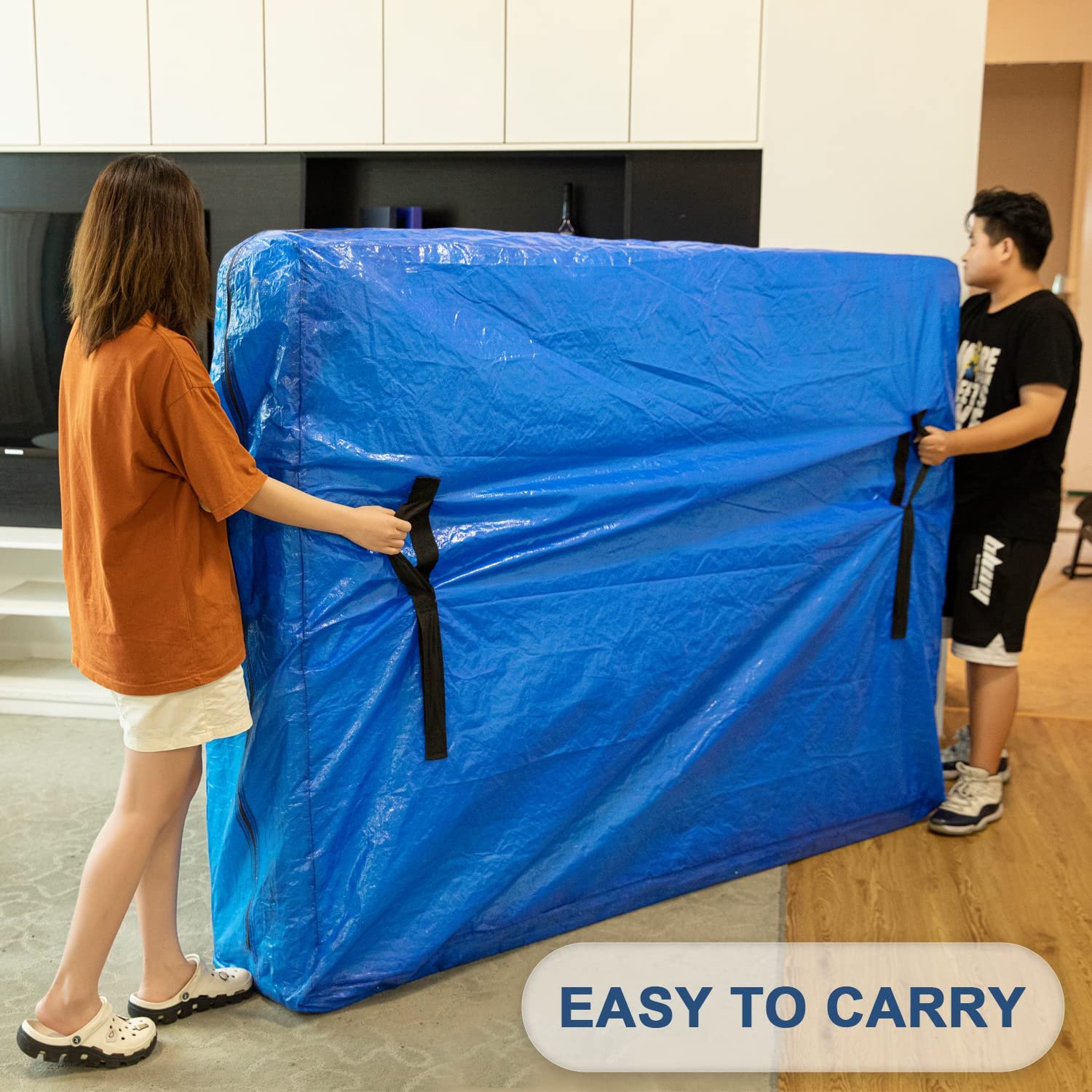
Woven PP: Industrial Strength and Cost-Effectiveness
Woven PP delivers high tensile strength at low cost, but seam integrity is the real test.
When you’re sourcing moving bags for a fleet, woven polypropylene (PP) is the workhorse material. It’s the same fabric used in bulk commodity bags and industrial sandbags — proven, cheap, and tough. But not all woven PP is created equal. The difference between a bag that survives 20 moves and one that splits on the second trip comes down to GSM (grams per square meter), lamination quality, and stitch construction.
Typical Specs That Matter
- GSM range: Standard woven PP moving bags run from 80 to 150 GSM. Below 100 GSM, you’re looking at single-use or light-duty storage only. For heavy duty moving bag material comparison purposes, target 120–150 GSM for fleet-grade durability.
- Tensile strength (ASTM D5034): A 120 GSM woven PP typically achieves warp tensile strength of 400–600 N/5cm and weft of 350–550 N/5cm. That’s enough to hold 25–30 kg of mixed loads without stretching or tearing under normal handling.
- Lamination: Woven PP is naturally porous — water passes right through the weave. A laminated inner layer (polyethylene coating) adds waterproofing and prevents dust leakage. Without lamination, these bags are strictly indoor-use only.
✅ Pros for Moving Bags
| Характеристика | Технические характеристики | Долговечность | Cost Efficiency | Лучший пример использования | ||||||||||||||||||||||||||||
|---|---|---|---|---|---|---|---|---|---|---|---|---|---|---|---|---|---|---|---|---|---|---|---|---|---|---|---|---|---|---|---|---|
| Material Grade | Woven Polypropylene (PP) | High tensile strength (ASTM D5034 ≥ 400 N) | Lowest cost per unit among heavy-duty moving bags | Bulk logistics, storage, and one-way moves | ||||||||||||||||||||||||||||
| Диапазон GSM | 100–200 GSM (industrial grade) | Adequate for ≤50 kg loads tear propagation >60 N |
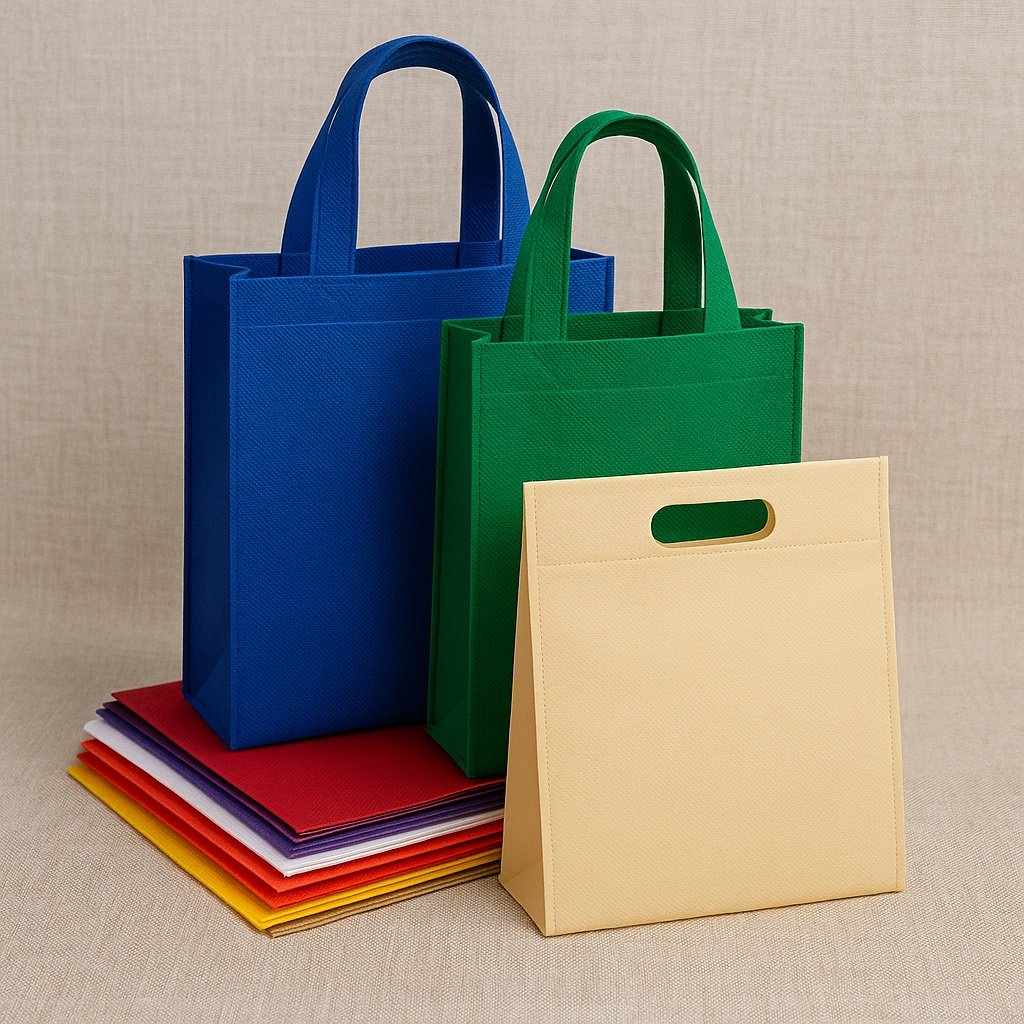
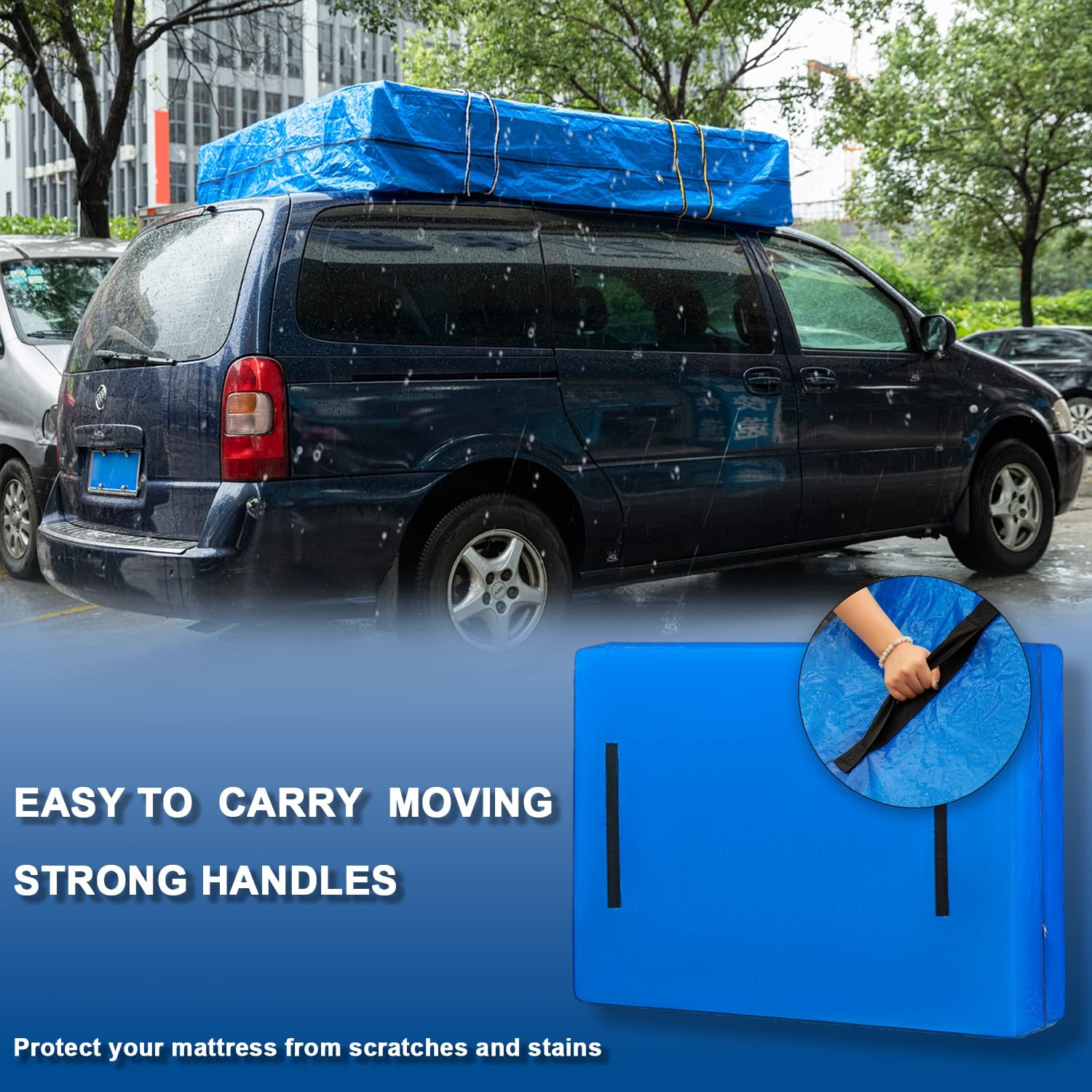
| Материал | Tear Strength (ASTM D5034) | Water Resistance (Water Column) | Abrasion Resistance (Martindale Cycles) | Cost-Per-Use |
|---|---|---|---|---|
| Плетеный полипропилен | 200–300 N | 100–200 mm (unlaminated); >300 mm with lamination | 7,000–15,000 | Higher (shorter fleet lifespan) |
| Ткань оксфорд | 300–400 N | ≥300 mm (PU/PVC coating verified) | 30,000–50,000 | Lower (2–3x longer fleet lifespan) |
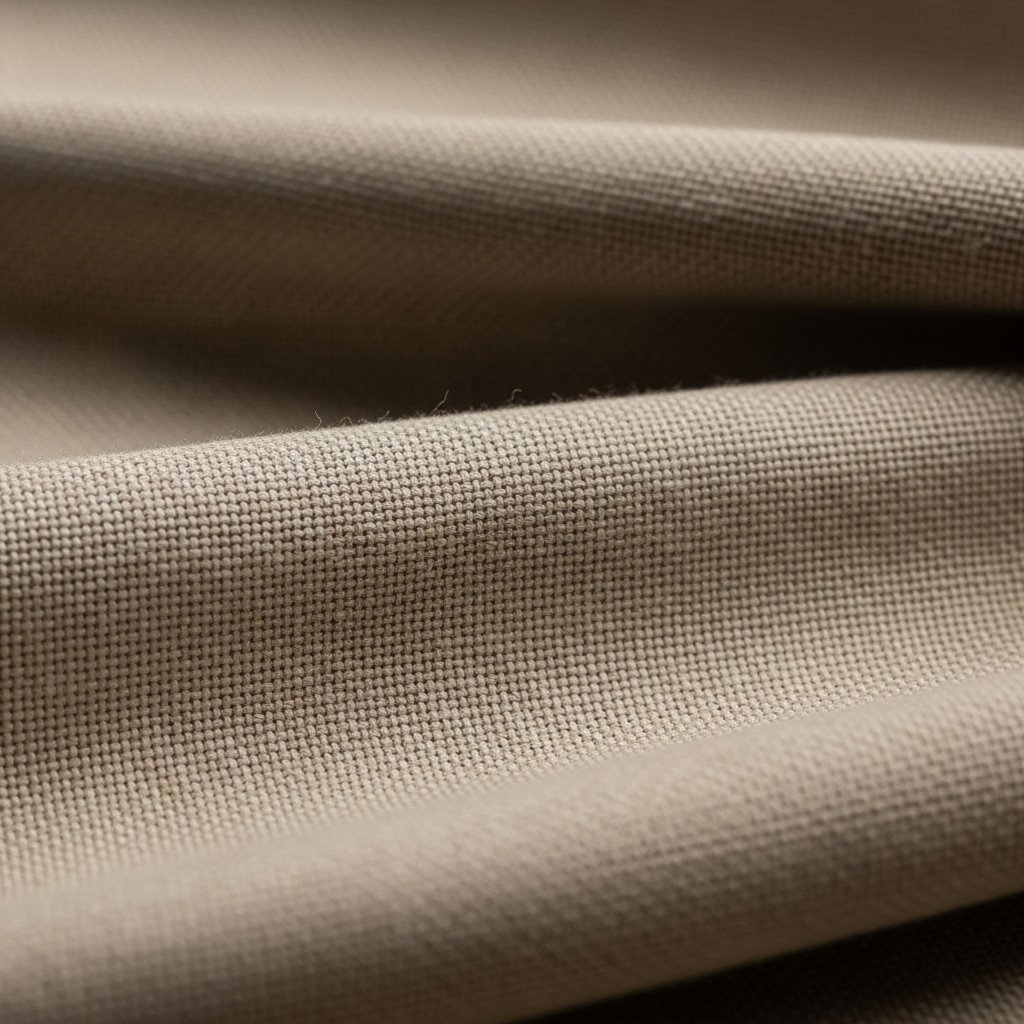
Choosing the Right Material for Your Fleet or Brand
The right material depends on your fleet’s use cycle, not just the upfront unit cost.
When Woven PP Makes Sense for Your Fleet
Woven polypropylene is the workhorse for high-volume, short-lifecycle operations. If your bags move goods from warehouse to delivery point and rarely return, woven PP gives you the lowest cost per bag with adequate tear resistance. Standard woven PP moving bags run between 80 and 120 GSM with a laminated inner layer. They handle loads up to 50 kg under normal conditions. The material resists UV degradation better than non-woven alternatives, so outdoor staging during loading won’t cause early failure.
But here is where procurement teams get burned: woven PP’s strength depends entirely on the weave density and lamination quality. A cheap 70 GSM bag with thin lamination will split at the seam under a 40 kg load within three moves. I have seen fleets buy 5,000 units based on FOB pricing alone, only to replace half within six months. Always request ASTM D5034 tear strength data and verify the lamination adhesion — peel test at 180 degrees should show clean separation above 3 N/cm.
When Oxford Fabric Justifies the Higher Unit Cost
Oxford fabric becomes the smarter choice when bags cycle through multiple trips — think corporate relocation fleets, equipment transport pools, or rental inventories. A 600D Oxford bag with PU coating typically survives 30,000 to 50,000 Martindale abrasion cycles before showing wear. That translates to a service life two to three times longer than woven PP in high-use corridors.
The real differentiator is stitch-line integrity. Oxford fabric’s woven structure distributes stress more evenly across seams than PP’s slit-film weave. In practice, this means fewer blowouts at the bottom gusset when handlers overload bags by 10–15%. Waterproofing also favors Oxford — but only if the coating meets a verified water column pressure of at least 300 mm. Many suppliers claim waterproof without providing test reports. Ask for the ISO 811 hydrostatic head test results before approving samples.
Decision Framework: Three Questions for Your Supplier
| Материал | Durability Specs | Waterproofing | Лучшее для | Cost-Per-Use |
|---|---|---|---|---|
| Плетеный полипропилен | Tensile strength: 800–1200 N/5cm; Tear propagation: >50 N (ASTM D5034); GSM: 160–200 | Requires laminated inner layer; water column <300 mm | High-volume fleet operations, cost-sensitive logistics, standardized bulk orders | Low initial cost; 1–2 year life in high-use corridors; per-move cost ~$0.15–$0.25 |
| Ткань оксфорд | Denier: 600D–1200D; Martindale cycles: 30,000–50,000; Stitch-line tear resistance >100 N | PU/PVC coating verified ≥300 mm water column; seam-sealed | Premium retail branding, long-term fleet investment, high-use corridors, corporate gifting | Higher initial cost; 3–5 year life; per-move cost ~$0.08–$0.12 (savings over time) |
Заключение
Choosing between woven PP and Oxford fabric for moving bags comes down to use case and cost-per-move. Woven PP offers lower upfront cost and adequate tear strength for standard moves, while Oxford fabric with verified PU coating delivers 2–3x longer fleet life in high-use corridors. The real differentiator is not denier alone but stitch-line tear resistance and coating adhesion.
- Denier rating alone doesn’t predict durability; stitch-line tear resistance matters more.
- Oxford fabric with 30,000–50,000 Martindale cycles can slash per-move cost 2–3x.
- Waterproof claims fail at seams; require ≥300 mm water column coating verified.
- Cheap non-woven bags mis-sold as heavy-duty; check GSM and tear propagation thresholds.
Часто задаваемые вопросы
Which is better for moving bags: Woven PP or Oxford?
Woven PP wins on raw tensile strength and cost per unit, while Oxford fabric offers better abrasion resistance and a premium look. Your choice depends on whether you prioritize budget for bulk logistics or. Match material to your fleet or brand priorities.
What denier Oxford fabric is best for moving bags?
600D Oxford works for light household moves, but 900D or 1200D is recommended for commercial-grade durability. The higher denier significantly improves tear resistance and withstands repeated handling in logistics fleets. Specify denier based on expected move cycles.
How does Woven PP compare to Oxford fabric in cost?
Woven PP typically costs 20–30% less than equivalent Oxford fabric bags due to simpler manufacturing. However, Oxford’s longer lifespan can lower your cost-per-use if bags are reused many times. Calculate total cost per move, not just unit price.
Is Woven PP or Oxford fabric more waterproof?
Neither is inherently waterproof. Woven PP is water-resistant but can leak at seams, while Oxford fabric with a PVC coating offers true waterproofing. Confirm coating type before ordering for wet conditions.
When should I use Woven PP instead of Oxford fabric?
Use Woven PP for high-volume, cost-sensitive logistics where bags are replaced frequently. Choose Oxford fabric for retail-branded or reusable programs where appearance and long-term durability matter more. Let your reuse rate and branding needs decide.




0 комментариев