



Private label and white label are the two branding models in bag sourcing, and the difference is control: white label puts your brand on an existing factory product; private label makes the product to your spec under your brand. For bag programs — totes, moving bags, shopping bags — the choice determines the product, the pricing power and the supplier relationship. This guide defines both models in the bag context and the cost structure behind each.
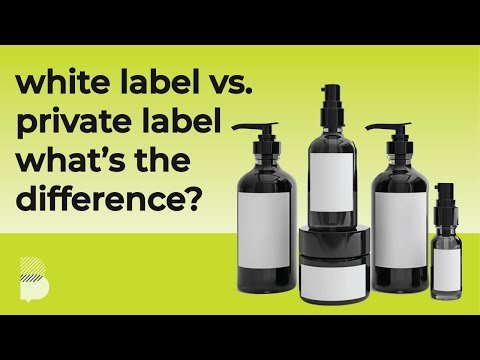
White Label Bags: Brand on an Existing Product
White label in bags means the buyer takes a factory’s existing model — a standard tote, a standard moving bag — and sells it under the buyer’s brand. The customization is limited to the branding surfaces: the printed logo, the hang tag, the packaging; the bag’s construction, materials and dimensions stay the factory’s. The cost structure is the white label’s advantage: no development cost, no tooling, stock or near-stock lead times, and MOQs that ride the factory’s continuous production. The limits are structural: no product differentiation (competitors can white-label the same bag), no exclusivity, and no control over the spec — the buyer inherits the factory’s design decisions, including the ones that create quality complaints. White label is the right start for a brand entering a category quickly — the custom shopping bags page shows the stock models available for branding.
Private Label Bags: The Spec-Controlled Model
Private label means the bag is made to the buyer’s specification: the buyer defines the dimensions, the material and GSM, the handle construction, the print placement, the packaging, and in some agreements the exclusivity of the model. The customization spectrum runs from light (a stock pattern with buyer-specified material and branding) to full (a new design developed from the buyer’s drawings with exclusive rights). The cost structure adds three lines: development (sampling rounds — typically 1–2 rounds of 7–15 days each at a factory with an established sample process), the MOQ premium (custom constructions run at higher minimums than stock), and the lead time (custom programs run on the production schedule, not the stock shelf). The payoff is the control: the product is the buyer’s, the spec is the buyer’s, and the exclusivity converts into pricing power when the channel and the brand support it. The product development page covers the private label process, and the custom tote page shows the spec options.

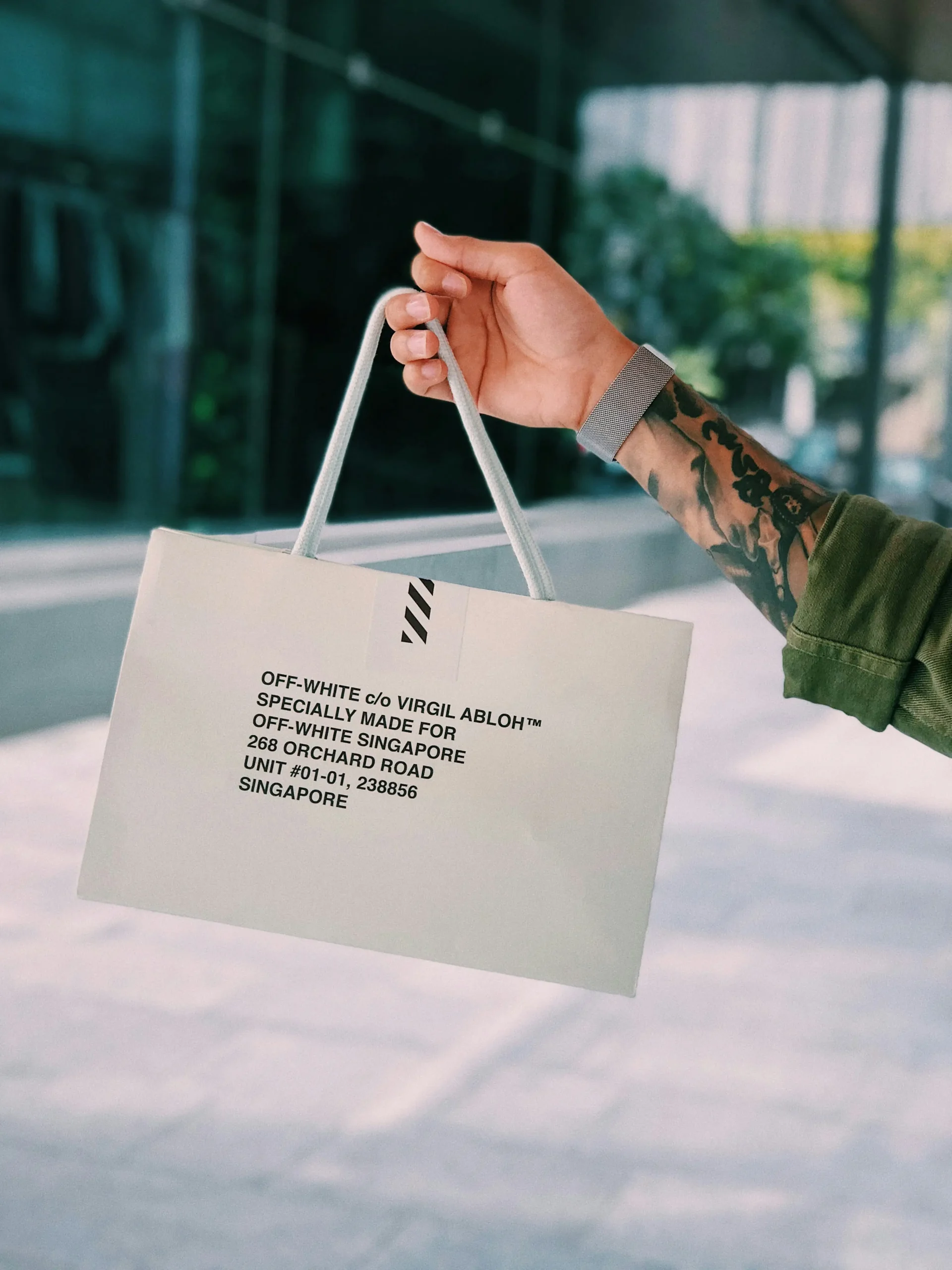
The Cost Comparison: When Private Label Pays
The comparison runs on the landed cost per bag across the program volume. White label: the stock bag price plus the branding surcharge — the lowest per-unit cost at any volume, with no development spend. Private label: the custom construction price plus the development cost amortized across the volume — higher per unit at low volume, converging as the volume grows, and crossing below the white-label-equivalent once the program’s volume justifies the custom MOQ and the development amortization. The crossing point in practice: private label typically earns its cost from roughly 10,000–20,000 bags per year upward, depending on the complexity of the customization — below that band, white label on a stock model delivers the brand at a lower all-in cost. The second factor is the differentiation value: a private-label bag is not price-comparable on the open market (there is no identical product to compare), which protects the retail margin in a way white label cannot. The custom vs standard cost guide walks through the comparison with numbers.
What to Put in the Agreement
Whichever model, four clauses protect the buyer. Product definition: the model number and the spec (white label — the factory’s model with the branding scope; private label — the buyer’s model with the spec attached). Branding scope: which surfaces carry the brand (print, tag, packaging, documentation). Exclusivity (private label): the model scope, the territory, and the duration — exclusivity should be written, not assumed. QC and service: the inspection points, the defect-acceptance level, the warranty, and the spare/reorder terms. The compliance layer rides the same file: the certifications (BSCI social compliance, GRS recycled-content) follow the product, and the branded buyer should confirm the certificates cover the branded model, and the consumer-facing claims follow the FTC consumer guidance on product claims and labeling. The certifications page documents the coverage, and the contact page starts the program discussion with the volume on the table.
Часто задаваемые вопросы
What is the difference between private label and white label bags?
White label brands an existing factory product with cosmetic customization; private label makes the bag to the buyer’s spec with differentiation and optional exclusivity.
Which costs less?
White label at any volume; private label’s development and MOQ costs amortize and cross below once the program runs roughly 10,000-20,000 bags per year.
What protects the private label margin?
Differentiation: no identical product exists on the market to compare prices against, which protects retail margin in a way white label cannot.
What clauses belong in the branding agreement?
Product definition, branding scope, exclusivity terms (private label), and QC/service commitments — with the certification file covering the branded model.
White label starts the brand, private label owns it: the crossing point is the volume math. Related reading: the product development page и custom tote range.
Dimension anchors and print margins by use case are tabulated in our standard bag sizing guide.




0 комментариев