



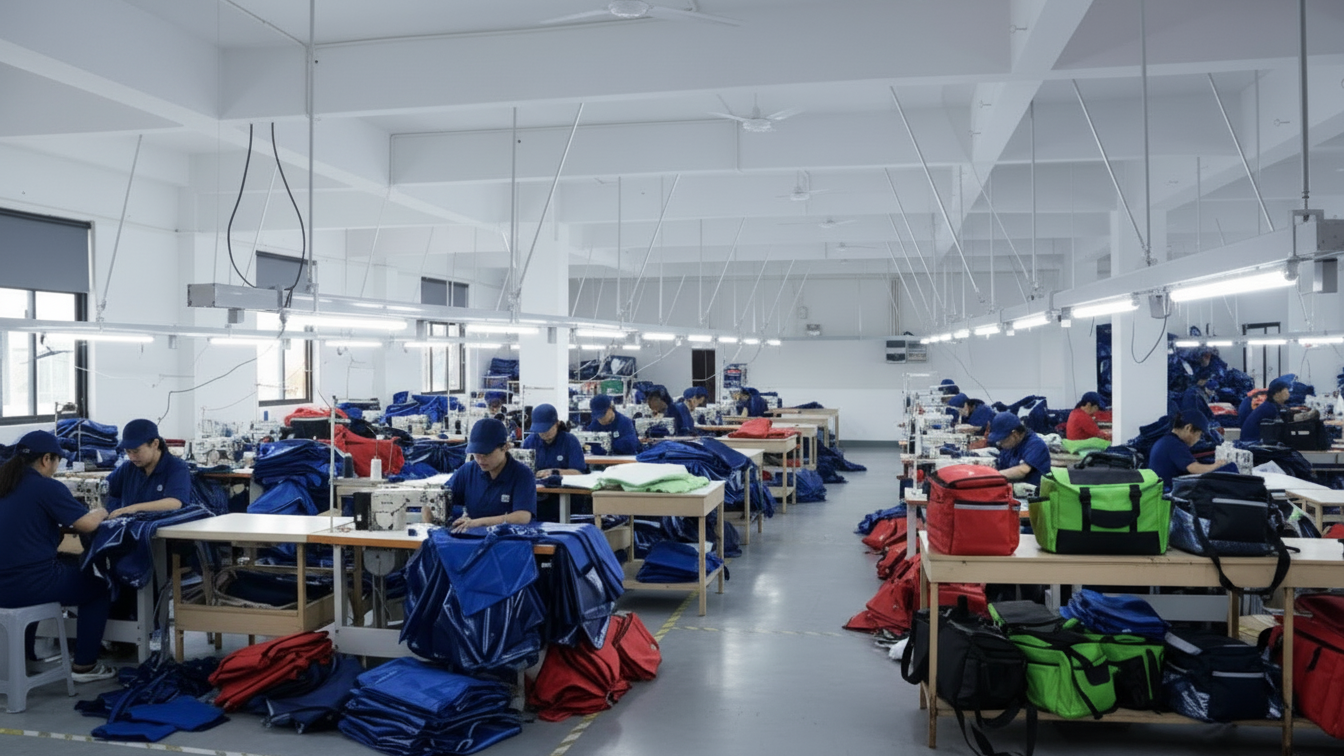
A 22-hotel group replaced single-use plastic laundry bags with 16,500 returnable fabric totes and cut annual bag spend 79 percent, from about $95,000 to under $20,000, while linen replacement costs fell another 22 percent. The program is built on a simple rotation: every room carries three color-coded totes, housekeeping drops soiled linens into them, and the laundry department returns clean linens in the same bags. No bag is discarded after one use.
This case study covers a European hotel group that runs 22 properties and 4,840 rooms, with housekeeping under one regional director. The figures come from the client project records for the first full year of the program; the group asked for its name to stay out of the article. The buying decision was led by the group’s sustainability officer, but the approval case was built entirely on the P&L: bag spend, linen replacement, and labor.
The Problem: 950,000 Plastic Bags and Tearing Linens
The group bought about 950,000 single-use poly laundry bags a year at roughly $0.10 each, an annual line item of about $95,000. The bags sat in every guest room, and housekeeping used them to move soiled linens to the laundry. The purchase was invisible because it was small per unit, but it was one of the largest recurring supply expenses in housekeeping after chemicals and paper.
The hidden cost was linen damage. The thin poly bags tore under a full load of wet towels, exposing linens to the laundry cart and the floor. The group tracked replacement spend of $86,000 a year on towels, sheets, and duvet covers, and the housekeeping director estimated that a third of the losses traced to bag failures. Every torn bag also meant a trip to the supply closet and a bin liner to dispose of the broken poly.
The labor side was harder to see because it never showed up as a line item. A torn bag mid-shift meant a second trip to the linen closet, a pause in room turnaround, and a disposal step that added up across 4,840 rooms. The regional director timed the process during the pilot: bagging a room’s linens in the reusable tote took the same 90 seconds as the single-use bag, but the torn-bag trips disappeared from the floor. That labor saving did not change the P&L by itself, but it removed the operational friction that usually kills reusable programs before the cost model matures.
The Program: 16,500 Returnable Totes on a Three-Bag Rotation
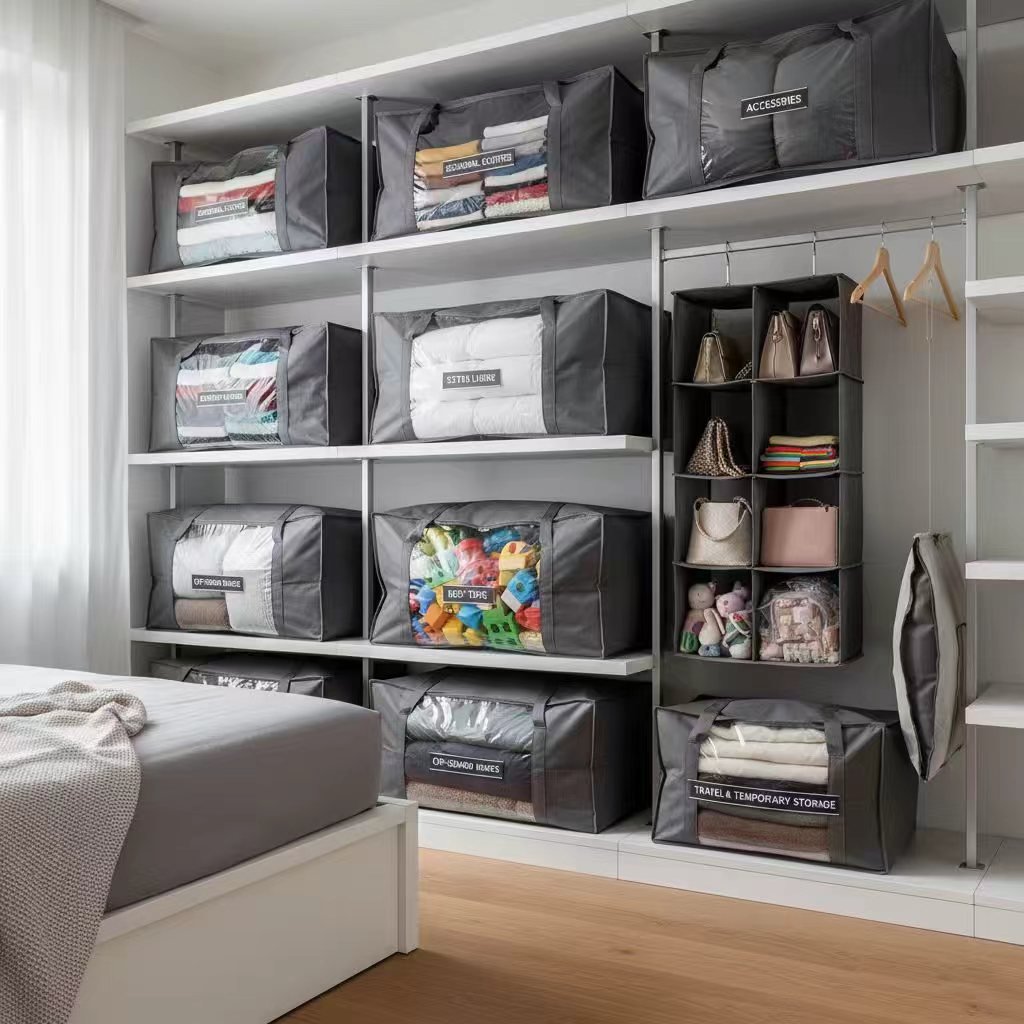
The group ordered 16,500 returnable totes: three per room for rotation, one in use, one moving through the laundry cycle, one spare, plus a 15 percent float for loss and repair. Each tote is a heavy-duty woven PP bag with reinforced handles, sized to hold a full linen set for one room. The order cost $48,675 at $2.95 per unit. The factory that supplied the run was TIIOCTI, whose custom canvas and fabric tote line covers the same construction details for hotel, rental, and retail programs.
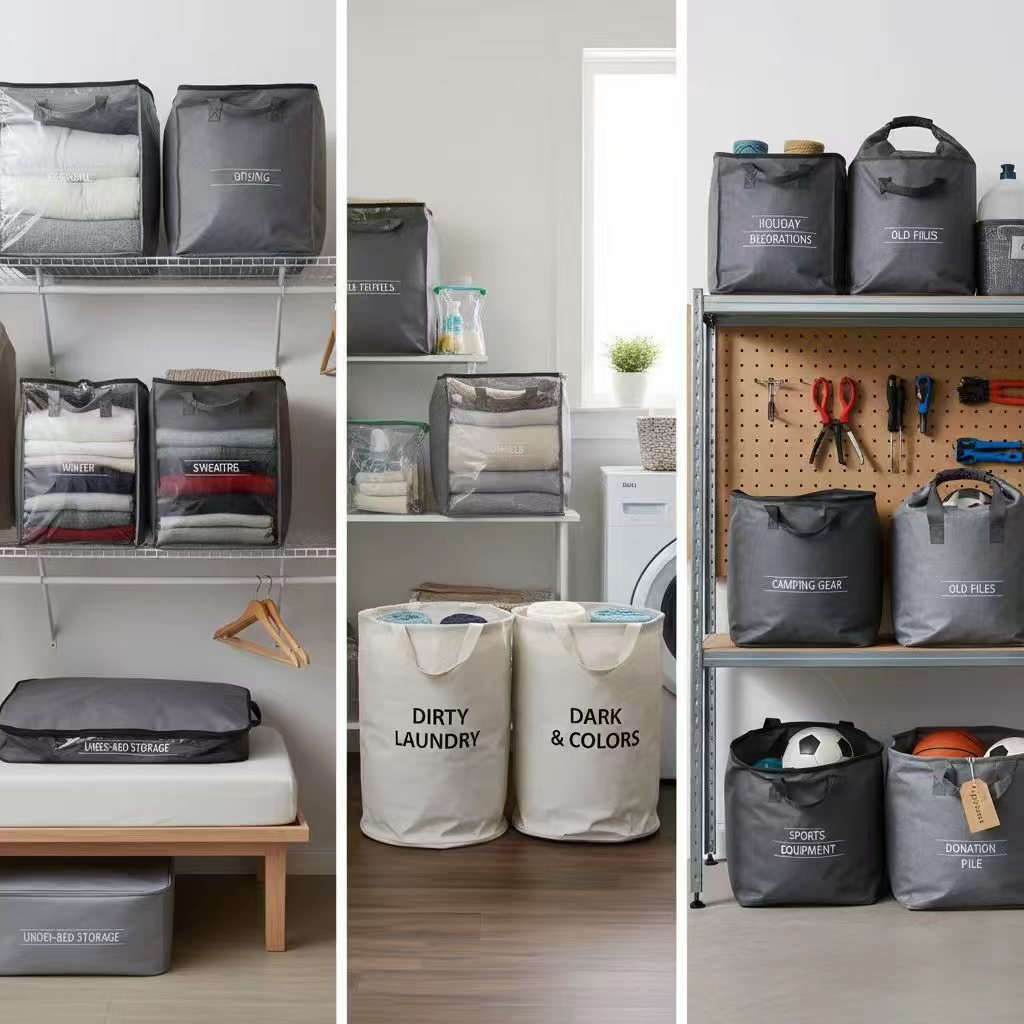
Color coding carried the rotation. Each property used three colors, one per laundry zone, so a tote that ended up in the wrong corridor was visible at a glance. Room attendants were trained to fold linens into the tote in the same order every time, which cut sorting time in the laundry because the load came pre-grouped by type.
The 90-Day Pilot: What the Group Measured Before Scaling
The group ran the program at two properties for 90 days before the full rollout. The pilot did not exist to prove the concept, because the cost model was already clear. Its job was to produce three operational numbers: how many wash cycles the tote survived, where the first failure appeared, and how many totes disappeared per month. The laundry manager tracked each tote by color zone, so every failure and every loss could be traced back to a property and a cycle count.
The pilot caught the handle. Early samples failed at the attachment point around 150 cycles, which would have meant a replacement order inside the first year. The final spec doubled the handle stitching and added a reinforced patch at the attachment point, the same construction that later logged 200 to 300 wash cycles in tiiocti product testing. The pilot also produced the loss data that sized the program: roughly 5 percent of totes were retired or walked out each year, which is why the rollout bought a 15 percent float up front and budgeted a 5 percent annual replacement line instead of the 10 percent the laundry manager first proposed.
Housekeeping adoption was the third measure. During the first 30 days, staff in the pilot properties logged which rooms actually used the rotation, and rooms where the tote sat unused in the closet flagged a training gap rather than a product failure. The color coding came out of this window: staff said they could sort a cart of totes by color faster than they could read labels, so the three-zone system was written into the rollout manual instead of left to each property. The group treated adoption data as a go or no-go gate, and the pilot properties passed it before the order for the remaining 20 properties was released.
The Bag Spec: Wash Cycles, Seams, and Certification
The spec that mattered was wash tolerance, not first-use strength. Woven PP totes in tiiocti product testing held 200 to 300 wash cycles before seam or handle failure, which maps to 2 to 3 years at the group’s 120 cycles per year. The handles were the first failure point in early samples, so the final spec doubled the handle stitching and added a reinforced patch at the attachment point.
For a hotel program, textile safety certification should be a requirement in the RFQ, not a nicety. OEKO-TEX Standard 100 screens finished textiles against a list of over 1,000 harmful substances, covers threads and hardware as well as fabric, and issues certificates valid for one year across four product classes. Hotels that serve guests directly can also reference it in procurement policy. The full standard details are published by OEKO-TEX Standard 100 on oeko-tex.com.
The Results: Bag Spend Down 79 Percent, Linens Down 22 Percent
Year one produced the full bag-spend saving. The $95,000 single-use line disappeared, replaced by amortized tote cost of under $20,000 per year, a 79 percent reduction. Linen replacement spend fell 22 percent, from $86,000 to $67,000, because torn bags stopped exposing linens to loss and soiling. Combined, the program saved about $94,000 per year against a $48,675 initial order, a payback of roughly 6 months.
| Метрика | Before | After Year 1 | Change |
|---|---|---|---|
| Annual bag spend | $95,000 | <$20,000 | -79% |
| Linen replacement | $86,000 | $67,000 | -22% |
| Plastic bags consumed | 950,000 | 0 | ~5.7 metric tons of plastic avoided |
| Initial tote order | - | $48,675 | Payback ~6 months |
The plastic side of the ledger matters for the group’s ESG reporting. At roughly 6 grams per bag, 950,000 bags equal about 5.7 metric tons of single-use plastic per year, all of it diverted. The group’s sustainability officer folded that number into the annual report as the program’s headline environmental figure.
The Three-Year Cost Model
The first year looks worse than the steady state because the tote order lands as one capital line. Spread the same numbers over three years and the pattern is stable: the bag spend line stays under $20,000 per year, the linen line holds at the reduced level, and the only new cost is a replacement float for totes lost or retired at the end of the wash-cycle life.
| Line Item | Year 0 (Before) | Year 1 | Year 2 | Year 3 |
|---|---|---|---|---|
| Single-use bag spend | $95,000 | $0 | $0 | $0 |
| Returnable tote amortization | - | $19,470 | $19,470 | $19,470 |
| Replacement float (5%) | - | $2,400 | $2,400 | $2,400 |
| Linen replacement | $86,000 | $67,000 | $67,000 | $67,000 |
| Housekeeping bag + linen total | $181,000 | $88,870 | $88,870 | $88,870 |
The 5 percent replacement float covers the real loss rate: totes walked out with luggage, retired on seam failure, and dyed beyond recovery. At $2.95 per unit, 825 totes a year is $2,434, rounded to $2,400 in the model. The wash-cycle data from the pilot told the group when to expect the first retirement wave, which is why the float was sized at 5 percent instead of the 10 percent the laundry manager first proposed. The group’s experience with padded totes in the wine distribution arm had already shown that replacement cost, not initial price, decides whether a reusable program pays.
Rollout Lessons for Other Hotel Groups
Four decisions made the program stick. First, the group piloted two properties for 90 days before scaling, which caught the handle failure before the full order. Second, the three-color rotation was decided with the laundry manager, not the procurement team, because sorting was the operation that would reject the program. Third, the group bought a 15 percent float up front instead of reordering after losses, because replacement orders in the same dye lot are not guaranteed. Fourth, the RFQ required wash-cycle test data, which screened out suppliers quoting decorative totes that could not survive commercial laundry.
The same program logic transfers to other high-turnover linens operations. A grocery chain reusable tote program cut bag spend 32 percent, and hotel buyers starting from scratch can use the canvas tote buyer’s guide written for hotels and agencies as the spec baseline, while the bedding-side equivalent is covered in the clear bag guide for bedding and linens.
The procurement template matters as much as the tote. This group’s RFQ asked for three things that screened out most suppliers: wash-cycle test data from a recognized method, a sample that had completed a full wash-and-dry cycle before quotation, and a stated replacement price per tote for the float line. A supplier that cannot produce wash-cycle data is quoting a decorative bag, and the difference shows up in month four of commercial laundry, not in the sample photo. Put the same three requirements in your tender and the comparison stays on specification instead of on samples that have never seen a washing machine.
Заключение
Returnable laundry totes are a procurement decision, not a sustainability gesture. This group converted $95,000 of annual bag spend into under $20,000, cut linen replacement 22 percent, and eliminated 5.7 metric tons of plastic, with the $48,675 tote order paying back in about 6 months. The wash-cycle spec, the color rotation, and the pilot were the three pieces that made the numbers hold.
If your group runs 10 properties or 100, the same cost model applies. Send your room count and current bag spend to the TIIOCTI team, and we will size a returnable tote program with wash-cycle test data and free samples for a pilot property.
Free samples, wash-cycle test data, and low MOQ for pilot orders.
Часто задаваемые вопросы
How much do hotels spend on single-use plastic laundry bags?
A 4,840-room group can pass roughly 950,000 single-use bags per year. At $0.10 each, that is about $95,000 in recurring bag spend, before counting the linen damage the bags cause when they tear.
How many returnable totes does each hotel room need?
Three per room in rotation, one in use, one moving through the laundry cycle, one spare, plus a 15 percent float for loss and repair. A 4,840-room group ordered 16,500 totes.
Do fabric laundry bags survive commercial washing?
Yes. Woven PP totes in tiiocti product testing held 200 to 300 wash cycles before seam or handle failure, which is 2 to 3 years of normal hotel rotation at 120 cycles per year.
What is the payback period for a returnable laundry bag program?
The $48,675 tote order in this program paid back in about 6 months from combined bag-spend and linen savings; from bag-spend savings alone it was about 8 months.
Do returnable totes need textile certification?
For hotel use, ask for testing against OEKO-TEX Standard 100, which screens textiles for over 1,000 harmful substances across four product classes. The certificate lasts one year and covers threads and hardware, not just fabric.



0 комментариев