Case Study: Reseller Program Helps a Distributor Add $240K in Bag Revenue
A distributor selling bags into a market lives on margin and volume, but margin is squeezed when the supplier is a trading company that already took a cut. One bag distributor we work with built a reseller program straight from the factory, and over a year it added roughly $240K in new bag revenue. The win was not one big order; it was a repeatable system where resellers could order direct, hold margin, and restock on demand.
This case study explains how the program worked, why factory-direct access changed the economics, and what a distributor needs to launch a bag reseller line of its own.
Starting point: margin trapped behind a middle layer
When a distributor sources through a trading firm, part of the price is the trading firm’s markup. That leaves less room for the reseller’s own margin, and less room to price competitively against a market that is already buying direct. The distributor moved to factory-direct and immediately unlocked a bigger spread on the same products. That is the core of our direct factory shipping case study, where cutting the middle layer took 18% off the cost.
Building the reseller program
The program was built in three pieces. First, a reseller price list with clear margin tiers so the distributor’s own customers could price confidently. Second, a low-MOQ path so a small reseller could test a sku before committing. Third, a fast restock cycle so a reseller never ran out of a moving line. Our custom logistics bags case study shows how a similar program scaled to 500 retail stores.
Why the reseller model wins on bag margin
Bags are a high-margin, repeatable consumable. Unlike furniture, they reorder often, which makes a reseller relationship valuable. The moving bag dealer margin guide shows how heavy-duty bags offer a better margin to a reseller than boxes, because the per-unit value is higher while the handling is simple. That mix of margin and volume is what makes a bag reseller line worth building.
Making the $240K
The path to $240K was not a single order. It was a portfolio of resellers ordering a narrow set of skus month after month. Several things made that possible.
1. Factory-direct pricing held the margin
Because the distributor could price to resellers from a factory-direct base, the resellers kept enough margin to stay loyal and buy again.
2. A tight sku set drove repeat volume
Rather than dozens of bags, the program focused on a few high-volume moving bags and totes. Resellers reordered the same items, which compounds revenue without adding complexity.
3. Trust backed by audit
Distributors and resellers both need to know the factory is real. Our factory audit case study shows how a verified factory with a near-zero defect rate protects a reseller program from returns that eat margin.
What a distributor needs to launch its own program
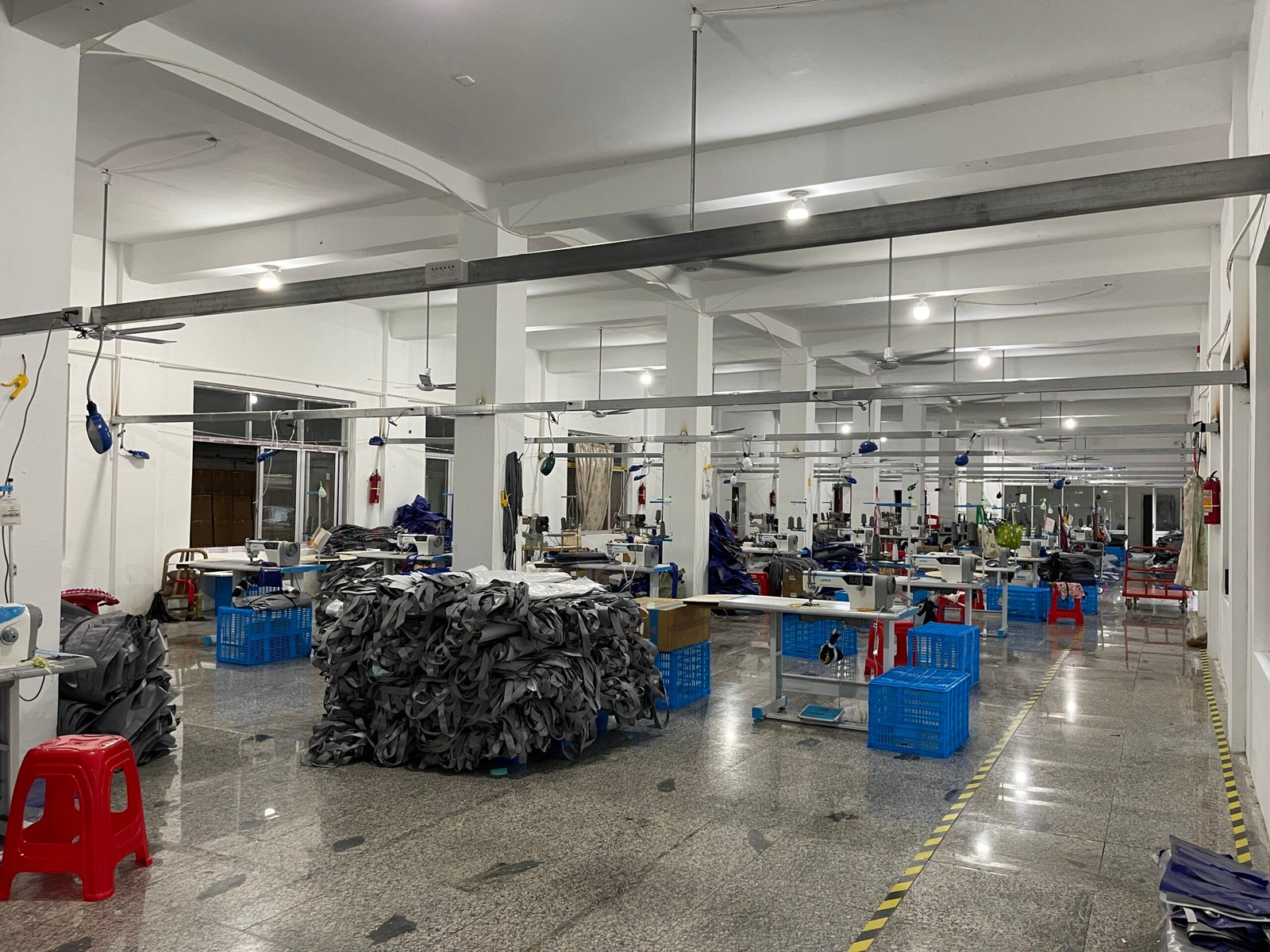
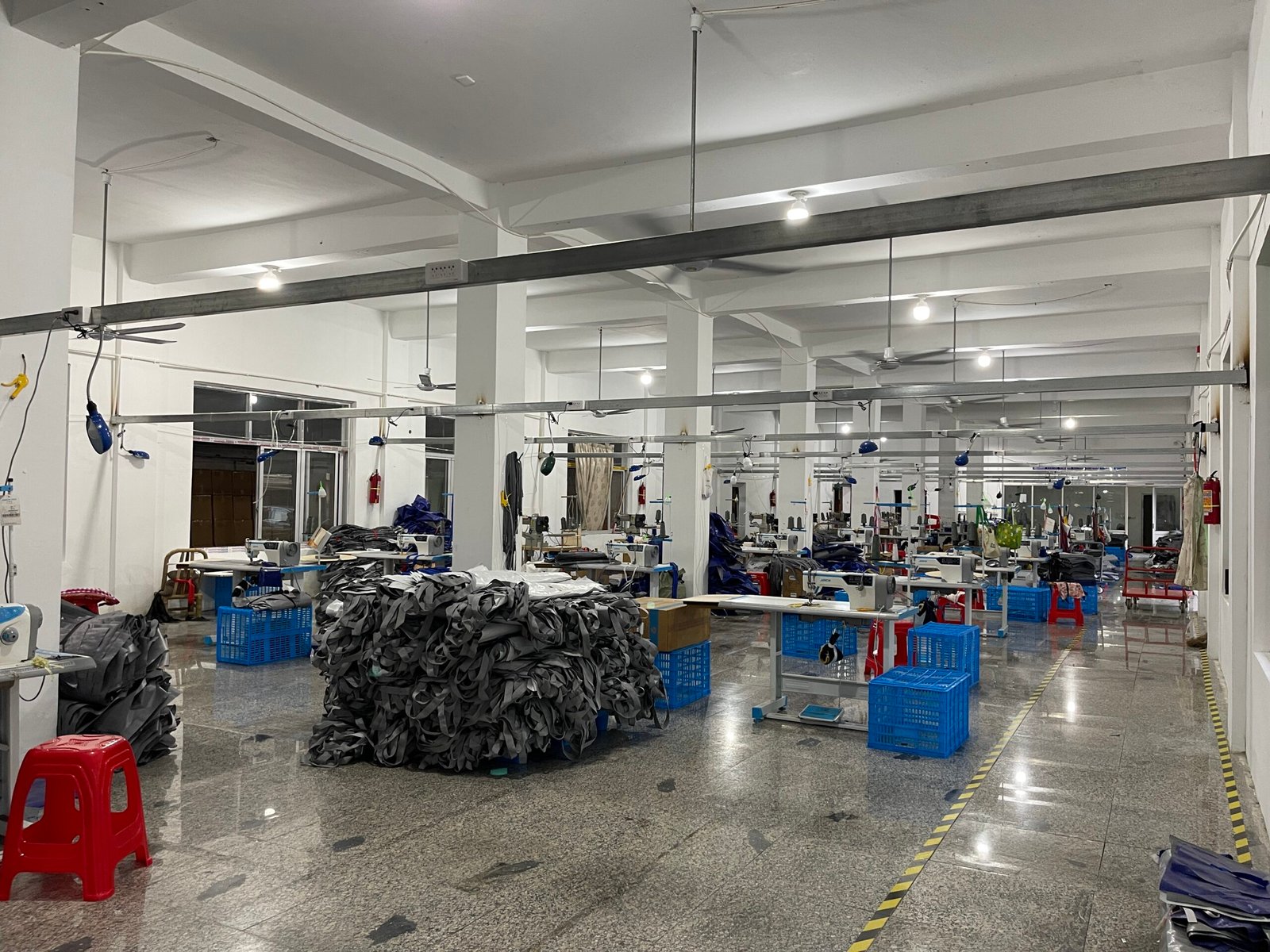
To replicate this, a distributor needs three things: a transparent factory-direct price, a low-moq entry so resellers can test, and a consistent quality signal like a certified factory that a reseller can verify. BSCI and GRS certifications are part of that trust signal. With those in place, a bag reseller line becomes a recurring revenue stream rather than a one-off sale.
For the broader market context, the US International Trade Administration publishes useful data for a distributor planning an import line. The rest is execution — pick a sku set, price a margin, and let a reseller program compound.
Заключение
A reseller program built on factory-direct access turned a distributor’s margin pressure into a growing revenue line. The $240K came from repeatable factors — direct pricing, a tight sku set, a low-moq path, and trust backed by a verified factory. If you distribute bags, the same structure can be built for your market.


0 комментариев