



Machine vision has reached the bag factory floor, and the honest summary is narrower than the marketing: cameras catch print defects, dimension drift and logo alignment with real consistency, while seam strength, zipper feel and fabric hand still belong to human inspectors and lab tests. This guide maps where computer vision earns its place in bag QC today and where it does not, so buyers can evaluate a factory’s inspection claims with a technical eye.
Where Machine Vision Works
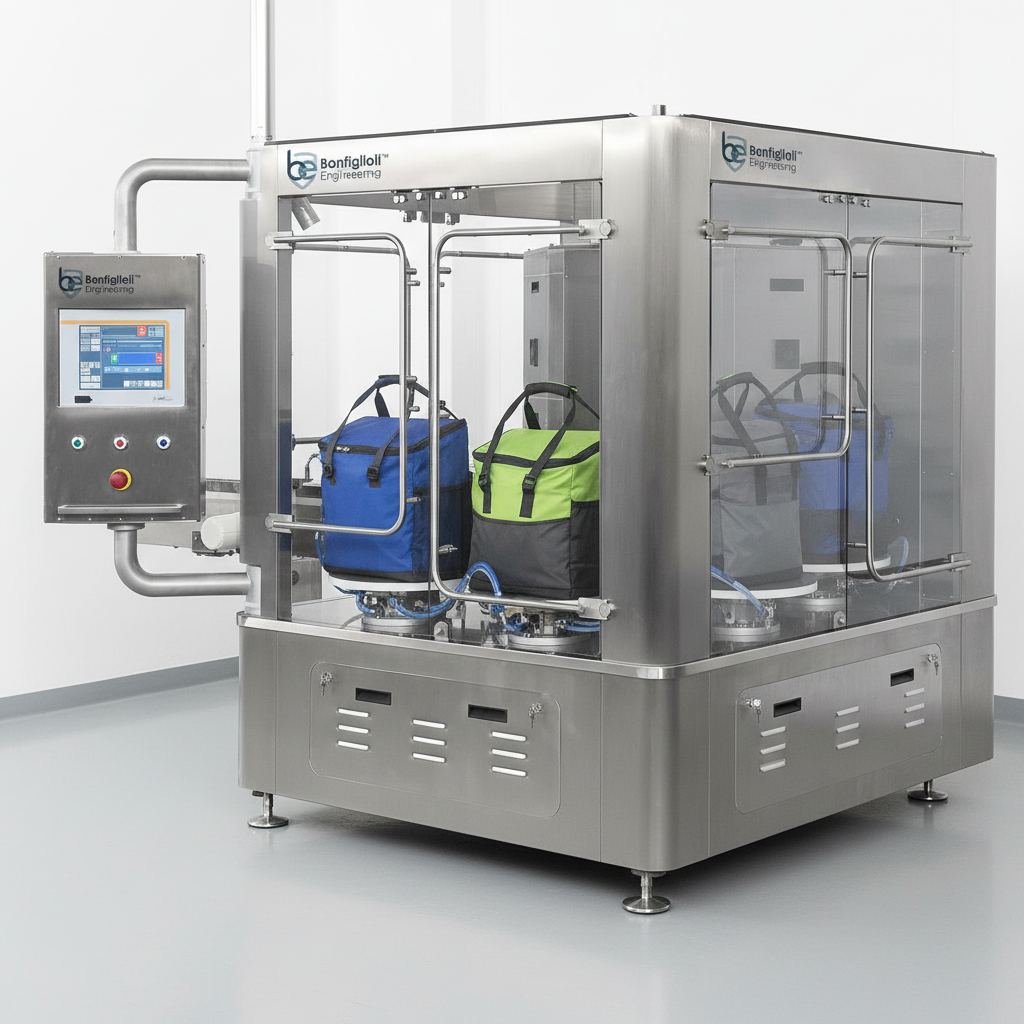
Print inspection is the strongest use case. A camera system mounted on the printing or heat-transfer line compares every bag against a golden reference image and flags colour drift, missing screen layers, smears and misaligned logos at line speed. The detection threshold sits well below what a human eye catches at 40 bags per minute, and the system records every flagged image, which turns inspection from sampling into full coverage.
Dimensional checking is the second proven case. Bags are cut and sewn to tolerances of plus or minus a few millimetres on critical seams, and a vision system with a calibrated camera measures handle length, body width and seam placement on every piece or on a defined sample rate. The measurement is objective and repeatable, where manual measurement varies between inspectors and between shifts.
Stitch density and thread breaks round out the working set. A camera with sufficient resolution counts stitches per centimetre and flags skipped stitches and broken threads on the seam line. The inspection depth that computer vision research describes, as published in the machine vision literature indexed by bodies such as the IEEE, has reached the point where surface and pattern defects are detection problems with known solutions, and the open-source tooling behind most deployed systems sits in the OpenCV library that factories and integrators build on.
Where Human Inspectors Still Win
Seam strength is a destructive test: the only way to verify a seam holds 30 kg is to pull it, and a camera cannot do that. Zipper function is a tactile test: the feel of a zipper running smoothly, the resistance at the pull, the seating of the slider, all sit in human hands and in the lab. Fabric hand and drape are subjective properties that buyers specify in words, and no current vision system grades them.
The practical boundary is this: vision systems inspect what light reflects, and destructive, tactile and subjective properties do not reflect. A factory that claims camera-based seam strength testing is marketing, not inspection, and the buyer should ask for the pull test certificate instead.
Deployment Realities: Cost, Training Data and False Positives
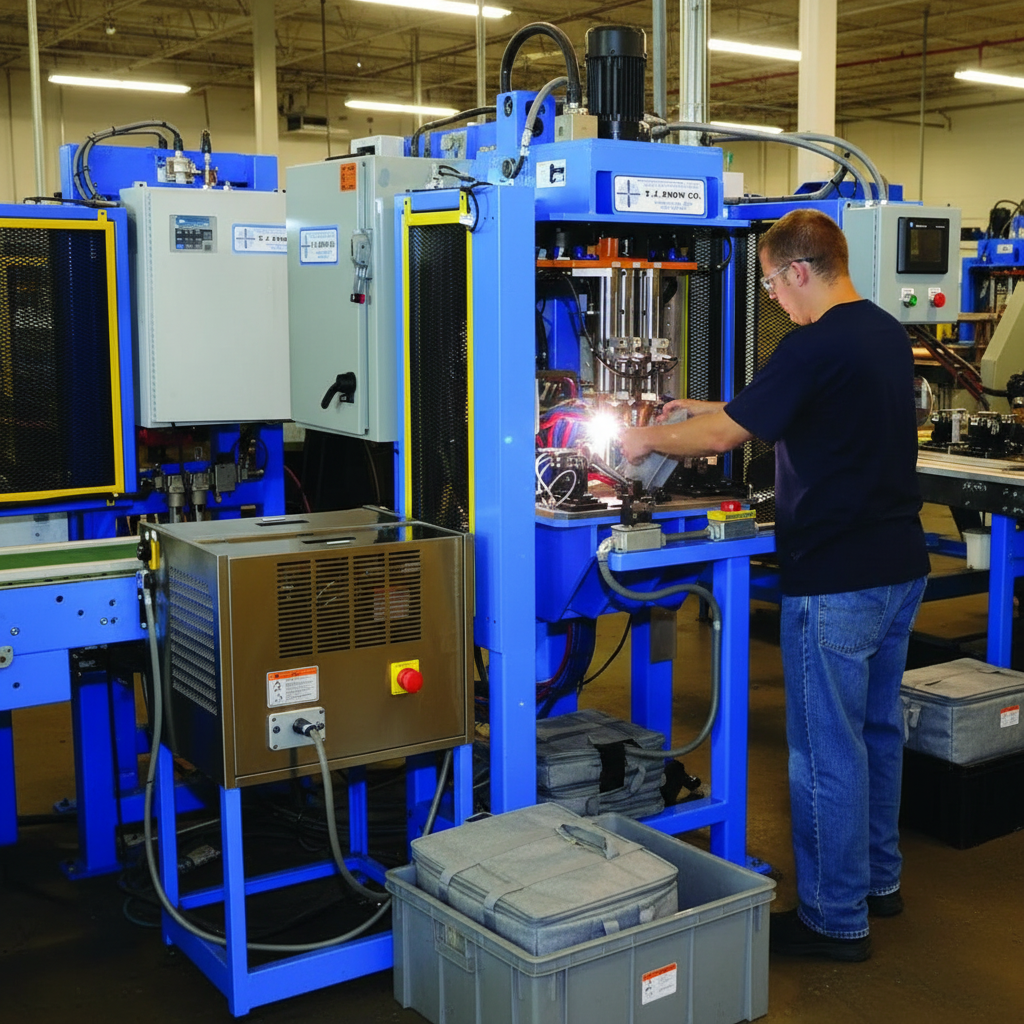
A single-station print inspection system runs USD 8,000 to USD 25,000 depending on camera grade and software licence, which prices it into factories running continuous lines rather than batch job shops. The bigger cost is training data: the system needs hundreds of labelled defect images per defect class before it reaches production accuracy, and a factory that just bought the hardware is still months from reliable detection.
False positives are the operational tax. A system tuned too tight flags 5 to 10 percent of good bags, and every flag stops the line for a human review that erases the speed benefit. Factories tune the threshold so the false-positive rate lands near 2 to 3 percent, which means the system catches the gross defects automatically and routes borderline cases to the human inspector who already stood at the end of the line. The honest framing is augmentation, not replacement: the camera extends the inspector’s coverage, and the inspector remains the final decision on every flagged piece.
What Buyers Should Ask a Factory About Its Vision QC
Four questions separate deployed systems from brochure claims. What defects does the system detect, and what is the per-class detection rate at what false-positive rate? How many labelled samples trained the current model? Which inspection points run under the camera, and which remain manual? And can the factory export the inspection log for your order, with the flagged images? A factory that answers all four with numbers is running a real system; a factory that answers with the word “AI” is running a website. For the materials and construction specs that inspection verifies, see the materials guide.
Часто задаваемые вопросы
What defects can computer vision catch on bags?
Print defects such as colour drift, smears and logo misalignment, dimensional drift on handle and seam placement, and stitch density with skipped stitches and thread breaks.
Can cameras test seam strength?
No. Seam strength is a destructive pull test, zipper function is tactile, and fabric hand is subjective. These checks stay with human inspectors and lab equipment.
What does a vision inspection station cost?
A single-station print inspection system runs USD 8,000 to 25,000, plus the labelled training data the system needs to reach production accuracy.
How many good bags get flagged by mistake?
Well-tuned systems run 2 to 3 percent false positives. Tighter thresholds flag 5 to 10 percent of good bags and slow the line with human reviews.



0 комментариев