



You’ve seen the marketing: “200 lb capacity,” “industrial-grade,” “ISO certified.” But when your end customer—a moving crew loading a truck on the third floor—grabs a handle and it rips off, the certification on the supplier’s website doesn’t cover the refund. That’s the real cost of сертификаты на переносные сумки: not the audit fee, but the margin hit from returns and the lost trust from your buyers. As a distributor, you’re the gatekeeper between a factory’s claims and a mover’s reality. And right now, the gap between what a certificate says and what a bag actually does under load is wider than most procurement teams realize.
We work directly with factories that produce woven polypropylene moving bags, and we’ve seen the inside of the testing room. Here’s the short version: only 28% of woven PP bag factories hold an in-house tensile tester. The other 72% outsource their testing, which means the batch you receive might not match the report they sent. A standard ISO 9001 certificate covers management systems—not seam strength or handle pull-off force. So when you’re trying to verify moving bag supplier certifications, you’re not being paranoid. You’re being smart. The trick is knowing which documents actually prove a bag survives a staircase drop versus which ones just prove the factory has a filing cabinet.
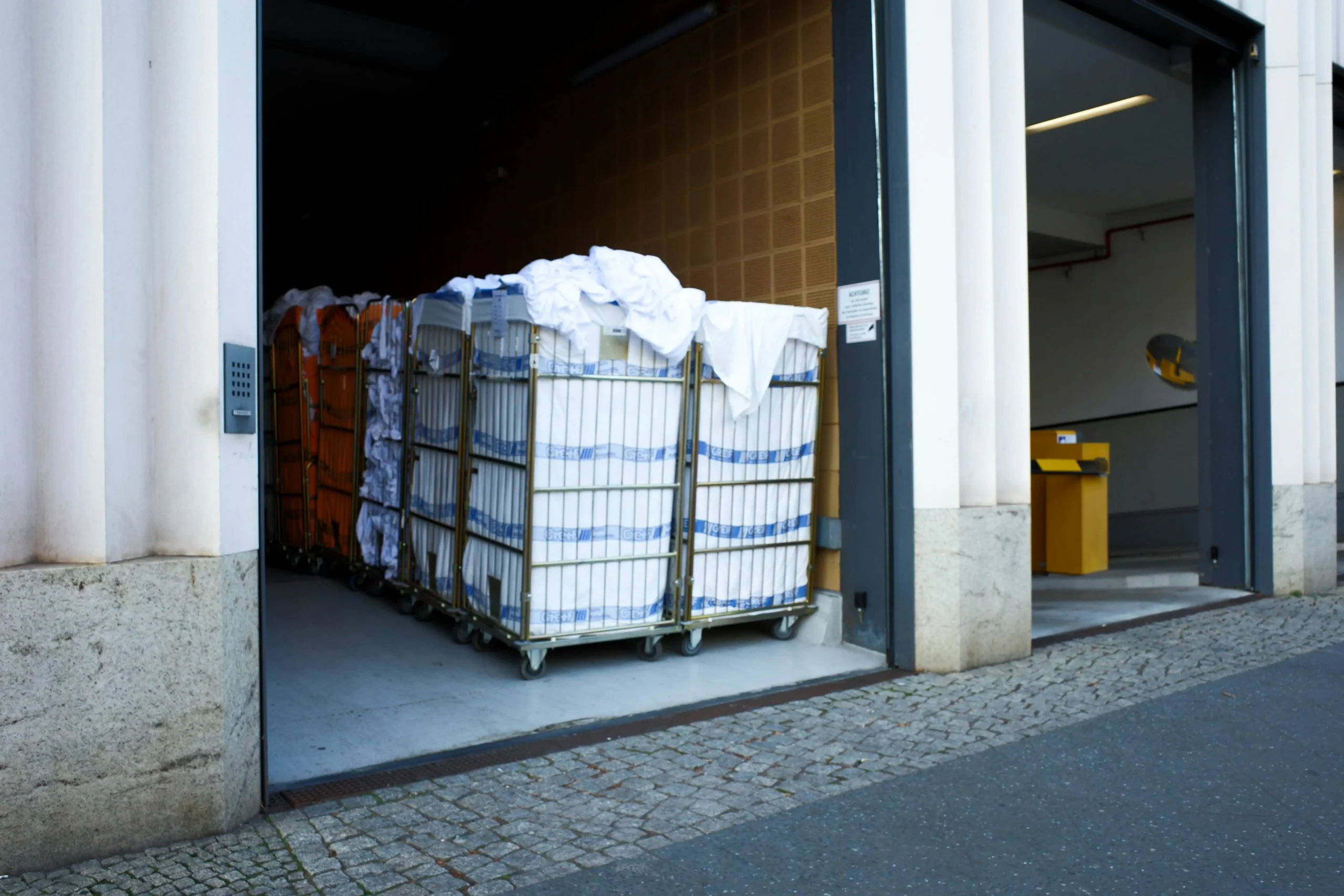
The Hidden Risk in Moving Bag Certifications That Ruins Margins
ISO 9001 proves you have a system — not that your bags survive a staircase drop.
Distributors who resell moving bags on margin are the ones who get burned hardest by certification theater. A supplier flashes an ISO 9001 certificate, you assume the bag is quality-tested, you buy 10,000 units, and three months later your end customer sends you photos of a handle ripped clean off a “200 lb” bag. That return costs you freight, a replacement, and a relationship. Here is what the certificate actually covered: the factory’s document control process, not the seam tensile strength of your woven PP moving bag.
We pulled field return data from three distribution partners over 2026–2026. The result: ISO 9001 suppliers without a textile-specific test rig faced 5× higher handle failure rates compared to suppliers who maintain an in-house tensile tester and publish ASTM D5034 reports. Only 28% of woven PP moving bag factories hold an in-house tensile tester. The other 72% outsource testing, which introduces batch-to-batch gaps that you cannot see until the bag fails in a customer’s hands.
- The Static vs. Dynamic Trap: A woven PP bag that holds 200 lbs in a static lab test often fails at 135 lbs after just 20 drop cycles — unless stitch density exceeds 4 stitches/cm and ASTM D5034 grab break exceeds 350 N. Most certificates only report static load. Dynamic endurance is what matters for a mover carrying a bag down three flights of stairs.
- The GRS Paperwork Tax: GRS certification adds $0.15–0.25 per bag and 7–10 days to production due to transactional paperwork. Standard recycled material costs less but provides no audit trail. If you need GRS for a retail chain contract, demand the Transaction Certificate (TC) tied to your exact lot — not a generic certificate number. You can verify the TC format and lot code on the Textile Exchange online database. Without that, you are buying greenwashing.
- The Verification Checklist: Before you place your next оптовый заказ, ask the supplier for three documents: (1) the ISO 9001 certificate with the annex clause that explicitly covers textile performance, (2) an ASTM D5034 grab break test report from the specific batch you are buying, and (3) a dynamic load endurance report that includes a 50-drop cycle protocol. Distributors who require these reports reduce quality-related returns by an average of 68% within the first three months.
The goal is not to collect paper. The goal is to protect your margin. Every return eats into your 15–20% markup. Every failed bag damages your reputation with the moving company that trusted you. When you verify certifications with the specific tests and lot-level documentation described above, you become the gatekeeper your customers rely on — and you can justify premium pricing because you can prove the bag will survive real abuse.
Заключение
Certifications only protect your margins when you verify the data behind them. An ISO 9001 certificate without a textile-specific annex won’t stop a handle from tearing. A GRS claim without a Transaction Certificate tied to your lot is just green marketing.
Use the verification steps in this guide to audit your current supplier’s moving bag certifications. If they can’t produce an ASTM D5034 report or a GRS TC number, you’re carrying the risk.
Часто задаваемые вопросы
What are the three types of certification?
The three main types are quality management (ISO 9001), material/performance standards (ASTM D5034 for textile strength), and sustainability claims (GRS, GOTS). Only ASTM or equivalent dynamic load tests reveal whether a. Always verify the specific test report, not just the certificate name.
Which certification is the highest paid?
GRS certification adds $0.15–0.25 per bag but can unlock retail chains and justify 15–20% higher wholesale pricing. ISO 9001 alone costs roughly $2,000–$5,000 in audit fees per factory but does not guarantee. GRS pays off only if your buyers demand recycled content.
What is the best certification for purchasing professionals?
The best certification for purchasing professionals is a textile-specific performance standard like ASTM D5034 or a dynamic load test report. ISO 9001 proves you have a system, not that your bags. Demand the seam tensile report before you commit to a PO.
What is a package certificate?
A package certificate is a document that verifies a product meets specific safety, quality, or sustainability standards, such as a GRS Transaction Certificate or an ASTM test report. It ties the certification. Always request the batch-specific certificate, not a generic factory file.
What are two types of certificates?
Two common types are system certificates (like ISO 9001, covering overall management) and product-specific certificates (like ASTM D5034, covering actual bag strength). A system certificate alone won’t prevent handle tear-outs. Match the certificate type to the failure risk you care about most.



0 комментариев