



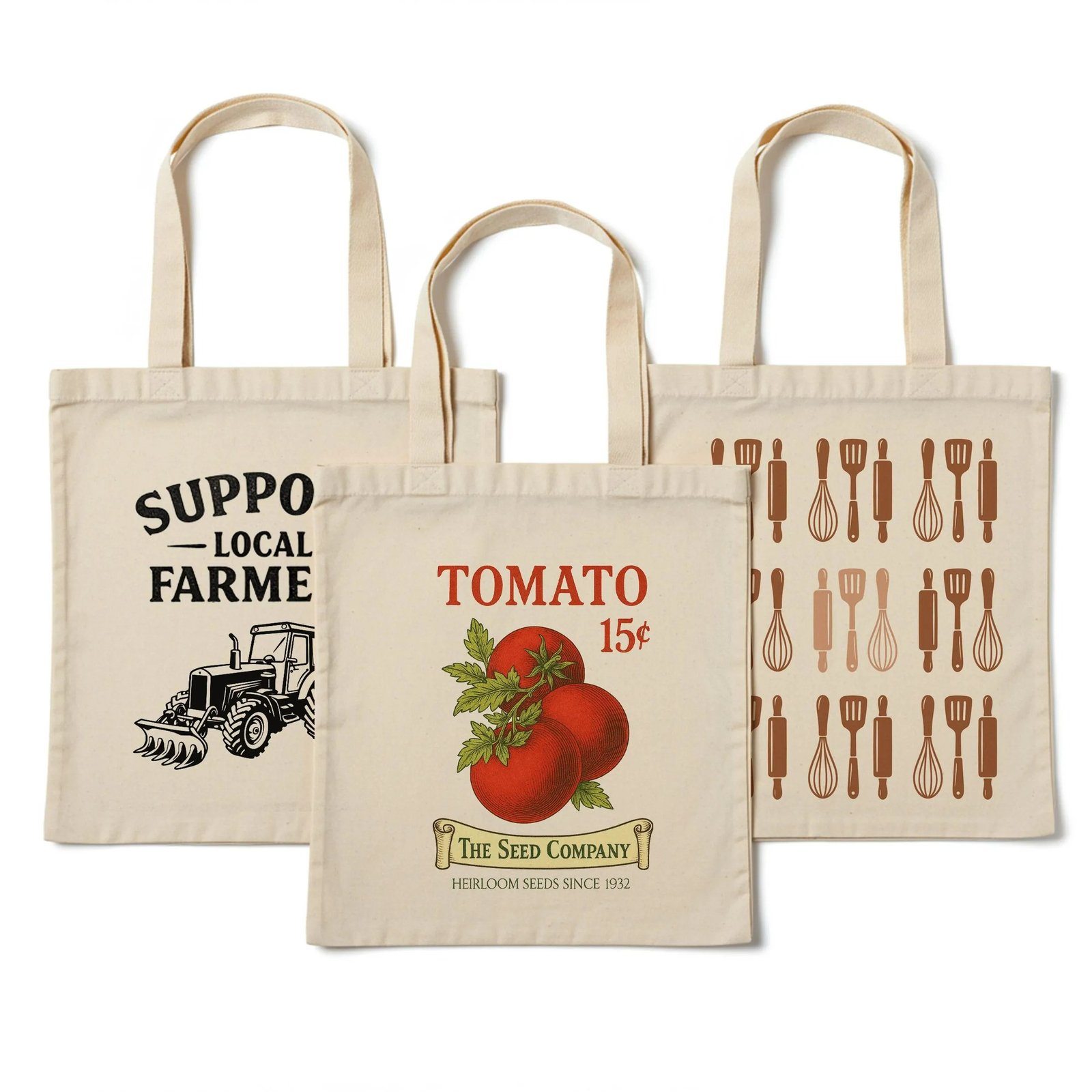
A customer opens the bag before they use it. That first look at the inside is the moment where a program either looks finished or looks like packaging. Interior branding is the cheapest unclaimed surface in most bag ranges, and it is usually left empty because it is invisible on the specification sheet.
This guide covers the options for interior finishes, what each costs in production terms, and how to specify them so they match the exterior rather than fighting it.

Why the Interior Matters
Exterior branding is designed to be seen at a distance, which means it competes with the shelf, the packaging and every other item on display. Interior branding is seen at close range, in a private moment, which is why even a small print or a contrasting lining registers strongly with the person opening the bag.
The second reason is that the interior carries different information. The exterior says what the brand is; the interior can say how the brand behaves, through a care note, a message or a detail that rewards attention. Bags that do this well feel expensive at a lower unit cost than adding hardware or trim on the outside.
The third reason is differentiation. Interior treatments are less common than exterior ones, so a program that invests there stands out without following a trend everyone else is following.
The Options and What They Cost
Four options cover most briefs. A contrasting lining fabric, which is the most visible and the most expensive because it adds a full layer of material and the labour to fit it. An interior print on the existing lining or the reverse of the outer panel, which adds ink and press time but no material. A small label or woven tag inside, which is inexpensive and carries care information as well as the brand. And an interior pocket or detail, which adds both material and labour but delivers the strongest functional impression.
Weight and bulk follow cost. A full lining makes a tote heavier and less packable, which matters for programs that ship flat or that expect the customer to fold the bag. Where the bag is a reusable shopping bag or a moving bag, the interior treatment should respect the same practical constraints as the exterior.
Colour fastness matters more inside than out, because the lining rubs against the product it carries. Textile colourfastness testing is an established method with published procedures in the ASTM standards library, and a lining that transfers colour onto a garment is a complaint the brand owns.

Specifying an Interior Treatment
The specification names the treatment type, the material or ink reference, the position and the size. For printed interiors it should also state whether the print is on the lining or the reverse of the outer panel, because the two read differently through the fabric.
Then it should state the fastness requirement. For a lining that will contact garments or food packaging, the rubbing and washing performance should be tested, and the result recorded. This is a small line in the specification that prevents a large category of complaint.
Finally, the specification should state the assembly implication. An interior print on a panel has to be applied before the bag is built, which changes the production sequence and the sampling plan. Programs that add interior branding later in development often find the sequence has to be reworked, along with the sampling.
Where It Pairs With Other Details
Interior branding works best when it is coordinated with the bag’s other details rather than added alone. A lining colour that echoes the exterior print, a woven label that repeats the care message, a hang tag that continues the story on the outside, all reinforce one impression rather than competing.
The practical method is to design the complete package at once: exterior print, interior treatment, label and tag. Programs that do this produce a coherent item; programs that add pieces separately produce an item that looks assembled. The tag and insert side of the package is covered in our notes on hang tags and inserts.
It is also worth keeping the interior treatment consistent across a range. A brand that uses a signature lining in its shopping bags can extend the same lining to totes and pouches, which builds recognition at a lower cost than reprinting an identity on each item. Premium gift formats add their own structural considerations, covered in gift bag structures, and the heavier tote weights that suit a lined interior are explained in canvas tote weight.
Making It Production-Ready
Interior treatments need a first article that shows the inside, not only the outside. Ask for photographs of the opened bag, the lining seam and the label placement, because these are the details that vary between the sample room and the line.
They also need a decision on consistency. A lining fabric is a batch material, so colour matching between lining batches should follow the same approval discipline as the exterior, which usually means a recorded reference rather than a verbal match. The retail branding program that coordinates interior and exterior elements is described in our retail and branding solutions.
If you want the interior designed with the rest of the package, our retail branding team can specify the lining, print, label and tag as one coordination set with the fastness tests documented.
Часто задаваемые вопросы
What is the cheapest interior branding?
A small interior label or a woven tag. It costs little and can carry care information as well as the brand.
Does a lining add significant cost?
Yes. A full lining adds a layer of material and the labour to fit it, plus weight and bulk that affect packing.
Why does colourfastness matter inside?
The lining rubs against carried products. A lining that transfers colour creates a complaint the brand owns.
When should interior print be applied?
Before assembly, on the lining or the panel. This changes the production sequence and the sampling plan.
What should the first article show?
Photographs of the opened bag, the lining seam and the label placement, not only the exterior.
Video: Factory Direct Pricing and Lead Times for Export Orders
If you want the interior of your bags to work as hard as the outside, our retail branding team can specify lining, print, label and tag as one coordinated set with fastness tests documented.


0 комментариев