Skip to content

Decoding Plastic: PVC vs. PE vs. PP Explained
Selecting the right polymer is critical for product performance and cost. Each material—PVC, PE, and PP—offers a distinct profile, and a poor choice can lead to products that crack under stress or fail in cold conditions. This guide provides the data sourcing agents need to make an informed decision.
We compare each plastic’s temperature resistance, recyclability, and ideal thickness (mil). This helps you specify the right material for any application, from flexible packaging to durable industrial components.

Clarity vs. Flexibility: Which Material Wins?
When choosing a transparent material, the winner depends on the application. Polycarbonate offers superior clarity and unmatched impact resistance, making it ideal for high-performance uses where durability is critical. Acrylic provides better workability, serving as a cost-effective option for displays where extreme strength is not required.
Material Showdown: Polycarbonate vs. Acrylic
For sourcing agents, selecting the right transparent polymer comes down to performance metrics. This table breaks down the key differences between polycarbonate and acrylic based on material properties.
| Property | Polycarbonate | Acrylic |
|---|---|---|
| ✅ Impact Resistance | Virtually unbreakable. Over 30 times stronger than acrylic and 250 times stronger than glass. | Strong, but can shatter under high impact. |
| Optical Clarity | ✅ Excellent clarity, especially in thicker sheets where it maintains its light transmission better. | Slightly better initial light transmission, but can yellow over time with UV exposure if not treated. |
| Temperature Performance | ✅ Performs well in a wide range of temperatures and does not become brittle in cold conditions. | Can become brittle and crack in colder environments. |
| Weight | Approximately 50% lighter than glass. | Also about 50% lighter than glass. The difference between the two plastics is negligible. |
Application-Specific Recommendations
Your end-use dictates the best material choice. Durability, cost, and fabrication needs are the primary factors to consider.
- ✅ Choose Polycarbonate for: High-impact applications where safety and durability are non-negotiable. This includes safety shields, security glazing, automotive components, and high-performance lenses. Its strength justifies the higher cost in demanding environments.
- ✅ Choose Acrylic for: Cost-effective projects where formability and aesthetics are key. It’s a great fit for retail point-of-purchase displays, signage, decorative fixtures, and enclosures where extreme impact resistance is not required.
Considering Other Alternatives: PETG & PVC
While polycarbonate and acrylic are popular, other polymers might better suit specific fabrication needs.
- 💡 PETG (Polyethylene Terephthalate Glycol): A good middle-ground option. It offers better impact resistance than acrylic and is easier to thermoform than polycarbonate, making it a strong choice for complex parts that require vacuum forming or die-cutting.
- 💡 PVC (Polyvinyl Chloride): Primarily known as a cost-effective and chemically resistant material. It’s a versatile option for industrial applications but offers lower optical clarity and heat stability compared to both polycarbonate and acrylic.
The “Crackle” Test: Avoiding Cheap, Noisy Plastic
💡 Quick Answer: The “crackle test” is an industrial method for detecting water in oil, not a standard test for plastic quality. To properly evaluate and avoid cheap, noisy plastics, sourcing agents should rely on material data sheets, physical stress tests, and supplier certifications.
As a sourcing agent, you might hear colloquial terms for quality checks. One such term that can cause confusion is the “crackle test.” While it sounds like a practical way to identify brittle plastic, the term has a very different and specific industrial meaning. Relying on sound alone can lead to poor material selection and product failures.
Here’s a clear breakdown of what the real test is and the professional methods you should use instead.
Understanding the Real “Crackle Test”: An Oil Analysis Method
The formal “crackle test” has nothing to do with plastics. It is a well-known, simple screening method used in machinery maintenance to detect water contamination in lubricating oils, hydraulic fluids, and diesel fuels.
The process is straightforward: a small sample of oil is placed on a hot plate heated to around 160°C (320°F). If water is present, it will boil rapidly, creating an audible crackling or sizzling sound. This serves as a quick, qualitative field test to determine if a more precise laboratory analysis is needed. It’s effective for its purpose but completely unrelated to assessing polymer durability.
Why the ‘Crackle Test’ Doesn’t Apply to Plastic Sourcing
❌ There is no standardized, formal “crackle test” for evaluating plastic quality in manufacturing or procurement. The term is most likely a descriptive shortcut for the sound cheap, brittle plastics make when bent or stressed. This noise often indicates poor elasticity and a higher chance of fracture.
Relying on such a subjective measure is risky for professional procurement. The sound can vary based on the product’s shape, thickness, and ambient temperature. It is not a reliable metric for quality assurance and cannot replace proper material analysis.
Effective Methods for Assessing Plastic Durability
To ensure you source high-quality, durable plastic components like those used in heavy-duty bags or industrial packaging, use professional vetting methods. In our experience manufacturing robust storage solutions, these three steps are critical:
- ✅ Review Material Data Sheets (MDS): This is your primary source of truth. Look for key specifications like tensile strength, impact resistance (Izod or Charpy), and material grade. For example, a data sheet will clearly define if a material is virgin polypropylene (PP) or a lower-grade recycled blend, which directly impacts durability and performance.
- ✅ Request Physical Samples for Stress Tests: Data sheets are essential, but a physical sample tells the practical story. Perform simple but effective tests: bend it, twist it, and apply a reasonable load. High-quality plastic should flex without showing stress marks (whitening) or fracturing. This helps you assess brittleness far more accurately than sound alone.
- ✅ Verify Supplier Certifications: Reputable manufacturers validate their processes and materials through third-party audits. Look for certifications like ISO 9001 (quality management) or BSCI (ethical sourcing). These standards ensure the supplier adheres to consistent production protocols, from raw material sourcing to final product inspection, giving you confidence in the material’s reliability.

Temperature Resistance: Which Plastic Cracks in Cold?
Quick Answer: In cold temperatures, plastic molecular chains shrink and become more crystalline, which increases brittleness. Plastics like PET, polystyrene, and unmodified PVC are prone to cracking. In contrast, materials such as PEEK, polyurethane, and HDPE maintain flexibility and are ideal for cold environments.
Why Cold Temperatures Make Plastics Brittle
When plastics are exposed to cold, their molecular structure changes. The long polymer chains that give plastics their flexibility begin to shrink and pack together tightly, often forming rigid, crystalline structures. This process reduces the material’s ability to absorb impact and move freely.
Every plastic has a specific glass transition temperature (Tg). Below this temperature, the material loses its rubbery, flexible properties and becomes hard and brittle. Plastics with naturally flexible polymer chains handle this transition better than those with inherently rigid molecular structures.
Common Plastics That Fail in Low Temperatures
Not all plastics are suitable for cold-weather applications. Sourcing agents should be cautious of materials known to lose their structural integrity when temperatures drop. Key materials to avoid include:
- ❌ Polyethylene Terephthalate (PET): Often used in beverage bottles, PET becomes very brittle and can easily fracture under stress in the cold.
- ❌ Polystyrene (PS): Known for its poor performance in low temperatures, polystyrene quickly becomes fragile and is not reliable for cold-chain or outdoor use.
- ❌ Unmodified Polyvinyl Chloride (PVC): While its performance can be improved with special additives, standard PVC becomes rigid and is prone to cracking in cold conditions.
High-Performing Plastics for Cold Environments
For applications demanding reliability in cold climates, selecting the right material is critical. Certain plastics are engineered to maintain their flexibility and strength even when temperatures plummet. In our experience, materials proven in industrial applications offer the best performance.
💡 Key materials that excel in the cold include:
- ✅ PEEK: An excellent choice for extreme conditions, PEEK maintains its superior mechanical properties even at temperatures as low as -50°C.
- ✅ Polypropylene (PP) and HDPE: These plastics offer a great balance of flexibility, durability, and cost-effectiveness. Their resilience is why they are trusted for heavy-duty industrial bags and storage solutions that must perform in varied climates.
- ✅ Polyurethane (PU): Known for its outstanding flexibility and impact resistance, PU is a reliable choice for moderately cold environments.
- ✅ Specialized Plastics: Fluoropolymers like PTFE and certain grades of ABS (down to -20°C) also retain their essential properties in frigid temperatures.
Verifying and Enhancing Cold Resistance
Ensuring a plastic’s performance in cold environments involves both enhancement during production and verification through testing. To guarantee a material meets your project’s specifications, consider these factors:
- Material Additives: Manufacturers often blend base polymers with plasticizers, impact modifiers, and stabilizers. These additives disrupt the formation of rigid crystalline structures, helping the plastic remain flexible at lower temperatures.
- Standardized Testing: Don’t rely on datasheets alone. Request verification through standardized tests like ASTM D 1790, which specifically measures the brittleness temperature of plastics. This data provides clear evidence of a material’s low-temperature performance.
- Application-Specific Sourcing: The right choice depends entirely on the operational temperature range. A material for a moderately cold warehouse will have different requirements than one used in cryogenic conditions. Always define your temperature needs first.
Reliable Heavy-Duty Moving Bags, Built for Your Brand
Our bags are engineered for professional use, featuring reinforced handles that hold up to 25 kg and durable, water-resistant fabrics. We offer full OEM/ODM support, allowing you to customize everything from size and color to your company logo. Get a free digital mockup in 12 hours and start your production with flexible low MOQs.

Eco-Friendliness: Which Clear Plastic is Recyclable?
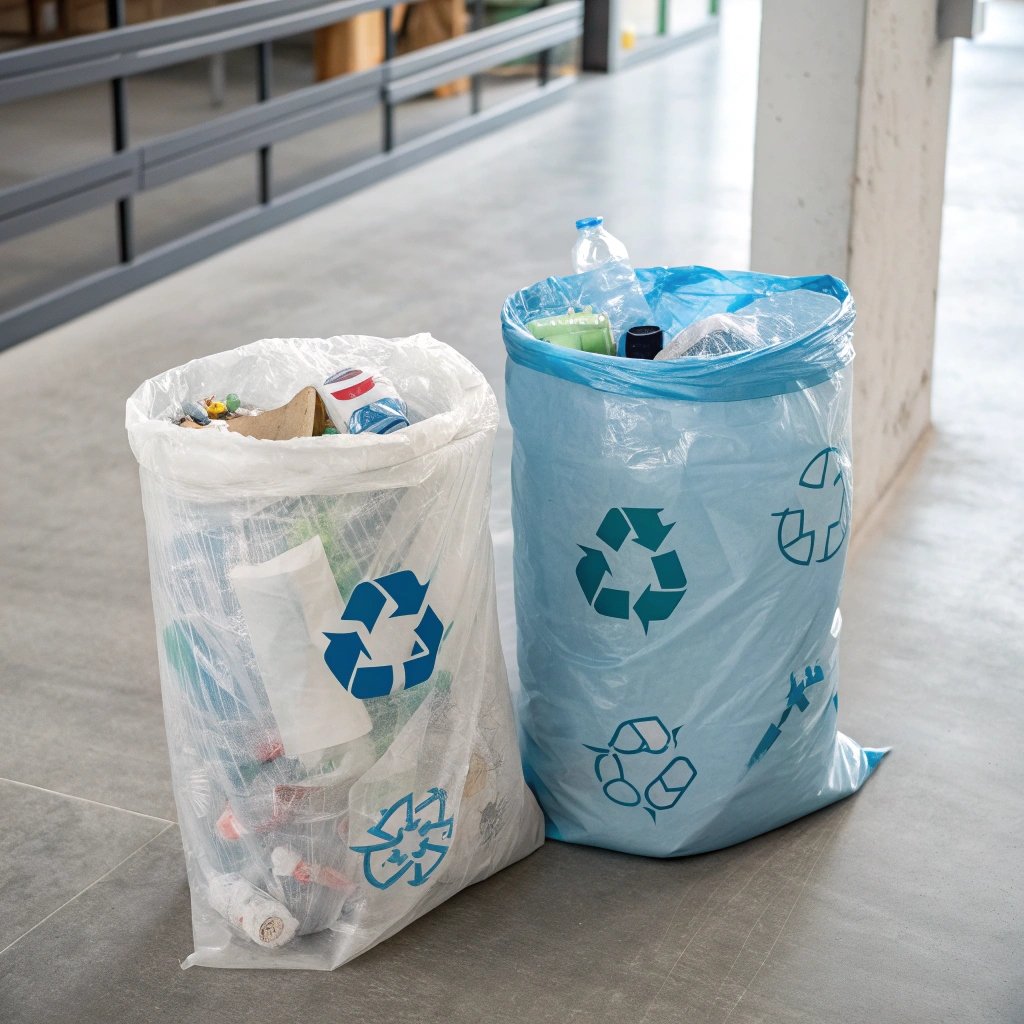
For sourcing agents prioritizing eco-friendliness, the primary recyclable clear plastics are PET (#1) and HDPE (#2). PET is the most widely recycled plastic globally and is accepted by nearly all curbside programs, making it the superior choice for sustainable packaging.
Understanding which plastics are actually recycled—not just technically recyclable—is key to making responsible sourcing decisions. The number inside the chasing arrows symbol identifies the plastic type, but real-world infrastructure determines its fate.
✅ Best Choices for Recyclability: PET (#1) & HDPE (#2)
When sustainability is a top priority, PET and HDPE are the most reliable choices. These plastics have established collection and processing systems, making them valuable commodities in the recycling market.
- PET (Polyethylene Terephthalate) #1: As the most recycled plastic in the world, PET is the gold standard. It is 100% recyclable and accepted by nearly every curbside program.
- HDPE (High-Density Polyethylene) #2: This plastic also boasts a high recovery rate thanks to its simple chemical structure, making it easy to process.
- A Reality Check: While both are fully recyclable, actual recycling rates in the US hover around 30-31%. This highlights a gap between a material’s potential and current consumer and system practices.
⚠️ Technically Recyclable but Problematic: LDPE (#4) & PP (#5)
Some plastics are recyclable in theory but face significant hurdles in practice. Sourcing agents should be cautious when considering these materials for products marketed as eco-friendly, as they often end up in landfills.
- LDPE (Low-Density Polyethylene) #4: Commonly used for films and flexible bags, LDPE is rarely accepted in curbside bins because it tangles and jams sorting machinery.
- PP (Polypropylene) #5: Though durable for reusable items, its recycling rate for single-use packaging is extremely low in the US (around 1-3%). The infrastructure to collect and recycle it at scale is not widely available.
Due to these practical limitations, LDPE and PP are not dependable choices for easily recyclable packaging solutions.
❌ Plastics to Avoid: PVC (#3), PS (#6) & Other (#7)
These materials should be avoided entirely for packaging if recyclability is a goal. They are not processed by standard curbside programs and can actively harm the recycling stream.
- Contamination Risk: PVC (#3), Polystyrene (#6), and plastics labeled as Other (#7) create major environmental problems and are considered contaminants in recycling facilities.
- Magnified Impact: A single PVC bottle can contaminate an entire half-ton batch of PET, rendering the whole lot unusable and destined for a landfill. These materials disrupt and devalue the recycling process for truly recyclable plastics.

Heavy Duty Specs: Choosing the Right Thickness (Mil)
Choosing the right mil thickness is crucial for material performance. A mil, equal to one-thousandth of an inch (0.001″), directly indicates a material’s strength and durability. Higher mil counts mean thicker, more robust materials for heavy-duty applications, while lower values suit light-duty tasks.
Understanding Mil Thickness and Its Importance
In industrial and commercial sourcing, precise specifications matter. A “mil” is a standard unit of measurement used to define the thickness of materials like plastic sheeting and laminated fabrics. It’s equivalent to exactly one-thousandth of an inch (0.001″).
This measurement isn’t just a technical detail—it’s a direct indicator of performance. A higher mil value means the material is thicker, which translates to greater tensile strength, better durability, and increased resistance to punctures, tears, and abrasion. For sourcing agents, the mil count is a key factor in determining if a material can withstand its intended operational stress, from a simple dust cover to a heavy-duty moving bag designed to hold 25 kg of inventory.
Mil Thickness Classifications by Use Case
Different applications demand different levels of durability. Matching the mil thickness to the job ensures you get the performance you need without overspending on unnecessary material weight. Here is a general breakdown of common classifications.
| Classification | Mil Range | Common Applications |
| ✅ Light-Duty | 3-6 Mils | Temporary dust covers, paint drop cloths, short-term indoor protection. |
| ✅ Moderate Use | 6-10 Mils | Seasonal outdoor coverings, general construction tasks, vapor barriers. |
| 🚀 Heavy-Duty | 10-20 Mils | Protecting equipment on construction sites, withstanding severe weather, long-term storage. |
| 🚀 Extreme/Industrial | 20+ Mils | Long-term industrial use, harsh environmental exposure, specialized liners. |
A Framework for Choosing the Right Thickness
As manufacturers, we guide clients through a simple evaluation to select the perfect material specs. You can use this same framework to ensure your choice is both effective and economical.
- 💡 Assess the Environment: Is the material for indoor or outdoor use? Sheltered indoor applications can often succeed with lower mils (3-6), but outdoor use with exposure to sun, wind, and rain demands a minimum of 10+ mil thickness for reliable performance.
- 💡 Consider the Duration: How long does the material need to last? For a temporary job lasting a few days, a light-duty material is fine. For long-term or permanent use spanning months or years, you should specify higher mil counts (16+) to prevent degradation.
- 💡 Evaluate Application Demands: What is the material protecting? Light commercial tasks might be fine with 5-8 mils. But if you are protecting valuable equipment or creating reusable bags for logistics, a 10-20 mil thickness provides the necessary puncture and tear resistance to handle repeated use and heavy loads.
Material-Specific Mil Requirements
The ideal mil thickness also depends on the base material itself, as different polymers offer distinct properties. For example, the standards for a simple tarp differ from those for a regulated environmental liner.
- Vinyl Tarps: Vinyl is a premium, heavy material known for its high UV and weather resistance. For industrial and agricultural uses, a thickness of 16 mils or more is a common specification to ensure it holds up to constant, harsh exposure.
- Construction-Grade Plastic & Coatings: For applications like vapor barriers, a 6 mil thickness is often the standard. In our experience with engineered fabrics like woven polypropylene, a similar principle applies to the PE lamination. Even a thin coating adds significant water resistance, but a thicker coating will provide superior durability for bags intended for repeated heavy use in logistics and moving. Regulations for specialized uses, like hazardous waste liners, can require specifications of 60+ mils.
Frequently Asked Questions
What is the strongest clear plastic?
Polycarbonate (PC) is recognized as the strongest clear plastic available. At the same thickness, it is over 200 times stronger than glass and 30 times stronger than acrylic, making it exceptionally impact-resistant.
Is PVC better than PE?
The choice depends entirely on the application. PVC is 2-3 times stronger and stiffer, which makes it ideal for projects needing structural rigidity. PE offers superior impact resistance, flexibility, and chemical resistance, making it better for uses that require bending and durability against the elements.
Are clear storage bags toxic?
Some clear storage bags can contain potentially toxic chemicals like PFAS (“forever chemicals”) that may migrate into food. Research has shown that 81% of tested plastic sandwich bag brands contained detectable levels of organic fluorine, a common marker for PFAS.
Can you recycle plastic storage bags?
Yes, but they cannot be placed in curbside home recycling bins. Plastic bags must be clean, dry, and taken to designated retail store drop-off locations. This prevents them from tangling and damaging standard recycling machinery.
What is the best material for clear bags?
Polypropylene (PP) is often the best choice for maximum clarity, rigidity, and a professional appearance. For applications where moderate transparency is sufficient, Low-Density Polyethylene (LDPE) is a more cost-effective and flexible option.
What is the difference between vinyl and plastic bags?
Vinyl is a specific type of plastic called polyvinyl chloride (PVC), while generic “plastic bags” are usually made from polyethylene. Vinyl is durable, waterproof, and often thicker, but it can become brittle and is generally considered less environmentally friendly than materials like polyethylene.
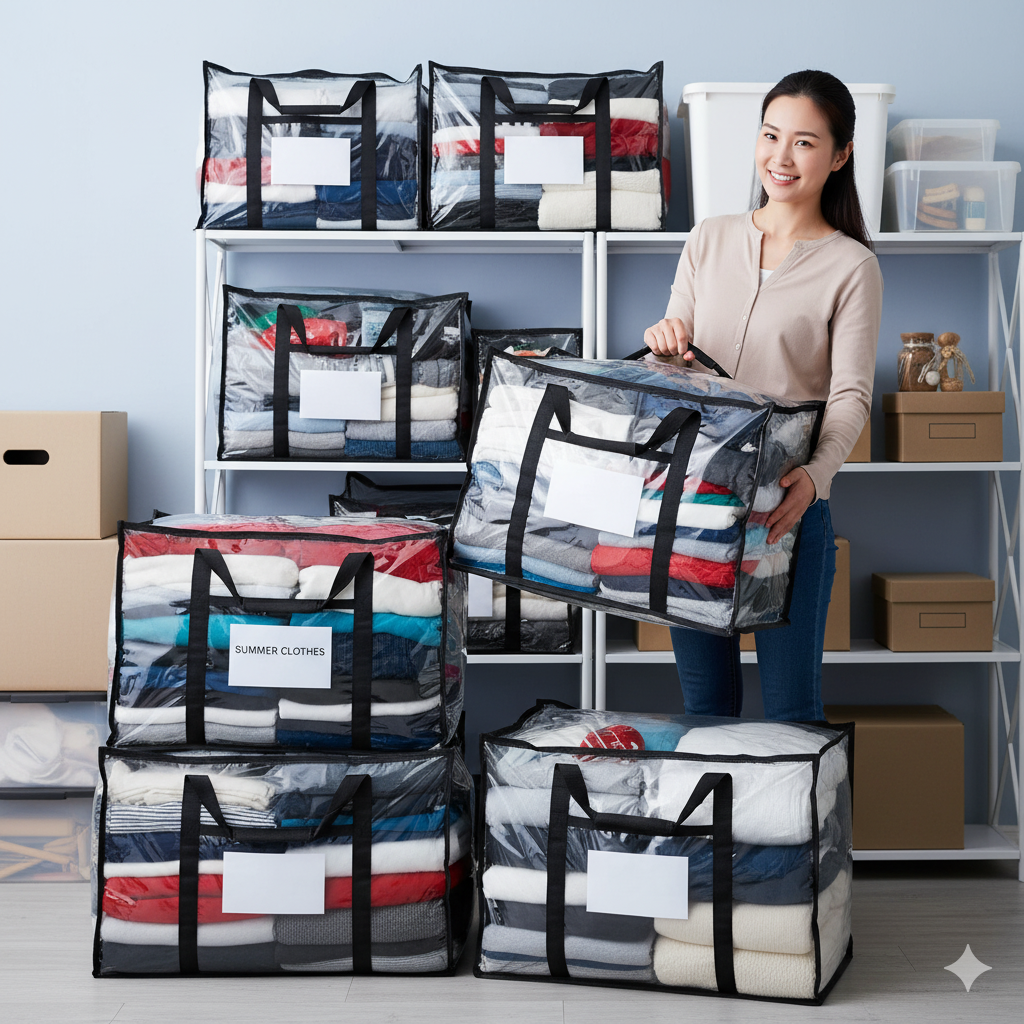
Final Thoughts
Choosing the right clear plastic goes beyond a simple comparison of PVC, PE, and PP. True material expertise means evaluating performance under specific conditions, from cold temperature resilience to the correct mil thickness for durability. Relying on professional methods like analyzing data sheets and conducting physical stress tests—instead of myths—ensures you select a polymer that meets precise application needs.
This detailed approach protects your final product’s integrity and prevents costly failures from brittle or inappropriate materials. By aligning material properties with your performance and sustainability goals, you build a more resilient supply chain. Working with a knowledgeable manufacturer simplifies this process, providing the data and samples needed to make confident sourcing decisions.