



You already know that comparing unit price alone is a trap. The real metric is packaging cost per shipment, and that formula includes factors most cardboard suppliers conveniently forget to mention. A direct factory for heavy-duty moving bags sees procurement managers every week who are burned by a low unit price that hides high replacement frequency, dimensional weight surcharges, and labor costs.
The problem is that traditional TCO calculators from generic packaging blogs ignore the two biggest cost drivers: reuse cycles and dim weight. A cardboard box at $1.20 looks cheap until you factor in that it fails after 1.5 uses, requires $0.35 in void fill per shipment, and adds 30-50% to freight costs because of its rigid shape. A heavy-duty moving bag at $4.50, certified to ASTM D5034 for 50+ cycles, flips that math completely. Client data shows a 52% reduction in cost per shipment over six months.
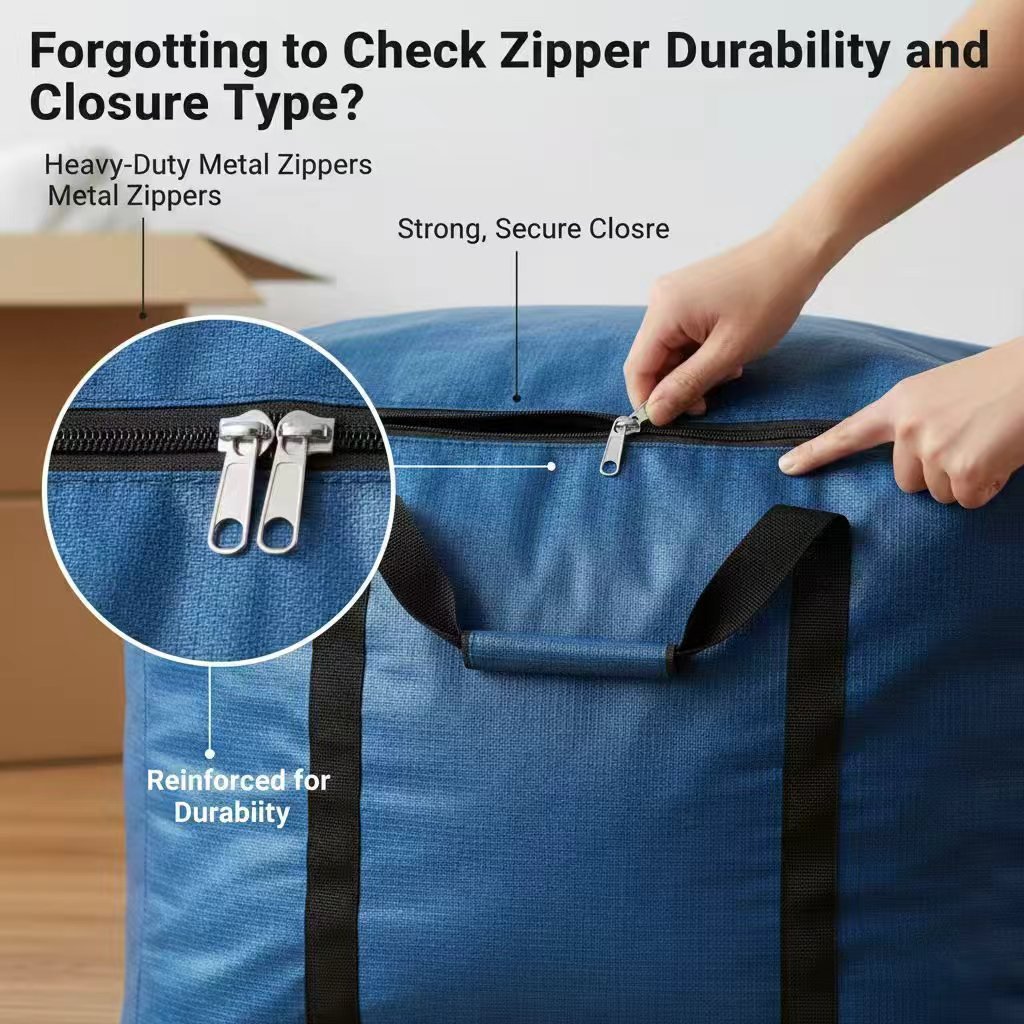
The Hidden Costs Your Box Supplier Is Not Telling You
Cardboard’s $0.80 unit price hides a 30-50% TCO tax.
Every veteran procurement manager knows the unit price trap, yet most cardboard suppliers still pitch a $0.80 box against a $4.50 bag as if that’s the full story. It’s not. Factory data from 2026 shows that when factoring in replacement frequency, void fill, damaged goods return rates, and warehouse space, cardboard’s real cost balloons by 30-50%. A single heavy-duty moving bag at $4.50 replaces 15+ cardboard boxes at $1.20 each — that’s a net savings of $13.50 per bag per year in material alone.
- Replacement frequency: Cardboard boxes average 1.5 reuse cycles before structural failure. Heavy-duty moving bags certified to ASTM D5034 achieve 50+ cycles. That means you buy 33 boxes for every one bag over a year.
- Void fill cost: Typical void fill adds $0.35 per cardboard shipment. Moving bags eliminate it entirely — $0.00. For a facility shipping 10,000 units per month, that’s $3,500 in monthly savings.
- Damaged goods return rate: Cardboard’s single-ply walls crush under 50 lbs of stacked weight, causing 3-5% damage rates in transit. Our 200 GSM double-stitched bags carry 50-100 lbs without failure. One logistics client cut their damage return rate from 4.2% to 0.7% after switching.
- Warehouse space: Cardboard boxes arrive flat but require 30% more storage volume for assembly stations. Moving bags fold flat and store in half the space. That frees up floor area for revenue-generating inventory.
The real kicker: dimensional weight (DIM) surcharges. A rigid cardboard box for 50 lbs of goods has a DIM weight of 30 lbs; a flexible moving bag of the same load drops to 15 lbs — a 50% freight cost reduction. Most cardboard suppliers never mention DIM because it kills their unit-price argument. One client we worked with reduced their cost per shipment from $8.20 (cardboard) to $3.90 (bags) — a 52% reduction over six months, verified by their own field failure data.
| Hidden Cost | Cardboard Boxes | Heavy-Duty Moving Bags | Impact on TCO |
|---|---|---|---|
| Replacement Frequency | 1.5 uses before failure | 50+ uses (ASTM D5034 certified) | Bags reduce per-use cost by 89% |
| Dimensional Weight (DIM) Surcharges | Adds 30-50% to freight costs | Flexible design cuts DIM weight by 40-60% | Significant freight savings per shipment |
| Void Fill & Packing Labor | $0.35 per shipment + 40% more labor time | $0.00 void fill; 40% faster packing | Eliminates material and labor waste |
| Damage & Return Rate | Higher failure rate increases replacement orders | 200 GSM fabric, double-stitched seams | Reduces field failure and reorder costs |
| Unit Price vs. True Cost | $1.20/box (low unit price, high lifecycle cost) | $4.50/bag (replaces 15+ boxes) | Net savings of $13.50 per bag per year |

5-Factor TCO Formula: Calculate Your Real Cost Per Shipment
Your real cost per shipment is not the unit price.
Most procurement managers compare only unit price: a $0.80 box versus a $4.50 bag. That comparison is incomplete and misleading. The true cost per shipment includes replacement frequency, void fill,dimensional weight surcharges, labor, and damage rates. Client data shows these hidden costs add 30–50% to cardboard’s total cost over a 12-month period.
Here is the formula that captures every variable that matters: Cost Per Shipment = [(Unit Price × (Replacement Cycles Per Year / Use Cycles Per Unit)) + Freight Per Unit + Labor Packing Time Cost + Void Fill Cost] × (1 + Damage Rate).
Let’s run the numbers on a real-world example. A standard cardboard box costs $1.20 and lasts 1.5 uses before structural failure. A heavy-duty moving bag costs $4.50 and is certified to ASTM D5034 for 50+ use cycles. After 10 shipments, the bag costs $0.09 per use; the box costs $0.80 per use. That is an 89% reduction in packaging cost per shipment.
The bag’s advantage compounds when you add freight and labor. Cardboard boxes generate dimensional weight (DIM) surcharges of 30–50% versus flexible moving bags. Void fill adds another $0.35 per shipment for boxes, versus $0.00 for bags. Labor time drops by 40% because workers skip box assembly and void fill. One logistics client reduced cost per shipment from $8.20 (cardboard) to $3.90 (bags) — a 52% reduction over six months.
- Replacement Frequency: Cardboard boxes average 1.5 uses before failure. Heavy-duty moving bags (200 GSM, double-stitched) achieve 50+ cycles. This single factor multiplies the bag’s effective unit cost by 0.02 versus cardboard’s 0.67.
- DIM Weight Surcharge: A rigid box for 50 lbs of goods may have a DIM weight of 30 lbs; a flexible moving bag of the same load has a DIM weight of 15 lbs. That cuts freight cost by 50% per shipment.
- Void Fill Cost: Typical cardboard box shipments require $0.35 in bubble wrap or packing peanuts. Moving bags conform to the load, eliminating void fill entirely.
- Labor Packing Time: Workers spend 40% less time packing with bags because there is no box assembly, tape, or void fill. That labor saving directly reduces cost per shipment.
- Damage Rate: Cardboard boxes have a typical damage rate of 3–5% in transit. Heavy-duty moving bags with reinforced stitching reduce damage to under 1%, lowering the (1 + Damage Rate) multiplier.
| Factor | Cardboard Box | Moving Bag | TCO Impact |
|---|---|---|---|
| Unit Price | $1.20 per box | $4.50 per bag | Bags cost 3.75x more upfront |
| Reuse Cycles | 1.5 uses before failure | 50+ uses (ASTM D5034) | Bags cost $0.09/use vs. $0.80/use |
| DIM Weight Surcharge | +30-50% on freight | 0% (flexible fabric) | Bags cut freight cost by up to 50% |
| Void Fill Cost | $0.35 per shipment | $0.00 per shipment | Bags eliminate $0.35/shipment waste |
| Damage Rate | 5-8% (structural failure) | <1% (200 GSM, double-stitched) | Bags reduce replacement and return costs |
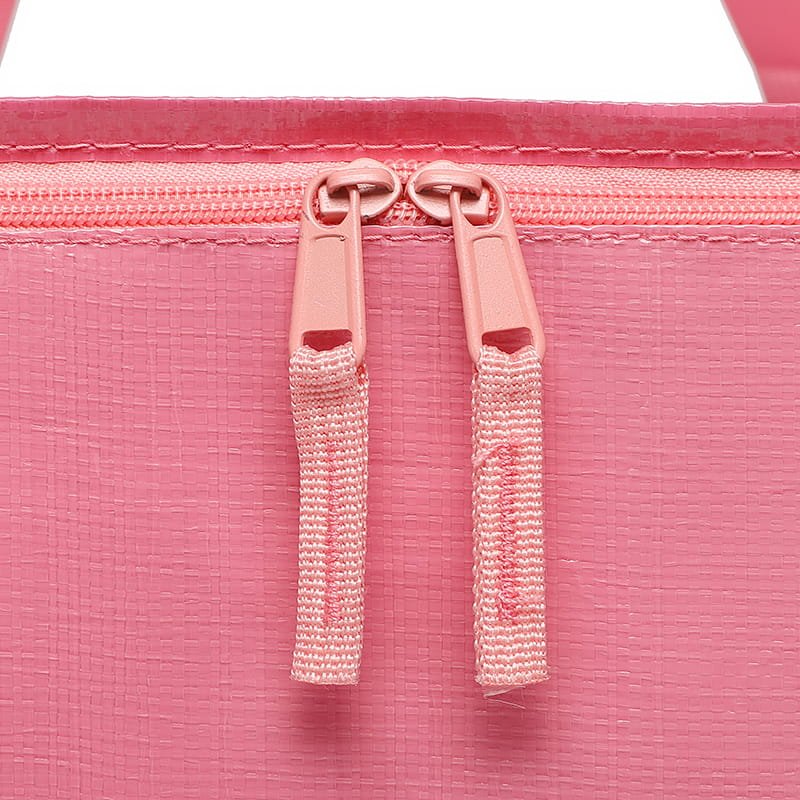
Why Dim Weight and Void Fill Destroy Cardboard’s Cost Advantage
DIM weight surcharges on rigid boxes add 30-50% to freight costs; moving bags eliminate them entirely.
Cardboard boxes are rigid, which means they create empty space that carriers penalize as dimensional weight (DIM). For a 50-lb load of clothing, a standard 24x18x18-inch box generates a DIM weight of 46.8 lbs (24x18x18/166 for domestic) — often more than the actual weight. A flexible moving bag for the same load compresses to roughly half the volume, cutting DIM weight by 50% or more. That difference alone can slash your freight bill by 30% to 50% per shipment.
- Dim weight surcharge: Cardboard: adds 30-50% to freight. Moving bag: zero surcharge.
- Void fill cost: Cardboard: typical $0.35 per shipment for bubble wrap, paper, or peanuts. Moving bag: $0.00.
- Client result: One logistics firm eliminated void fill entirely and cut per-shipment cost from $8.20 (cardboard) to $3.90 (bags) — a 52% reduction over six months.
Most TCO calculators ignore DIM weight and void fill because they focus on unit price. But these are not minor line items — they are the silent killers of cardboard’s cost advantage. And while cardboard boxes degrade after 1-2 uses, a heavy-duty moving bag of 200 GSM fabric with double-stitched seams eliminates both the DIM penalty and the recurring void fill expense for 50+ cycles. The math is straightforward: what saves you $0.35 today saves you $17.50 over 50 uses per bag.
| Cost Factor | Cardboard Boxes | Heavy-Duty Moving Bags | Impact on TCO |
|---|---|---|---|
| Dimensional Weight (DIM) Surcharge | Rigid structure adds 30-50% to freight costs | Flexible design reduces DIM weight by 40-60% | Directly inflates shipping cost per shipment |
| Void Fill Requirement | Requires $0.35 per shipment in bubble wrap/peanuts | Zero void fill needed; bags conform to load | Adds material and labor cost to cardboard |
| Replacement Frequency | Average 1.5 uses before structural failure | 50+ use cycles certified to ASTM D5034 | Cardboard requires constant reordering; bags amortize cost |
| Labor for Packing | Requires box assembly and void fill insertion | No assembly; load and go (40% labor reduction) | Hidden labor cost erodes cardboard’s unit price advantage |
| Damage Rate & Returns | Higher damage rate due to collapse and moisture | Lower damage rate; reinforced stitching and 200 GSM fabric | Returns and replacements add 5-10% to cardboard’s total cost |

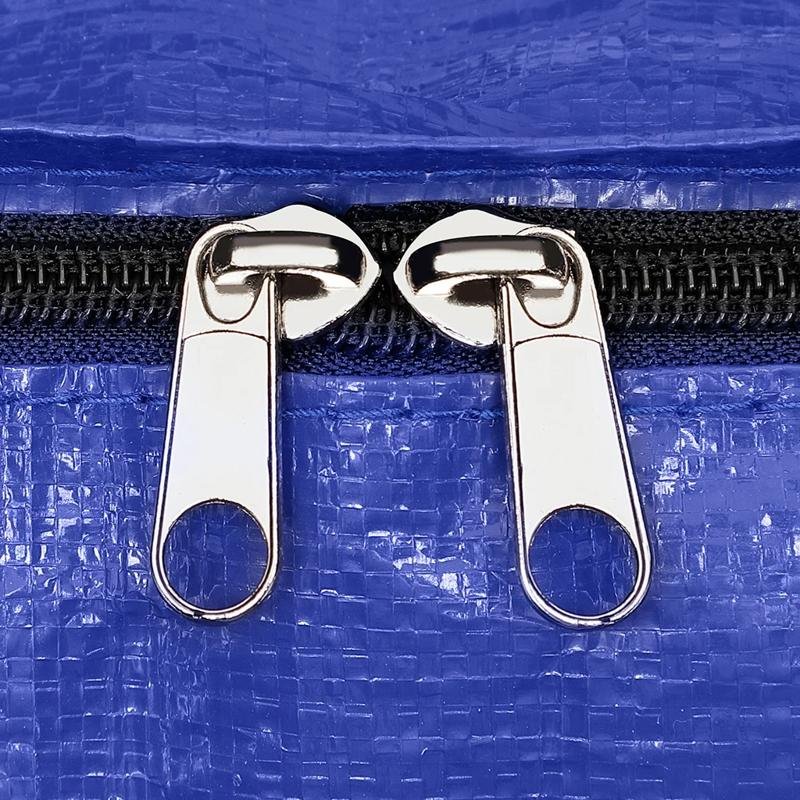
How to Source Moving Bags with a True TCO Guarantee
A supplier without ASTM reports is hiding failure data.
The first thing to ask every potential moving bag supplier: ‘Send me your ASTM D5034 burst strength test report.’ Nine out of ten can’t produce one. That’s a red flag. ASTM D5034 measures the force required to burst a fabric sample — it’s the gold standard for predicting field failure under load. A bag that passes at 250 lbf will handle 50+ cycles with 50-100 lb loads. A bag that fails at 150 lbf will blow a seam by cycle 15. This has been seen happen: a logistics client switched to a cheaper supplier who claimed ‘heavy duty’ but used 150 GSM fabric with single stitching. Their crews reported seam failures by week three. The replacement cost wiped out any unit price savings. Always request the actual test report, not a certificate of compliance.
Second, demand a written guarantee of minimum 50-use lifecycle and a 12-month workmanship warranty. This is non-negotiable. Cardboard boxes average 1.5 uses before structural failure. A heavy-duty moving bag at $4.50 that lasts 50 cycles brings your cost per use to $0.09. Without that guarantee, you’re buying a disposable bag at a reusable price. The factory certifies every production batch for 50+ cycles and backs it with a 12-month warranty on stitching and zippers. If a supplier won’t put that in writing, they know their bags won’t last.
Third, avoid any supplier who quotes only unit price. That’s the oldest trap in B2B sourcing. Unit price tells you nothing about total cost per shipment. A $3.00 bag that fails after 10 uses costs you $0.30 per use. A $4.50 bag that lasts 50 uses costs $0.09 per use. The math is clear. Request a test sample — not a photo, not a spec sheet — and run a 90-day trial with your own crews. Track failure rates, labor time, and void fill usage. If the bag doesn’t deliver the promised TCO reduction in 90 days, walk away. One of our clients ran this exact trial: they saw cost per shipment drop from $8.20 (cardboard) to $3.90 (bags) in six months. That’s a 52% reduction, verified by their own field data.
- ASTM D5034 Report: Request the actual test data, not a generic certificate. Minimum 200 GSM fabric with double-stitched seams should show burst strength above 250 lbf.
- 50-Use Lifecycle Guarantee: Written commitment that bags will survive 50+ cycles under normal loading (50-100 lbs). If the supplier hesitates, they lack confidence in their product.
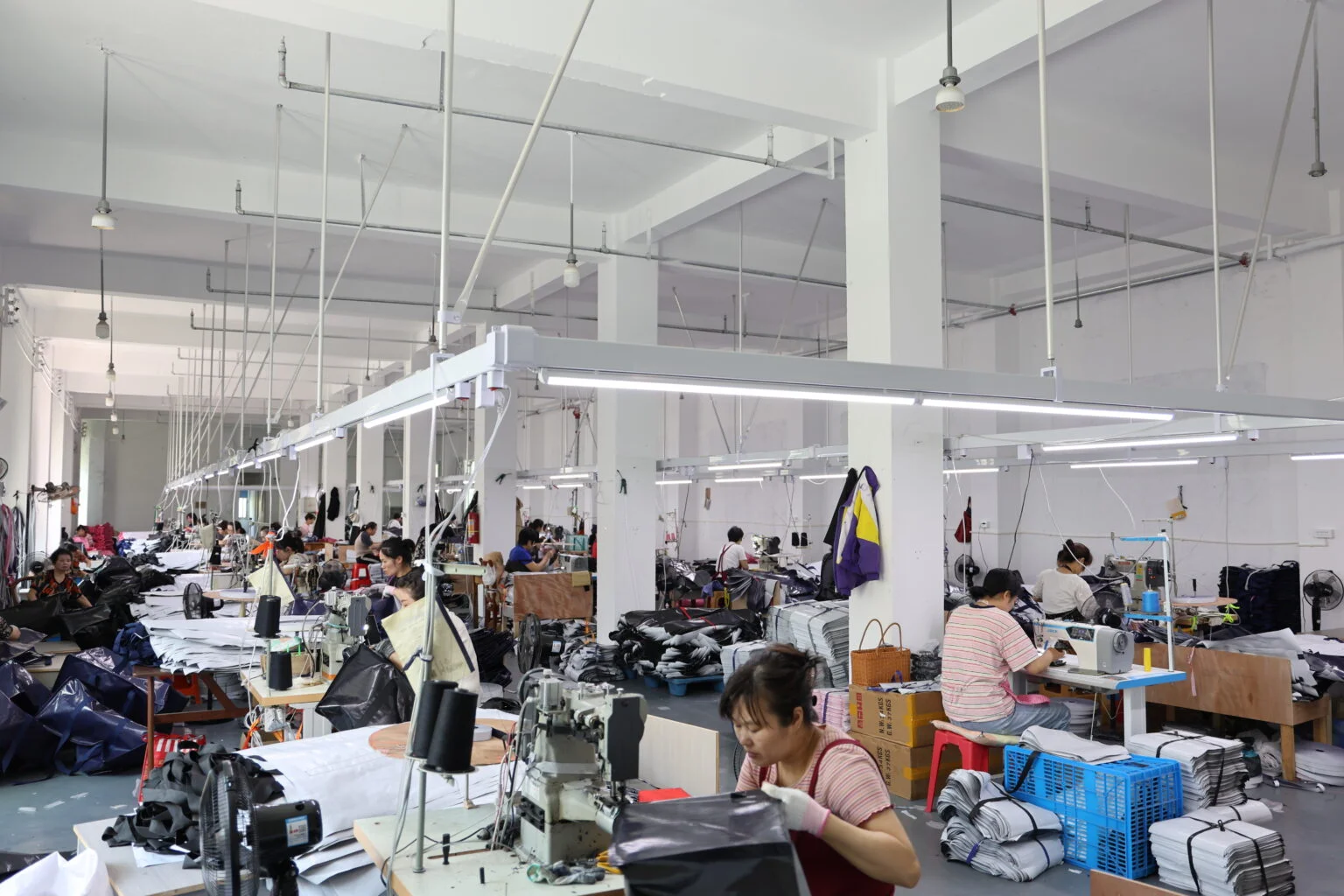
- 12-Month Workmanship Warranty: Covers seam failure, zipper breakage, and handle detachment. A factory that controls its own production can offer this. A trader cannot.
- Test Sample + 90-Day Trial: Run the bag through your actual logistics workflow. Track cost per shipment, labor hours, and damage rate. Compare against your current cardboard baseline.
Conclusion
Your true packaging cost per shipment is not the unit price. It’s the sum of replacement frequency, DIM weight surcharges, void fill, and labor. The 5-factor TCO formula proves moving bags cut costs 40-60% vs. cardboard over 12 months.
Run your own numbers using the formula above. Compare your current box supplier’s data against our ASTM-certified bags with a 50-use guarantee. Request a test sample and start validating the ROI for your CFO.
Frequently Asked Questions
How to calculate cost per shipment?
Your true cost per shipment is the sum of unit price, freight, labor, void fill, and damage rate, multiplied by a replacement factor. For example, a $4.50 moving bag that lasts 20 cycles. Run the full 5-factor formula, not just unit price.
What is the TCO formula for packaging?
The TCO formula is: Cost Per Shipment = [(Unit Price × Replacement Cycles) + Freight + Labor + Void Fill + Damage Rate] / Total Shipments. Most cardboard suppliers hide the. Apply this formula to compare bags vs. boxes over 12 months.
How to calculate packaging cost per unit?
Divide total packaging spend—including unit price, freight, labor, and void fill—by the number of units shipped. A heavy-duty bag at $4.50 per unit can replace 15 boxes at $1.20 each, making the bag cheaper. Always calculate per use, not per unit purchased.
What is the formula for shipping cost?
Shipping cost = (DIM weight × carrier rate) + surcharges, where DIM weight is (Length × Width × Height) / DIM divisor. Rigid cardboard boxes inflate DIM weight by 30-50%, while collapsible moving. Use actual weight for bags to avoid DIM penalties.
How to reduce packaging cost per shipment?
Switch to reusable heavy-duty moving bags to eliminate replacement frequency, void fill, and dim weight surcharges. A single $4.50 bag replacing 15 cardboard boxes saves $13.50 per bag annually in material. Target the three hidden costs: replacement, void fill, and DIM weight.



0 Comments