



Textile Recycling Infrastructure: Where Used Tote Bags Go After Retail
When a tote bag reaches the end of its retail life, it does not disappear. It goes into a textile recycling stream, and where it ends up depends on the infrastructure that collects, sorts and processes it. A brand that says a bag is recyclable has to know where the bag can go after it is returned, and a buyer who sells a recycled-content bag has to know where the material comes from. This guide looks at the textile recycling infrastructure and what happens to a used tote bag.
The collection step
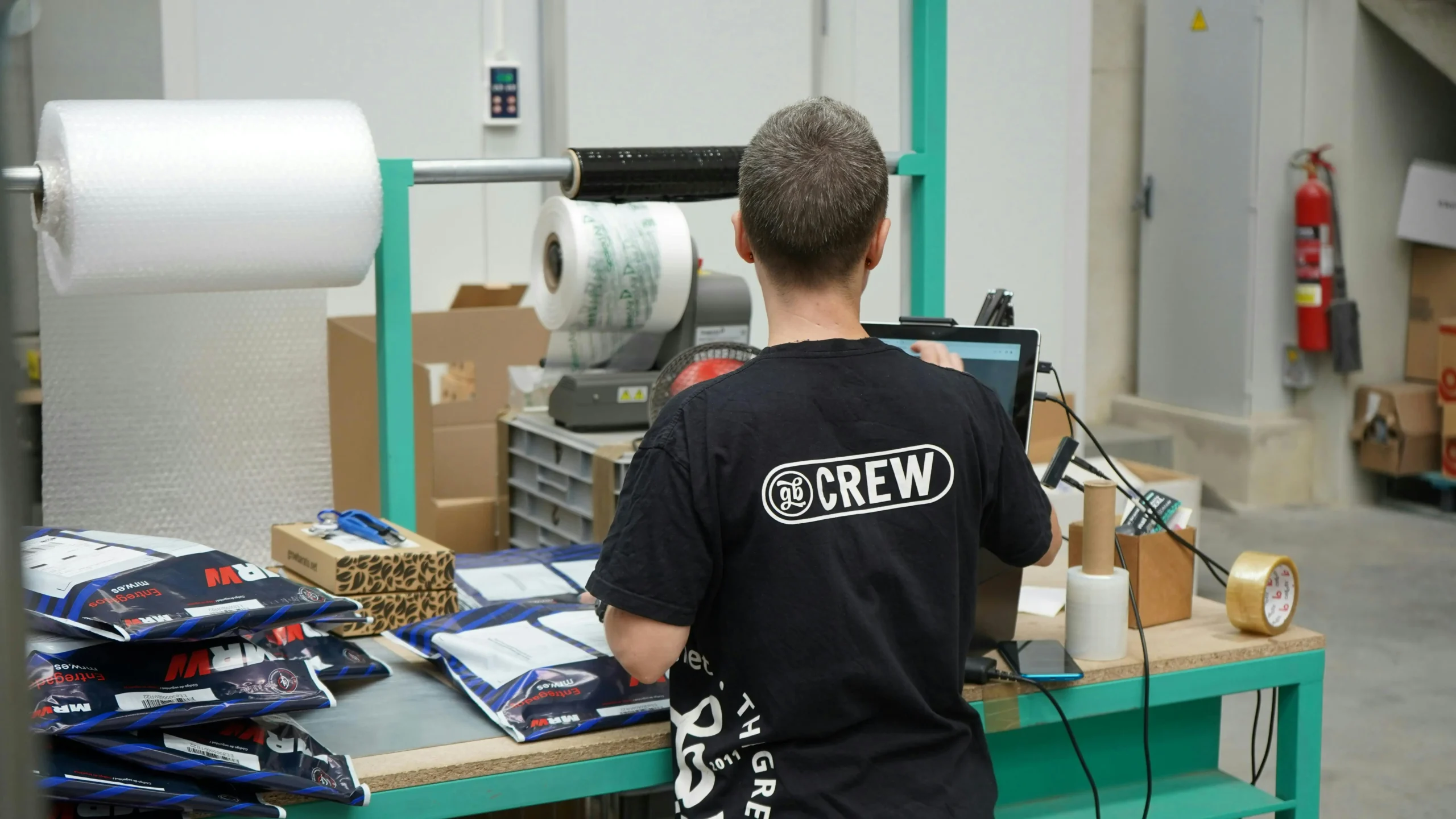
A used tote bag enters the stream through a collection point. This can be a retail take-back, a municipal drop-off, a charity bin or a commercial diversion program. A retail take-back is the most direct, because the bag comes back to the brand that sold it, and it is the point where the brand can sort the material and route it. The collection step decides how clean and how sorted the material is before it moves on.
The sorting and the grade
After collection, the material is sorted. A bag that is one material is easier to recycle than a bag with a mixed trim, a lining or a zipper, which has to be pulled apart. Sorting separates the material by type and by colour, and it grades the material for the next use. The grade matters because a clean, single-material bag is worth more than a mixed or a soiled one. A liner or a zipper lowers the grade.
The processing and the output
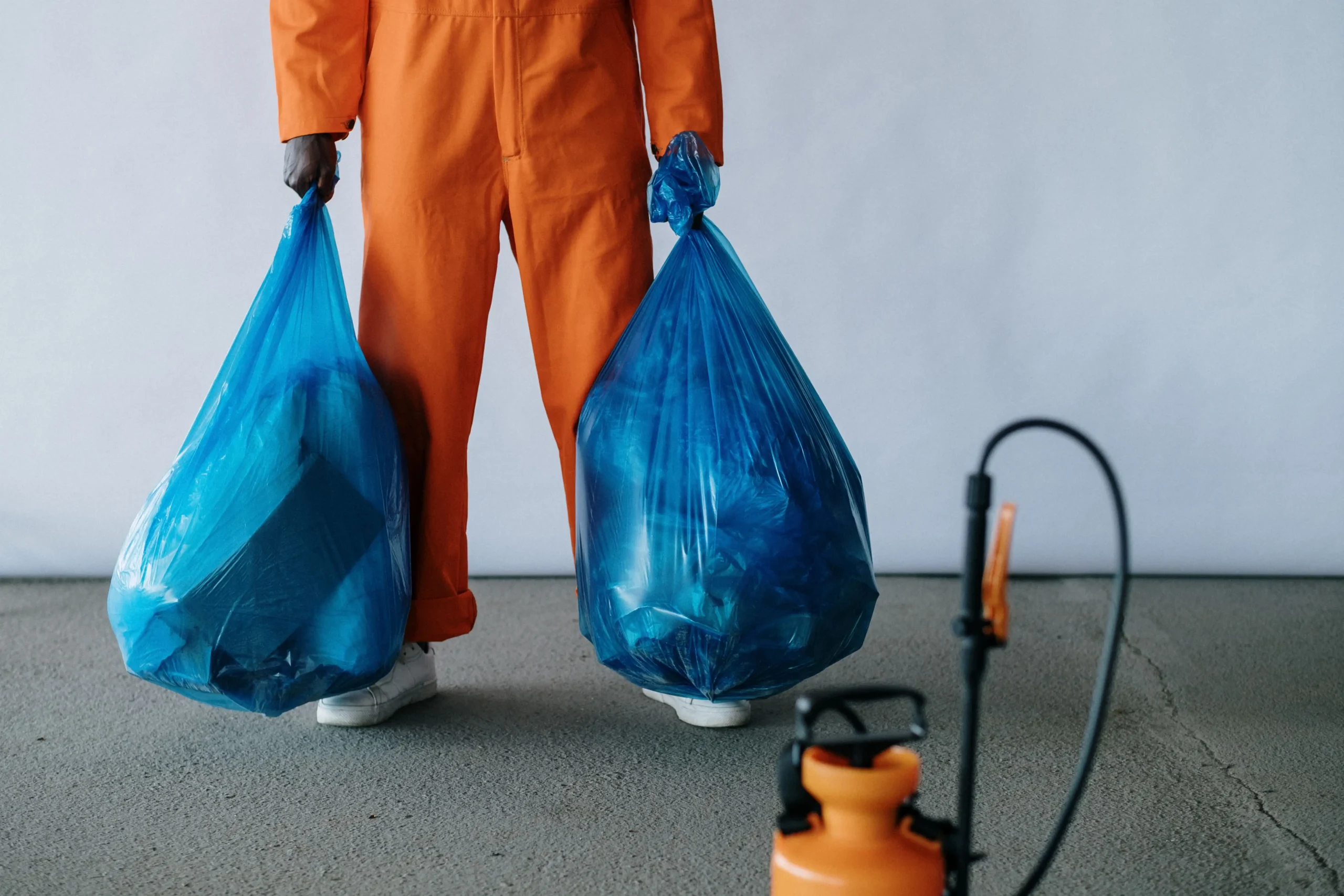
The sorted material is processed into a fiber. Natural fiber like cotton is pulled and re-spun, and a synthetic like polyester is broken down and re-pelletized. The output is a recycled material that can be made into a new bag or another product. The quality of the output depends on the quality of the input, which is why a clean, single-material bag is the ideal. A bag that is designed to be recycled is one that is made to be separated.
Where it is not recycled
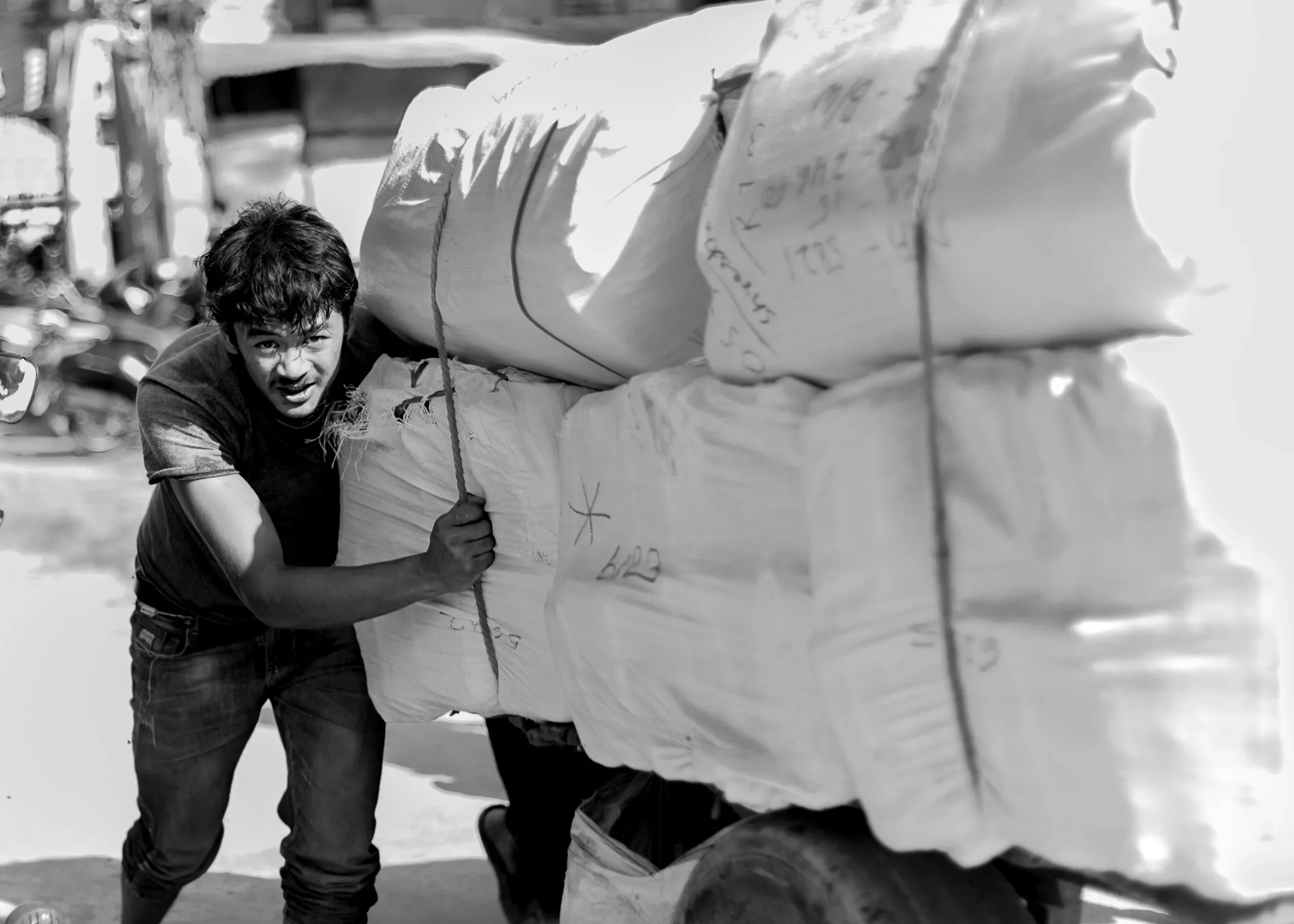
Not every bag is recyclable, and not every market has the infrastructure. The reality is that a bag that is mixed, soiled or made of a hard-to-separate material may not be recycled at all, and it can be shredded, downcycled or sent to landfill. A brand should be careful about a recyclable claim, because the claim is only as real as the infrastructure behind it. A reusable bag is often the better environmental answer to a bag that is hard to recycle.
The standard and the reference
Textile recycling and the claims around it are governed by the rules and the programs that set the standards for recycled content and for a return stream. The U.S. Environmental Protection Agency publishes data and guidance on textile waste and recycling, so it is a reference a buyer or a brand can use to understand what happens to a used textile and how a recycling claim is backed.
What to do
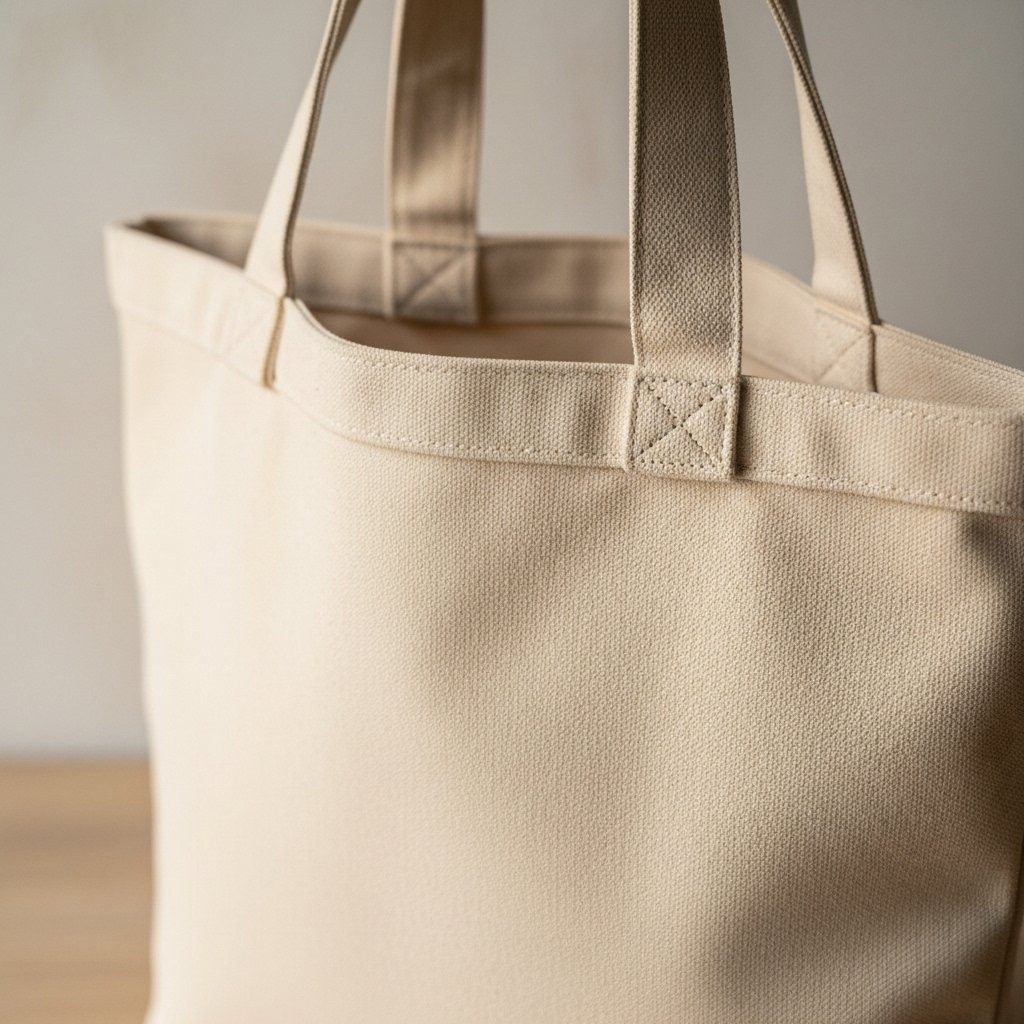
Design a bag to be recycled: use one material, avoid a mixed trim and a hard-to-separate zipper, and set a take-back or a return route. Confirm the recycling claim is backed by an infrastructure that exists, not by an expectation. And where a bag cannot be recycled, design a reusable bag that is used for years. See the recycled material supply and the bag ban landscape.
For the bag manufacturing range and the programs behind this guide, see our matériaux page.
FAQ
Where does a used tote bag go after retail?
It goes into a textile recycling stream through a collection point, then a sorting step, then a processing step that turns it into a fiber or a pellet, depending on the material.
What makes a tote bag easy to recycle?
One material, no mixed trim or hard-to-separate zipper, and a clean surface. A single-material bag is easier to sort and grades higher than a mixed one.
Is every tote bag recycled?
No. A mixed, soiled or hard-to-separate bag may not be recycled and can be downcycled or sent to landfill. A recyclable claim depends on the infrastructure behind it.
What is the best design for a reused bag?
A reusable bag that is used for years is often the better answer to a bag that is hard to recycle. Design a durable bag that is used repeatedly, and a clean, single-material bag that can be recycled.

0 commentaires