



A retail buyer who orders bags in November for a January shelf date is already behind the schedule that controls most of the cost and almost all of the risk. The bag you want printed for a spring promotional run has a production lead time of 12 to 16 weeks once the factory slot is booked, and the good slots go first. The win goes to the buyer who plans the line on a calendar, not to the one who reacts to a demand spike.
This guide lays out a working retail bag calendar: how to count backwards from your shelf date, which parts of the line to lock early, and what you can still change after the factory slot is reserved.

Why a retail bag calendar beats a last-minute order
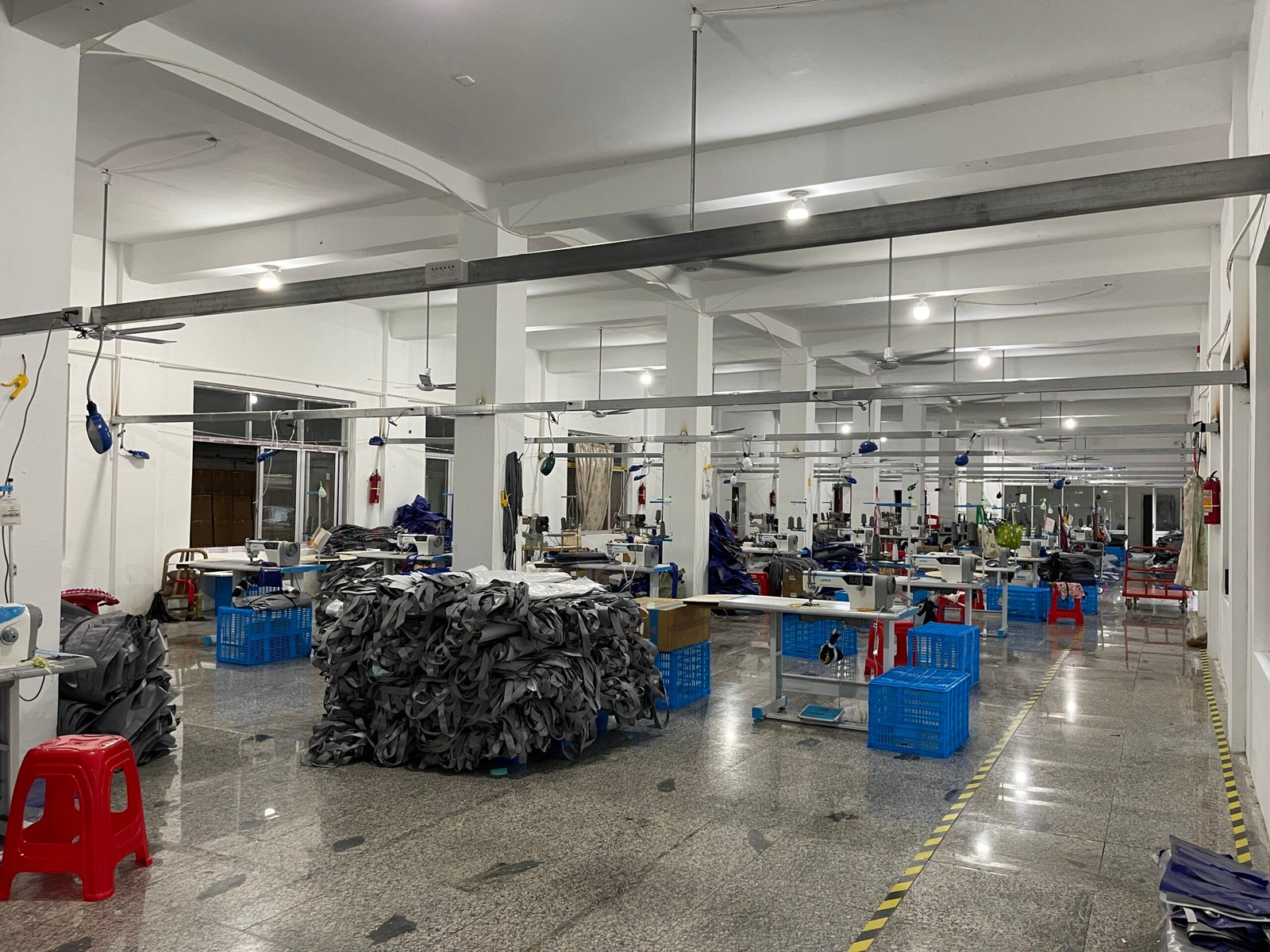
A bag is not a fast-turn item. The factory has to source the fabric, cut it, print it, sew it and pack it, then the finished goods travel to the distribution center. From the day you confirm print-ready artwork to the day the cartons land on a loading dock, a custom bag order runs 12 to 16 weeks in a normal season, and up to 20 weeks when a holiday or a factory shutdown lands in the window. A calendar turns that lead time into a fixed date you plan against instead of a surprise you react to. A buyer who orders on a calendar holds three levers a last-minute order does not: they can choose the production slot, they can split the shipment across two arrival windows, and they can switch a print color without paying a rush fee.
Working backwards from your shelf dates
The safest way to build the calendar is to count backwards from the date the bag has to be on the shelf. Start with the shelf date, subtract an average of 60 to 90 days of ocean transit if you import, subtract the 3 to 4 weeks of local warehousing and last-mile delivery, then subtract a production lead time of 8 to 12 weeks. What is left is the date you should be confirming the artwork. For a spring line that launches in March, the artwork confirm date usually falls in the late autumn of the prior year. For a holiday line that hits shelves in early November, the artwork confirm date lands in late summer. A calendar repeats this math for each line, and the lines that share a category can be pooled into the same container to spread the setup cost across them.
The spring and summer line: lock the slot early
The spring and summer line is the quieter one, and it is where a buyer can afford to compare prices. Demand for woven PP and canvas totes rises when the warm-weather promotional season begins, but factory capacity in the first quarter is usually easier to find than in the third. If you lock a production slot in the first quarter, the order runs 12 to 14 weeks ahead of the shelf date, and an order of 20,000 pieces can be split into two or three delivery windows. This is also the line where it pays to test a new material. An order for a lighter-weight recycled tote uses less fabric per bag, though the material cost runs a bit higher; a trial of 30,000 pieces lets you compare the per-bag cost before you commit the whole season to it.

The autumn and holiday line: lead time is the whole game
The autumn and holiday line is where a missed date is expensive. Retailers build holiday orders months ahead, factory slots fill by late summer, and a holiday bag ordered in September is either impossible or priced at a premium. This line runs on a tighter clock: production of 10 to 12 weeks, ocean transit of 60 to 90 days, and the last few weeks of last-mile delivery all land in the same window. The strongest move is to lock the slot before you have finished the design. You can reserve a production date, then finish the artwork for a standard size while the slot is protected. A holiday run of 40,000 pieces is large enough to justify a dedicated container, which avoids the shared-container delay at the port.
What you can still change after the slot is booked
Not everything is frozen the moment the slot is reserved. Color is the most flexible part of a printed bag, because a stock color or a small print change can happen late without moving the production date. A 2-color screen can be reduced to a single color to cut the setup, and a Pantone match that misses the tolerance of 3 to 5 percent can be adjusted. What you cannot change late is the size and the dye lot of the fabric, because the material is cut and colored to the order and a change means a fresh run. The printing side of a custom bag is well documented by the trade body at printing.org, and the last-mile delivery rules for smaller shipments are covered by the US Postal Service business site at usps.com/business. Buyers who want to keep a change option open should specify a stock color and a standard size, both of which are covered by the default programs in the shopping bag range et le canvas tote range.
Frequently asked questions
How far ahead should I plan a retail bag order?
Plan 12 to 16 weeks ahead for a normal season, and up to 20 weeks if a holiday or a factory shutdown lands in the window. Count backwards from the shelf date to find the artwork confirm date.
Which is the busiest production slot in the year?
The autumn and holiday season. Factory slots fill by late summer, so the holiday line has to be locked before the design is even finished.
Can I change the design after I book a factory slot?
Color and print are the flexible parts. Size and the fabric dye lot are not, because the material is cut and colored to the order and a change means a fresh run.
How do I spread the setup cost across a season?
Pool the lines from the same category into one container and split the shipment across two or three delivery windows.
The calendar is the order
Every retail bag line has a fixed lead time, and the buyers who protect their shelf dates are the ones who treat that lead time as a deadline rather than a suggestion. Lock the slot before the design is finished, run the color and print changes early, and pool the related lines into one container. The bag that lands on time is planned on a calendar; the bag that misses a season is usually the result of a count that started too late.

0 commentaires