



When a regional museum had to vacate its building for eighteen months of renovation, the project list ran to 12,000 artifacts: paintings on stretchers, framed works on paper, textiles, ceramics and the archival boxes nobody wanted rushed. The protective answer, worked out with our factory, was a custom bag program built around the collection rather than around a catalog. This case study walks through what was specified, what failed in sampling, and what the move actually cost per artifact.
Why Bags, and Why Custom Bags
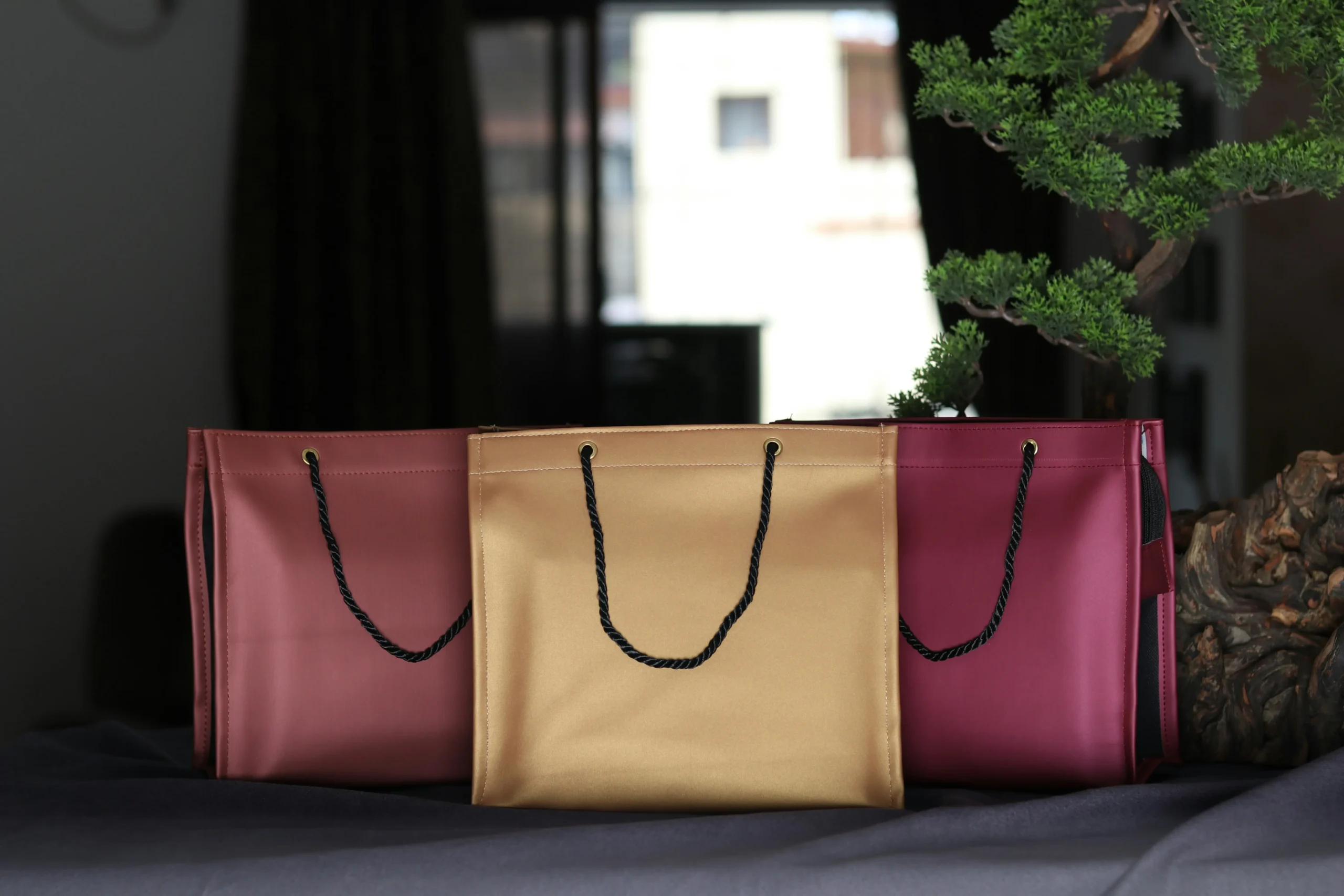
The museum’s alternatives were crates and boxes, both right for the top tier of the collection and wrong for the long tail. Crating 12,000 items was unaffordable at the schedule; cardboard boxes off-gassed and offered no vapor protection. The middle solution was a bag system: soft protective bags in two constructions, a breathable non-woven layer for textiles and paper items, and a heavier woven laminate for framed pieces and ceramics boxed within them. Custom mattered at three points: dimensions matched the storage racks at the off-site facility, so bags stacked without repacking; closures were specified for gloved hands; and every bag carried a write-on panel for the inventory number, which is how the collection stayed trackable through eighteen months of storage. Conservation practice for such moves follows the standards conversations documented by bodies such as the International Council of Museums.
The Sampling Round That Changed the Spec
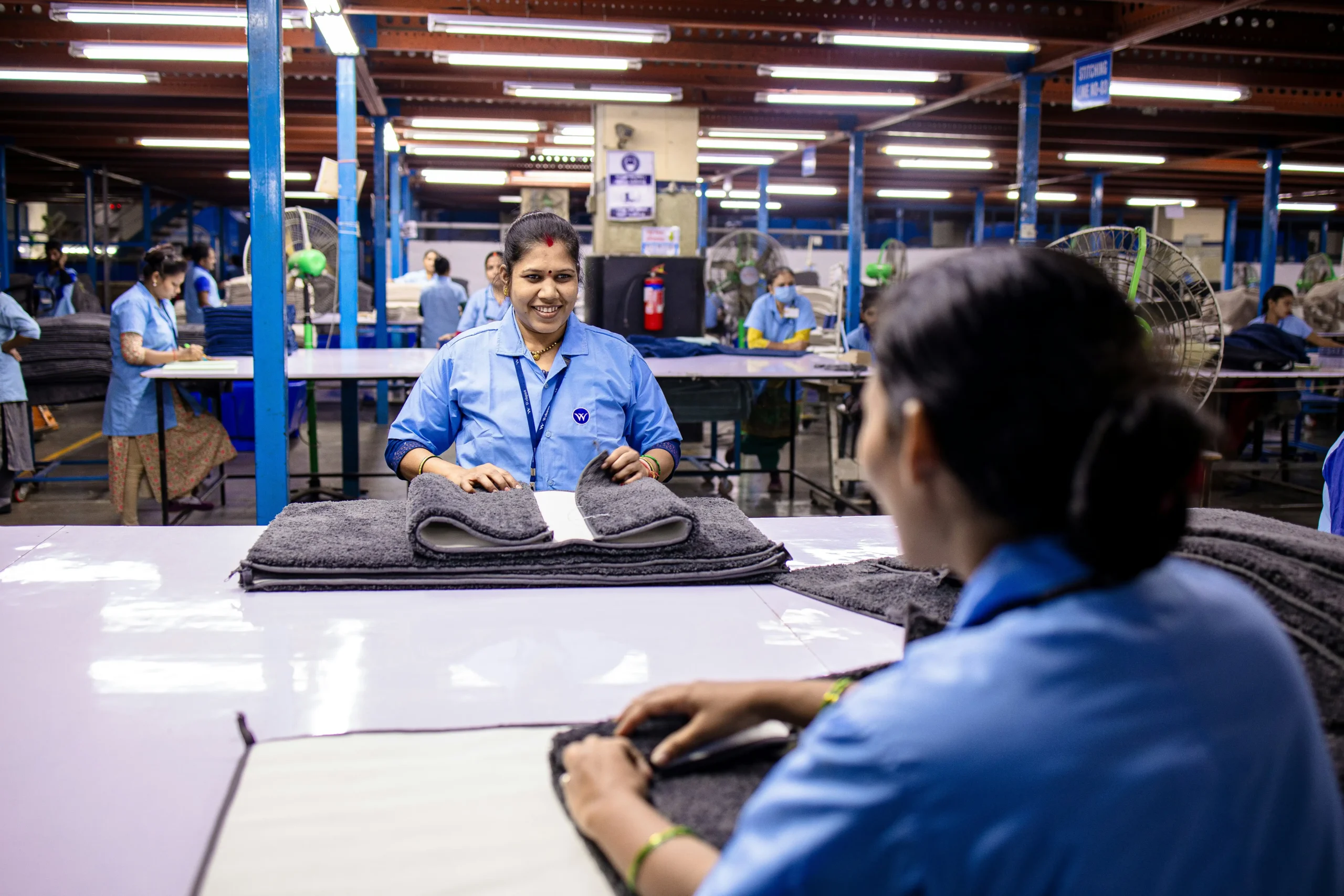
First samples failed, which is what sampling is for. The breathable layer passed, but the laminate bags arrived with handles the registrars rejected: handles encourage one-person carries, and framed pieces move two-handed on support, so the revision removed handles entirely and added reinforced base seams for shelf drag. The write-on panel originally used a film that rejected archival ink markers; the production version switched to a matte laminate that accepted the museum’s pens. Closure went from zipper to a wide-hook-and-loop flap after the registrars timed both under gloves. Each change was cheap at sampling and expensive after delivery, which is the whole argument for the pre-production round documented in our fitness equipment moving bag case study, where the same discipline ran on a different collection.
The Numbers: 12,000 Artifacts, One Container Program
The final program: two bag constructions, nine sizes, roughly 14,000 bags including spares, printed with the inventory panel and the museum’s project mark. Production ran in two batches matched to the packing schedule, packed flat to cut freight, and shipped against the museum’s renovation dates rather than a warehouse calendar. The cost math the registrar shared at closeout: bag program cost divided by 12,000 artifacts came to a per-artifact figure below the price of crating the long tail, while the top hundred pieces still traveled in their existing crates. Handling damage through the move and back: zero reported on bagged items, against a pre-move baseline where boxed paper items had a damage history.
What Transfers to Your Project
Three lessons generalize. Sample against the users, not the drawing: gloved hands and ink pens killed two specs that looked fine on paper. Dimension the bags to the destination storage, because repacking is where collections get hurt. And plan spares at ten percent, since the last month of any move always needs more bags than the estimate. Institutions planning a relocation or renovation program can start from our moving bags program page; the museum’s registrars began exactly there. Send the collection count and storage plan through the contact page, and the sampling proposal comes back with constructions and sizes per artifact class.

0 commentaires