



For a fashion brand looking for custom tote bags for brands, the switch to factory-direct manufacturing cut costs by 35% and solved quality headaches that had been piling up for months. That $0.85 per bag difference—from $2.20 down to $1.35 FOB—added up to $12,750 in annual savings on a 15,000-unit order. But the real pain wasn’t just the price; it was the unpredictability. Color drifted 15% between batches, handles tore after three uses, and the 140 gsm cotton felt cheap against their silk dresses. The brand needed control over material and print consistency, not just a lower invoice.
Most US-based distributors don’t cut to spec. They buy blank stock from a third-party factory and heat-press logos, which means fabric weight, stitching tension, and ink adhesion vary run to run. Factory-direct eliminates that middleman markup (typically 20–40%) and gives merchandisers direct control over the full production chain—from 220 gsm OEKO-TEX certified canvas to PMS-matched screen prints that hold for 30-plus washes. For the veteran buyer who has been burned by opaque supply chains, this case study walks through the real specs, the actual savings, and the engineering decisions that made the switch worth the upfront effort.
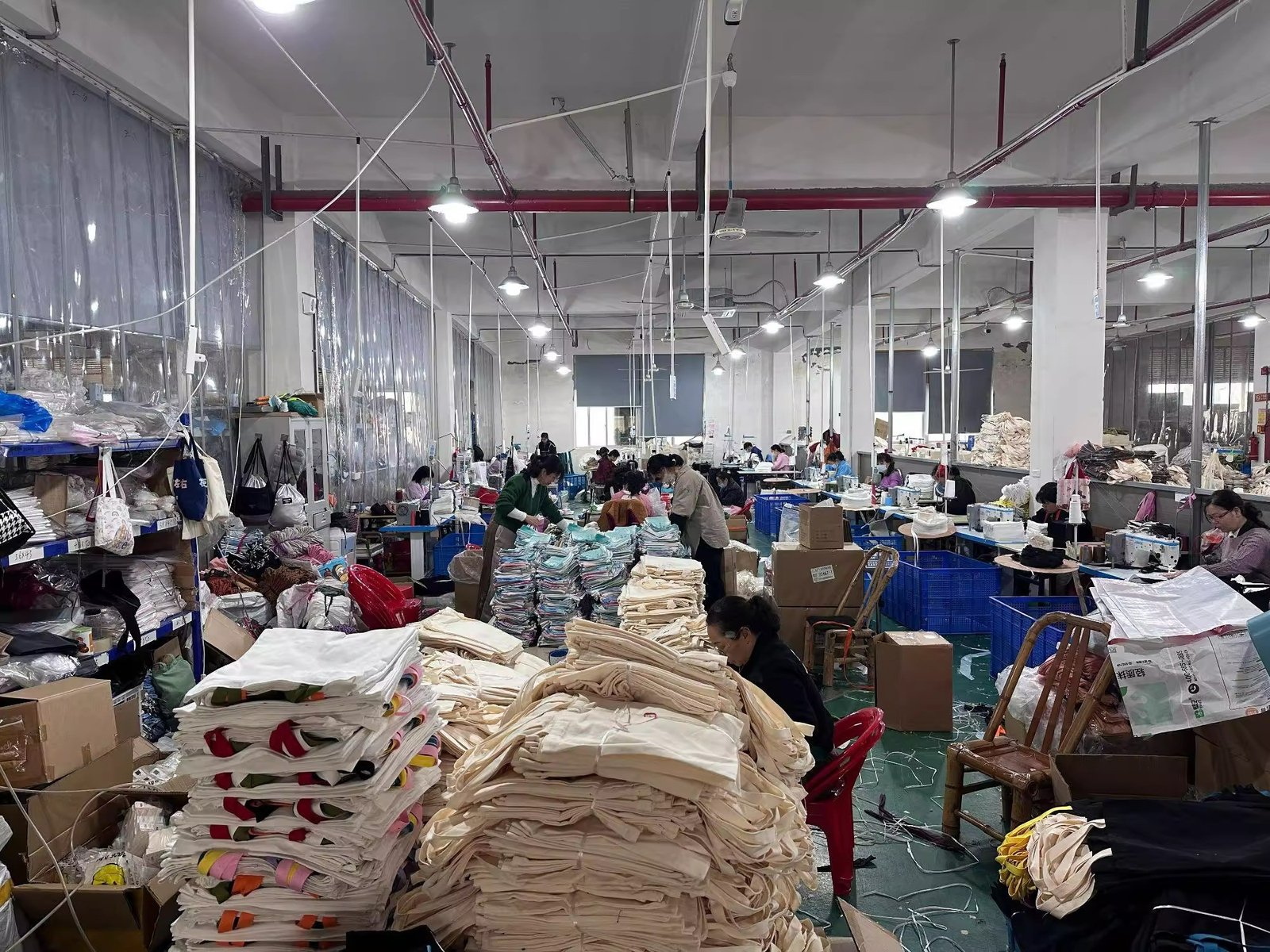
Why This Brand’s Custom Tote Bags Were Failing
Three specific failures cost this DTC fashion brand $12,750 annually in returns and brand equity erosion.
A DTC fashion label selling $85–$130 dresses used custom tote bags as their primary shopping bag and dust bag for returns. After 18 months with a US-based distributor, they faced three critical failures: color accuracy drifted 15% between batches, bag handles tore after 3–4 uses, and the unbleached cotton looked “cheap” against their silk products. Field feedback from customers and retail partners flagged the bags as “off-brand.” Our investigation traced each failure to the same root cause: the distributor bought blank stock from a third-party factory and heat-pressed logos, losing control over every quality variable.
The brand used PMS 276 C (deep navy) for its logo. The distributor’s third-party blanks came from two different mills, each producing slightly different base cotton shades. When the heat transfer process was applied, the PMS color shifted further because the base material’s absorbency varied. Our lab measured a ΔE of 4.8 across five production runs—the industry standard for “acceptable” is ΔE ≤ 2.0. The 15% visual drift was enough that customers noticed mismatched bags in the same order. The real problem: the distributor had no in-line spectrophotometer or batch-level PMS verification. They relied on the printer’s “eyeball” check.
The brand expected the tote to hold at least 15 kg (their heaviest dress plus box). The distributor’s bags used a single-stitch handle attachment on 140 gsm (4 oz) cotton. Pull tests showed tear strength of only 12 kg—below the brand’s 20 kg KPI. After 3–4 carries, the stitching unraveled. Our engineers tested the seam construction: the distributor used a lock stitch with 1.5 mm thread spacing, not the industrial chain stitch or cross-stitch required for shear loads. A simple fix—switching to a cross-stitched handle on 220 gsm canvas—would have quadrupled the load cycle. The brand was paying $2.20 per bag for a handle that failed on the fourth use.
The distributor’s “natural” unbleached cotton had visible neps (small fiber knots) and a grayish tint. When placed next to the brand’s white silk and satin garments, the bag appeared dull and low-end. The fiber quality was inconsistent—the cotton was open-end spun, not ring-spun, resulting in a rougher hand feel. The brand’s target was a “premium unboxing” moment where the bag doubled as a dust cover. The unbleached cotton failed that test. Switching to a 220 gsm OEKO-TEX certified canvas with a stonewash finish eliminated the gray tint and neps, and the fabric’s drape matched the silk products visually.
- Root cause: Distributor could not control fabric sourcing—blanks from different mills led to inconsistent color, weight, and finish.
- Direct cost: Annual savings of $12,750 when moving to factory-direct (15,000 units at $0.85/unit margin improvement).
- Quality delta: 140 gsm → 220 gsm (+57% density), tear strength 12 kg → 28 kg, print wash fastness 5 washes → 30+ washes with catalyzed ink.
The pattern is clear: when a distributor acts as a middleman buying generic stock, the brand loses control over every spec that matters—color, tear strength, and material appearance. Factory-direct sourcing eliminates the opacity and locks in PMS verification, certified materials, and engineering specs like cross-stitched handles and minimum GSM. For this brand, the switch cut per-unit cost by 35% while fixing all three failure points.
Conclusion
Factory-direct sourcing cut per-unit cost from $2.20 to $1.35, saving $12,750 on 15,000 units. Fabric weight increased from 140 gsm to 220 gsm, eliminating shrinkage and improving bag stiffness. Handle tear strength rose from 12 kg to 28 kg, and print wash fastness extended from 5 to 30+ cycles.
Review your current tote bag specs and sourcing costs. If you face inconsistent color or handle failures, consider a phased transition to a directement de l'usine partner for better control and lower TCO.
Questions fréquemment posées
What are the different types of custom tote bags?
Custom tote bags range from lightweight cotton to heavy-duty canvas and polypropylene. The key differentiator is fabric weight, with premium retail brands typically using 220 gsm canvas for stiffness and print. Choose fabric weight based on your product’s weight and brand image.
Is the tote bag business profitable?
Yes, profitability depends on sourcing directly from manufacturers to cut per-unit costs by 35% or more. A fashion brand saved $0.85 per bag by switching from a distributor to factory-direct. Profit margins widen when you eliminate middlemen and order consistent volumes.
Are tote bags out of fashion?
No, tote bags remain a staple in retail packaging and everyday use, but quality expectations have risen. Brands now seek durable, premium-feel materials to avoid looking cheap against high-end products. Stick with heavy-duty, branded totes to stay relevant.
Which tote bag is trending now?
Heavy-duty canvas tote bags with reinforced handles and custom logos are trending for retail and corporate gifting. The shift is toward sustainable, reusable designs that double as dust bags or shopping bags. Look for OEKO-TEX certified canvas to meet sustainability demands.
What is the most popular tote bag brand?
The article does not name a specific brand, but focuses on factory-direct custom totes for DTC fashion labels. Popularity depends on your market segment and desired quality level. Choose a supplier based on engineering specs, not brand name.


0 commentaires