



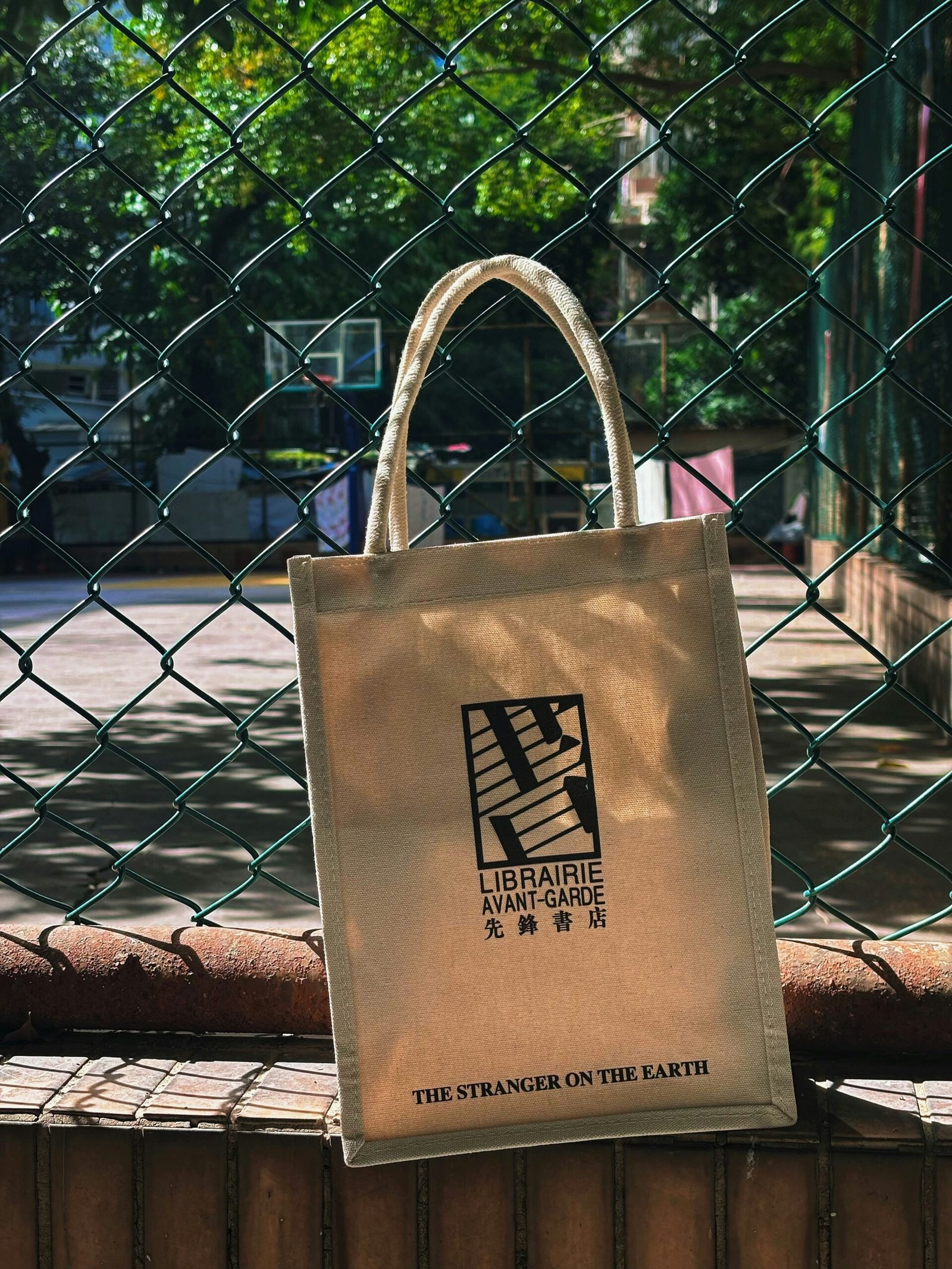
When you’re a Retail Brand Merchandiser signing off on a new season, the custom packaging cost conversation usually starts the same way: someone hands you a unit price that looks too good to be true. And nine times out of ten, it is. The real question isn’t just what that bag or box costs on a spreadsheet—it’s what the total landed cost looks like after tooling, make-ready, and freight get tacked on. We’ve seen too many projects where a $0.45 unit price balloons to $0.85 once the DDP quote lands, and that’s before you account for the color match revisions that eat your timeline.
The gap between a quoted price and what you actually pay comes down to three things: MOQ thresholds, material specifications, and the hidden setup fees that suppliers bury in fine print. For example, a low MOQ of 500 units can carry a 20–40% premium per unit compared to a 10,000-unit run, simply because the die-cutting and make-ready costs get spread thinner. We’ve also found that suppliers who hide those fees often cut corners on GSM or skip PMS matching to protect their margin—which is exactly how your brand’s signature red ends up looking orange on the shelf. Understanding the real cost structure up front is the difference between a smooth launch and a fire drill with the procurement team.
Hidden Costs in Custom Packaging Quotes
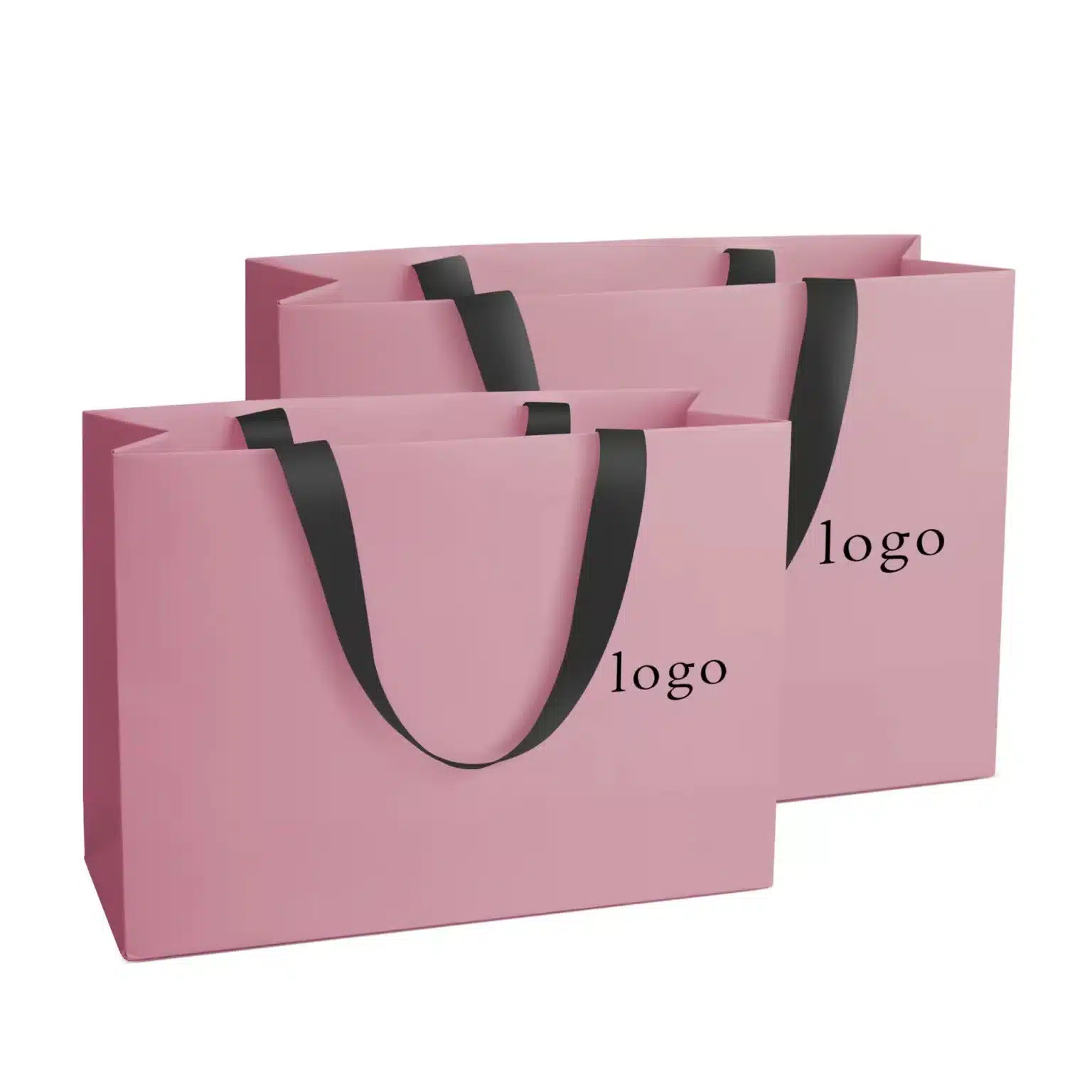
A low unit price often hides $0.20–$0.50/unit in make-ready fees on short runs.
When a supplier quotes $0.35 per custom tote bag, that number rarely includes the tooling die ($100–$500), make-ready press setup, or the first round of sample revisions. Those fixed costs get buried in the unit price — or worse, added as a surprise line item after you’ve approved the artwork. We’ve seen short-run orders (500 units) where make-ready fees alone added $0.42 per bag, pushing the effective cost 40% above the quoted price.
- Tooling (Die-Cutting): A custom die for a non-standard tote shape or box dieline runs $100–$500. That cost is fixed: it doesn’t change whether you run 500 or 10,000 units. Low-MOQ buyers absorb the full hit per piece.
- Make-Ready Fees: The press setup, color calibration (especially PMS matching), and material alignment for the first production run. On short runs, this can add $0.20–$0.50/unit. Always request a line-item breakdown before signing.
- Sample Revisions: First article samples are often included, but the second and third rounds — after you request a tighter CMYK match or a different GSM substrate — come with revision charges. One merchandiser we worked with spent $680 on three sample iterations before production approval.
- Freight & Duties: Freight adds 5–25% to total landed cost. Suppliers quoting FOB (Free on Board) shift the shipping, insurance, and customs clearance to you. A DDP (Delivered Duty Paid) quote shows the true total — that’s the number you should compare.
Direct factories have a structural advantage here. Because we control the tooling shop, the press line, and the material inventory, our fixed costs are transparent and predictable. A trading company, by contrast, layers its own margin on top of the factory’s setup fees — and often adds a ‘coordination fee’ for managing revisions between you and the production floor. The result: the same bag from a trading company can carry 15–30% more hidden cost than a factory-direct quote. Always ask for a DDP price with a full cost breakdown, and verify which line items are fixed vs. variable.
| Hidden Cost Category | Typical Cost Impact | Why It’s Hidden | How to Avoid It |
|---|---|---|---|
| Make-Ready Fees | $0.20–$0.50/unit on short runs | Often buried in unit price or omitted from initial quote | Always request a DDP (Delivered Duty Paid) price for true landed cost |
| Tooling & Die Charges | $100–$500 per die | Quoted separately after order confirmation | Confirm all tooling costs upfront; standardize dielines to reduce fees |
| Sample Revision Fees | $50–$200 per revision round | Suppliers assume first sample is final; revisions add unexpected charges | Agree on number of included sample rounds before production |
| Material Grade Substitution | 15–30% higher waste or failure rate | Lower GSM or burst strength used to offset low unit price | Specify exact GSM and burst strength in your RFQ |
| Color Matching Surcharges | 20–60% premium for PMS vs. CMYK | Quoted as ‘standard’ print, then upgraded at extra cost | Request PMS matching in the initial quote; verify color accuracy in pre-production sample |
| Freight & Duties | 5–25% of total production cost | Quoted as FOB factory; buyer pays all logistics | Negotiate DDP terms to include all shipping and duties in one price |
Custom Packaging Cost by Material & Format
Material choice and print method determine 60% of your per-unit cost.
- Folding cartons: $0.25–$1.50 per unit. Driven by board thickness (16pt to 24pt GSM) and die complexity. Standard tuck-end boxes at 18pt run near $0.30 at 10,000+ units; custom-lock bottoms at 24pt push toward $1.20.
- Corrugated boxes: $0.40–$1.80 per unit. Single-wall B-flute starts at $0.40; double-wall with reinforced corners hits $1.80. Burst strength specs (e.g., 200 lb/in²) add 15–25% over standard.
- Rigid boxes: $3–$12 per unit. Wrapped rigid boxes with 2mm chipboard and foil stamping sit at $4–$6; magnetic-closure luxury boxes with leatherette finish exceed $10. Setup fees add $200–$500 for custom dies.
- Custom bags: $0.30–$4.00+ per unit. Non-woven polypropylene totes at 80 GSM start at $0.35; woven PP at 120 GSM runs $0.80–$1.20; premium cotton canvas at 240 GSM hits $3.50–$4.00. Full-bleed CMYK vs. spot PMS colors add $0.10–$0.30.
- Material weight (GSM/PT): Heavier substrates cost more per sheet and increase freight weight. A jump from 16pt (270 GSM) to 24pt (400 GSM) board adds roughly 35% to material cost. For bags, moving from 80 GSM non-woven to 240 GSM canvas triples raw material expense. Insiders know: standardizing on one weight across SKUs unlocks volume discounts at the mill.
- Print method: Offset is the workhorse for runs above 1,000 units — setup cost is higher, but per-unit drops to $0.05–$0.15. Digital printing suits short runs (500–2,000 units) at $0.20–$0.50 per unit but lacks PMS matching. Letterpress adds 20–60% over offset due to hand setup and slower press speed; the tactile result justifies a 2–5% retail price premium for luxury brands.
Now, the two biggest cost levers: material weight and print method.
Real-world example: a boutique coffee brand wanted 2,000 folding cartons at 18pt with full-bleed offset and PMS 1807C red. The offset quote came in at $0.55/unit; digital was $0.72/unit. At 10,000 units, offset dropped to $0.32/unit. The brand chose offset at 2,000 units because PMS accuracy was non-negotiable for shelf impact.
| Material & Format | Unit Cost Range (1,000–5,000 qty) | Key Cost Drivers | Hidden Fees to Watch For | Meilleur pour |
|---|---|---|---|---|
| Custom Printed Tote Bag (Non-Woven PP) | $0.30 – $0.80 | GSM weight (80–120 gsm), print coverage, bag size | Make-ready ($0.15–$0.30/unit on short runs) | Retail giveaways, trade shows, everyday shopping |
| Custom Printed Tote Bag (Woven PP) | $0.60 – $1.50 | Weave density, handle type (stitched vs. loop), full-bleed print | Die charge ($100–$300) if non-standard shape | Heavy-duty retail, grocery, brand loyalty programs |
| Custom Cotton / Canvas Tote Bag | $1.20 – $4.00+ | Fabric weight (6 oz–12 oz), pocket inserts, letterpress/foil stamp | Sample revision fees for PMS color matching | Premium boutiques, luxury brand events, corporate gifting |
| Folding Carton (Paperboard) | $0.25 – $1.20 | Board thickness (16pt–24pt), CMYK vs. PMS, coating (matte/gloss) | Make-ready ($0.10–$0.20/unit) on runs under 2,000 | Cosmetics, electronics, subscription boxes |
| Corrugated Box (Single/Double Wall) | $0.40 – $1.80 | Burst strength (ECT 32–48), flute type (B/E/F), custom inserts | Tooling for custom die-cuts ($150–$500) | E-commerce shipping, industrial packaging, display shippers |
| Rigid Box (Set-up Box) | $3.00 – $12.00 | Board density, wrapping material (paper/leatherette), magnetic closure | High MOQ penalty under 1,000 units (20–40% premium) | Luxury retail, jewelry, high-end electronics |
How MOQ Drives Your Packaging Unit Price
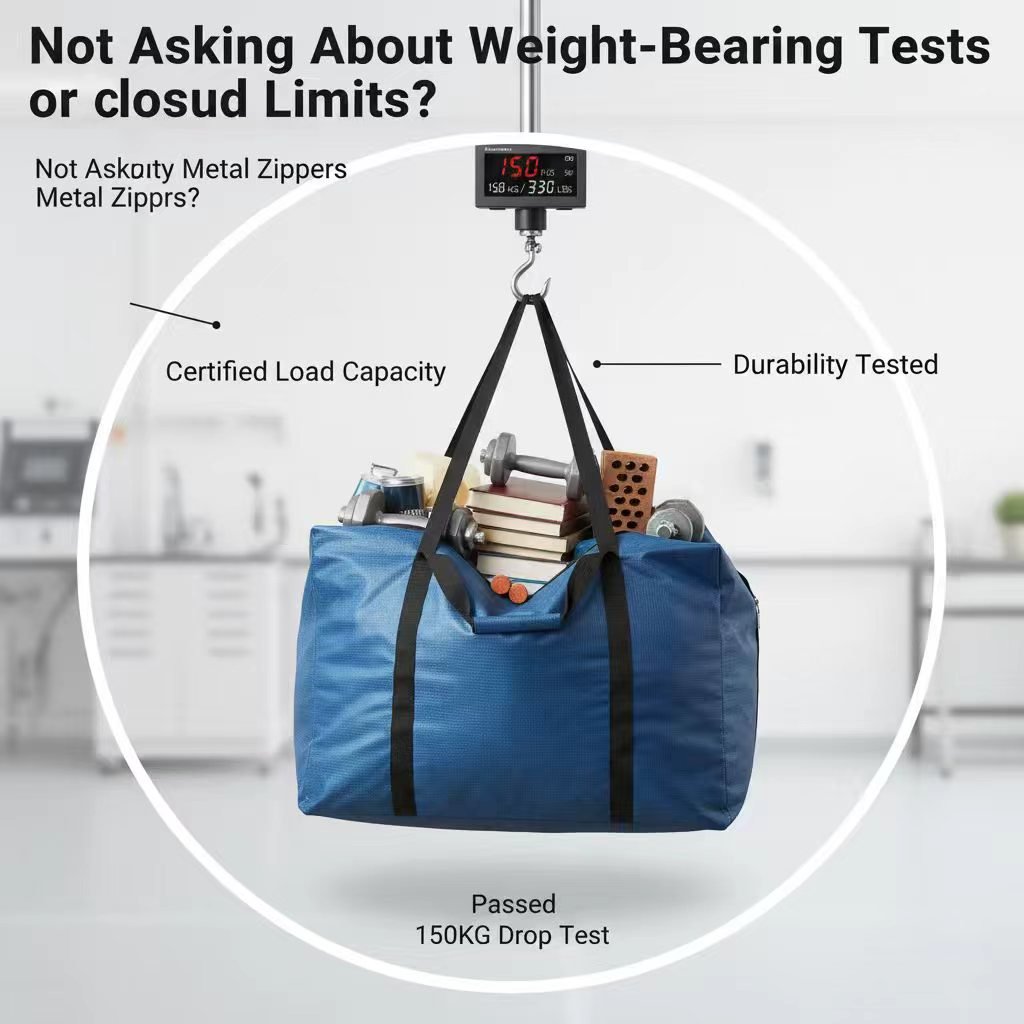
At 500 units, setup eats 40% of your cost.
MOQ isn’t just a number a supplier picks out of thin air. It’s a direct reflection of how fixed costs — die-cutting, plate-making, machine make-ready, and color registration — are spread across your order. Order 500 custom printed tote bags, and those fixed costs get divided by 500. Order 10,000, and they get divided by 10,000. The math is brutal on small runs.
- The 500 vs. 10,000 Unit Gap: A standard folding carton that costs $1.20 per unit at 500 pieces drops to roughly $0.35 per unit at 10,000 pieces. That’s a 71% reduction — not because the material got cheaper, but because the $400 die and $200 make-ready fee are now spread across 20x more units.
- Material Procurement Leverage: At 500 units, you’re buying paper or fabric at retail or near-retail prices. At 5,000+ units, factories negotiate mill-direct pricing on substrates like 16pt–24pt SBS board or 200 GSM polypropylene. That alone can shave $0.08–$0.15 per unit off material cost.
- Machine Efficiency Gains: A high-speed folder-gluer runs optimally at 10,000+ sheets per shift. At 500 units, the machine runs for 20 minutes then stops for cleanup. At 10,000 units, it runs continuously for hours. That efficiency translates to lower labor cost per piece — typically $0.05–$0.10 savings.
For retail brand merchandisers, the practical takeaway is this: if your budget allows, aim for 5,000 units as your baseline. That’s the threshold where most factories can offer tier-2 pricing. Below 1,000 units, expect to pay a 20–40% premium over the ‘headline’ unit price you see in marketing materials.
The industry rule of thumb is that packaging should represent 10–30% of your product’s retail price. A $50 retail item can justify $5–$15 in packaging cost. At 500 units, you’re likely at the high end of that range. At 10,000 units, you’re at the low end — freeing up margin for other priorities like inserts or premium finishes.
Here’s the insider angle most guides skip: suppliers often quote a low unit price for high MOQs but hide the fact that the die, plates, and sample revisions are separate line items. Always ask for a DDP (Delivered Duty Paid) price that includes all fixed costs and freight. That’s your true landed cost per unit — and it’s the only number that matters for your P&L.
| MOQ Tier (Units) | Unit Price Impact | Cost Driver | Insider Tip |
|---|---|---|---|
| 500 | +20–40% vs. High Volume | Setup fees amortized over fewer units | Ask for DDP price to uncover hidden make-ready fees |
| 1,000 | +10–20% vs. High Volume | Partial material & machine efficiency | Standardize dielines to reduce waste penalties |
| 5,000+ | Baseline (Lowest Cost) | Bulk material discounts & full machine utilization | Locks in consistent CMYK/PMS color matching |
| 10,000+ | Up to 50% lower than 500 units | Economies of scale in production & logistics | Freight costs drop to 5–10% of total landed cost |

Custom Bags & Totes: Material & Print Cost Breakdown
Material choice is the single biggest cost driver — woven PP vs.
Let’s cut through the noise. The three dominant materials for custom tote bags — woven polypropylene (PP), cotton canvas, and non-woven PP — each have a fundamentally different cost structure that goes beyond raw material price. Woven PP is the workhorse: it’s extruded, woven into fabric, and laminated. That process yields a bag that holds 40–60 lbs and costs roughly $0.30–$0.80 per unit at 5,000+ quantity. Cotton canvas (typically 6–10 oz) runs $0.70–$1.80 per unit at the same volume, driven by fiber cost and the labor-intensive cutting and sewing. Non-woven PP, made by bonding fibers together, is the cheapest entry point at $0.15–$0.40 per unit, but it tears easily and has a low-end feel that can hurt a premium brand.
- Woven PP (standard 90–120 GSM): Best for cost-conscious bulk orders that need real load capacity. Expect $0.30–$0.80/unit at 5,000+ MOQ. Higher GSM (160+) adds ~$0.15/unit but doubles bag life.
- Toile de coton (6–10 oz, natural or dyed): The premium choice for retail brands. $0.70–$1.80/unit at 5,000+. Organic cotton adds another $0.25–$0.40/unit. Requires pre-shrinking to avoid returns.
- Non-woven PP (80–100 GSM): Cheapest at $0.15–$0.40/unit but fails under 15 lbs. Common in trade shows, not retail. Print adhesion is poor — expect peeling after 10–15 uses.
Now, the print complexity trap. A single-color screen print on a woven PP bag costs about $0.10/unit added. But full-bleed four-color process (CMYK) jumps to $0.30–$0.50/unit because of the extra plates, setup time, and ink coverage. Foil stamping adds $0.20–$0.40/unit — the foil itself is cheap, but the brass die ($75–$150) and the slower press speed kill the per-unit cost on runs under 3,000. Embossing adds another $0.15–$0.30/unit, and debossing is similar. Here’s the insider truth: letterpress printing on a cotton tote can add 20–60% over standard offset, but the tactile result justifies a 2–5% retail price premium. We’ve seen luxury brands absorb that $0.40–$0.60/unit upcharge because the bag becomes a brand touchpoint, not just a carrier.
One more hidden variable: make-ready fees. A supplier quotes you $0.50/unit for a 500-unit run of woven PP with full-bleed print. Sounds good. But they haven’t told you about the $200 make-ready charge for the die-cut and the $75 plate fee. That adds $0.55/unit to your cost. Always ask for a DDP (Delivered Duty Paid) price that includes all tooling, make-ready, and sample revision costs. We’ve seen buyers save 12–18% on total project cost just by demanding a single all-in quote upfront.
| Type de matériau | GSM Range | Print Method | Unit Cost (1,000 pcs) | Key Advantage |
|---|---|---|---|---|
| Woven Polypropylene (PP) | 80–200 GSM | Flexographic / Screen | $0.85–$1.50 | Industrial-grade tear strength; best for heavy loads |
| Non-Woven PP | 60–120 GSM | Offset / Digital | $0.45–$0.95 | Cost-effective for retail giveaways; soft feel |
| 100% Cotton Canvas | 200–400 GSM | Screen / Letterpress | $1.80–$3.50 | Premium aesthetic; supports up to 40 lbs |
| Recycled RPET (Polyester) | 100–240 GSM | Sublimation / Digital | $1.20–$2.60 | Eco-friendly; vibrant full-color print |
| Jute / Toile de jute | 270–400 GSM | Screen / Heat Transfer | $2.00–$4.00 | Natural texture; luxury retail branding |
| Print Complexity Level | Setup Fee (Die/Plate) | Per-Unit Print Add-On | MOQ Threshold | Meilleur pour |
|---|---|---|---|---|
| 1-Color Logo (Standard) | $75–$150 | $0.05–$0.12 | 500 pièces | Budget-friendly brand consistency |
| Full-Color CMYK (4-Color) | $150–$350 | $0.15–$0.35 | 1,000 pcs | Photographic or gradient artwork |
| PMS Spot Color + Foil | $200–$500 | $0.25–$0.55 | 2 000 pièces | Luxury retail and event exclusives |
| Letterpress / Emboss | $300–$600 | $0.40–$0.80 | 1,500 pcs | Tactile premium feel; justifies 2–5% retail price premium |
How to Source Factory-Direct Packaging Quotes
A vague quote hides 20–40% in fees.
Every week we get RFQs that say ‘I need 5,000 custom totes.’ That tells us nothing. Without dimensions, material grade, print specs, and delivery terms, we cannot give you a real price — and neither can any honest factory. A supplier who quotes you a unit price without asking for these details is either padding the margin or planning to cut corners later.
- Dimensions & Quantity: Provide exact length × width × gusset (for bags) or inside dimensions (for cartons). State your target volume: 500, 1,000, 5,000, or 10,000+ units. MOQ pricing tiers shift sharply — a 500-unit run can cost 20–40% more per unit than a 10,000-unit run.
- Material Specs: Name the substrate: non-woven polypropylene (60–120 GSM), woven PP (80–200 GSM), cotton canvas (8–12 oz), or paper (16–24 pt SBS board). If you need burst strength data for heavy loads, request a specific test standard (e.g., ASTM D3786).
- Artwork Readiness: Send vector files (AI, EPS, PDF) with embedded fonts and PMS color codes. Raster images (JPEG, PNG) require re-tracing and add $50–$150 in prepress fees. Specify print method: offset (best for runs over 2,000), digital (low MOQ, no plate cost), or letterpress (adds 20–60% cost but creates tactile value that justifies a 2–5% retail price premium).
- Finish Expectations: List coatings (matte/gloss aqueous, UV spot), foil stamping, embossing, or lamination. Each add-on has a setup charge ($75–$250) and per-unit cost ($0.05–$0.30). Standardizing dielines reduces waste by 15–30% and lowers MOQ penalties.
- Incoterms: DDP vs. FOB: A FOB (Free On Board) quote covers production only. Freight, customs clearance, duties, and inland delivery add 5–25% to your landed cost. A DDP (Delivered Duty Paid) quote includes everything to your door. Suppliers who quote only FOB are hiding 15–25% of the total cost. Always request a DDP price to compare apples to apples.
Here is the insider truth: suppliers who give you a low unit price without a detailed breakdown are almost certainly excluding ‘make-ready’ fees — die-cutting plates ($100–$500), sample revisions ($50–$200 per round), and color proofing. These can add $0.20–$0.50 per unit on short runs. A transparent factory will itemize every cost line before you sign. We do.
Conclusion
Custom packaging costs $0.30–$4.00/unit. Low MOQ adds 20-40%. Always demand DDP pricing for true cost.
Navigating custom packaging costs means accounting for MOQ tiers, hidden make-ready fees, and material selection. A careful evaluation of these factors ensures your budget stays intact without sacrificing print quality or durability.
For your next retail packaging project, request a factory-direct quote that breaks down every cost element. You’ll get clear pricing with no surprises—just consistent quality delivered on time.
Questions fréquemment posées
How much does it cost to make custom packaging?
Factory-direct costs for custom retail packaging range from $0.30 to $1.50 per unit for high-volume totes or cartons, and $4 to $12 per unit for rigid boxes, excluding tooling and freight. Low-MOQ. Always request a full breakdown including tooling and make-ready fees.
What are the 5 P’s of packaging?
The 5 P’s are Product, Protection, Preservation, Presentation, and Promotion. In B2B sourcing, Protection and Presentation directly drive material choice and print method, which account for roughly 60% of your per-unit cost. Prioritize Protection and Presentation to control your budget.
What is MOQ in packaging?
MOQ stands for Minimum Order Quantity, the smallest batch a factory will produce for a custom spec. At 500 units, setup costs can eat 40% of your total spend, but that. Negotiate MOQ only after your spec and print method are locked.
What are the 4 types of costs?
The four cost types in custom packaging are tooling (dies, molds), make-ready (setup, color matching), per-unit material and print, and freight. Suppliers hiding make-ready fees in the unit price often cut corners on material. Get each cost type quoted separately before signing.
What are the 7 types of packaging?
The seven common types are folding cartons, corrugated boxes, rigid boxes, custom bags, pouches, clamshells, and blister packs. For heavy-duty moving bags and retail totes, you are typically choosing between. Match the packaging type to your product weight and retail display needs.


0 commentaires