



Case Study: Car Dealership Parts Dept Moves to Heavy-Duty Tote Bags
A car dealership parts department lives on small parts delivered to the counter the same day, and the containers it uses decide whether a part is findable, clean and in the right bin. Moving from a bag-in-box and loose-bins system to a colour-coded heavy-duty tote bag program is a change in workflow, not just in packaging. This case study is a composite of the dealer parts programs we have supplied, and it shows the before-and-after that a tote change produced.
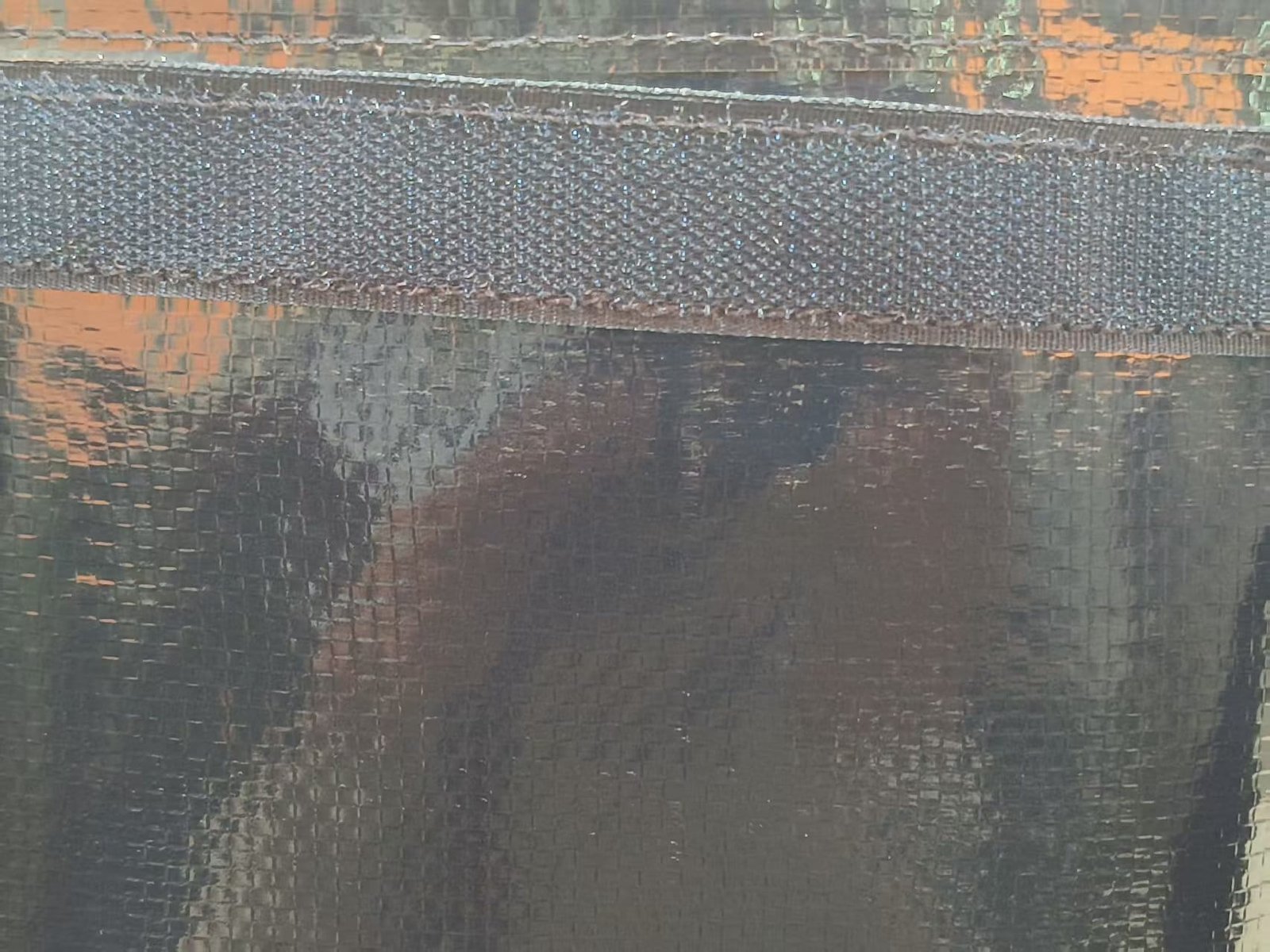
Handle the parts line with sacs fourre-tout the heavy-duty range, labelled and colour-coded for the aisle.
The problem with the old system
The dealer parts department used a mix of cardboard bins and single-use plastic bags. The bins broke at the corners, the cardboard buckled under a heavy load, and the small parts sat at the bottom of a deep bin where a counter person had to fish them out. The loose labels fell off, so a part went to the wrong shelf, and a part that arrived scratched had to be written off. The counter time per part was longer than it needed to be, and the daily restock was a problem of sorting rather than of supply.
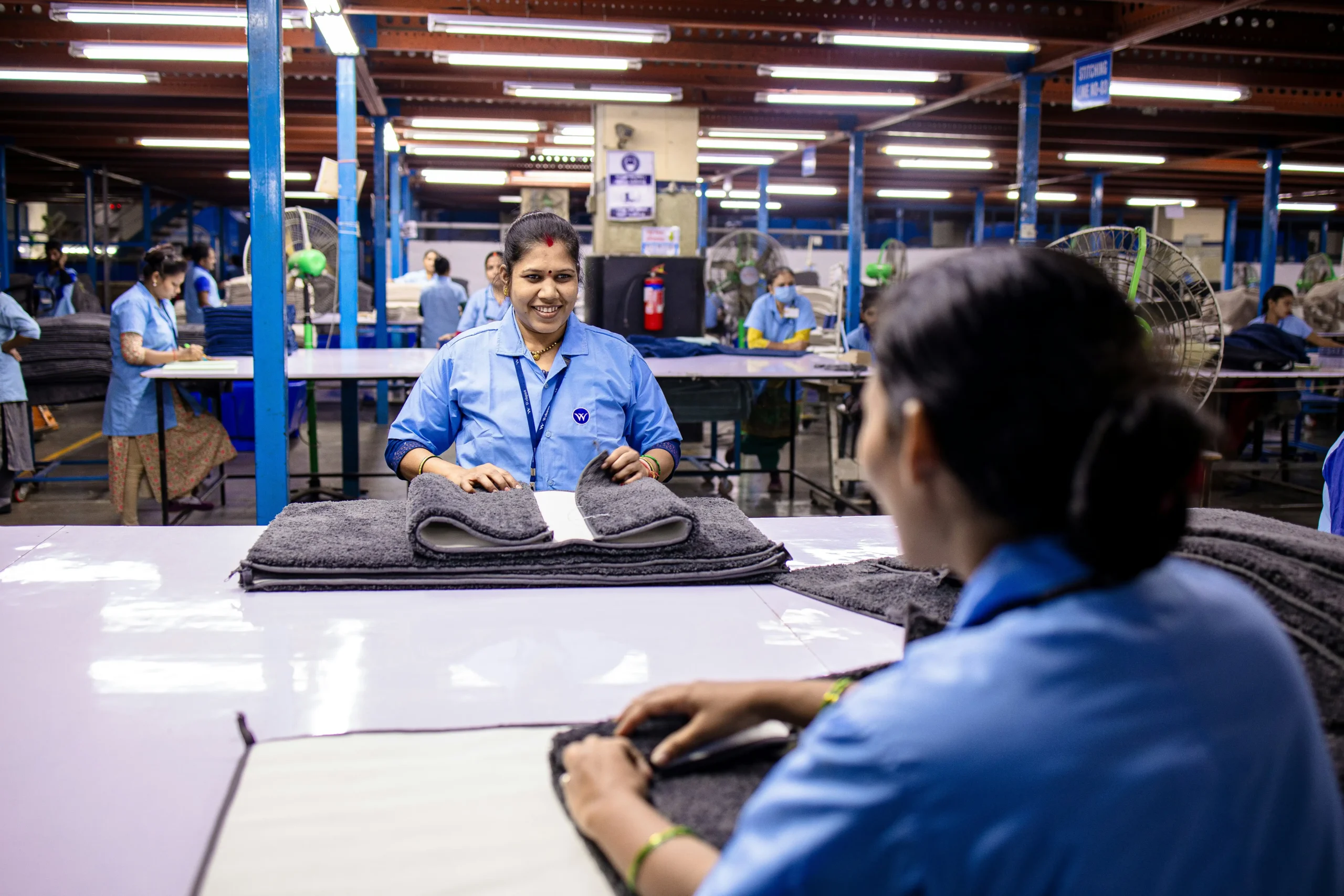
The tote bag change
The parts program moved to a heavy-duty tote bag in a colour-coded set, with a reinforced base and a labelled front loop that keeps an inventory card in place. Each bag holds one part line, the colour codes the aisle, and the label is a reusable card the department rewrites, so a part is identifiable without a loose sticker. The bag is strong enough for the heaviest brake rotor and flexible enough to fit a shelf that a rigid tote cannot, and it folds flat when empty so the department does not store air. The same heavy-duty construction that makes the bag last is what lets it carry a load without tearing.
The results
The department reported a faster counter time per part because a counter person no longer had to fish to the bottom of a bin, and a lower miscount because the labelled front loop kept the inventory in view. The damaged-part write-off fell because a part no longer sat loose in a cardboard corner. The bags also cut the storage cost: a tote bag that folds when empty takes a fraction of the space of a rigid bin when the stock level is low. The before-and-after is illustrative, and the specific numbers are verified on request in line with our client-confidentiality policy.
The automotive aftermarket standards and the parts-handling convention are tracked by the SEMA industry association, which covers how aftermarket parts are specified and distributed.
Moving a parts department to totes? Send Tiiocti your parts count and load weight for a heavy-duty bag spec.
Lectures complémentaires
Découvrez la gamme sur sacs fourre-tout and the durability on quality.
FAQ
Why do tote bags work for a parts department?
Because a tote bag labels a part line, carries a heavy load without tearing, and folds flat when empty, so a counter person finds the part faster and the department stores less air.
Are tote bags strong enough for heavy car parts?
Yes for a heavy-duty tote. A reinforced base and a robust webbing handle let a bag carry a brake rotor or a heavy component without tearing, unlike a thin single-use bag.
How do labels stay on a tote bag?
A reusable front loop holds an inventory card in place, so the part stays identifiable without a loose sticker that falls off, and the colour code marks the aisle.
Pour plus d'informations, consultez notre Case Study.

0 commentaires