



Two tote bags with identical height and width can differ in capacity by a third, and the difference is invisible in a flat drawing: it is the gusset, the folded or seamed expansion that gives a bag depth. Gusset choice changes how much a bag holds, how it stands on a shelf, how it folds for shipping and what it costs to make, which makes it one of the highest-leverage structural decisions in a custom bag program. This article compares flat, side-gusset and bottom-gusset constructions, explains how each changes capacity and cost, and maps the structures to the retail and promotional programs they serve best.

The Three Structures, Compared
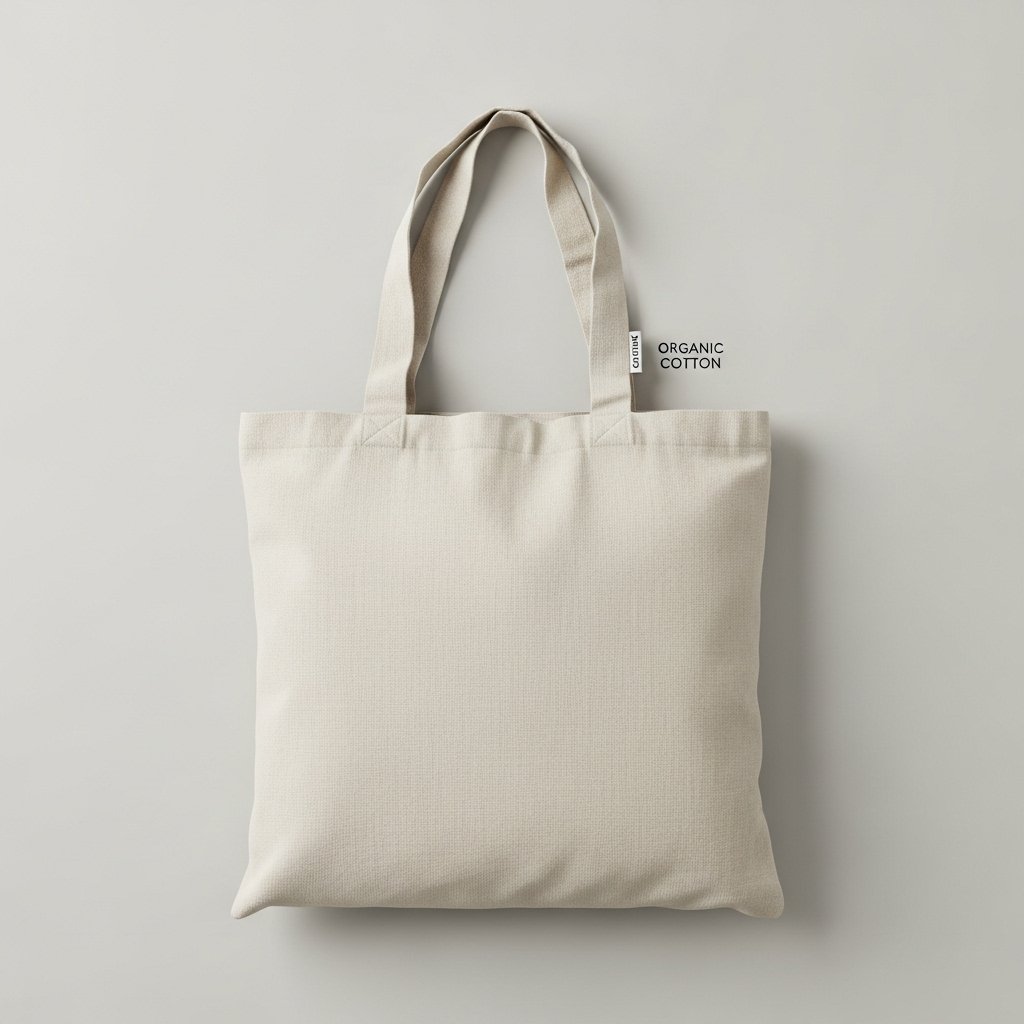
Flat bags have no gusset: two panels sewn on three sides, they hold their contents in a single plane and lie flat when empty. They are the cheapest to make and ship, and they suit programs where the bag is a sleeve, an envelope for documents, apparel or a slim gift. Side-gusset bags add folded expansions along the left and right edges, opening a rectangular cross-section that stands after filling and carries boxed or bulky goods without stretching the side seams. Bottom-gusset bags expand downward from a flat panel, creating a wide, stable base that stands upright on a table or shelf, the structure shopping and gift programs prefer because the bag presents its printed face even when empty-handed customers set it down. Each structure answers a different question: how flat can it ship, how much can it hold, and how does it stand when displayed. Packaging drop and stacking performance for these structures is tested under the transit-testing frameworks documented by the International Safe Transit Association, which is why serious retail programs test the structure, not just the fabric.
How Gussets Change Capacity and Cost
Capacity arithmetic makes the gusset’s value concrete: adding a four-inch bottom gusset to a 15 by 16 inch tote adds roughly 60 cubic inches of volume per bag at the same panel size, and a side gusset of the same depth adds more, because both sides expand. The cost side moves too: gussets add seams, and seams add labor, thread and failure points, so a gusseted bag prices above its flat equivalent by the sewing time plus the extra material area the gusset panels consume. Bottom boards and stiffeners interact with the choice, since a heavy-duty program pairs its bottom gusset with a removable board that spreads load, an upgrade covered in our guide to tote structure upgrades. The failure modes differ by structure as well: flat bags tear at the corner seams under square loads, side gussets stress at the gusset fold, and bottom gussets concentrate load on the base seam, which is why base seam construction scales with expected weight.
Matching Structure to Program
The structure follows the bag’s job. Trade shows and mailers favor flat bags: they ship by the thousand in compact cartons, print on both faces, and their contents are usually flat handouts. Grocery and retail carry programs favor side gussets, which expand for irregular produce and packaged goods and fold flat again for the customer’s next trip. Boutiques, wine shops and gift retail favor bottom gussets, whose self-standing silhouette turns the bag into a display surface that carries the brand after purchase, and the brand benefit compounds because a standing bag is photographed and reused more than one that slumps into a drawer. Wine bags are a specialized corner of this mapping, sized to bottle geometry with divider options for multi-bottle sets, a category our guide to wine distributor tote programs covers from the distributor side.
Specifying Gussets on the Purchase Order
A gusset specification needs three numbers and a statement. The numbers: gusset depth in inches or centimeters, the construction method, folded and stitched, glued or welded for non-wovens, and the base reinforcement if any. The statement: the load the bag must carry at the gusset, because a gusset specified by depth alone can be built in weights that fail the program’s real loads. Program buyers adding gussets to an existing flat-bag design should also re-approve the print layout, since gussets move the printable panels and change how the logo reads across the structure. Our guide to gusset versus flat bottom tote structure extends this comparison with unit economics by order size.
FAQ
What is a bag gusset?
The folded or seamed expansion that gives a bag depth: side gussets expand the left and right, a bottom gusset creates a wide standing base, and flat bags have none.
How much capacity does a gusset add?
A four-inch bottom gusset on a 15 by 16 inch tote adds roughly 60 cubic inches per bag; side gussets of the same depth add more, since both sides expand.
Which structure stands upright on a shelf?
Bottom-gusset bags, whose wide base lets them stand and present the printed face even when empty, which is why gift and boutique retail prefer them.
Where do gusseted bags fail first?
Side gussets stress at the fold, and bottom gussets concentrate load on the base seam. Base seam construction must scale with expected weight.
Does adding a gusset require re-approving the artwork?
Yes. Gussets move the printable panels and change how the logo reads across the structure, so print layout is re-approved with the structure sample.
Video: How Tote Bags Are Made
Deciding between flat, side gusset and bottom gusset for your program? Our shopping bag line quotes all three structures with the capacity math attached.



0 commentaires