



Why Bag Buyers Need Both Freight Modes
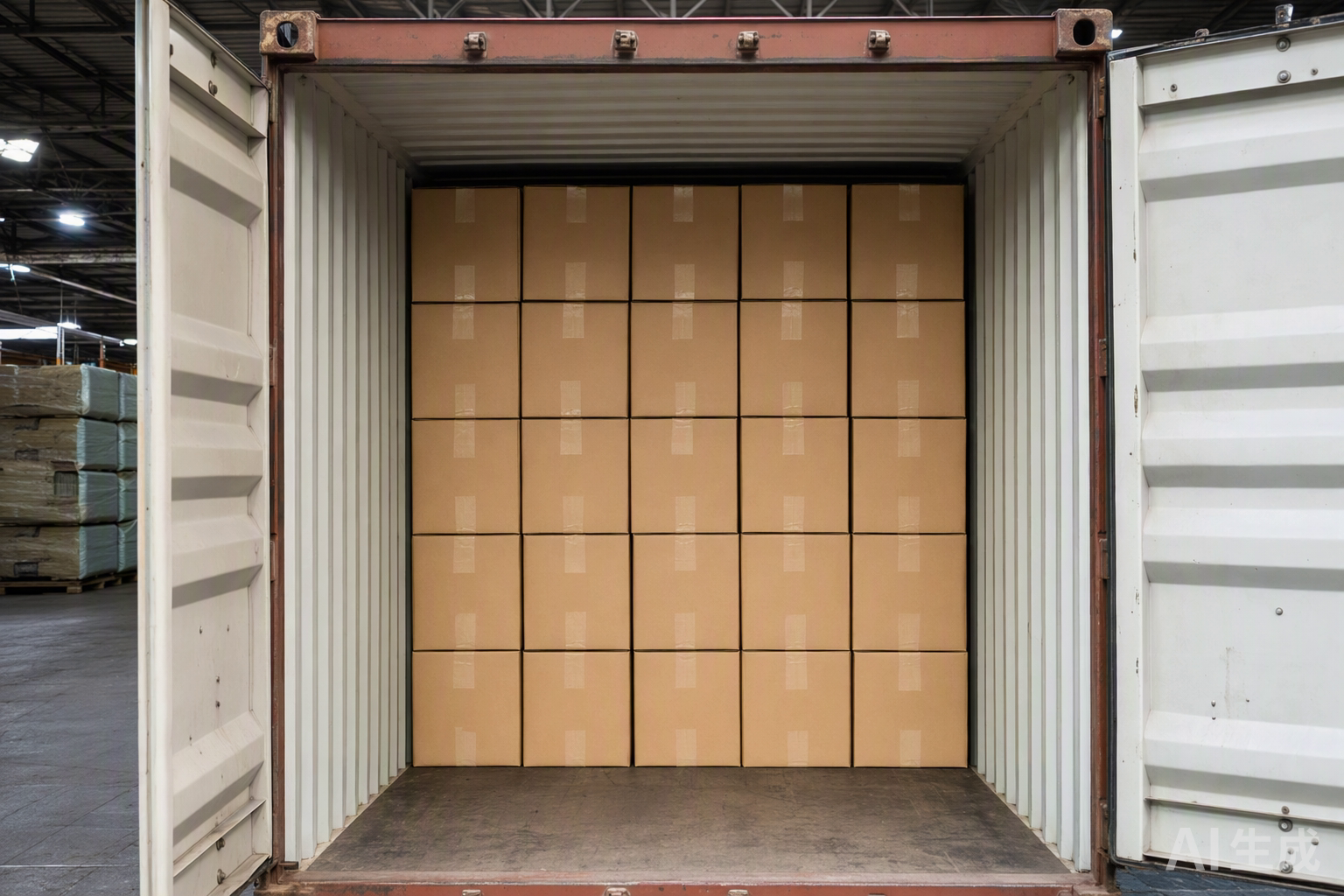
Every bag importer faces the same fork: send a handful of samples by air to approve before bulk, then ship the full container by sea to keep unit costs down. When a reorder lands late in the season, the calculation flips again. The decision between air freight and sea freight is not a one-time choice but a recurring judgment call that depends on shipment weight, transit urgency, and whether the cargo is a pre-production sample or a bulk production run.
For bag orders specifically, the volumetric profile matters. Woven PP moving bags and Oxford totes ship compressed and flat-packed, which means a carton of 50 folded bags may weigh 15 kg but occupy 0.08 CBM. That ratio changes the air freight math because carriers charge on the greater of actual weight or volumetric weight. Understanding when air freight genuinely saves money versus when it burns budget on air is the difference between a procurement manager who hits margin targets and one who explains overruns.
Air Freight Rates: What Bag Samples Actually Cost per Kilogram
Air freight from China to the United States in 2026 runs on a tiered pricing structure. The more you ship, the lower the per-kilogram rate drops. For bag buyers sending samples or urgent reorders, the relevant weight bands start at under 45 kg and extend through commercial cargo tiers.
| Weight Tier | Base Rate (USD/kg) | Total w/ Fuel (USD/kg) | Utilisation typique |
|---|---|---|---|
| Under 45 kg | $7.00 to $9.00 | $8.50 to $10.50 | 2 to 5 sample bags |
| 100 kg+ | $4.80 to $5.50 | $5.90 to $6.60 | Pre-production sample batch |
| 300 kg+ | $4.20 to $4.90 | $5.30 to $6.00 | Small urgent reorder |
| 500 kg+ | $3.80 to $4.50 | $4.90 to $5.60 | Mid-size urgent reorder |
| 1000 kg+ | $3.30 to $3.90 | $4.40 to $5.00 | Large urgent production run |
Express courier service through DHL, FedEx, or UPS costs even more at $7.00 to $14.00 per kilogram, but it delivers in 1 to 4 days door-to-door with customs clearance included. For a single sample bag weighing 0.8 kg, express courier is often the only practical option because general air cargo has minimum chargeable weights that make small parcels uneconomical.
The volumetric weight rule is where bag buyers get caught. Air freight calculates chargeable weight as the greater of actual weight or volumetric weight, where 1 CBM equals 167 kg. A carton of flat-packed drawstring bags might weigh 12 kg but measure 0.09 CBM. The volumetric weight would be 15 kg, so the carrier charges for 15 kg even though the carton weighs 12 kg. Always ask the factory for both the gross weight and the carton dimensions before requesting an air freight quote.
Sea Freight Rates: The Baseline for Bulk Bag Orders
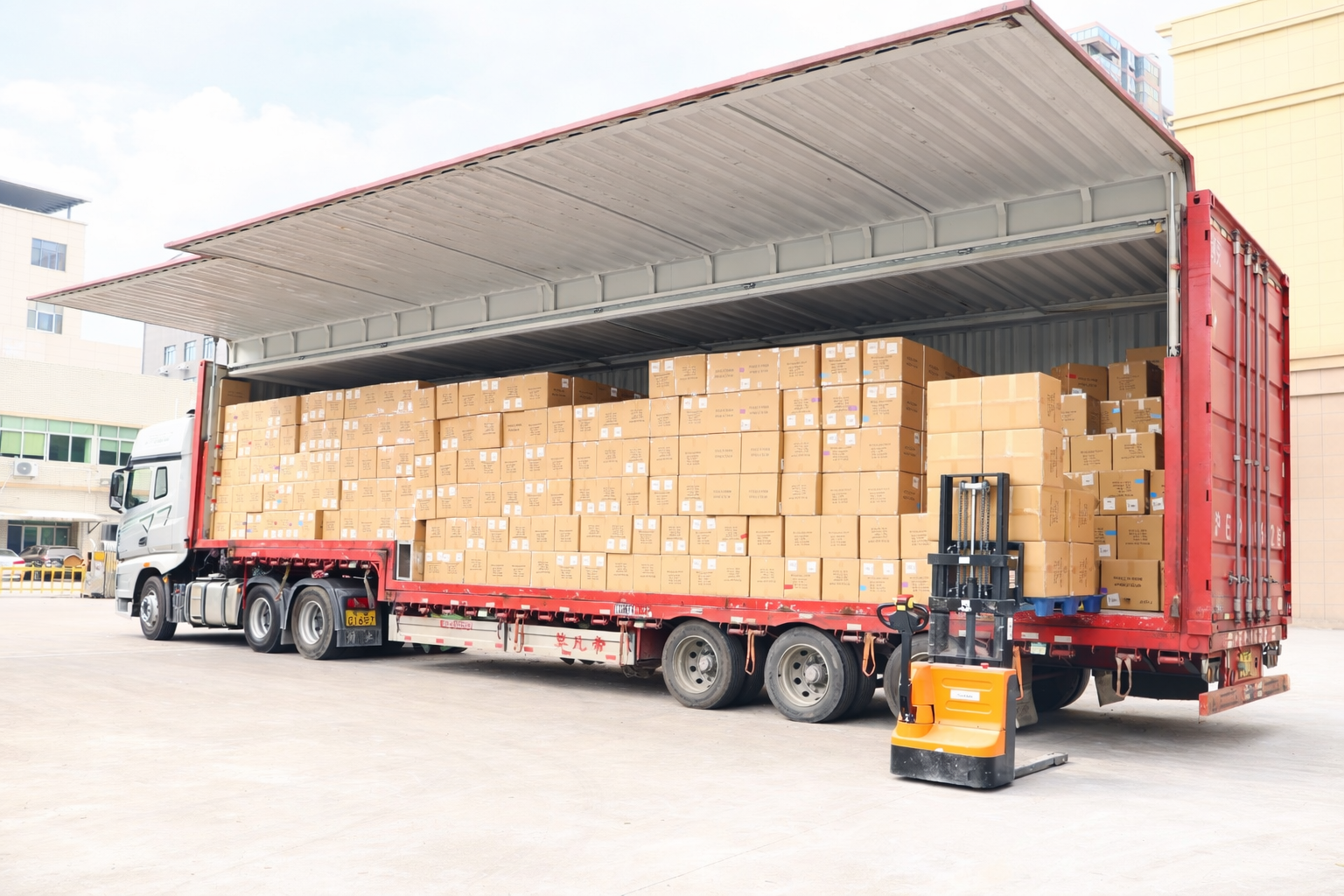
Sea freight is the default mode for production runs, and for good reason. A 40-foot container holds roughly 3,000 to 5,000 folded moving bags depending on size and carton configuration, and the per-unit freight cost drops to a fraction of air. For LCL (less than container load) shipments, the pricing structure includes several layers that buyers must add together.
| Cost Component | Rate Range | Notes |
|---|---|---|
| LCL base rate | $85 to $180 per CBM | Varies by route and carrier |
| Origin CFS handling | $25 to $50 per CBM | Container freight station fee at port of loading |
| Destination CFS handling | $60 to $120 per CBM | Unstuffing and handling at destination port |
| Total LCL all-in | $170 to $350 per CBM | Before duties and inland delivery |
Sea transit from China to the US West Coast runs 15 to 25 days. East Coast destinations add 7 to 10 days via Panama Canal routing. European ports like Rotterdam or Hamburg see 25 to 35 days. These are port-to-port times; door-to-door adds customs clearance and inland drayage, typically 5 to 7 more days.
For a full discussion of how many bags fit in a container and how to calculate CBM for your order, see our 40ft container CBM guide for bag importers. The break-even point between LCL and FCL is another critical calculation covered in our LCL vs FCL comparison for bag imports.
The Break-Even Calculation: When Air Beats Sea for Bag Orders
Most buyers assume air freight is always more expensive than sea freight. That assumption breaks down for small shipments. Below a certain weight threshold, the fixed costs in LCL sea freight (origin CFS, destination CFS, minimum billable volume, customs broker fees) exceed the per-kilogram premium of air freight.
Here is a worked example for a bag buyer shipping 80 kg of urgent reorder product:
- Air freight (general cargo, 80 kg): 80 kg at $5.90/kg = $472 total, transit 3 to 7 days
- Sea freight LCL (80 kg = approximately 0.5 CBM): 0.5 CBM at $250/CBM all-in = $125, plus destination CFS $60, plus customs broker $75, plus inland delivery $80 = $340 total, transit 25 to 35 days
- Difference: Air costs $132 more but arrives 22 to 28 days sooner
For 80 kg, the air premium is $132. If the buyer is stocking out of a product line and losing $500 per day in lost retail sales, air freight pays for itself in under one day. The calculation shifts as weight increases. At 300 kg, air freight costs roughly $1,590 versus $400 for sea LCL, and the premium becomes harder to justify unless the stock-out cost is severe.
The practical rule for bag buyers: under 100 kg and time-sensitive, air freight is almost always the right call. Between 100 and 300 kg, air freight makes sense if the cost of delay exceeds the $700 to $1,200 premium. Above 500 kg, sea freight wins on cost unless the reorder is so urgent that air charter service is justified.
Sample Shipping: Getting Bag Prototypes Through Customs Fast
Sending bag samples from a Chinese factory to a US or European buyer involves more than rate calculation. Samples must clear customs, and the documentation requirements differ from commercial cargo. A pre-production sample shipped by express courier typically arrives in 3 to 5 days, but only if the paperwork is clean.
The commercial invoice should declare the samples as having no commercial value or a nominal value under $50 to avoid duty assessment. HTS code 6305.10 covers woven PP sacks and bags, and samples classified under this code may qualify for duty-free entry if the value is below the de minimis threshold. The shipper must include a clear product description, the country of origin as China, and the intended use as “pre-production sample for bulk order evaluation.”
TIIOCTI sends sample bags to buyers worldwide as part of the pre-production approval process. The factory covers sample costs for qualified buyers and ships via express courier to minimize approval lead time. Once the sample is approved, the bulk production order ships by sea freight under DDP terms to the buyer’s warehouse. This split approach gives buyers fast sample turnaround without paying air freight rates on the full order.
Urgent Reorders: Decision Framework for Bag Buyers
When a product line is selling faster than forecast and the bulk order is months away from arriving by sea, buyers face a reorder decision. The urgency, the margin on the product, and the available production slot at the factory all factor in.
| Scénario | Recommended Mode | Rationale |
|---|---|---|
| Stock-out in 5 days, 50 kg needed | Express air | Small weight, maximum speed, door-to-door |
| Stock-out in 14 days, 200 kg needed | General air cargo | Lower per-kg rate, arrives in time |
| Stock-out in 30 days, 500 kg needed | Economy air or fast sea | Compare economy air 5-10 days vs sea 25 days |
| Stock-out in 60 days, 1000 kg needed | Sea freight | Plenty of buffer time for ocean transit |
| Stock-out now, 2000 kg needed | Air charter | Dedicated cargo plane, no commercial routing |
Before booking air freight for an urgent reorder, confirm the factory has a production slot. A factory running at capacity may need 7 to 10 days to produce a 200 kg reorder even with priority scheduling. The total lead time is production plus freight, and buyers who book air freight before confirming production readiness waste money on a shipment that sits at the airport waiting for cargo.
For buyers sourcing heavy duty moving bags ou custom drawstring bags from TIIOCTI, the factory maintains raw material inventory for standard specifications, which can shorten the production-to-airfreight cycle to 5 to 7 days for repeat orders.
Cost Comparison Summary: Air vs Sea at a Glance
| Facteur | Air Freight | Sea Freight |
|---|---|---|
| Cost per kg (100 kg) | $5.90 to $6.60 | $1.70 to $3.50 (LCL all-in per CBM equivalent) |
| Transit time | 3 to 10 days | 15 to 35 days |
| Minimum chargeable weight | 45 kg (general cargo) | 1 CBM (LCL minimum) |
| Volumetric rule | 1 CBM = 167 kg | Charge per CBM |
| Customs handling | Express includes clearance | Separate broker needed |
| Best for | Samples, urgent reorders under 300 kg | Bulk production runs over 500 kg |
| Door-to-door add-on | 2 to 3 days | 5 to 10 days |
The decision is not binary. Experienced bag importers use both modes simultaneously: air freight for the first 50 to 100 units to seed the market or approve the production, and sea freight for the bulk run that arrives 3 to 4 weeks later. This staged approach keeps inventory flowing without forcing the buyer to pay air freight rates on the entire order.
How DDP Terms Change the Air vs Sea Equation
When a factory offers DDP (delivered duty paid) shipping, the buyer does not need to manage customs, duty calculation, or inland delivery separately. The factory quotes a single landed price per unit. Under DDP terms, the factory absorbs the freight mode selection and passes the cost through in the unit price.
For sea freight DDP orders, the per-unit landed cost is predictable and stable. For air freight DDP, the per-unit cost fluctuates with weekly fuel surcharges and carrier rate changes. Buyers requesting urgent air freight under DDP should ask the factory to quote a rate hold period, typically 3 to 5 days, during which the air freight cost is locked in. Without a rate hold, the factory may pass through a surcharge increase that occurs between order confirmation and shipment date.
TIIOCTI ships DDP to US and European destinations for bag orders. For samples and urgent reorders, the factory can arrange express courier DDP for door-to-door delivery in 3 to 5 days. For bulk orders, DDP sea freight delivers to the buyer’s warehouse in 25 to 40 days depending on destination.
Common Mistakes When Choosing Freight Mode for Bag Orders
One recurring mistake is booking air freight before confirming the factory production timeline. A buyer who needs 200 kg of drawstring bags in 10 days may book air freight at $5.90 per kilogram, only to learn the factory needs 8 days to produce and pack the order. The shipment then departs on day 8 and arrives on day 12, missing the deadline anyway. The air freight premium bought 2 days of speed, not 10. Always confirm the production completion date before booking air freight.
Another mistake is ignoring the destination CFS and inland delivery costs when comparing LCL sea freight to air freight. Buyers see the $85 per CBM base rate and calculate their cost at $42 for a half-CBM shipment, then discover the all-in cost with origin CFS, destination CFS, customs broker, and inland trucking pushes the total to $340. The comparison should always use the fully loaded sea freight cost, not the base ocean rate.
A third mistake is under-declaring sample value on customs documents. While samples under $50 may enter duty-free under de minimis, misclassifying a $200 pre-production sample as a $5 item to avoid duties can trigger customs holds, seizures, and supplier verification flags. Declare the true value and use the correct HTS code. The duty on a $200 bag sample under HTS 6305.10 is minimal, and the cost of a customs hold far exceeds any duty saved.
Questions fréquemment posées
How much does it cost to ship bag samples by air from China?
Express courier for a single sample bag (under 1 kg) costs $40 to $80 door-to-door. For a batch of 5 to 10 sample bags totaling 5 to 15 kg, general air cargo costs $7 to $9 per kilogram, making the total $35 to $135. Samples valued under $50 typically clear US customs duty-free under the de minimis threshold.
When should I choose air freight over sea freight for bags?
Choose air freight when the shipment is under 100 kg and time-sensitive, when you need pre-production samples approved fast, or when a stock-out on a selling product line would cost more in lost sales than the freight premium. For shipments over 500 kg with no time pressure, sea freight is the right choice.
How is volumetric weight calculated for air freight on bags?
Air freight uses the formula 1 CBM = 167 kg. The carrier charges on the greater of actual weight or volumetric weight. A carton of flat-packed drawstring bags weighing 12 kg but measuring 0.09 CBM would have a volumetric weight of 15 kg, so the carrier charges for 15 kg.
Can I track my bag shipment sent by air freight?
Express courier shipments include full tracking from origin to delivery. General air cargo tracking depends on the freight forwarder. Ask the factory or forwarder for the master airway bill number, which allows tracking through the airline cargo portal. DDP shipments arranged by the factory typically include tracking updates forwarded to the buyer.
Does sea freight make sense for urgent reorders?
Sea freight works for urgent reorders only if the stock-out timeline is 30 days or more. Fast sea services to the US West Coast can deliver in 15 to 20 days, but the total door-to-door time including customs and inland delivery often reaches 25 to 30 days. Below that timeline, air freight is the practical choice.
Before shipping samples, ensure the tech pack is approved. See our bag tech pack basics guide for the specification workflow.

0 commentaires